
Views: 0 Author: LIB Team Publish Time: 2026-10-15 Origin: Site


A temperature humidity chamber makes a controlled room for product testing. It uses heating, cooling, and moisture
control to copy real-world conditions. This tool helps manufacturers check product reliability before release.
Humidity chambers play a key role in electronics, automotive, and pharmaceutical industries. In 2024, the global market for temperature and humidity chambers hit USD 1.2 billion. Demand rises as quality standards tighten.
You may ask: Which chamber type suits your testing? What features matter? How do you choose a humidity chamber? This guide answers those questions. It also helps you compare temp and humidity chambers with confidence. Think of LIB Industry's temperature humidity chamber as a long-term quality investment.

Temperature humidity chambers make controlled spaces for testing products.
These chambers help manufacturers spot problems before products get to customers.
Pick a benchtop, reach-in, walk-in, or drive-in chamber that fits what you need.
Important features are temperature and humidity ranges, control accuracy, and chamber size.
Industries such as electronics, cars, and drugs use these chambers.
Figure out what you need to test before you pick the right chamber.
Routine maintenance and calibration keep your chamber correct and safe.
Follow industry rules like IEC 60068 and ISO 16750 to comply.
A temperature humidity chamber makes a closed space for testing products. You set the target temperature and relative humidity. The machine keeps these levels steady over time. IEC 60068-2-78 requires accurate control of both settings for the whole test. This makes the temperature humidity chamber a standard tool for steady-state humidity tests.
Temperature and humidity chambers copy real-world stress. These temperature and humidity chambers show weak spots in materials, seals, and electronics. In safety-critical fields, humidity chamber testing helps with product safety and new ideas. For long exposure runs, constant temperature and humidity chambers keep conditions steady.
Every humidity chamber uses a closed control loop. Sensors check the air inside. A controller compares readings with set points. It adjusts heating, cooling, humidifying, and dehumidifying systems. Precise temperature and humidity control relies on this loop.
Humidity chambers come in different sizes. Benchtop humidity chambers fit small components. Reach-in humidity chambers handle medium batches. Walk-in humidity chambers hold large equipment. Drive-in humidity chambers test vehicles. These humidity chambers all use the same control principle. Match the humidity chambers to specimen size and heat load. A temperature and humidity test chamber fits small parts. Larger temperature and humidity test chambers handle complete assemblies. A humidity test chamber may be enough for steady-state tests.
Resistance-wire heaters raise temperature fast. For cooling, the chamber uses mechanical cascade vapor-compression refrigeration. This two-stage cycle links two circuits through a heat exchanger. It boosts cooling capacity and efficiency (COP). The cycle works in five steps:
Low-pressure refrigerant vapor goes into the compressor.
The compressor raises its pressure and temperature.
Hot gas moves through the condenser, gives off heat, and turns into liquid.
Liquid reaches the expansion valve; pressure drops and temperature falls.
Cold refrigerant enters the evaporator, takes in heat, and airflow spreads cooled air.
Steam and ultrasonic humidification are common. Some manufacturers, like BINDER, use steam humidification for stable results. The evaporator inside a humidity chamber also works as a dehumidifier. Air moves over the cold coil, and moisture condenses out. A constant humidity and temperature chamber balances cooling, heating, humidification, and dehumidification. An imbalance may cause humidity instability, condensation, or frost.
The controller makes adjustments using sensor data. RTDs or thermocouples measure temperature. Humidity sensors measure moisture. A good humidity chamber responds to heat made by your product.
Name |  LIB Industry's Best-Selling Temperature and Humidity Test Chamber | ||||
Model | TH-100 | TH-225 | TH-500 | TH-800 | TH-1000 |
Internal Dimension (mm) | 400*500*500 | 500*600*750 | 700*800*900 | 800*1000*1000 | 1000*1000*1000 |
Overall Dimension (mm) | 900*1050*1620 | 1000*1140*1870 | 1200*1340*2020 | 1300*1540*2120 | 1500*1540*2140 |
Interior Volume | 100L | 225L | 500L | 800L | 1000L |
Heat load | 1000W | ||||
Temperature Range | A : -20℃ ~ +150 ℃ | ||||
B : -40℃ ~ +150 ℃ | |||||
C: -70℃ ~ +150 ℃ | |||||
Temperature Fluctuation | ± 0.5 ℃ | ||||
Temperature Deviation | ± 2.0 ℃ | ||||
Humidity Range | 20% ~ 98% RH | ||||
Humidity Deviation | ± 2.5% RH | ||||
Cooling Rate | 1 ℃ / min | ||||
Heating Rate | 3 ℃ / min | ||||
Cooling system | Mechanical compression refrigeration system | ||||
Refrigerating unit | French TECUMSEH compressor | ||||
Heating Element | Nichrome heater | ||||
Controller | Programmable color LCD touch screen controller, Ethernet connection | ||||
Water supply system | Automatic water supply, Water purification system | ||||
Humidifier | External isolation, stainless steel surface evaporation humidifier | ||||
Safety Device | Humidifier dry-combustion protection; over-temperature protection; over-current protection; Refrigerant high-pressure protection; Water shortage protection; Earth leakage protection | ||||
Exterior Material | Steel Plate with protective coating | ||||
Interior Material | SUS304 stainless steel | ||||
Thermal Insulation | Polyurethane foam and insulation cotton | ||||
Observation Window | Interior lighting, double-layer thermo stability silicone rubber sealing | ||||
Standard Configuration | 1 Cable hole with plug; 2 shelves | ||||
Standards | IEC60068 | ||||
 | |||||
Temperature and humidity testing finds problems like corrosion and seal failure. Temperature and humidity chamber tests let you catch issues before customers do. A calibrated constant climate chamber gives audit-ready data. Knowing temperature and humidity chamber functions and uses helps you pick equipment. Buy a humidity chamber with proven control accuracy.
Learning about the types of temperature and humidity chambers begins with size and workload. Each type helps with a different test stage. Benchtop units work for small samples. Reach-in units handle medium batches. Walk-in and drive-in units test complete products and vehicles. The types of humidity chambers vary in scale, airflow, and refrigeration capacity. For long exposures, constant temperature and humidity chambers keep conditions steady. Constant climate chambers can handle temperature, humidity, salt spray, and thermal shock, with a separate chamber controlling each parameter. Never pick by volume alone; heat load matters too.

A benchtop humidity chamber sits on a lab bench. These units stay small, with inside volumes usually under 100 liters. A benchtop temperature humidity chamber works well for early research and small-component checks. You can test PCBs, seals, and small medical devices without taking up floor space. Most units have a viewing window, casters, and a small refrigeration system. Since the test area is small, the temperature and humidity chamber reaches set points fast. This speed lets you run many short cycles in one day. Many teams pick a benchtop model when they need repeatable data on a modest budget. If your samples fit and heat output stays low, this type gives the lowest total cost among all types of humidity chambers.
Reach-in temperature and humidity chambers take up a dedicated floor space. Standard inside volumes run from 10 to 64 cubic feet for models like the Tenney TC and C-EVO series. Other units, such as the Russells Tech Elite G-Series, start at 8 cubic feet (G-8) and go up to 32 cubic feet (G-32). These temperature and humidity chambers give stronger refrigeration and more airflow than benchtop units. You can open the front door and load specimens onto shelves or carts. This temperature and humidity chamber works for medium batches and long-duration stability tests. Production quality control often depends on reach-in units because they balance capacity, energy use, and floor footprint.
Walk-in and drive-in temperature and humidity chambers create rooms you can enter. These types of constant climate chambers give large conditioned spaces for entire products or palletized loads. An empty walk-in humidity chamber can change temperature faster because its refrigeration and heating systems only need to control the chamber structure. Once you load thermal mass, response slows down. Design your test profile around the loaded condition.
Walk-in humidity chambers let you roll in racks, equipment, or vehicles. Automotive engineers check large vehicles and components under varied conditions. Packaging teams expose materials to a consistent environment to find shelf life. Consumer electronics manufacturers spot design flaws before release. Aerospace plants qualify aircraft components against safety standards. Pharmaceutical companies run stability testing to confirm medication durability. A walk-in constant climate chamber often uses modular panels, a dedicated air handler, and an external machinery unit. You can set up temperature, humidity, and test ports. These chambers give precise conditions across a large volume, but they need extra planning, energy, and floor space.
Drive-in temperature and humidity test chambers form a specialized subcategory. A drive-in humidity chamber can cover a whole vehicle or large machine. You drive the product through a large door, then run soak tests at defined temperature and humidity levels. These chambers need heavy-duty floors, high-capacity refrigeration, and airflow that handles strong heat loads. Automotive and military testing are the most common uses. Many drive-in chambers are custom-built to fit vehicle dimensions while leaving room for technicians. Because these types of humidity chambers are so large, their temperature change rates stay modest. Test profiles therefore focus on steady-state conditions rather than rapid cycling. The same control loop applies, but the equipment scale is much bigger.
Leading manufacturers supply these humidity chambers across all size classes. ESPEC North America, Thermotron Industries, Angelantoni Test Technologies (ACS), Weiss Technik North America, Tenney Environmental, Binder GmbH, Associated Environmental Systems, Cincinnati Sub-Zero, TPS, Votsch Industrietechnik, and ITM-LAB (China) all offer standard or customized units. As you compare types of constant climate chambers, weigh each maker's service network and lead time. The same model family can vary in performance between brands. Request specification sheets, calibration data, and references before you commit. A reliable humidity chamber includes overtemperature protection. A constant climate chamber with proven control accuracy protects your test results.
LIB Popular Laboratory Environmental Temperature Humidity Test Chambers | ||
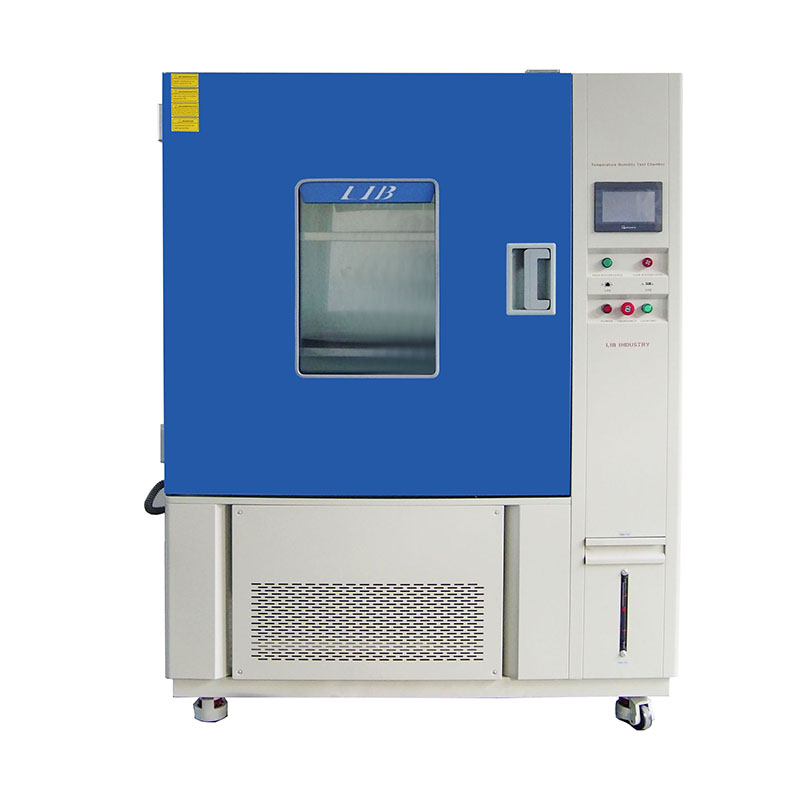 Temperature Humidity Test Chamber Precise climate simulation, Reliable long-term stability testing | 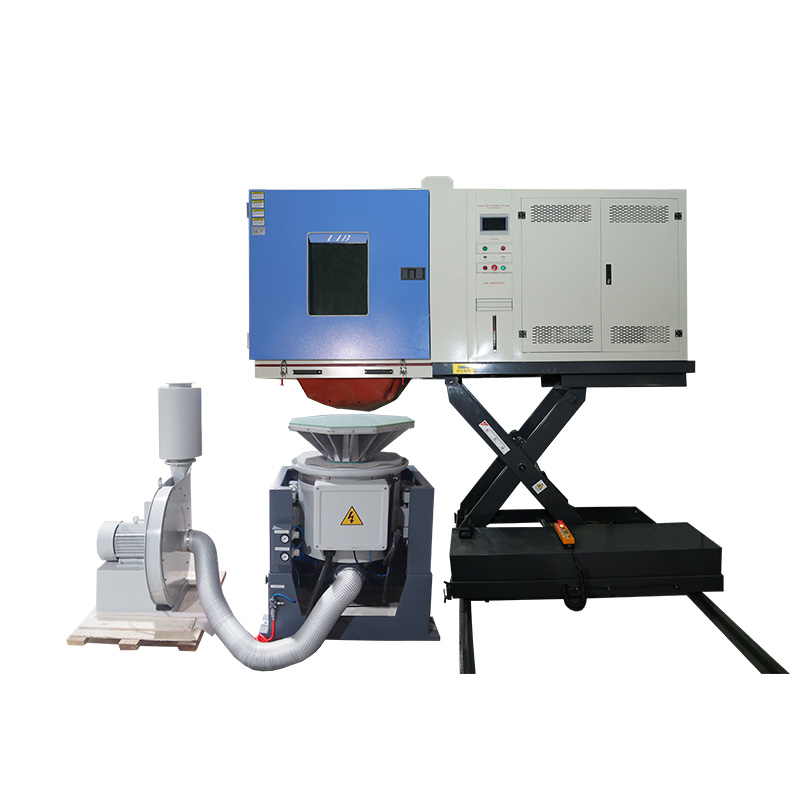 Combined Climate and Vibration Chamber Simulate temperature, humidity, and vibration stresses in one test | 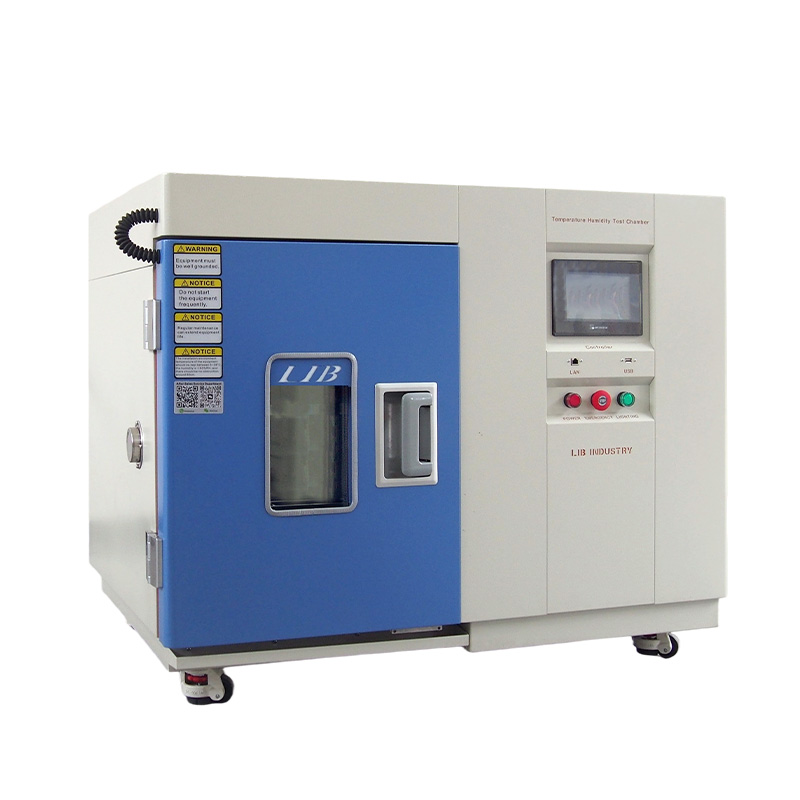 Small temperature humidity chamber Compact footprint design, High-accuracy environmental control |
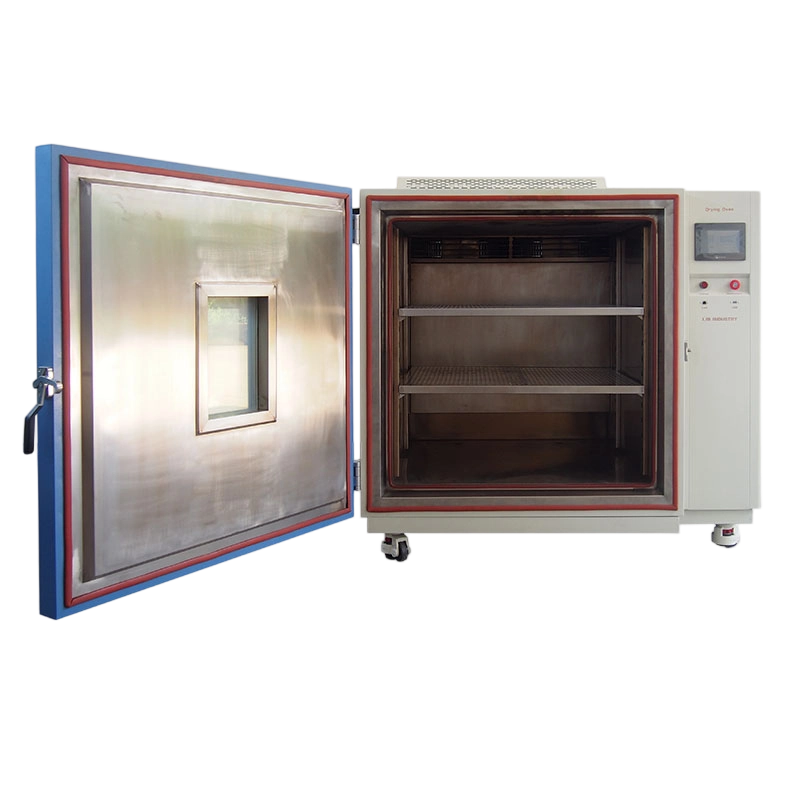 Industrial High-Temperature Vacuum Drying Oven Uniform heat distribution, Efficient material drying | 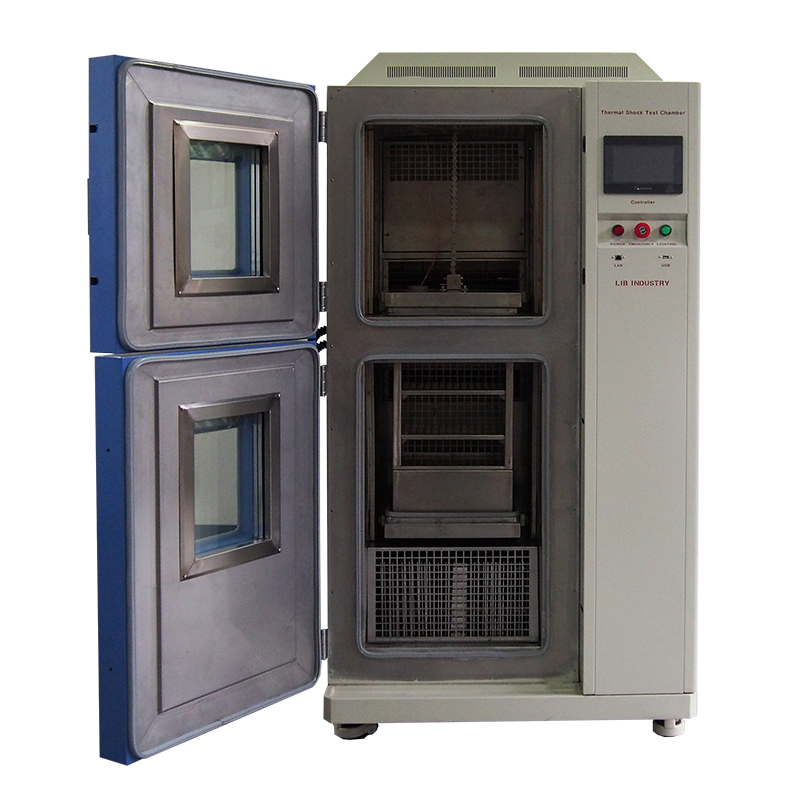 Extreme thermal stress simulation, Fast failure detection capability | 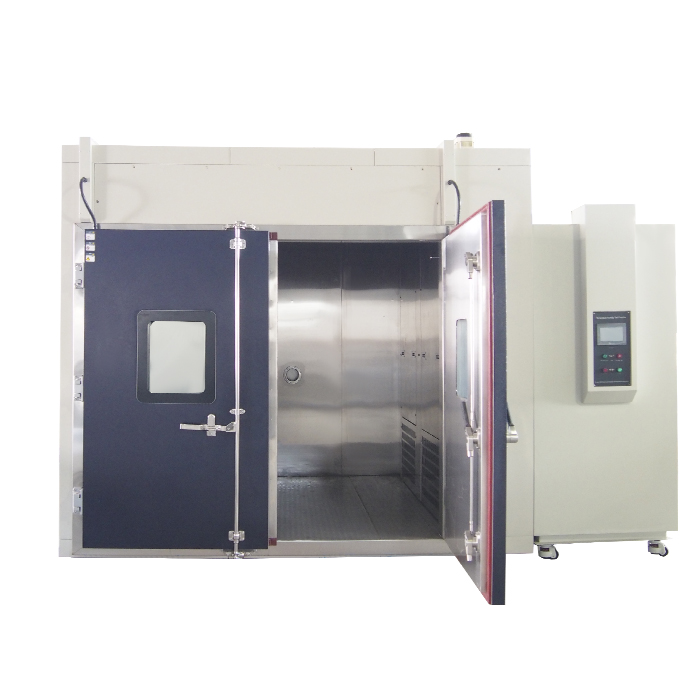
Large-capacity testing space, Ideal for oversized products |
When you compare climate test chambers, you need to look at key features, types, and expert tips together. The right model depends on your test needs. Focus on three factors: temperature and humidity ranges, control accuracy, and chamber size.
You should compare the real temperature and humidity ranges against what you need now and in the future. Do not just pick the widest advertised range. A humidity chamber that claims a broad span may not work well at every point inside it.
Standard humidity chambers cover different spans. The Bemco FW Series reaches from -73°C or -31°C up to +177°C. The Bemco FW30 runs from -18°C to +94°C. CSZ temperature/humidity chambers offer minimums of -34°C, -40°C, or -70°C and a maximum of +190°C. These temperature and humidity ranges show how much variety exists across models.
You should also check humidity performance beyond maximum RH. Look at fluctuation, uniformity, control stability, recovery time, condensation behavior, and the usable humidity range at different temperatures. A constant climate chamber must hold steady conditions across its full working span. These temperature and humidity control ranges matter more than a single peak number.
Precision separates a reliable humidity chamber from a mediocre one. Choose chambers with accurate temperature and humidity sensors. Consistent readings are essential for reliable test results. A temperature and humidity chamber with poor sensors gives you data you cannot trust.
Check temperature uniformity under real test conditions. This includes loaded conditions, heat-generating samples, and airflow restrictions. An empty chamber may look perfect on paper. Once you load it, hot and cold zones can appear. Good insulation reduces outside interference and helps keep internal conditions stable.
Programmability helps you copy specific environmental conditions. Adjustability across a wide range of settings increases testing flexibility. A user-friendly interface makes operation and staff training simpler. Clear manuals and support help reduce user errors. These are key features of constant temperature and humidity chambers that directly affect your daily work.
Construction materials should stand up to varied environmental conditions. This avoids frequent replacement and keeps your humidity chamber running longer. The best temperature and humidity testing results come from equipment built to last.
Manufacturers determine chamber size by engineering the system around your actual product and test process. They do not simply pick from a fixed catalog. For large automotive or aerospace components, customization typically involves chamber dimensions, door configuration, reinforced floors, cable ports, internal fixtures, airflow patterns, and cooling capacity.
Several sizing factors guide the decision. Product dimensions must fit within the internal chamber. The number of samples affects capacity needs. Sample arrangement and required clearance influence usable test space. Door size, loading path, and maintenance access shape overall dimensions. Future testing requirements may justify extra capacity upfront. Airflow requirements prevent localized hot or cold zones. Thermal mass and heat load determine whether the system can achieve the required ramp rate with the product inside.
For example, an automotive battery pack may require a reinforced floor and multiple cable ports for charging and monitoring. A large aerospace component may need custom fixtures to hold its position during testing. You must size the humidity chamber according to total thermal mass and heat generation, not just empty-chamber performance.
You also need to decide between a benchtop, reach-in, walk-in, or customized chamber. Ask about customization for internal dimensions, refrigeration capacity, airflow, humidity generation, electrical interfaces, door configuration, safety systems, fixtures, monitoring, and temperature change rates. Consider the manufacturer's engineering capability. Check whether they have their own engineering team and can support key components and control systems over time. Examine service and spare-parts support, including warranty, commissioning, installation, remote technical support, spare-parts availability, troubleshooting, calibration, and response times.
These key features of constant temperature and humidity chambers help you match specifications to your testing needs. A constant temperature and humidity chamber with the right size, range, and accuracy protects your investment. The types of humidity chambers vary widely, so weigh each factor before you buy.
You will find temperature and humidity chambers across many industries. The industries that use them most are electronics, automotive, aerospace, pharmaceutical, and construction materials. A full guide covers uses, types, top manufacturers, and future trends. Let's look at the main ones.
To test circuit boards and semiconductor durability, electronics companies use humidity chambers. Smartphones, wearables, tablets, and smart home devices can be tested. Automotive electronics tests include ECU reliability, sensor testing, and ADAS module durability. LED and optical items need humidity chamber testing for optical coatings, lenses, and encapsulation materials. Damp heat testing helps photovoltaic modules last outdoors for a long time. Medical devices also use humidity chambers to check moisture-sensitive electronics. In semiconductor packaging tests, humidity chambers check package sealing integrity and electrochemical reliability. For semiconductor devices, JESD22-A101 sets the rules for steady-state temperature-humidity bias life tests.

Stability testing requires drug makers to use constant temperature and humidity chambers. The ICH Q1A(R2) guideline sets storage conditions based on climatic zones. The key conditions are listed below.
ICH Guideline | Storage Condition | Study Type |
|---|---|---|
ICH Q1A (R2) | 25 °C / 60% RH | Long-term |
ICH Q1A (R2) | 40 °C / 75% RH | Accelerated |
ICH Q1F (2003) | 30 °C / 65% RH | Long-term |
ICH Q1F (2003) | 30 °C / 75% RH | Long-term |
These conditions set shelf life and storage needs. A constant climate chamber gives data ready for audits and regulatory filings.
Automotive and aerospace testing must follow strict standards. ISO 16750-4:2023 is the only ISO standard for temperature and humidity testing of automotive electrical and electronic parts. It covers ECUs, sensors, connectors, power electronics, and battery-related systems. No ISO standard exists for aerospace. MIL-STD-810H Method 507 and IEC 60068-2-30 apply instead. IEC 60068-2-30 covers cyclic damp heat, including condensation effects. IEC 60068-2-78 covers steady-state damp heat.

The future of temperature and humidity control chambers is moving toward automation and IoT integration. Modern chambers have programmable logic controllers, touchscreen HMIs, and remote monitoring. Real-time data logging, predictive maintenance alerts, and cloud-based test report generation are becoming standard. IoT-enabled chambers allow remote operation and predictive maintenance, cutting downtime and costs. The uses of constant temperature and humidity chambers will keep growing as rules get stricter.
You now know the types and features. The next step is how to choose the right chamber for your lab. Start with your test requirements, not with a catalog. Define your temperature and humidity range, ramp rate, specimen size, heat load, and sample count first. These factors guide every other decision.
Write down your target setpoints before you shop. Your test standard often fixes them. IEC 60068-2-78 calls for steady-state damp heat at 40°C and 93% RH. JESD22-A101 requires 85°C and 85% RH for bias life tests. ISO 16750 covers automotive components. Match these numbers to the chamber you buy.
Next, measure your device under test. Note its dimensions, mass, materials, and fixture needs. A large, heavy specimen absorbs heat and slows the ramp rate. Advertised empty-chamber rates can mislead you. Treat the loaded transition rate as your real design target. For rapid-rate work, chamber size, airflow, refrigeration capacity, and humidity performance act as one system. Pick the whole system, not just a big box.
Other humidity parameters, such as dew point temperature, also have a limit in unpressurized systems. For example, the maximum dew point is the same as the boiling point, typically 100 °C (212 °F).
Check uniformity and stability under realistic conditions. Temperature uniformity typically sits at ±2°C and RH uniformity at ±3% RH across the working volume. The RH range usually spans 10%–98% RH. Ask for data from a loaded chamber, not just a datasheet peak.
Compliance depends on your industry. Electronic components follow IEC 60068. Automotive parts follow ISO 16750. Confirm the chamber meets safety marks like UL, NRTL, CSA, or CE. Ask about calibration per ISO/IEC 17025 with NIST-traceable references. A constant climate chamber with audit-ready data saves you trouble later.
Purchase price is only one number. Add energy consumption, maintenance, and expected lifespan. Fast-cycling systems may need a remote condenser, extra power, or water. Check your floor space and utilities before you commit.
Service matters too. Confirm technical support, spare parts, and response times. Prompt service cuts downtime. Read user reviews about reliability and ease of use. When selecting the right chamber, weigh these factors against your budget. A constant climate chamber with proven support protects your investment.
You should treat every humidity chamber as a possible danger. These machines mix high voltage, extreme temperatures, and moving parts. Built-in safety features keep you safe while you work. Pressure relief valves, over-temperature and humidity alarms, and emergency shut-off mechanisms stop dangerous events. You should never skip or disable these systems.
Operator training is a must. Everyone who uses a humidity chamber needs full training on how it works, safety features, and emergency steps. Wear gloves and eye protection when you handle materials or do maintenance. Check power cords and connections often for damage. Never run a humidity chamber with broken electrical parts. Keep the area free of flammable materials and label everything inside, especially hazardous or volatile substances. Follow set shutdown steps during power outages. React to alarms right away, stop work if something breaks, and call qualified personnel. UL 61010-1 and UL 61010-2-010 set the safety rules for laboratory equipment. OSHA-compliant protection is required for temperature and humidity chambers.
Regular maintenance keeps your humidity chambers accurate and safe. Clean the chamber inside each month to remove dust and debris. Replace air and water filters as the maker suggests or when they start to clog. Clogged filters block temperature and humidity control. Check door seals often for wear, tears, or gaps that could hurt performance. Clean temperature and humidity sensors the way the maker recommends to avoid wrong readings. Regularly check inside and outside for damage, leaks, or loose parts.
Calibration frequency matters for every constant climate chamber. Maker recommendations give you a starting point. In practice, test chambers are usually calibrated every 6 to 12 months. High-usage labs that run daily or nonstop should calibrate every 6 months. Moderate manufacturing use allows every 12 months. CNAS/ISO/IEC 17025 accredited labs follow 6–12 months per accreditation rules. After major repairs to sensors, controllers, or refrigeration systems, recalibrate right away. Contact a nationally accredited calibration service provider. Prepare the chamber as the maker instructs, compare readings against a traceable reference standard, and get a calibration certificate.
Following regulatory standards is critical. Non-compliance can hurt product stability, leading to costly recalls or audit failures. Regulatory parameters remove variability and ensure uniformity. Environmental chambers that fail to meet standards can put product quality and safety at risk. You must show compliance through detailed data logs and certificates for regulatory approvals from agencies like the FDA.
ISO 16750 covers environmental test chamber design, performance, and calibration for automotive components. ISO/IEC 17025 assures laboratory competence in testing and calibration. ISO 14644 addresses cleanroom and contamination control. IEC 60068 covers environmental testing methods including temperature, humidity, vibration, and corrosion. ISO 9001 integrates quality management with environmental testing requirements. These standards apply across all types of humidity chambers.
Different industries follow different rules. Medical device testing uses IEC standards under specific temperature and humidity conditions. Automotive components follow ISO standards under diverse environmental conditions. The EU's RoHS directive restricts hazardous substances in electronics, often requiring temperature and humidity testing for compliance. GMP and GLP frameworks require regular calibration, maintenance logs, and robust documentation systems prepared for audits. ASTM D638 determines tensile properties of plastics under temperature and humidity testing. ASTM D4332 outlines environmental testing conditions for packaging materials. For humidity chamber testing, always match your equipment to the standards your industry requires.
Temperature and humidity chambers come in many forms, and their definition and uses matter. Each chamber serves one load: benchtop humidity chambers fit small parts, while reach-in humidity chambers handle medium batches. Walk-in humidity chambers test large products, and drive-in humidity chambers test vehicles. These machines differ in range, so a humidity chamber must match your standard. Check each one for accuracy, then compare size and how well they meet standards.
Temperature and humidity chambers now use automation: AI helps a humidity chamber self-calibrate, and IoT lets it report faults remotely. Energy-efficient humidity chambers cut costs, while cloud-ready humidity chambers share test data. Consult manufacturers for tailored advice, and use this guide as your starting point.
A temperature and humidity chamber makes a controlled space for testing products. You set the temperature and humidity levels you want. The machine keeps these conditions steady over time. This helps you find weak spots in materials, seals, and electronics before products reach customers.
A benchtop humidity chamber works best for small parts. These units sit on a lab bench and hold under 100 liters. You can test PCBs, seals, and small medical devices. The small test area reaches set points fast, so you can run many short cycles in one day.
Steam and ultrasonic humidification are common ways to add moisture. Some manufacturers use steam humidification for stable results. The evaporator also works as a dehumidifier. Air moves over the cold coil, and moisture condenses out. A constant humidity and temperature chamber balances all these systems.
Ranges are different across models. The Bemco FW Series reaches from -73°C or -31°C up to +177°C. CSZ temperature/humidity chambers offer minimums of -34°C, -40°C, or -70°C and a maximum of +190°C. Check humidity performance beyond maximum RH, including fluctuation and recovery time.
Calibration keeps your humidity chamber accurate and safe. Test chambers are usually calibrated every 6 to 12 months. High-usage labs that run daily should calibrate every 6 months. After major repairs to sensors or controllers, recalibrate right away. Always use a nationally accredited calibration service provider.
✓ 3-year warranty with lifetime technical support
✓ Fast delivery (7-15 days) with professional commissioning support
✓ Temperature range from -70°C to +150°C and humidity range from 20% to 98% RH
✓ Precise environmental control with ±0.5°C temperature fluctuation and ±2.5% RH humidity deviation
✓ Available in benchtop, reach-in, walk-in, and customized configurations
✓ Designed to meet IEC 60068 environmental testing requirements
Need a Temperature and Humidity Test Chamber for electronics, automotive parts, batteries, pharmaceuticals, or other products?
LIB Industry provides environmental testing solutions for manufacturers, suppliers, and laboratories worldwide. Our equipment portfolio includes Temperature and Humidity Test Chambers, Combined Climate and Vibration Chambers, Thermal Shock Test Chambers, and Walk-In Temperature Humidity Chambers. We help customers select the right equipment, test standards, and configuration based on specimen size, temperature and humidity requirements, heat load, and test conditions.
Contact LIB Industry today to discuss your temperature and humidity testing requirements and request a customized quotation.


