

Master proper specimen positioning in salt spray corrosion chambers to ensure accurate testing. This guide covers standardized angles, spacing, and inert racks for flawless data.

A product that passes lab testing but fails within its first year in the field is one of the most expensive mistakes a manufacturer can make, and in most cases the root cause traces back to temperature swings or moisture the product was never actually tested against. Getting that testing right befor

Xenon test chambers simulate sunlight and moisture to evaluate the weathering resistance of paint, plastics, and exterior trim components in harsh environmental conditions.

Xenon test chambers simulate full-spectrum sunlight to evaluate color fading in automotive plastics. UV fluorescent testing uses short-wave light to assess physical damage.
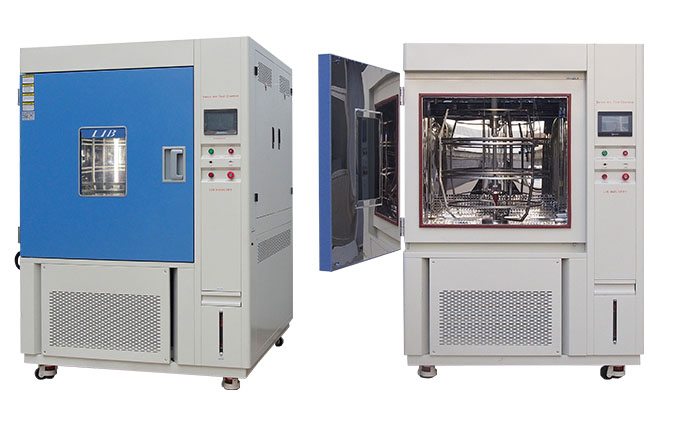
Discover how a xenon test chamber simulates natural sunlight to evaluate coating color changes. This accelerated weathering helps manufacturers improve product durability.

A steel bracket left near the coast can show visible rust in a matter of months, while the same part sitting in a dry warehouse might last for years without a mark. That gap between lab predictions and real field life is exactly what pushes engineers to look for a test method that copies the weather

Deciding between temperature-only and humidity chambers? Learn when moisture control is mandatory vs. avoidable cost to specify the right system.

Prevent costly automotive ECU failures. Learn how to select temperature humidity chambers for damp heat testing and AEC-Q100 compliance.

Prevent PV module failures and ensure IEC compliance. Learn to select the right Temperature Humidity Chamber for Damp Heat & Humidity Freeze tests.

Buyers searching for reliable water ingress test equipment often face the same problem: too many suppliers, but too little proof of real performance. When a product fails a waterproof test after mass production, the cost of rework and delayed shipment can reach tens of thousands of dollars, which is

A coating that looks perfect on the shelf can crack, fade, or chalk after just one summer outdoors. Manufacturers cannot wait three years to find out if a paint, plastic, or cable jacket will survive real sunlight and rain, so they turn to accelerated light aging equipment that reproduces years of o

A test engineer loads a batch of new circuit boards into a chamber, sets the profile to -20°C, and waits. Ten minutes later the temperature reading drifts, the heater fights the compressor, and the whole test has to restart. This is a common problem in small labs, especially when the test load is he


