Views: 0 Author: LIB Team Publish Time: 2026-11-09 Origin: Site


ASTM B117 is a standard practice for operating salt spray (fog) apparatus. It is not a pass/fail test. The standard defines how you run the chamber and the test conditions. Your product specification supplies the acceptance criteria.
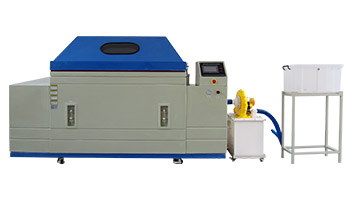
Solis, a metal manufacturing company in Mexico, purchased LIB Industry's S-250 Salt Spray Chamber. After replacing the contactor locally, the customer shared:"Thanks for your support. We replaced the contactor with a local supplier and the salt spray chamber works fine now. In case of needs your help, I will contact you."This feedback highlights LIB's commitment to customer support and reliable salt spray testing equipment.
This guide walks you through the ASTM B117 salt spray test in sequence: conditions, the step-by-step salt spray test procedure, evaluation, and practical tips. You will learn to set up a Salt Spray Test Chamber, run the test, and judge results against your own limits. Keep records of every condition you set. Treat ASTM B117 as the rulebook for salt spray testing, not the verdict.
ASTM B117 tells you how to run the salt spray test, but your product specification decides if your part passes.
Control the salt solution, temperature, and fog rate carefully to make your test results reliable.
Record every test condition and daily reading in a log so you can repeat the test and defend your results.
Evaluate corrosion against your specification limits, and handle specimens gently after the test.
Remember that salt spray results do not perfectly predict real-world performance; use the test as a screening tool.
ASTM B117 is a standard practice for operating salt spray (fog) apparatus. It creates a controlled corrosive environment inside the chamber. You use that environment to compare how materials and coatings resist corrosion under identical exposure. The standard practice for operating salt spray (fog) apparatus therefore gives you a repeatable reference point, not a verdict on your product.
The standard fixes the operating conditions of the salt spray (fog) apparatus. Micomlab lists the core parameters: a continuous salt fog, a cabinet temperature of 35 °C, a 5% sodium chloride solution by mass, and a pH range of 6.5 to 7.2. Specimen angle typically falls between 15° and 30° from vertical, depending on the dominant test surface. These settings make one lab's run comparable to another's.
Test Parameter | ASTM B117 Testing Condition |
|---|---|
Exposure environment | Continuous salt spray / salt fog |
Cabinet temperature | 35 °C |
Salt solution | 5% sodium chloride by mass |
pH range | 6.5 to 7.2 |
Specimen angle | Typically 15° to 30° from vertical |
Test duration | Defined by the applicable specification |
The salt spray test standard stops at the apparatus and the environment. It does not define the specimen type, sample dimensions, exposure duration, pass/fail criteria, or how you interpret results for a specific product. Micomlab states this limit plainly. Your product specification, customer requirement, or industry standard supplies those details.
This split matters during ASTM B117 testing. A run of 500 hours proves nothing on its own. Your specification must also state what counts as a failure, such as no red rust on significant surfaces. ASTM B117 governs how you run the test. Your specification governs whether the part passes.
The test environment starts with the solution. Autotechnology.com lists the required values for the salt spray test chamber: a sodium chloride concentration of 5 ± 1% by mass, and a collected-solution pH of 6.5 to 7.2. Finishing.com confirms the same window. You verify pH before the run, not after. A drifting pH changes the attack rate on your specimens and weakens any comparison between runs.
Parameter | Required Value |
|---|---|
Sodium chloride concentration | 5 ± 1% sodium chloride by mass |
Collected-solution pH | 6.5 to 7.2 |
Collected-solution concentration | 5 ± 1% sodium chloride by mass |
Water quality matters as much as salt quality. Autotechnology.com states the water must conform to ASTM D1193 Type IV, subject to the specific exceptions in B117.
ASTM B117 salt solution is prepared by dissolving sodium chloride in ASTM D1193 Type IV water.
Use high-purity sodium chloride and purified water to build the 5% sodium chloride (NaCl) solution. Impurities such as calcium or magnesium shift the pH and alter fog chemistry.
Coteclabs.com sets the chamber temperature at 35 °C ± 2 °C. The apparatus atomizes the solution continuously for the whole run. Deposition rate defines whether the fog actually reaches the specimens. LIB-chamber.com gives the acceptance window and the measurement method:
Fog deposition rate: 1–2 mL per 80 cm² per hour
At least two fog collectors inside the exposure zone
Each collector captures 1.0–2.0 mL per 80 cm² per hour over a minimum 16-hour measurement period
Place the collectors where they represent the specimen zone, not near the chamber walls. A single collector hides uneven fog distribution.
Duration is the one parameter B117 leaves open. Infinitalab.com states that ASTM B117 does not specify a fixed duration; the applicable product standard defines it. Common ranges run from 24 hours for thin decorative platings to 500–2000 hours for heavy-duty marine and offshore coatings. Ecqa.com publishes typical ranges by coating type:
Coating Type | Typical Salt Spray Range |
|---|---|
Decorative Zinc Plating | 24 to 96 Hours |
Nickel Chrome Plating | 48 to 240 Hours |
Powder Coating | 240 to 1000+ Hours |
Hot-Dip Galvanizing | 500+ Hours |
Duplex Coating Systems | 1000+ Hours |
Ecqa.com also ties duration to service environment: indoor products often need 24 to 96 hours, outdoor products 240 to 500 hours, and marine or coastal products 500 to 1000+ hours. For cable systems and hardware, the product specification usually states the hours and the corrosion acceptance limit together. Set the duration before you load the chamber. Record every ASTM B117 test conditions value in the run log so the next ASTM B117 salt spray test procedure starts from the same baseline. These settings define the LIB Industry's ASTM B117 salt spray test environment; your specification still decides how much corrosion resistance is enough.
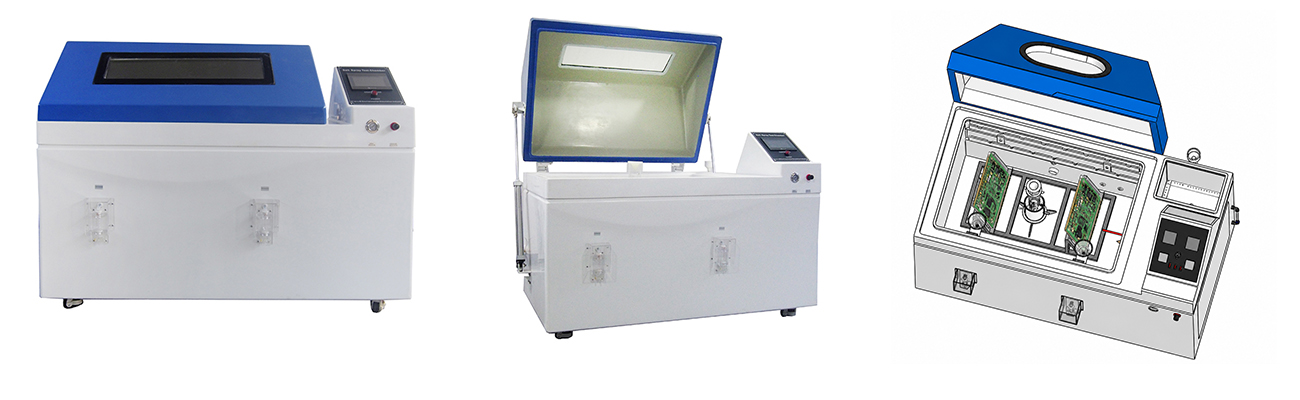 | ||||||
| Model | S-150 | S-250 | S-750 | S-010 | S-016 | S-020 |
| Internal dimensions (mm) | 590*470*400 | 1000*640*500 | 1100*750*500 | 1000*1300*600 | 900*1600*720 | 1000*2000*800 |
| Overall dimensions (mm) | 1460*760*1140 | 1850*960*1350 | 1950*1030*1350 | 2000×1300×1600 | 2300×1300×1700 | 2700×1300×1900 |
| Interior Volume (L) | 110 | 320 | 410 | 780 | 1030 | 1600 |
| Temperature Range | Ambient ~ +60 ℃ | |||||
| Temperature Fluctuation | ± 0.5 ℃ | |||||
| Temperature Deviation | ± 2.0 ℃ | |||||
| Humidity Range | 95% ~ 98% RH | |||||
| Salt Fog Deposition | 1~2ml / 80cm2 · h | |||||
| Spray Type | Continuous / Periodic | |||||
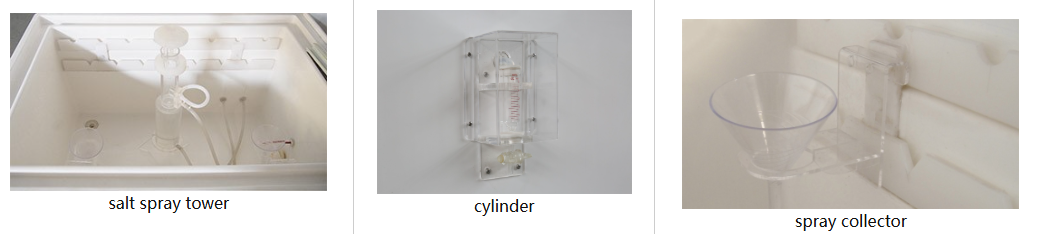
| Salt Fog Collected | Fog collector and fog measure cylinder | |||||
| Air Preheating | Saturated air barrel | |||||
| Spraying System | Atomizer tower and Spray nozzles | |||||
| Controller | PID controller | |||||
| Safety Device | Humidifier Dry-combustion Protection; Over-temperature Protection; Over-current Protection; Water Shortage Protection; Earth leakage Protection | |||||
| Material | Glass fiber reinforced plastics | |||||
| Standard Configuration | 6 round bars and 5 V-shaped grooves | |||||
 | ||||||
Start with clean specimens. Autotechnology.com notes that specimens must be suitably cleaned without recontamination from careless handling. The right method depends on the surface and the contaminants you need to remove. A solvent wipe suits oily panels, while a mild detergent wash removes shop dirt. Handle each panel with gloves or tongs after cleaning, and store it in a dust-free place until the ASTM B117 run begins.
Weigh bare metal specimens before exposure. Record the starting mass in your run log. This baseline lets you measure mass loss after the b117 exposure and compare it against your specification limits. Coated specimens follow a different path. Autotechnology.com states that painted or nonmetallic-coated specimens are prepared under your applicable material specification or test plan and are not cleaned or handled excessively before exposure. Apply the coating as your test plan defines, then document the coating thickness and cure conditions. Excess handling of a fresh coating can introduce fingerprints or micro-scratches that change the corrosion result.
Edge masking is a recommended preparation step. Cut edges and machined surfaces corrode faster than flat faces, and that extra attack can distort your corrosion rating. Mask the edges with tape or a suitable barrier so the exposed area matches the area your specification evaluates. Record the masked area on the specimen map.
Laboratory preparation often covers more than masking. Autotechnology.com describes a full preparation sequence: preparing representative substrates, applying coatings, fabricating custom panels, documenting the prepared specimens, cleaning and masking defined areas, protecting edges, and producing controlled scribes before exposure. A controlled scribe simulates a scratch through the coating and shows how corrosion spreads from a damaged site. Define every masked and scribed area in your test plan before you load the chamber. This step keeps the astm b117 run comparable from panel to panel.
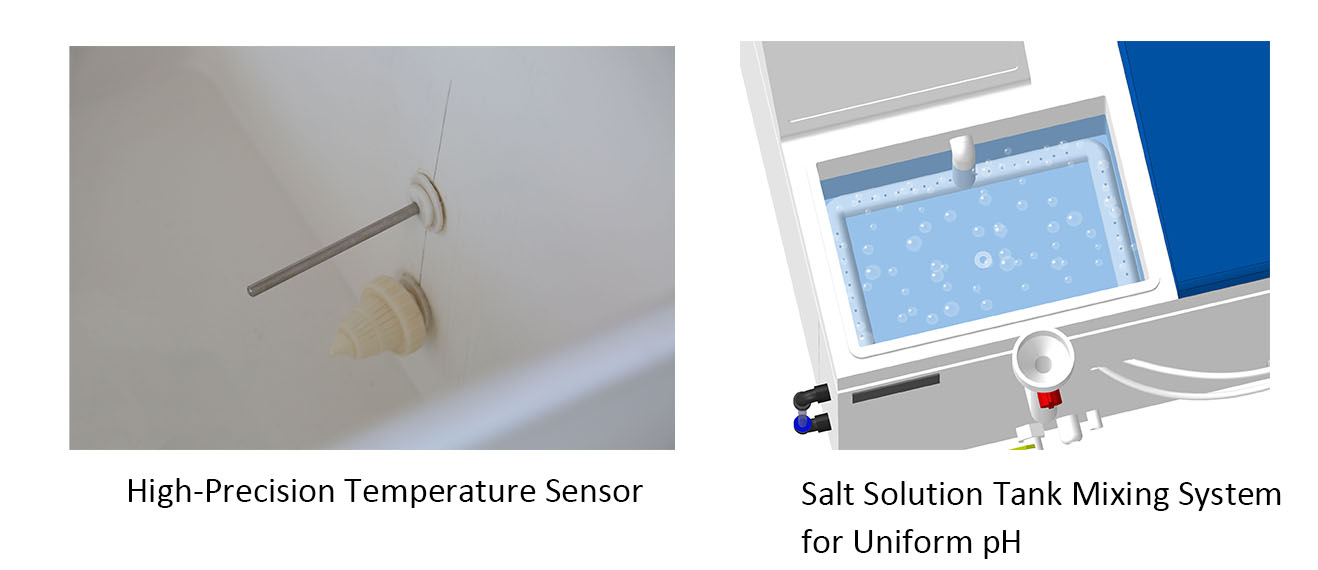
Mix the salt solution before you load any specimen in LIB Industry's Salt Spay Test Chamber. Autotechnology.com states the collected solution must contain 4–6% NaCl by mass and hold a pH of 6.5–7.2, measured at 23 ± 3 °C. These checks apply to the collected fog solution during exposure. Accepting the starting solution does not replace them. Prepare a ph-neutral 5% nacl solution as your baseline, then confirm it against the collected-fog limits once the b117 run begins.
Verify concentration with more than one method. Autotechnology.com recommends these checks:
Compare the concentration from a specific gravity hydrometer reading with a reading from a suitable NaCl refractometer, salimeter hydrometer, or another verified device.
Apply each instrument's required temperature corrections and compare results as NaCl percent by mass.
Judge agreement with a tolerance that accounts for uncertainty in both methods.
Titrate independently prepared solutions of known concentration, such as 4%, 5%, and 6%, and compare the calculated results with those known values.
A reference check sharpens your confidence. Autotechnology.com describes preparing a 5% nacl solution by accurately weighing 5 grams of pure NaCl and 95 grams of water, accounting for salt purity and weighing uncertainty. Measure that reference with the hydrometer, apply the temperature correction, and convert the reading into NaCl concentration. The calculated value should agree with the known 5% concentration within an acceptance tolerance that covers both preparation and measurement uncertainty.
Water quality drives fog chemistry. The earlier section of this guide noted the ASTM D1193 Type IV water requirement from Autotechnology.com. Confirm your water supply meets that grade before you mix the 5% sodium chloride solution. Impurities such as calcium or magnesium shift the pH and change how the fog attacks your specimens.
Run a purity check on every new water batch. Record the source, the batch date, and the result in your run log. This record supports the astm b117 documentation trail and lets you trace a pH drift back to its cause. Pair the water check with the concentration and pH verification above, and your solution is ready for the chamber.
Position flat test panels between 15° and 30° from vertical, as LIB Industry Salt Spay Test Chamber's specifies for reliable results. This angle lets fine saline droplets settle on the exposed surface while condensed liquid drains away naturally. A panel placed too flat allows salt solution to pool, which creates artificially aggressive immersion-like conditions. A panel set fully vertical may receive insufficient fog deposition. Keep the angle consistent across every specimen to improve repeatability.
Orientation Angle | Consequence | |
|---|---|---|
15°–30° from vertical | Correct orientation | 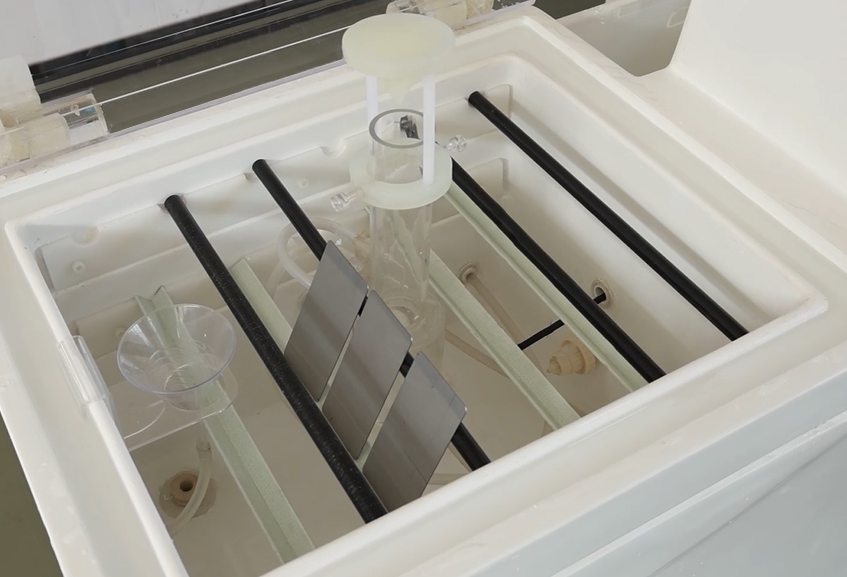 |
Flat or fully vertical | May cause pooling or insufficient fog deposition |
Use non-metallic, acid-resistant composite racks to prevent galvanic reactions, and keep samples from touching one another. Space parts parallel to the main fog flow direction. Saline runoff from higher shelves must never drip onto components below. Define every test parameter before you start the b117 run.
Inspect the salt spray test chamber and its utilities before each run. Innotech Group advises checking the solution reservoir level before and during longer tests, and cleaning a partially blocked atomizing nozzle per the manufacturer's procedure. Techmaster recommends recording exposure-zone temperature, saturator temperature and pressure, and reservoir level every run.
Follow a short checklist on the salt spray chamber:
Confirm the test room and pressure tank water levels.
Fill the seal water tank around the cover to prevent fog leakage.
Verify spray pressure and air supply.
Inspect the nozzle for continuity and blockage.
LIB Industry builds salt spray corrosion test chambers as compliant apparatus for this workflow. Their salt spray (salt fog) chamber design supports proper racking and routine inspection. A final check of the astm b117 setup protects the whole run.
A successful run depends on steady conditions, not a single setup. Check the solution level in the reservoir every day. Verify the pH of the collected solution against the 6.5 to 7.2 window. Read the chamber temperature and confirm it holds at 35 °C. Autotechnology.com groups these routines into a practical daily record:
Fog collection funnels verify collection rate, salt concentration, and collected-solution pH.
Compressed-air quality, air pressure, bubble-tower temperature, chamber temperature, nozzle performance, solution delivery, and vent conditions all influence fog generation and collection rates.
Operators place and read fog collectors, calculate hourly collection rates, and use the collected solution to confirm chamber performance.
Log every reading with a timestamp. A drifting bubble-tower temperature or a weak air supply shows up in the record before it ruins the exposure. Autotechnology.com also lists daily operating records, solution and water-quality records, and test interruption documentation as laboratory best practices. Treat the log as part of the astm b117 salt spray test procedure, not an optional extra.
Deposition rate tells you how much fog actually reaches the specimens. Torontech.com describes the method: place calibrated 80 cm² collection funnels over graduated cylinders in at least two separate racking areas, then verify that deposition settles between 1.0 and 2.0 mL per hour per funnel across a continuous 16-hour evaluation. Lisungroup.com explains why this matters. The standard mandates monitoring the collection rate because it links directly to the wetness level on the specimen and therefore to test severity.
Read each funnel at the same time every day. Record the volume, then calculate the hourly rate for each collector. Compare the two readings. A wide gap points to uneven fog distribution inside the salt spray chamber. Check nozzle alignment and rack position before you adjust anything else.
Modern apparatus supports this verification. The LIB salt fog test machine, such as the S-800 model, uses a precision spray tower and quartz nozzles to maintain the deposition rate required by ASTM B117, while built-in collectors verify deposition accuracy, according to lib-climaticchamber.com. That automation reduces manual error, yet you still record the readings yourself.
Keep the full condition record for the entire astm b117 salt spray test. Note temperature, pH, collection volumes, and any interruption. This documentation lets you repeat the run and defend the result. A complete record also supports later corrosion analysis, because you can tie any unexpected attack back to a specific condition drift. Follow this discipline through every astm b117 testing cycle, and the salt spray test chamber becomes a reliable reference tool rather than a black box. Run the astm b117 salt spray test procedure the same way each time, and your results stay comparable across batches.
| LIB Industry's Popular Environmental Chamber for Automotive Test | |||
 |  |
| 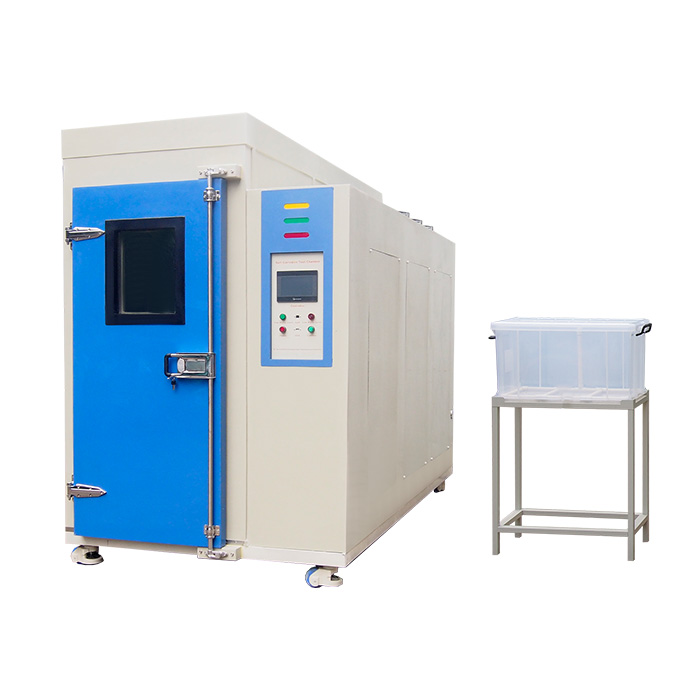 |
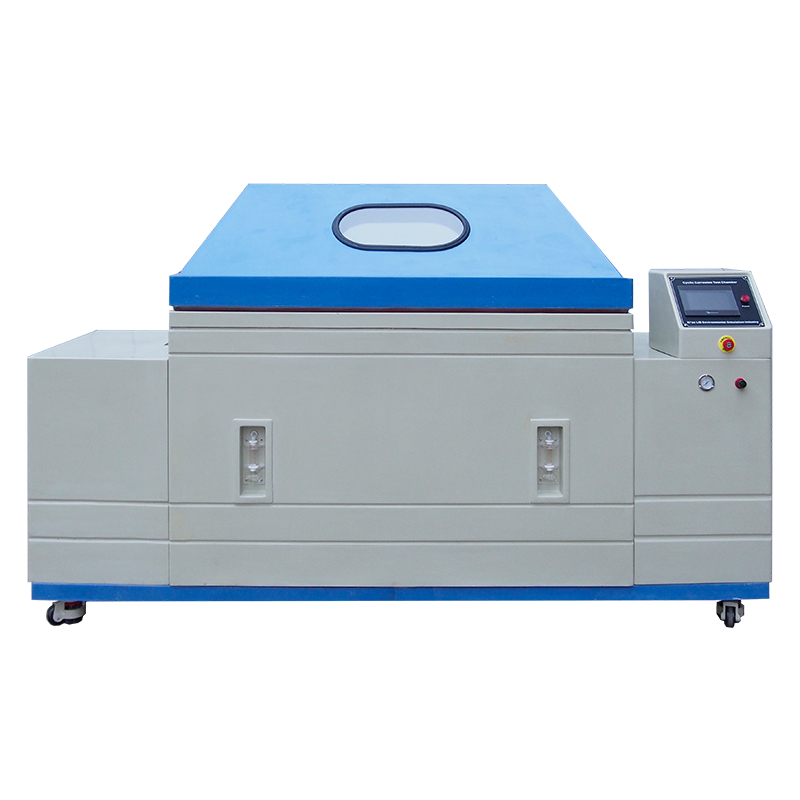
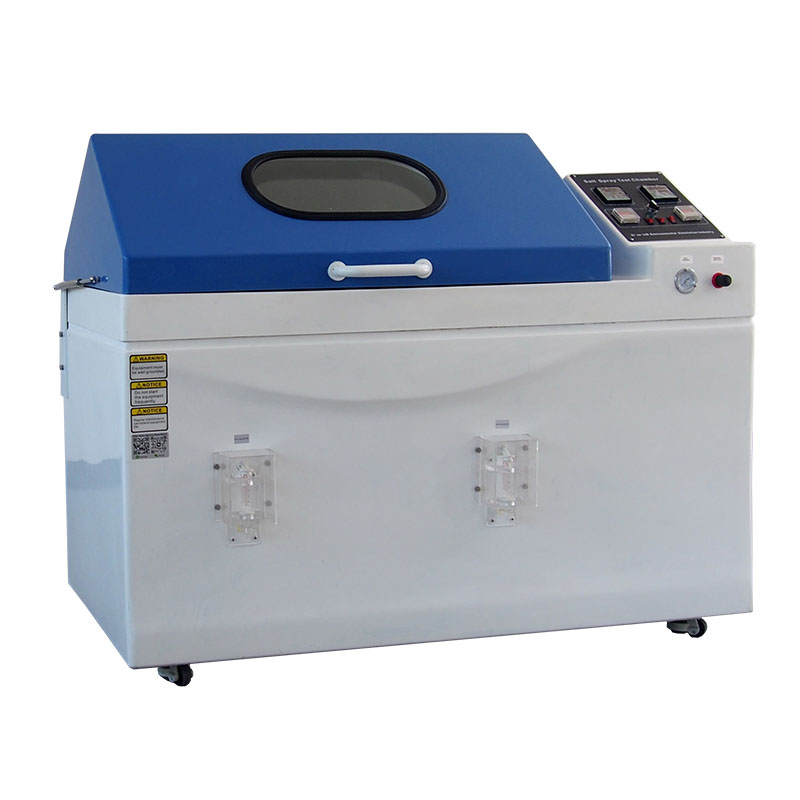
Cyclic Salt Spray Corrosion Chamber Realistic Wet-Dry Corrosion Simulation, Accelerated Corrosion Testing for Long-Term Durability | ASTM B117 Basic Fog Corrosion Salt Spray Test Cabinet Reliable Salt Fog Exposure Testing, Accurate Corrosion Resistance Evaluation | Salt Spray and Sulfur Dioxide Climatic Chamber Simulate Acid Rain and Industrial Pollution, Advanced SO₂ Corrosion Testing Solution | Walk-in Salt Spray Corrosion Chamber Large-Capacity Corrosion Testing Space, Ideal for Oversized Components and Assemblies |
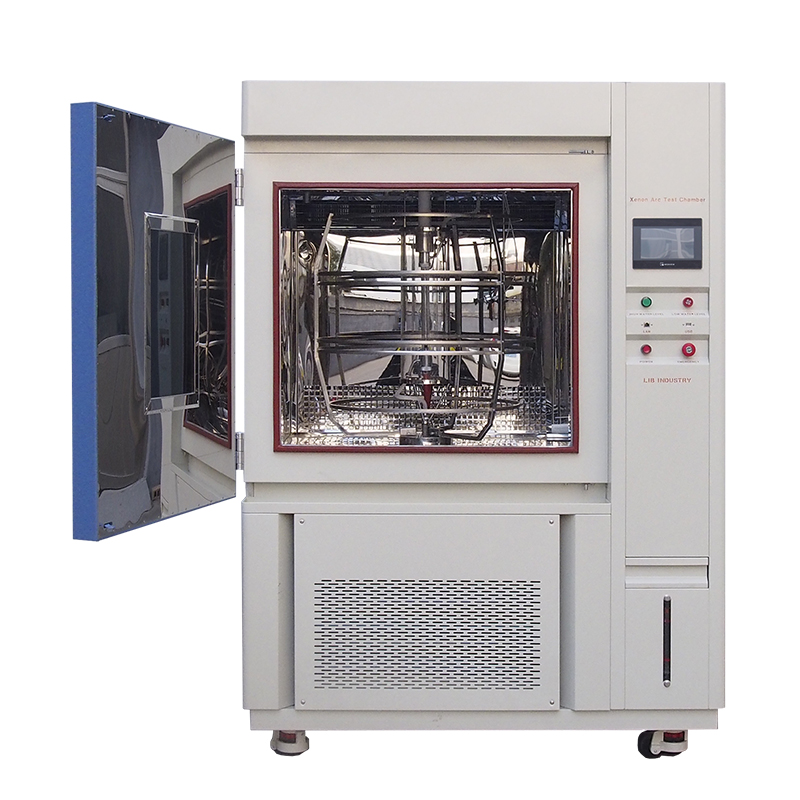 | 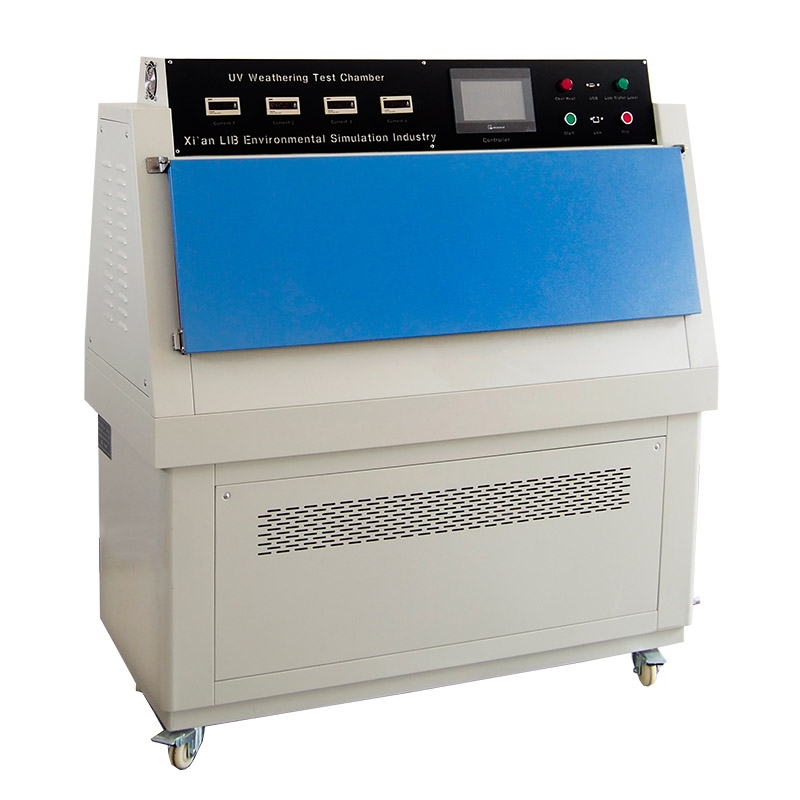 | 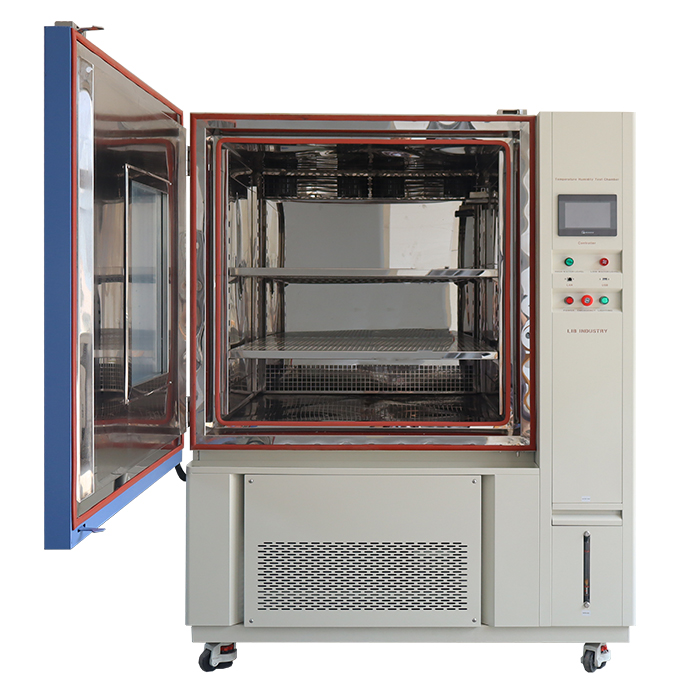 | 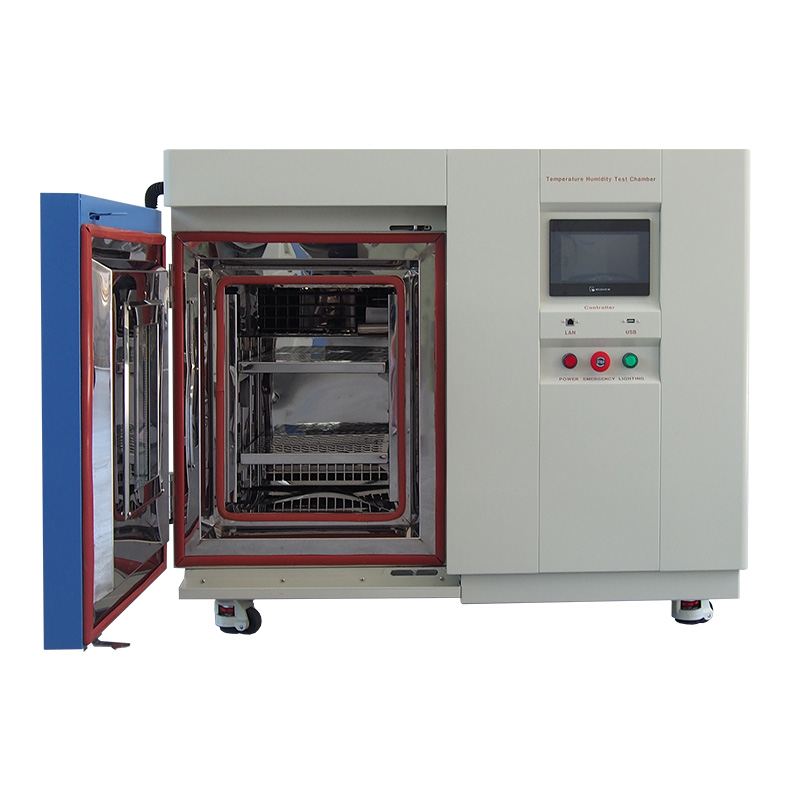 |
ASTM G155 G151 Accelerated Weathering Xenon Test Apparatus Full-Spectrum Sunlight Simulation, Accelerated Outdoor Weathering Analysis | UVA 340 Fluorescent Lamp Light Fastness Test Instrument Precise UV Aging Performance Testing, Reliable Material Durability Verification | Temperature Humidity Test Chamber Stable Environmental Conditioning, Accurate Temperature and Humidity Control | Compact Mini Temperature Stability Climatic Test Chamber Space-Saving Laboratory Solution, High-Precision Climate Simulation in a Compact Design |
Handle each specimen gently once you open the chamber. Finishing and Coating describes the accepted sequence: remove the specimen with as little handling as possible, rinse it in deionized water at a temperature not greater than 100°F, dry it with compressed air, and avoid scrubbing unless everyone involved agrees. GPI Labs adds that ASTM B117 permits a gentle wash or dip in clean running water no warmer than 38 °C, followed by immediate drying, unless your procedure specifies otherwise.
Plan the follow-up work before the b117 run ends. GPI Labs lists photography, visual examination, cleaning, coating removal, scribe measurement, adhesion testing, and other assessments within the test scope. Decide which of these your specification requires, and assign each one to a person. A rushed rinse or a delayed photograph can erase the evidence your salt spray test was designed to produce.
Rate the damage against your product specification, not against a general impression. Examine scribes, edges, and flat faces separately, because each area corrodes at a different rate. Record the type of attack you observe, such as red rust, white rust, blistering, or undercutting from a scribe. Note where each defect appears on the specimen map.
Keep the rating consistent across the astm b117 testing batch. Use the same lighting, the same magnification, and the same inspector for every panel. Photograph each specimen beside a label with its ID and exposure time. Compare the results with your acceptance limits, then state plainly whether the part passes. The astm b117 standard governs how you ran the exposure; your specification decides what the corrosion means.
You should treat a salt spray test as a screening tool, not a service-life forecast. The salt spray test standard itself indicates there is no direct correlation between salt spray and real-world performance, as Cynthia L. Meade notes on Finishing.com. Ted Mooney makes the point sharply on the same forum: a finish lasting only 48 hours in the cabinet might easily outlast another finish that survived 192 hours of salt spray. Harold D. Hilton warns that some ASTM B117-type methods even show an inverse correlation with outdoor exposure, which can produce a false pass and poor material selection.
The reason is mechanism. Sundial Powder Coating explains that the chamber applies one constant stress, warm salt fog, while field service combines UV radiation, temperature cycling, wet-dry cycling, pollutants, mechanical damage, and biological growth. The Heresite technical page adds that decades of research show little statistical correlation between ASTM B117 results and actual atmospheric corrosion performance. More hours do not guarantee longer service life. The CoatingsTech article from the American Coatings Association calls continuous fog testing useful for benchmarking but a poor real-world simulation.
Switch methods when your product faces a mixed or chemically specific environment. The CoatingsTech article recommends augmenting neutral salt spray with cyclic tests such as ASTM D5894, ASTM G85, SAE J2334, and ISO 11997. SAE J2334 is well regarded for vehicle corrosion; its cycle runs 6 hours of humidity at 50°C and 100% RH, 15 minutes of salt application, then 17.75 hours of drying at 60°C and 50% RH, per Sundial Powder Coating. ISO 12944-9 offers another cyclic route for protective coatings.
For specific chemistries, WMTR lists targeted options. ASTM G85 Annex 4 adds SO2 to represent industrial areas, and Annex 3 uses synthetic sea salt at pH 2.8 to 3.0 for marine coatings. Micomlab notes that ASTM G85 builds on B117 with lower pH or alternating atmospheres. High humidity testing suits passivation comparisons, and alternate immersion testing investigates stress corrosion cracking in alloys. Any astm b117 vs. iso 9227 comparison or iso 9227 vs astm b117 decision still leaves you with a constant-fog method, so choose cyclic testing when realism matters most.
Build a service plan around your salt spray test chamberand follow it without shortcuts. Autotechnology.com describes scheduled preventive maintenance that inspects, cleans, adjusts, and replaces worn components before they cause downtime. Associated Environmental Systems recommends cleaning after every test period, quarterly and annual maintenance checks, and a performance run before each test. Rinse internal surfaces with warm water to stop salt build-up, and never use abrasives or solvents on acrylic. Drain the test compartment often and confirm all three drain valves sit fully closed.
Schedule chamber calibration annually with a trained technician, as Associated Environmental Systems advises. Torontech.com outlines what a full check covers: temperature mapping at 35 °C ± 2 °C across all racking positions, deposition funnels reading 1.0 to 2.0 mL per hour over 16 hours, hydrometer readings of 1.0255 to 1.0400 at 25 °C, and pH meter buffers at 4.0, 7.0, and 10.0. Autotechnology.com calibrates exposure-zone temperature, bubble-tower temperature, and pressure separately. This guide to salt spray testing: standards, sop, calibration & roi treats those records as the backbone of a defensible b117 run. Learn how to calibrate a salt spray chamber once, then repeat the same sequence every year.
Most faults trace back to salt deposits or air supply. ITM-LAB lists the usual symptoms and their fixes:
Fault | Likely Cause | Fix |
|---|---|---|
Weak or no spray | Clogged nozzle, low solution, faulty pump | Clean nozzle, refill 5% NaCl, check pump |
Uneven fog | Misaligned nozzle, blocked vents, poor racking | Realign nozzle, clear vents, respace samples |
Temperature drift | Bad sensor, damaged heater, worn door seal | Replace sensor, heater, or seal |
Salt crystallization | Evaporation deposits | Flush weekly with distilled water |
Clean a clogged atomizer by unscrewing the outer nozzle, keeping the loose spray tip and gasket safe, then soaking it in warm water, per Associated Environmental Systems. For pH drift, recalibrate the meter and remix the solution. Uneven fog often reflects low air pressure, so set it to the recommended level. LIB Industry supports its salt spray corrosion test chambers with installation, training, and after-sales service, which helps you resolve faults fast. A steady maintenance habit protects every corrosion result your salt spray chamber produces.
You now have a repeatable path through the b117 workflow:
Set the conditions.
Prepare the specimens.
Load the chamber.
Run the exposure.
Evaluate the results.
Each stage builds on the one before it. The astm b117 salt spray test procedure tells you how to run the apparatus. Your product specification decides whether the corrosion you observe counts as a pass. Keep those two roles separate.
Document every condition in your run log. Follow the calibration schedule without gaps. A disciplined b117 run gives you results you can trust and repeat. Treat the astm b117 salt spray test as your operating rulebook, and let your specification deliver the verdict.
Your product specification sets the duration. B117 itself fixes no hours. Thin decorative platings often run 24 to 96 hours, while heavy marine coatings reach 500 to 2000 hours. Set the hours before loading, then record them in the b117 run log.
No. ASTM B117 defines apparatus operation and test conditions only. Your product or coating specification supplies the acceptance limits. Rate the corrosion you observe against those limits, then state the verdict yourself.
Recalibrate the pH meter first, then remix the solution with fresh ASTM D1193 Type IV water. Verify the reading at 23 ± 3 °C before you restart the b117 run. A drifting pH changes the attack rate and weakens comparison between runs.
ASTM B117 requires at least two collectors in the exposure zone. Read them daily. Each funnel must capture 1.0 to 2.0 mL per 80 cm² per hour across a 16-hour period. A wide gap between collectors points to uneven fog, so check nozzle alignment before adjusting anything.
The standard practice sets panels 15° to 30° from vertical. A flatter panel pools solution and exaggerates attack; a fully vertical panel may collect too little fog. Keep the angle identical across specimens so your b117 results stay comparable, and log any corrosion at scribes and edges separately.
✓ 3-Year Warranty and Lifetime Technical Support for dependable equipment operation and long-term support
✓ Fast Delivery in 7–15 Days for selected models to help reduce project lead times
✓ Stable Temperature Control at 35°C ± 2°C for consistent salt spray testing conditions
✓ Accurate Salt Fog Deposition of 1–2 mL/80 cm²·h to maintain uniform exposure
✓ Multiple Testing Modes including neutral salt spray, acidified salt spray, cyclic corrosion, and SO₂ corrosion testing
✓ Flexible Chamber Sizes and Customized Configurations for automotive parts, metal components, protective coatings, fasteners, and other specimens
✓ 24/7 English Technical Support for installation, operation, troubleshooting, and maintenance
Whether you need standard salt spray testing for coating evaluation or cyclic corrosion testing to simulate changing environmental conditions, LIB Industry provides suitable equipment based on your specimens, test cycles, and applicable standards.
Explore LIB Industry's range of Basic Salt Spray Test Chambers, Cyclic Salt Spray Corrosion Chambers, and Salt Spray and Sulfur Dioxide Climatic Chambers. From continuous salt fog exposure to programmable wet-dry cycles and SO₂ corrosion testing, LIB offers equipment for different corrosion testing requirements. Contact our team today to discuss your project and receive a customized testing solution within 24 hours.