Views: 0 Author: LIB Team Publish Time: 2026-11-04 Origin: Site


A car door panel can look perfect when it leaves the factory and still bubble under the paint after two winters of road salt. A steady salt fog test often misses this problem, because real roads are wet, then humid, then dry, again and again. Labs that pick the wrong test equipment get results that look good on paper and fail on the road.
Urquhart, a UK customer using LIB Industry's cyclic corrosion test chamber, shared positive feedback after six months of use: "We have been running the machine for a month at a time over the past 6 months and found no issues other than those previously discussed. I'm just starting another 1 month test which I'm sure will go to plan. Everything seems to be running well and the machine is performing as expected." This feedback highlights the cyclic corrosion test chamber's reliable performance during repeated month-long tests and its continued operation over six months.
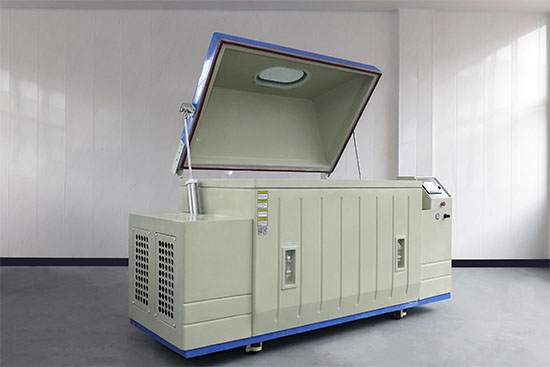
This article recommends the best cyclic corrosion test chambers from LIB Industry for automotive labs, explains which standards matter most, and shows how to match the right model to your parts.
Steady salt spray is useful for quick checks, but it keeps samples wet the whole time. Cars do not live that way. They get splashed with salt, sit in humid garages, then dry out in the sun. Cyclic testing copies that pattern by putting salt fog, high humidity, temperature change and drying into one automated program. Coating cracks, edge rust and creep under paint show up much faster and look much closer to real field damage. For body panels, brake parts, fasteners and underbody brackets, this difference decides whether a part passes or goes back to the design team.
Automotive buyers rarely follow just one rule. A good cyclic corrosiontest chamber should handle the standards below, and the LIB Industry cyclic test chamber supports all of them without any hardware change.
Standard | Test Requirements |
|---|---|
IEC 60068-2-52 | Cyclic salt mist testing for electronic components and equipment, involving salt mist, dry and humid exposure stages. |
ASTM G85 | Modified salt spray testing, including cyclic salt fog/dry exposure and acidified salt spray methods. |
LV 124 K-06 | Automotive electronic component testing, including 8 hours of salt spray at 35°C followed by 4 hours of rest. |
ASTM D5894 | Cyclic corrosion testing of painted metal, combining salt fog, drying, and condensation. |
On top of these, carmakers such as VW, Ford, Toyota, Honda, BMW, Audi, Volvo and Renault publish their own procedures. For LV 124 K-06, parts under the floor or in the engine bay run 12 cycles, and other parts run 8.
LV 124 K-06 shows how demanding a proper cycle is. It is the operating exterior salt spray test for electronic parts in passenger cars, and the parts stay powered on while salt fog hits them.
| Base method | IEC 60068-2-11 |
| Test temperature | 35°C |
| Salt solution | 5% NaCl at pH 6.5 to 7.2 |
| Fog deposition | 1 to 2 mL per 80 cm² per hour |
| Spray phase | 8 h |
| Rest phase | 4 h |
| One full cycle | 12 h |
| Underbody and engine bay parts | 12 cycles (144 h) |
| All other exterior parts | 8 cycles (96 h) |
| Parts tested | 6 samples |
The component must remain fully functional before, during and after the test. This makes stable test conditions especially important. LIB Industry's cyclic corrosion test chamber provides temperature control with ±0.5°C fluctuation and adjustable salt fog deposition of 1–2 mL/80 cm²·h. These features help maintain consistent testing conditions throughout extended corrosion tests. Proper specimen positioning and salt deposition checks are also essential to ensure reliable results.
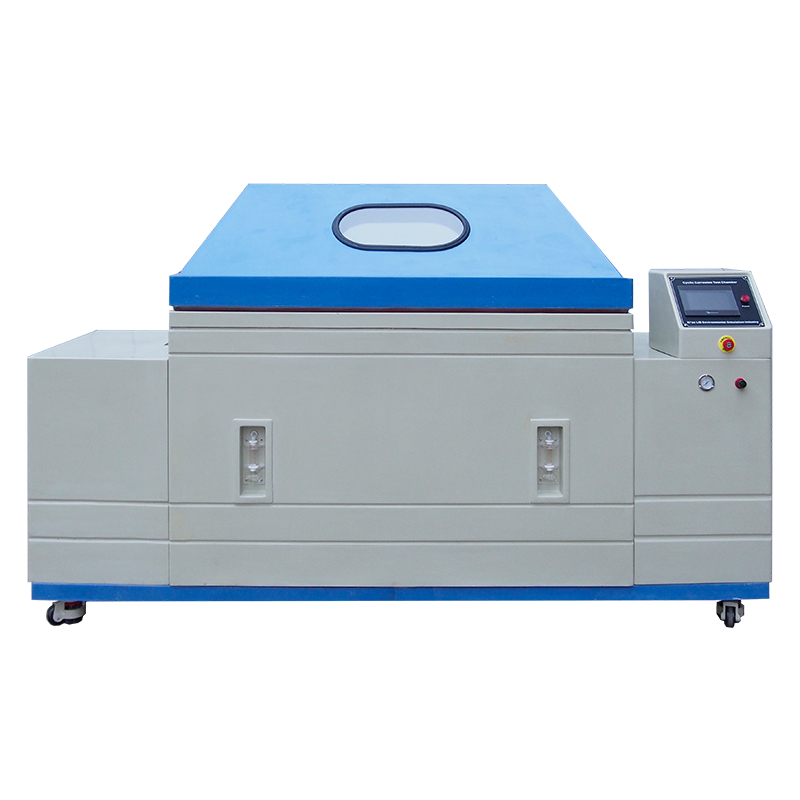
All three models of the Automotive Corrosion Cycle Test Chamber share a temperature range of 10°C to 90°C and a humidity range of 30% to 98% RH.
 | |||
| Model | SC-010 | SC-016 | SC-020 |
| Internal dimensions (mm) | 1300*1000*600 | 1600*900*720 | 2000*1000*800 |
| Overall dimensions (mm) | 2000*1300*1600 | 2300*1300*1700 | 2700*1300*1900 |
| Interior Volume (L) | 780 | 1280 | 1800 |
| Temperature Range | +10 ℃ ~ +90 ℃ | ||
| Temperature Fluctuation | ± 0.5 ℃ | ||
| Temperature Deviation | ± 2.0 ℃ | ||
| Humidity Range | 30% ~ 98% RH | ||
| Humidity Deviation | + 2%, - 3% | ||
| Salt Fog Deposition | 1~2ml / 80cm2 · h | ||
| Cooling system | Mechanical compression refrigeration system | ||
| Humidifier | External isolation, stainless steel surface evaporation humidifier | ||
| Water supply system | Water purification system | ||
| Air Preheating | Saturated air barrel (31Liter) | ||
| Spraying System | Atomizer tower and Spray nozzles | ||
| Salt Fog Collected | Fog collector and fog measure cylinder | ||
| Controller | Programmable color LCD touch screen controller, Ethernet connection | ||
| Air Circulation | Centrifugal wind fan | ||
| Safety Device | Humidifier Dry-combustion Protection; Over-temperature Protection; Over-current Protection; | ||
| Water Shortage Protection; Earth leakage Protection | |||
| Material | Glass fiber reinforced plastics | ||
| Standard Configuration | 8 round bars | ||
If your parts are large or you test in batches, go one size up. 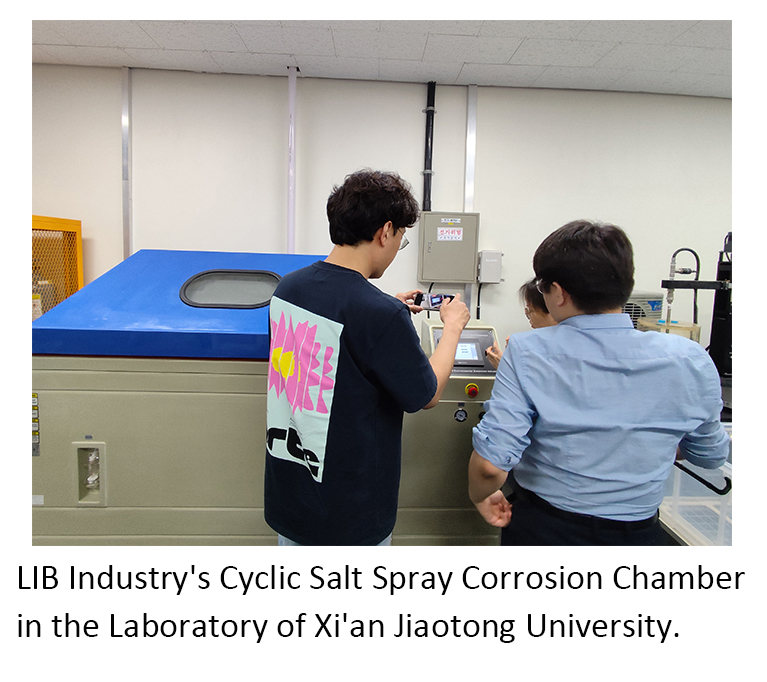 A crowded test chamber weakens fog coverage and spoils results. LIB Industry builds custom sample racks and fixtures at no extra charge, so odd part shapes are not a problem.
Programs connect by Ethernet, so a lab can save IEC 60068-2-52, ASTM G85 and LV 124 K-06 routines side by side and switch in minutes. Safety protection covers over-temperature, water shortage, over-current, earth leakage and humidifier dry-burn, so multi-day unattended runs stay safe.
The choice comes down to one question. Does your part face constant wet salt, or does it face changing weather? A basic salt spray test chamber keeps parts wet in steady fog, which suits quick checks and plain pass or fail reports. A cyclic corrosion test chamber moves parts through salt, humidity and drying, which suits parts that spend their life on real roads.
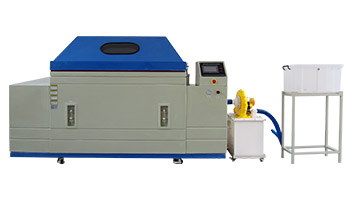
The poster shows the biggest difference, and it is how humidity is controlled. A basic test chamber holds humidity fixed at 95% to 98% RH, because fog keeps the air wet all the time. A cyclic test chamber controls humidity from 30% to 98% RH, so it can run a wet phase and then dry the parts out. The standards follow the same split, and the table below shows the numbers side by side.
|
| |
|---|---|---|
| Models | S-150 at 110 L, S-250 at 320 L, S-750 at 410 L | SC-750 at 410 L, SC-010 at 780 L, SC-016 at 1280 L, SC-020 |
| Temperature range | Ambient to +60°C | +10°C to +90°C |
| Humidity control | Fixed at 95% to 98% RH | Programmable from 30% to 98% RH |
| Spray mode | Continuous or periodic | Salt spray, dry and humidity phases |
| Fog deposition | 1 to 2 mL per 80 cm² per hour | 1 to 2 mL per 80 cm² per hour |
| Temperature fluctuation | ±0.5°C | ±0.5°C |
| Standards and key values | ASTM B117,ISO 9227 | ASTM G85, SAE J2334, LV 124 K-06, IEC 60068-2-52 |
| Best for | Fasteners, plated parts, paint checks | Body panels, coated steel, electronics |
If you only need a steady salt fog report for ASTM B117 or ISO 9227, a basic test chamber saves money and space. If your customers ask for SAE J2334, ASTM G85, LV 124 or IEC 60068-2-52, you need a cyclic test chamber, because a basic one cannot dry the samples or change the humidity. Many labs buy both, using the basic type for daily batch checks and the cyclic type for final qualification.
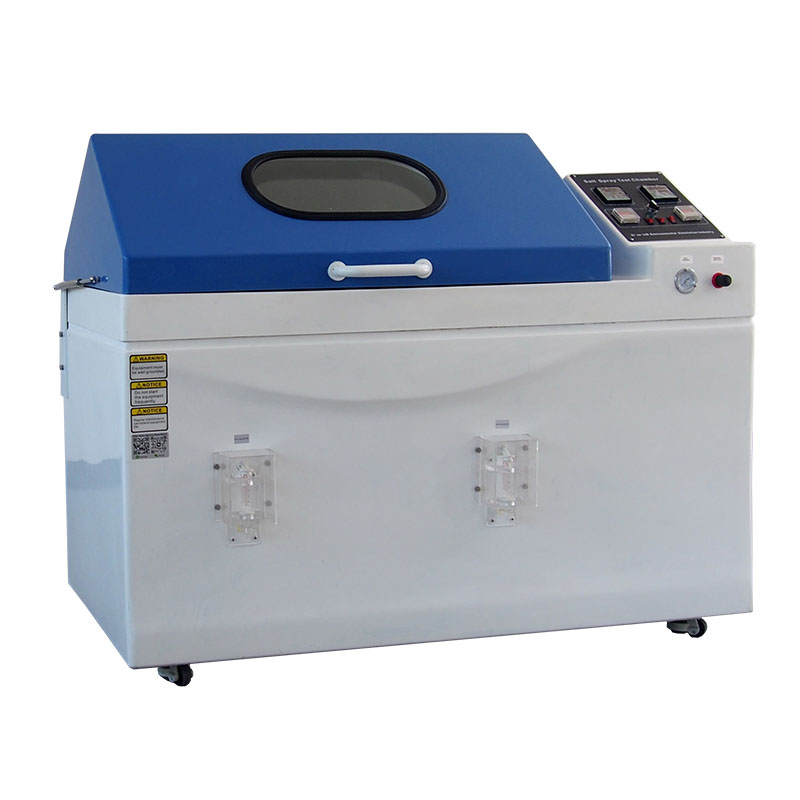
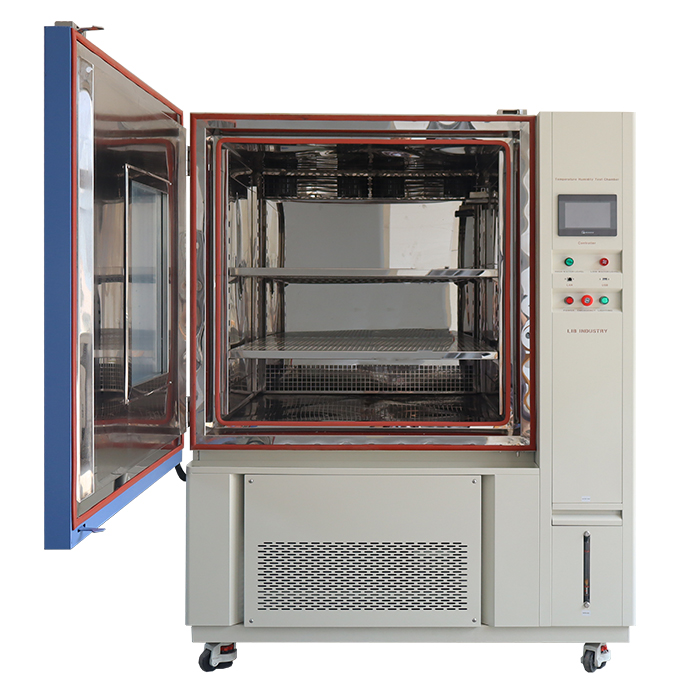
| LIB Industry's Popular Environmental Chamber for Automotive Test | |||
 |  |
| 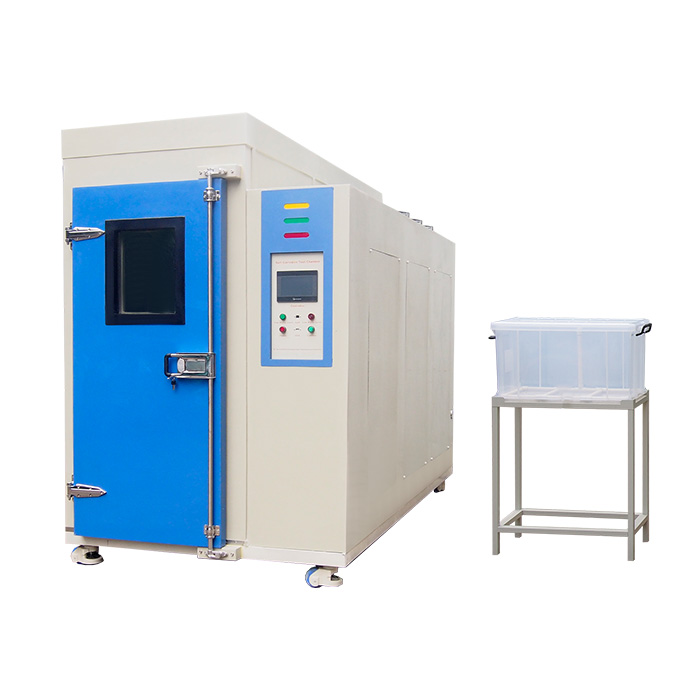 |
Cyclic Salt Spray Corrosion Chamber Realistic Wet-Dry Corrosion Simulation, Accelerated Corrosion Testing for Long-Term Durability | ASTM B117 Basic Fog Corrosion Salt Spray Test Cabinet Reliable Salt Fog Exposure Testing, Accurate Corrosion Resistance Evaluation | Salt Spray and Sulfur Dioxide Climatic Chamber Simulate Acid Rain and Industrial Pollution, Advanced SO₂ Corrosion Testing Solution | Walk-in Salt Spray Corrosion Chamber Large-Capacity Corrosion Testing Space, Ideal for Oversized Components and Assemblies |
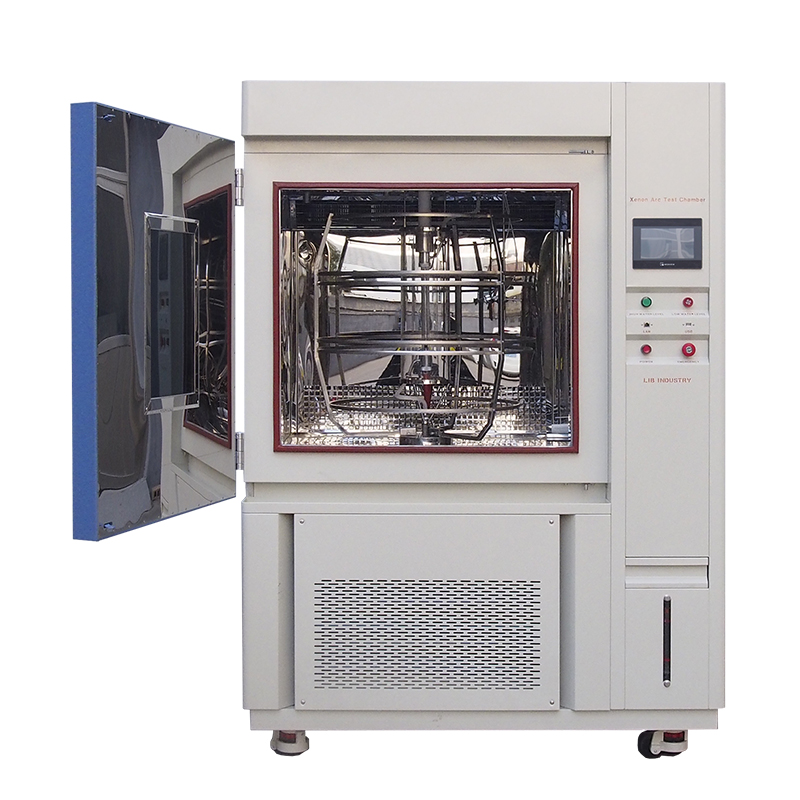 | 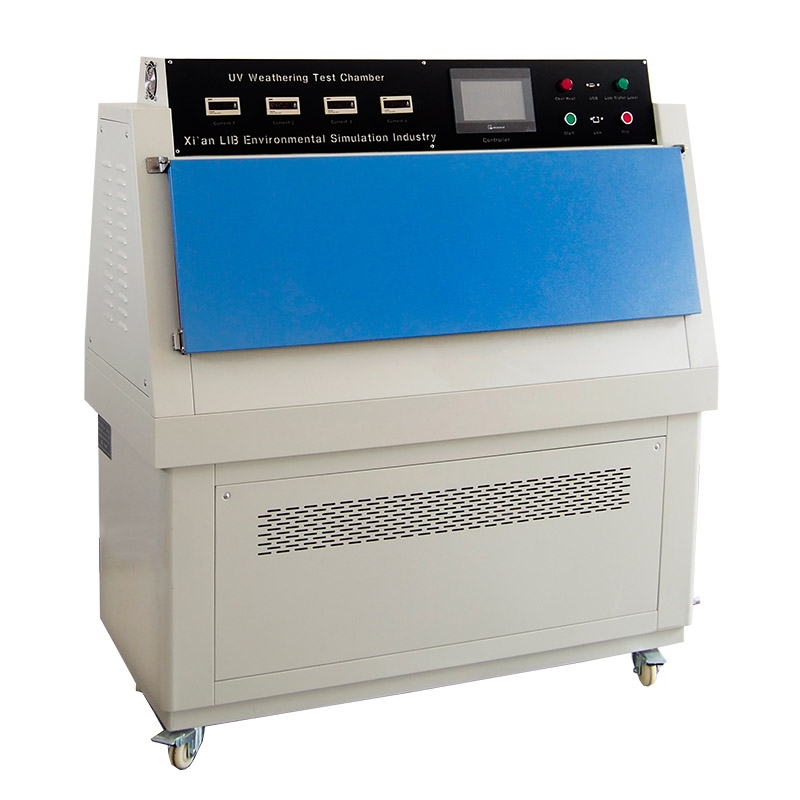 |  | 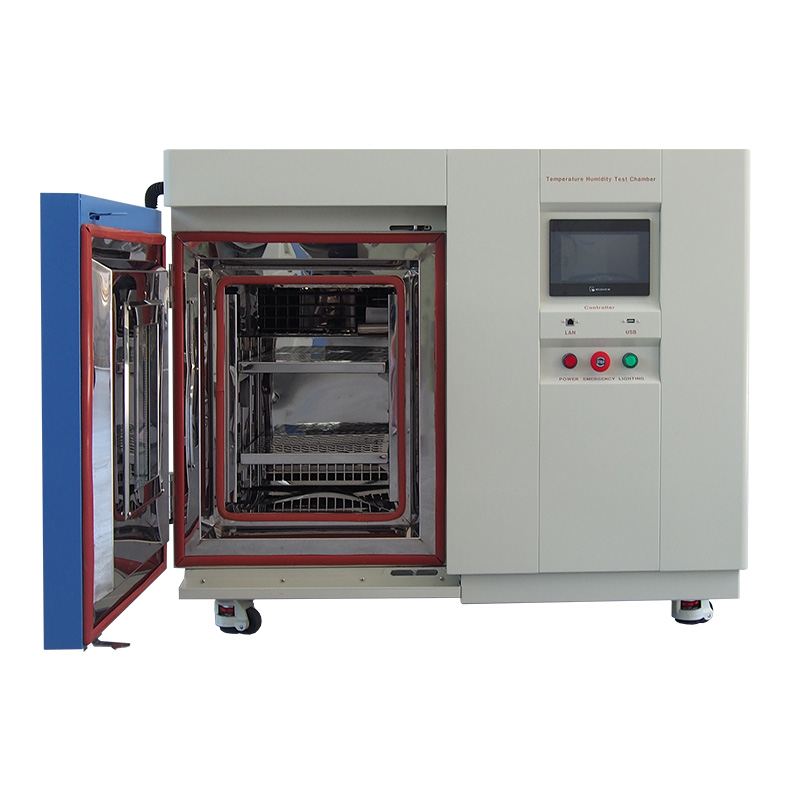 |
ASTM G155 G151 Accelerated Weathering Xenon Test Apparatus Full-Spectrum Sunlight Simulation, Accelerated Outdoor Weathering Analysis | UVA 340 Fluorescent Lamp Light Fastness Test Instrument Precise UV Aging Performance Testing, Reliable Material Durability Verification | Temperature Humidity Test Chamber Stable Environmental Conditioning, Accurate Temperature and Humidity Control | Compact Mini Temperature Stability Climatic Test Chamber Space-Saving Laboratory Solution, High-Precision Climate Simulation in a Compact Design |
Q1: Which Cyclic Corrosion Test Chamber do I need for SAE J2334?
You need a cyclic corrosion test chamber. SAE J2334 uses a 24 hour cycle with a humid phase at 50°C and 100% RH and a dry phase at 60°C and 50% RH, and it runs at least 60 cycles.
Q2: Can one Cyclic Corrosion Test Chamber run several standards?
Yes. The controller stores 120 programs with 100 steps each, so you can save ASTM G85, LV 124 K-06 and IEC 60068-2-52 routines side by side and switch between them without changing hardware.
Q3: How do I choose the right size of the Cyclic Corrosion Test Chamber?
Pick the size by your biggest part and your batch load. If parts are large or you test in batches, go one size up, because a crowded test chamber weakens fog coverage and spoils results.
Q4: What support comes with the Cyclic Corrosion Test Chamber?
Every Cyclic Corrosion Test Chamber includes a 3-year warranty, lifetime technical support, 24/7 English service and free custom sample racks. Key spare parts ship within 7 to 15 days, and custom sizes add more days.
✓ 3-year warranty and lifetime technical support for reliable long-term equipment operation
✓ Fast delivery in 7–15 days for selected models, helping reduce project lead times
✓ Precise temperature control with ±0.5°C temperature fluctuation for stable corrosion testing
✓ Wide temperature and humidity control from +10°C to +90°C and 30% to 98% RH for different cyclic corrosion conditions
✓ Accurate salt fog deposition of 1–2 mL/80 cm²·h for consistent salt spray exposure
✓ Flexible chamber sizes and custom fixtures to accommodate automotive body panels, electronic components, fasteners, connectors, and other parts
✓ 24/7 English technical support for installation, operation, troubleshooting, and maintenance
Whether you test automotive body panels, underbody components, electrical connectors, coated steel, or electronic parts, LIB Industry provides cyclic corrosion testing solutions tailored to your specimen size, test cycles, and applicable standards.
Explore LIB Industry's range of Cyclic Salt Spray Corrosion Chambers, Basic Salt Spray Test Chambers, and Salt Spray and Sulfur Dioxide Climatic Chambers. From continuous salt fog exposure to cyclic corrosion and SO₂ testing, our team can recommend suitable equipment based on your components, testing requirements, and industry standards. Contact LIB Industry to discuss your automotive corrosion testing project and receive a customized chamber solution.