


In modern laboratories and manufacturing facilities, ensuring that products perform reliably under extreme environmental conditions is a critical challenge. From electronics exposed to heat and humidity, to materials tested for durability, accurate simulation of real-world conditions is essential for quality assurance and research.
Benchtop environmental chambers offer a compact and affordable solution for simulating extreme temperatures and humidity for testing smaller products in labs with limited space. Their user-friendly design and wide range of applications make them a valuable tool. However, their smaller size translates to limitations in the capacity and range of conditions they can achieve, and the uniformity of these conditions may not be as precise as in larger chambers.
Design and Construction
Material Selection
The design and construction of benchtop environmental chambers prioritize functionality and user needs.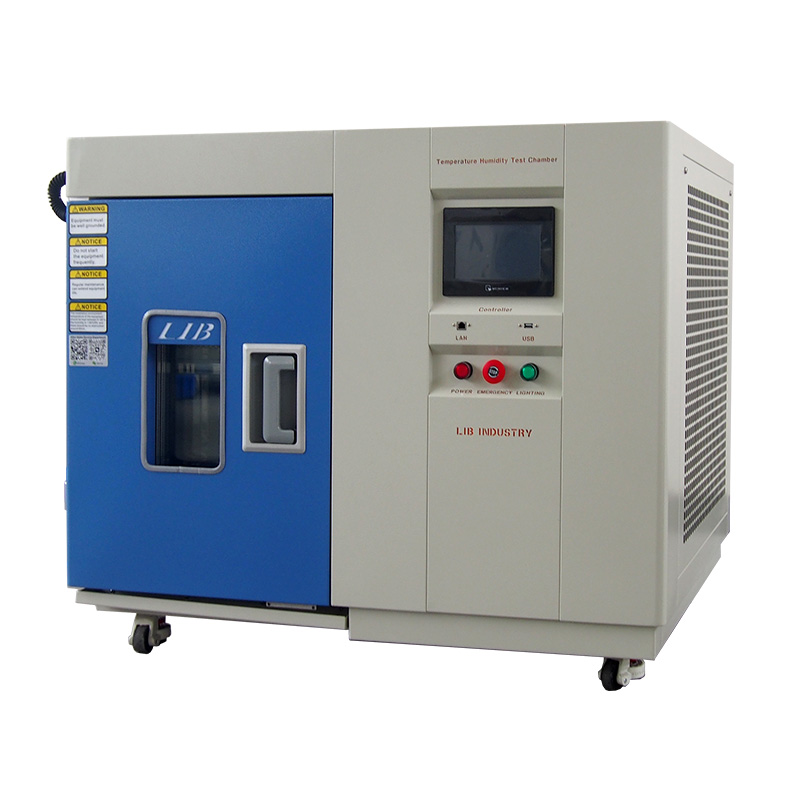 Material selection plays a key role, with stainless steel favored for the interior due to its durability, resistance to corrosion at temperature and humidity extremes, and ease of cleaning. For the exterior, a balance is struck between cost and performance. Painted steel offers superior strength and longevity, while ABS plastic provides a lighter and more budget-friendly option. High-quality closed-cell polyurethane foam insulation is vital throughout the chamber to ensure consistent temperatures, minimize energy use, and optimize performance.
Portability and Dimensions
Benchtop environmental chambers are designed for portability and ease of use in lab settings. Their compact size, typically ranging from 20 to 100 liters in volume, allows them to fit comfortably on lab benches and facilitates movement. To further enhance portability, the overall weight is kept manageable for one or two people to relocate. This is achieved through the use of lightweight materials and efficient design. Additionally, at least one access port with a secure seal is incorporated to enable the placement of test items and the running of cables inside the chamber.
Temperature and Humidity Range
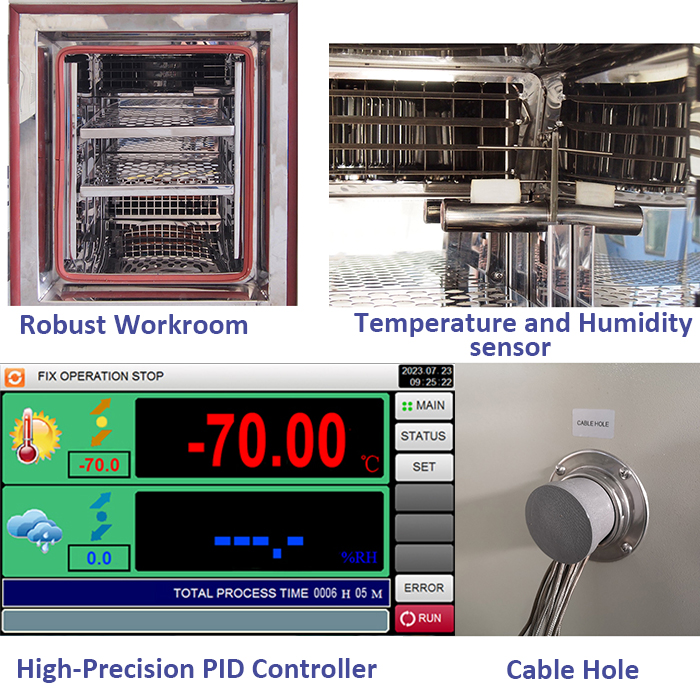
The temperature and humidity ranges offered by benchtop chambers cater to various testing needs. While the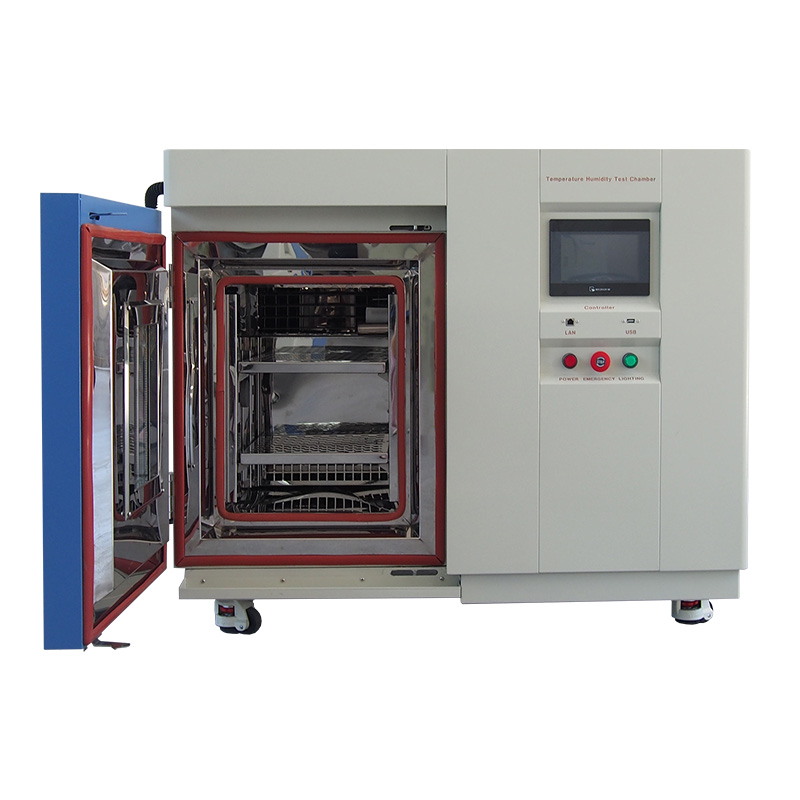 ideal range depends on the specific application, many chambers boast a versatile temperature spectrum of -70°C to 180°C, allowing for simulations of both extreme cold and heat. Some specialized models may focus on even higher or lower temperatures. Humidity control systems also exhibit variability. Simpler chambers might provide a basic range, like 20% to 80% relative humidity, which may be sufficient for certain tests. However, more advanced models can achieve a significantly wider and more precise humidity range, offering greater flexibility for diverse testing requirements.
Sensors and Accuracy
Ensuring precise environmental control within the chamber relies on a well-coordinated interplay between sensors and a sophisticated control system. Accurate temperature sensors, often platinum resistance thermometers (PRTs), meticulously monitor the chamber's temperature. Humidity levels are likewise measured using capacitive or resistive sensors. A microprocessor-based control system forms the brain of this operation. It continuously analyzes sensor data and makes real-time adjustments to heating, cooling, and humidification elements. This ensures the desired conditions are maintained with high accuracy, typically within a tight range of +/- a few degrees Celsius for temperature and +/- a few percent relative humidity.

Applications
Benchtop environmental chambers find applications across various scientific and industrial disciplines due to their ability to simulate diverse environmental conditions.
Electronics Testing
These chambers are instrumental in ensuring the reliability and functionality of electronic components. By subjecting them to extreme temperatures and humidity levels, manufacturers can identify potential weaknesses and ensure the electronics perform as expected in real-world scenarios.
Material Durability Testing
The ability to simulate harsh environments makes benchtop chambers ideal for testing the durability of materials. This can include anything from building materials assessed for weather resistance to packaging materials evaluated for their ability to withstand temperature fluctuations during transport.
Biological Research
Life science research often requires precise control of temperature and humidity for cell cultures, organisms, or other biological samples. Benchtop chambers provide a controlled environment to study the effects of these factors on biological processes.
Advantages and Disadvantages
Advantages
Benchtop environmental chambers offer several advantages that make them a popular choice for various
testing needs:
A Solution for Limited Space
Their compact size is a major advantage, especially in labs with limited space. They can easily fit on a lab bench, freeing up valuable floor space for other equipment.
Perfect for Testing Small Samples
The smaller chamber volume is perfectly suited for testing smaller products or samples. This makes them more economical for situations where large-scale testing is not necessary.
Budget Considerations
Compared to larger environmental chambers, benchtop models are more cost-effective. They offer the necessary functionality and precision for many applications at a fraction of the cost, making them an attractive option for budget-conscious labs.
Energy Efficiency
The smaller size translates to lower energy consumption. The high-quality insulation used in these chambers further enhances energy efficiency by minimizing heat transfer. This translates to cost savings on electricity bills over time.

Disadvantages
Can Only be Used to Test Small Samples
The smaller size restricts them to testing small samples, and the temperature and humidity ranges they offer may not be as extreme or as uniformly maintained throughout the chamber compared to larger models. Additionally, some functionalities like vibration testing or light control, which might be present in bigger chambers, are often absent in benchtop versions. Finally, their limited capacity makes them less suitable for situations where testing needs might expand in the future, requiring accommodation of larger samples or increased testing volume.
Common Technical Issues
Benchtop environmental chambers, like any machine, are susceptible to technical issues. Fluctuations in temperature or humidity can arise from inaccurate sensor readings, malfunctioning heating/cooling elements, or problems with the insulation. Faulty sensors themselves can provide misleading data, causing the control system to stray from the desired conditions. A worn or damaged door seal can also disrupt the chamber's ability to maintain a stable environment. For chambers boasting wide temperature ranges, particularly those reaching very low temperatures, refrigeration system problems can hinder their ability to achieve or maintain desired cold temperatures. Finally, malfunctions within the control system itself can disrupt communication with sensors or heating/cooling elements, leading to inaccurate environmental control within the chamber.
Maintenance and Care
Benchtop environmental chambers require regular maintenance to ensure optimal performance and longevity. Here's a breakdown of key aspects:
Routine Checks
Maintaining optimal performance of your benchtop environmental chamber requires a commitment to routine checks. Regularly inspect the chamber inside and out, looking for any signs of damage, leaks, or debris accumulation. It's also important to monitor the sensor readings to ensure their accuracy and identify any drifts outside acceptable ranges. Finally, the door seal should be checked periodically for wear or damage. A compromised seal can significantly impact the chamber's ability to maintain consistent temperature and humidity, so replacement may be necessary to ensure proper operation.
Cleaning Procedures
- After each use, wipe down the chamber interior with a damp cloth and a mild cleaning solution suitable for stainless steel. Avoid harsh chemicals or abrasive cleaners that can damage the surface.
- Allow the chamber to dry completely before placing any items inside for testing.
- Periodically clean the condenser coils (usually located on the back or bottom of the chamber) to remove dust and debris buildup that can impede heat transfer and reduce efficiency. Use a vacuum cleaner with a soft brush attachment or compressed air to clean the coils while the power is off and the chamber is unplugged.
Troubleshooting
Benchtop environmental chambers can experience temperature or humidity fluctuations due to faulty sensors, malfunctioning heating/cooling elements, or poor insulation. Check sensor readings, listen for unusual noises from heating/cooling elements, and inspect the door seal. Similarly, issues reaching desired temperatures or inaccurate humidity levels might be caused by sensor problems, clogged reservoirs, or blocked distribution systems. Refer to the user manual for troubleshooting steps and remember to seek professional help for persistent issues or avoid disassembling the chamber yourself.

Warranty
Benchtop environmental chamber warranties typically last one year, though some manufacturers offer extended options. Warranties generally cover defects in materials and workmanship, meaning the manufacturer will fix or replace a malfunctioning chamber within the warranty period if the cause is a manufacturing error or faulty component. However, certain things are excluded, such as damage from misuse, accidents, or wear and tear. To obtain warranty service, contact the manufacturer with proof of purchase and a description of the issue. Remember to carefully read the warranty document for specifics and register your chamber if required. Regular maintenance as outlined in the user manual can help prevent problems that might fall outside warranty coverage. By understanding these aspects, you can ensure you get the most out of your benchtop environmental chamber and protect your investment.
Conclusion
Benchtop environmental chambers offer a valuable and versatile testing solution for various scientific and industrial applications. Their compact size makes them ideal for labs with limited space, and their ability to simulate diverse environmental conditions allows for testing of a wide range of products and materials. They are particularly well-suited for testing smaller samples due to their chamber volume. While they may not achieve the same extremes of temperature and humidity or offer the same level of functionality as larger chambers, their affordability and energy efficiency make them a cost-effective option for many labs. However, it's important to consider their limitations, such as restricted sample size and potential fluctuations within the chamber environment. With proper maintenance and care, benchtop environmental chambers can be a reliable tool for ensuring product quality and performance.
Contact LIB Industry today to find the right benchtop environmental chamber for your testing needs and request a quote.


