Views: 0 Author: LIB Team Publish Time: 2026-10-22 Origin: Site


Walk past a recently parked car on a damp morning, and you might notice condensation or water droplets inside its headlight housing. While slight condensation can occur under certain environmental conditions, persistent moisture or visible water accumulation may indicate a sealing or ventilation problem.
For automotive manufacturers, uncontrolled water ingress can affect lighting performance, damage electronic components, and increase warranty costs. As vehicle lighting systems become more sophisticated, reliable moisture protection has become an important part of product development and quality assurance.
Modern automotive lamps contain sensitive electronic components that must withstand rainfall, road spray, temperature changes, and vehicle washing. Manufacturers therefore rely on environmental testing equipment to identify potential sealing weaknesses before products enter mass production.
A US customer who purchased LIB Industry's IPX5 and IPX6 Water Jet Test Chamber recently shared positive feedback during a follow-up, stating, “The equipment has been working well. Thanks for your follow up.” This feedback reflects the chamber's ongoing use for water ingress testing.
This article explains how a rain test chamber supports automotive lamp waterproof validation, how IPX5 and IPX6 water jet test chamberworks, and what manufacturers should consider when selecting suitable testing equipment.
Reliable Waterproof Validation: Rain test chambers help manufacturers identify potential water ingress risks in automotive lamps, protecting electronic components and maintaining lighting performance.
Standardized IP Testing: IEC 60529 provides defined test procedures for water ingress protection, including IPX5 and IPX6 water jet testing.
Controlled Environmental Simulation: Testing equipment reproduces repeatable water exposure conditions, helping engineers evaluate sealing performance under demanding conditions.
Improved R&D Efficiency: In-house testing enables faster design adjustments, reduces dependence on external laboratories, and supports more consistent product quality.
The transition from conventional halogen headlights to advanced LED lighting systems has significantly changed automotive lamp design. Modern lighting assemblies incorporate more electronic components, making moisture protection increasingly important.
Today's headlights and taillights may contain printed circuit boards, LED arrays, electronic drivers, cooling components, and adaptive lighting control systems. These components depend on stable electrical connections and properly protected enclosures.
When moisture reaches vulnerable areas, it can cause corrosion, electrical faults, reduced illumination, or premature component failure. One common challenge involves temperature changes inside the lamp housing.
When a headlight operates, its internal temperature rises. The air inside the housing expands and may escape through designated ventilation pathways. When the lamp subsequently cools, internal pressure can decrease.
If the housing contains damaged seals, poorly fitted gaskets, or improperly protected ventilation openings, this pressure difference may contribute to moisture entering the enclosure.
However, condensation alone does not always indicate a failed seal. Engineers must distinguish temporary condensation from harmful water ingress according to the applicable product requirements.
Several areas deserve particular attention during waterproof validation:
Lens-to-housing adhesive joints
Electrical connectors and cable entry points
Ventilation membranes and pressure-equalization components
Rear covers and service openings
Mounting interfaces and sealing gaskets
Industry | Products You Can Test | Relevant Standards | |
|---|---|---|---|
Automotive | 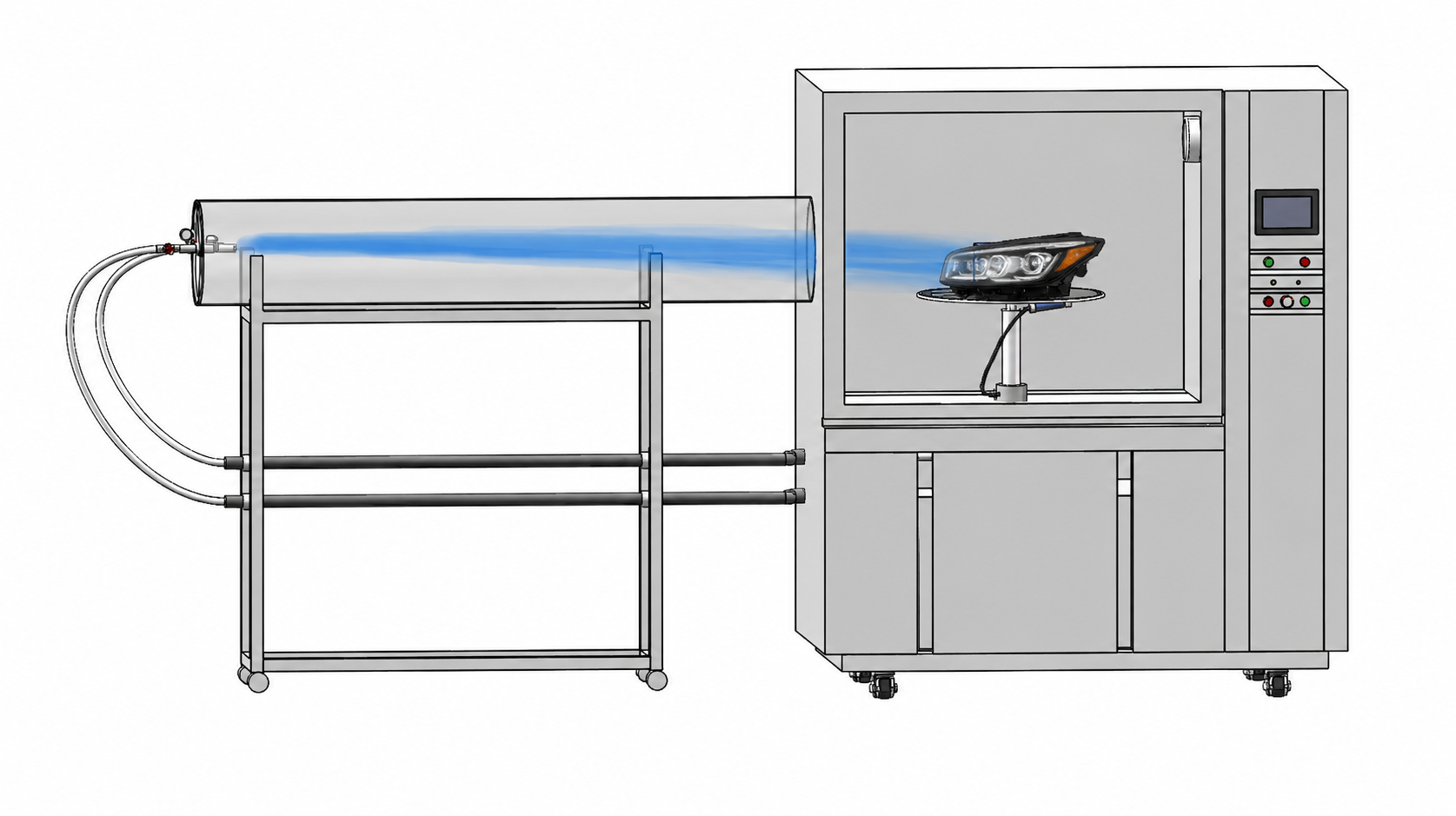 | ECUs, connectors, and automotive lights | ISO 20653, ISO 16750, LV 124, SAE J575, SAE J1455, JIS D 0203, JIS D 0207, GMW16001 |
Electronics & Electrical Enclosures | 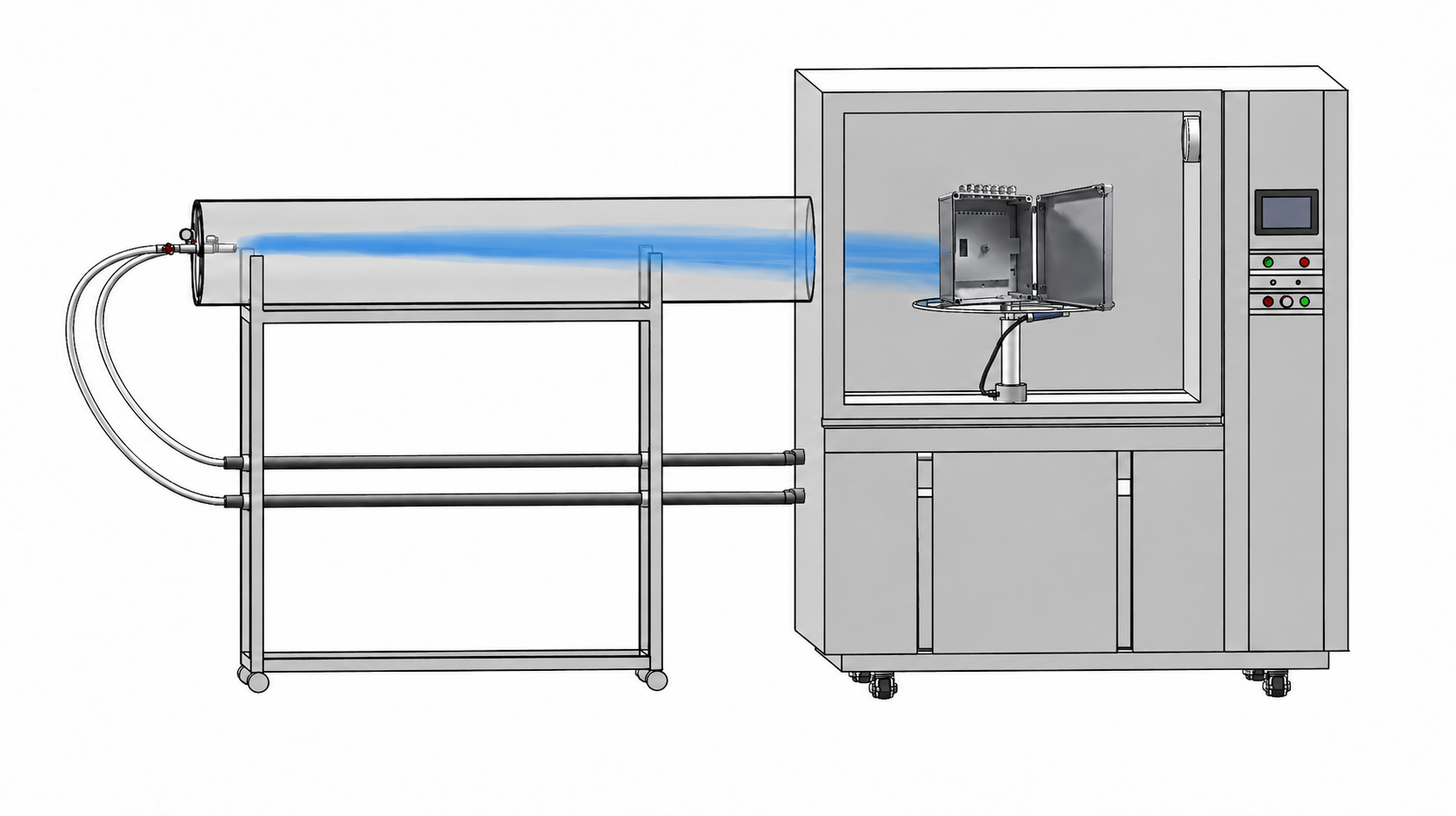 | Enclosures, housings, connectors, switches, and consumer electronics | IEC 60529 (IPX5 / IPX6), UL 50E, DIN 40050-9 |
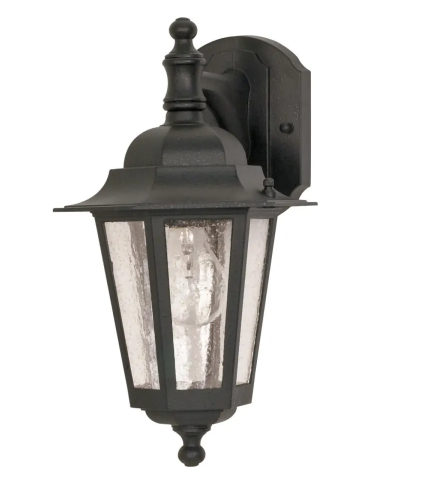 Outdoor Lighting and Equipment | 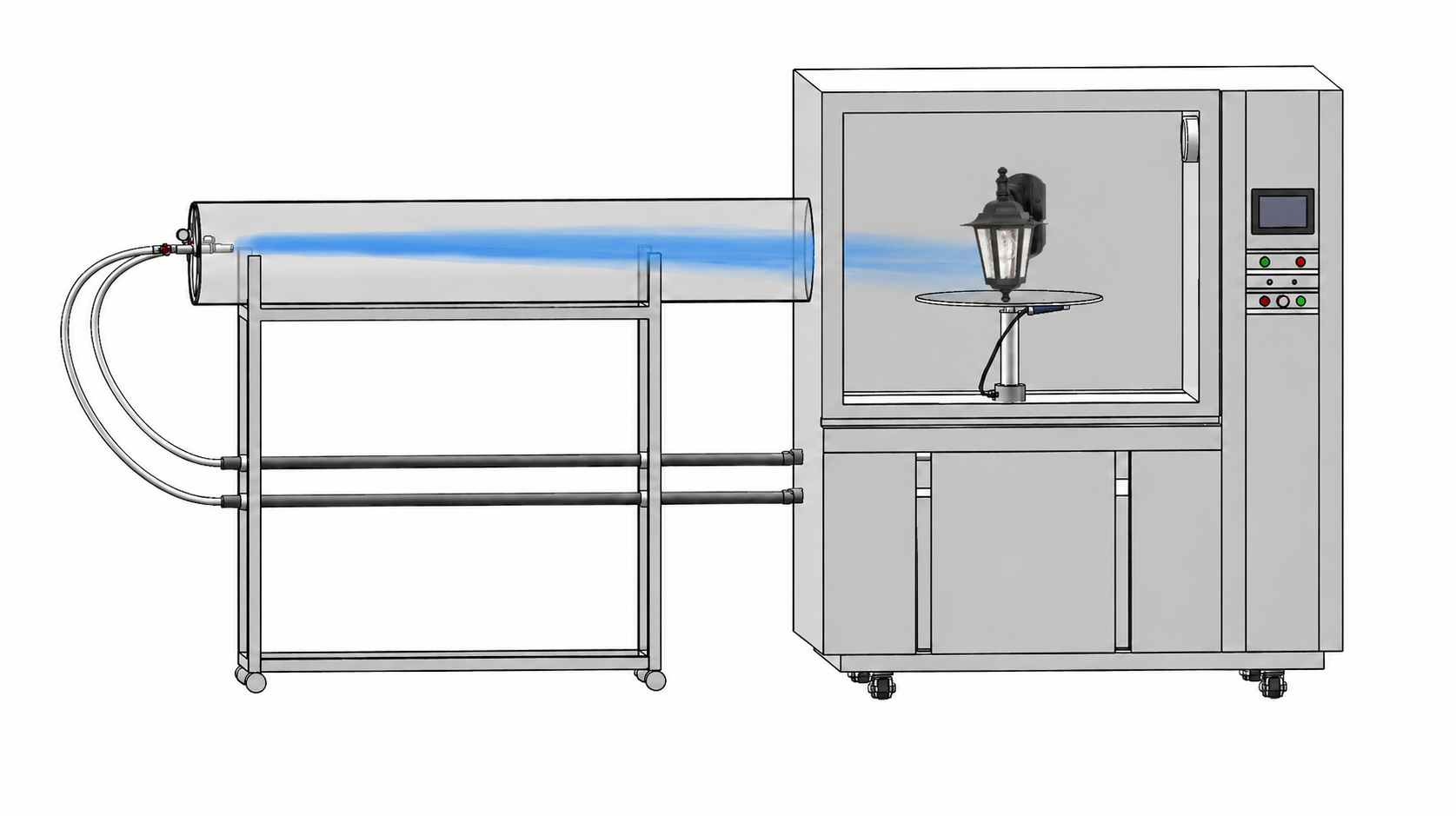 | Outdoor devices, lighting enclosures, and control cabinets | IEC 60529, 6.3 mm / 12.5 mm nozzles, spray distance of 2.5–3 m |
IPX5 and IPX6 Water Jet Test Chamber helps manufacturers identify these vulnerabilities before large-scale production. Beyond technical performance, waterproof reliability also affects manufacturing costs. Undetected sealing problems may lead to repeated repairs, warranty replacements, and customer complaints. A properly designed testing process allows manufacturers to evaluate these risks earlier and improve overall product reliability.
Ingress Protection ratings provide a standardized way to describe how electrical enclosures resist the entry of solid objects and water.
The IEC 60529 standard defines the IP classification system. The first characteristic numeral indicates protection against solid objects, while the second describes protection against water.
When the first numeral is represented by X, as in IPX5 or IPX6, the designation does not specify a solid-particle protection rating.
For automotive lighting manufacturers, water ingress protection is an important consideration when evaluating the durability of exterior electronic assemblies.
IPX5 testing evaluates an enclosure's resistance to water jets directed from different practicable directions. This helps engineers assess sealing performance under controlled jet exposure.
IPX6 testing applies more powerful water jets with substantially higher flow rates. It provides a more demanding assessment of the enclosure's ability to resist harmful water penetration.
The following table summarizes the main differences.
| Test Parameter |
|
|
|---|---|---|
| Nozzle Inner Diameter | 6.3 mm | 12.5 mm |
| Water Flow Rate | 12.5 L/min | 100 L/min |
| Approximate Water Pressure | 30 kPa | 100 kPa |
| Test Distance | 2.5–3 m | 2.5–3 m |
| Typical Exposure Reference | Water jets and routine washdown | Powerful water jets and more demanding washdown |
| Primary Evaluation | Protection against water jets | Protection against powerful water jets |
These parameters provide a controlled basis for comparing enclosure performance.
Actual automotive applications may require additional tests under ISO 20653 or manufacturer-specific requirements. Standard IPX5 and IPX6 tests should not be treated as exact reproductions of every vehicle washing or road exposure condition.
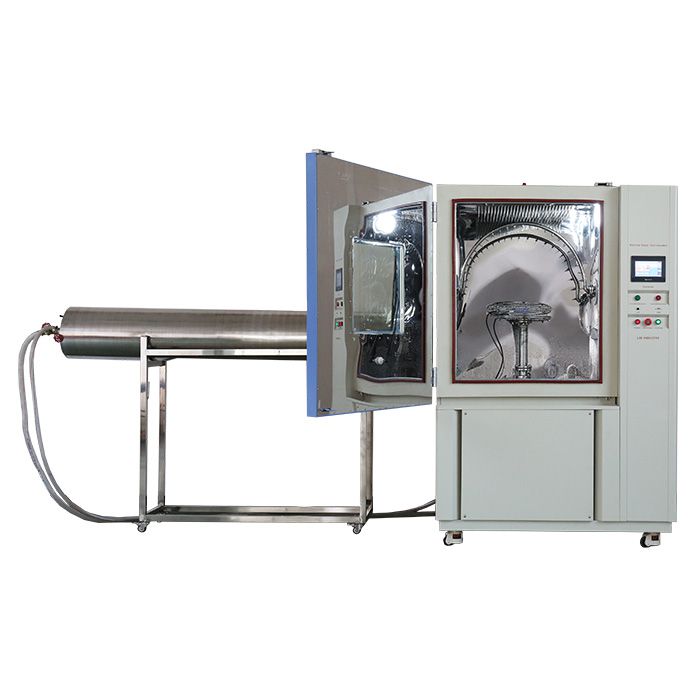
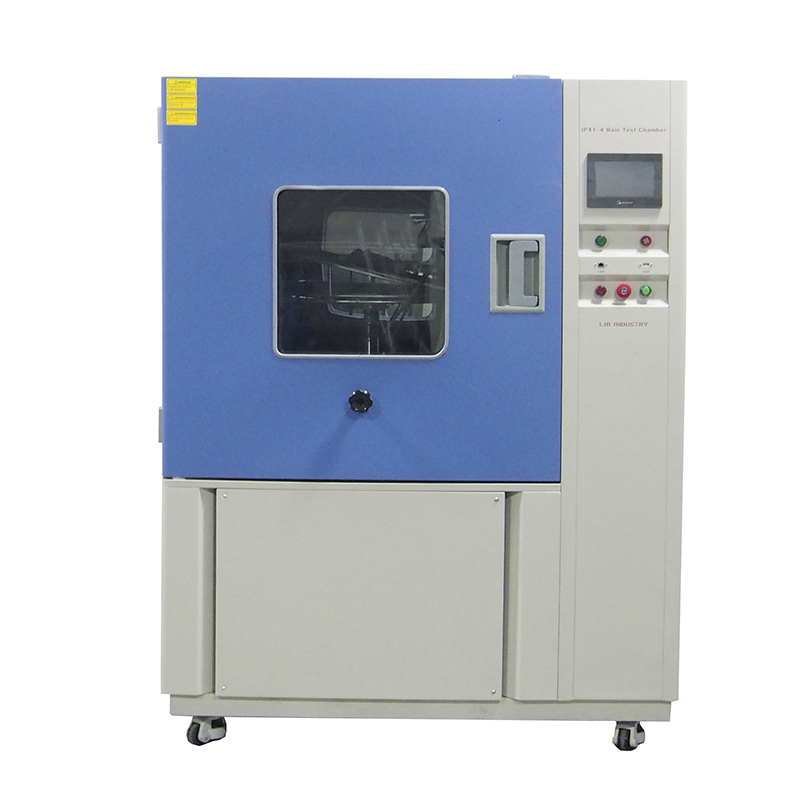
An IPX5 IPX6 water jetting test chamber is specialized environmental testing equipment designed to evaluate the water ingress protection of electrical enclosures.
It creates controlled water jet conditions using caLIBrated nozzles, regulated water flow, and adjustable specimen positioning.
For automotive manufacturers, this equipment supports repeatable testing of headlights, taillights, signal lamps, and other exterior electronic components.
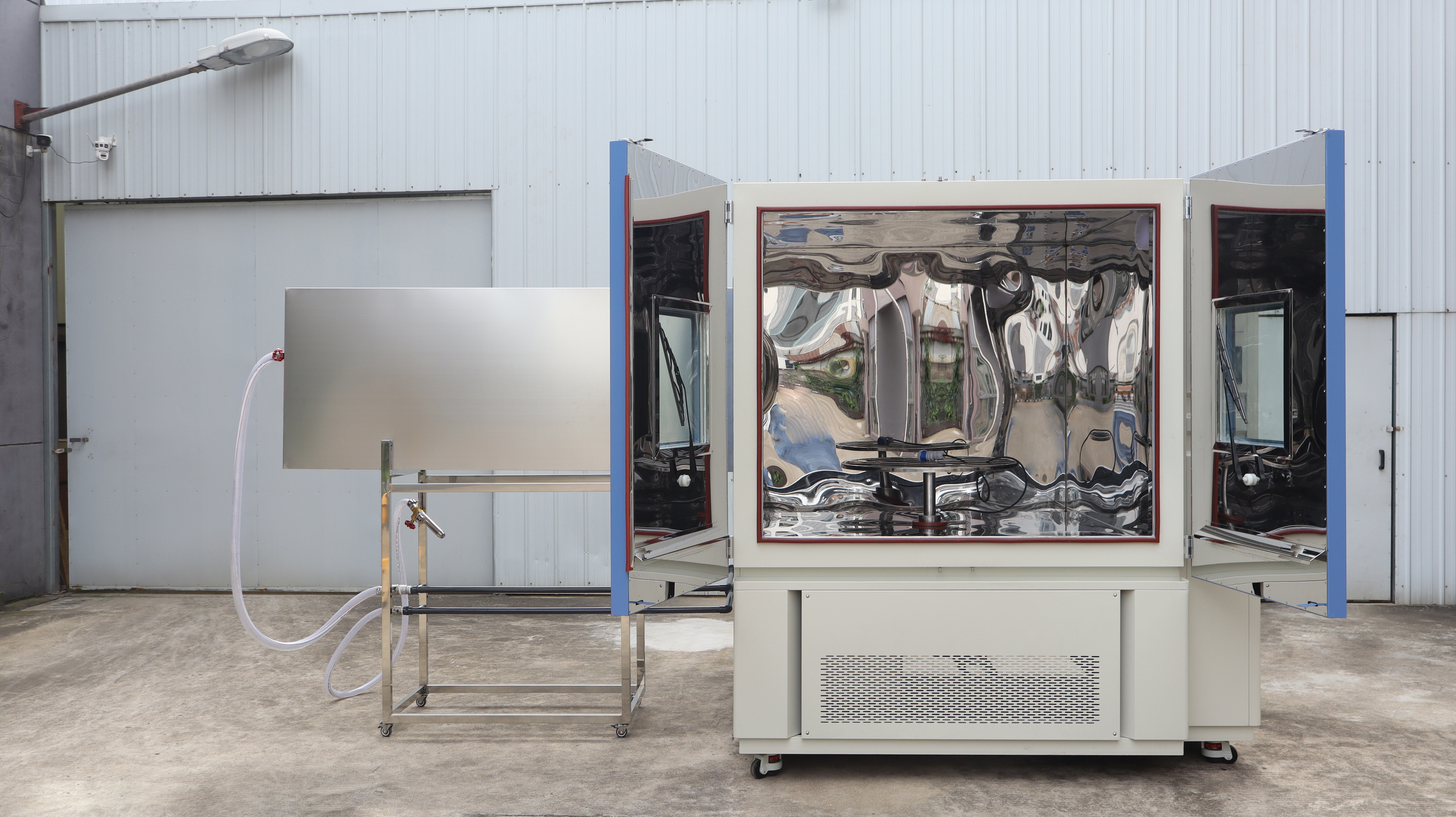
A typical industrial IPX5 IPX6 Water Jetting Test Chamber incorporates a corrosion-resistant test enclosure, a water supply and pump system, dedicated spray nozzles, and a rotating specimen platform.
Manufacturers such as LIB Industry develop water jetting chambers with programmable controls, adjustable turntables, and water circulation systems to support standardized waterproof testing.
Model |
|
|---|---|
Workroom Dimensions (mm) | 800 × 800 × 800 |
External Dimensions (mm) | 950 × 3150 × 1800 |
Interior Volume (L) | 510 |
Turntable Diameter (mm) | 600 |
Turntable Rotation Speed | 0–7 r/min (Adjustable) |
Internal Diameter of IPX5 Nozzle | 6.3 mm |
Internal Diameter of IPX6 Nozzle | 12.5 mm |
Water Flow Rate IPX5 / IPX6 | 12.5 L/min ±5% / 100 L/min ±5% |
Controller | Programmable color LCD touchscreen controller, Ethernet connection |
Water Supply System | Water tank, booster pump, automatic water supply, water purification system |
Safety Devices | Over-temperature protection, over-current protection, water shortage protection, earth leakage protection, phase sequence protection |
Exterior Material | Steel plate with protective coating |
Interior Material | SUS304 stainless steel |
Observation Window | Double-layer insulating glass with wiper |
 | |
Accurate water delivery is fundamental to reliable testing. The IPX5 IPX6 Water Jetting Test Chamber must maintain the appropriate water flow for the selected IP rating. Dedicated nozzles with defined internal diameters help generate consistent water jets during repeated tests. For IPX5 testing, the specified flow rate is 12.5 L/min. For IPX6, it increases to 100 L/min. Stable flow regulation helps engineers obtain comparable results across different samples and production batches.
Automotive lamps have complex shapes, including curved lenses, mounting brackets, ventilation openings, and connector housings. A rotating turntable allows engineers to expose different areas of the specimen to water jets. Adjustable positioning is particularly useful when evaluating seals and joints that may not receive sufficient exposure from a single fixed direction.
Some industrial rain test chambers use integrated water reservoirs, filtration systems, and recirculation pumps. The system collects used water, removes impurities, and returns suitable water to the testing circuit. This design helps reduce water consumption during repeated testing cycles. LIB Industry's water jetting equipment also offers automated water supply and programmable operation, which can simplify routine laboratory testing.
| LIB Industry's popular water andenvironmental test chambers for your testing needs and purchase requirements. | |||
| 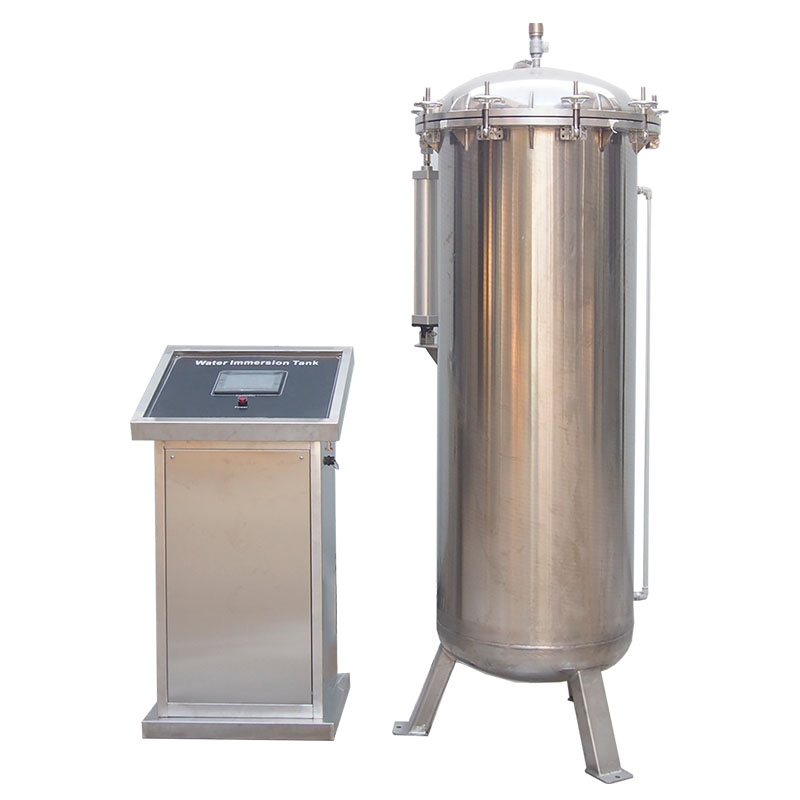 | 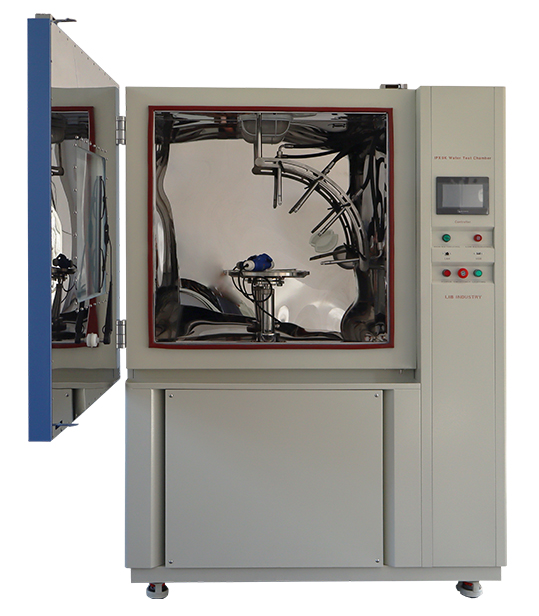 | 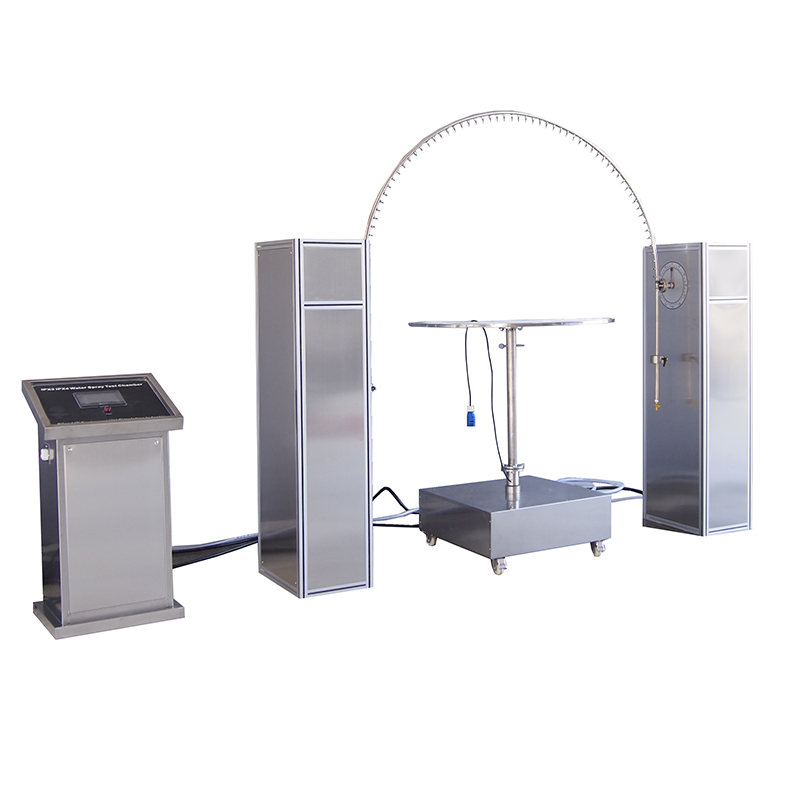 |
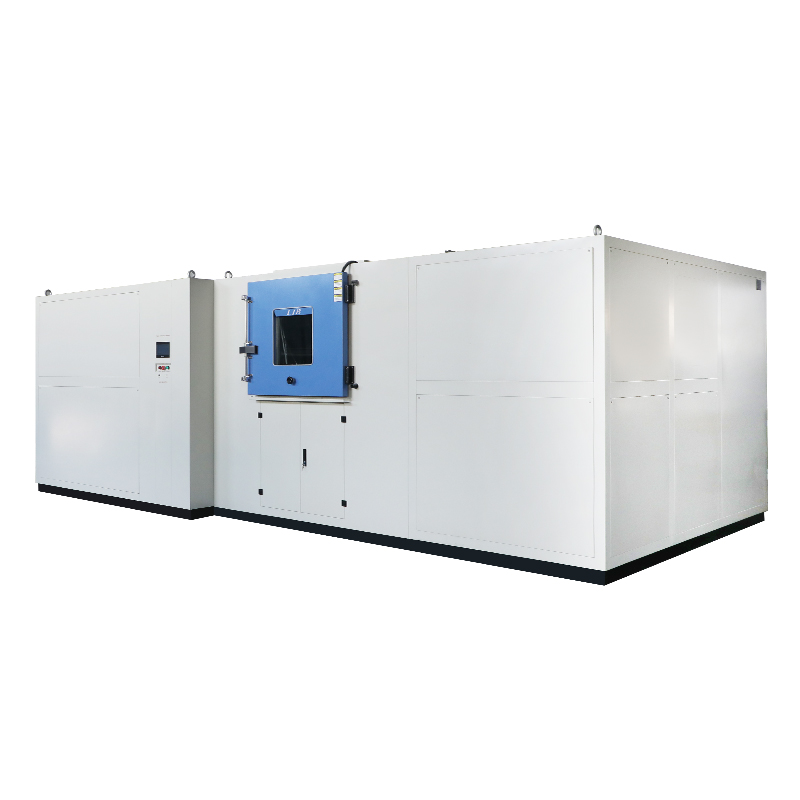
Combined Chamber(IPX1 X2 X3 X4 X5 X6) Multi-level IP testing, Space-saving design | IPX7 IPX8 Water Immersion Test Equipment Deep water simulation,Long-duration immersion | IPX9K High Pressure Water Spray Test Chamber 88°C hot water jets, High-pressure spray testing | Whole Set of IP Test Equipment-No Housing Type Easy sample loading, flexable |
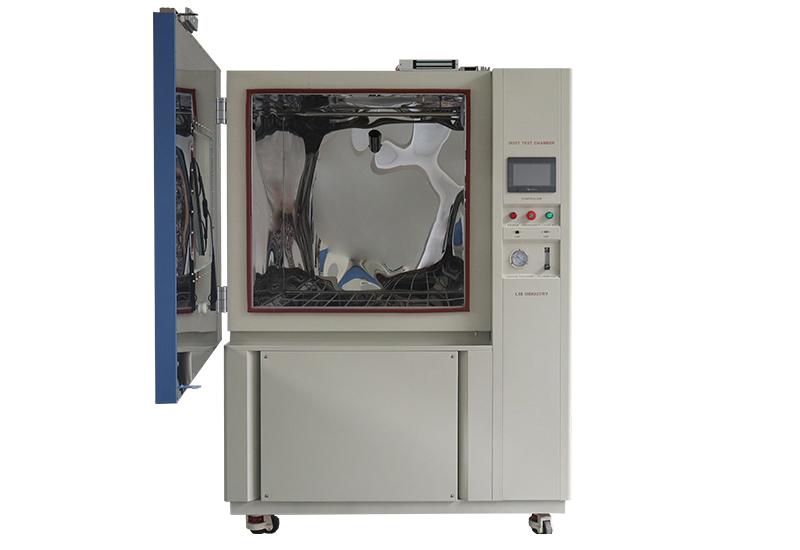 |  |  |  |
IP5X/6X Sand and Dust Test Chamber Controlled dust circulation, IEC 60529 compliance | MIL-STD-810 Sand and Dust Test Chamber Harsh dust simulation, Defense and aerospace testing | Harsh water simulation, Defense and aerospace testing | IPX1 IPX2 IPX3 IPX4 Water Spray Test Chamber 1 mm/min drip test, ±60° /180° swing |
Selecting suitable waterproof testing equipment requires more than comparing basic specifications.
Automotive manufacturers should consider testing standards, specimen dimensions, control accuracy, operational efficiency, and future laboratory requirements.
Reliable testing depends on consistent water flow, nozzle geometry, exposure distance, and test duration.Look for equipment with programmable controllers, stable pumping systems, and appropriate flow measurement capabilities. Repeatable conditions allow engineers to compare different lamp designs and identify meaningful performance improvements.
Automotive lighting components vary considerably in size. Compact indicator lamps and large vehicle lighting assemblies may require different testing spaces. Before selecting a chamber, confirm that its internal dimensions, turntable diameter, load capacity, and nozzle positioning can accommodate the intended specimens. Larger testing requirements may call for customized chamber configurations.
Not every automotive waterproof test follows the same procedure. IEC 60529 covers general enclosure ingress protection, while ISO 20653 addresses protection requirements for electrical equipment in road vehicles. Some applications may also require IPX3/IPX4 spray testing, IPX9K high-pressure and high-temperature water testing, or manufacturer-specific procedures. Buyers should identify the exact standards required before selecting equipment.
For laboratories conducting frequent tests, water consumption and routine maintenance can influence long-term operating costs. A chamber with an integrated reservoir, effective filtration, and accessible maintenance components can simplify daily operation. Corrosion-resistant interior materials also help support equipment durability in wet testing environments.
Testing requirements often differ between automotive suppliers, independent laboratories, and vehicle manufacturers.
When evaluating IP Test Equipment, buyers should consider whether the supplier can support different specimen sizes, testing procedures, electrical interfaces, and installation conditions.
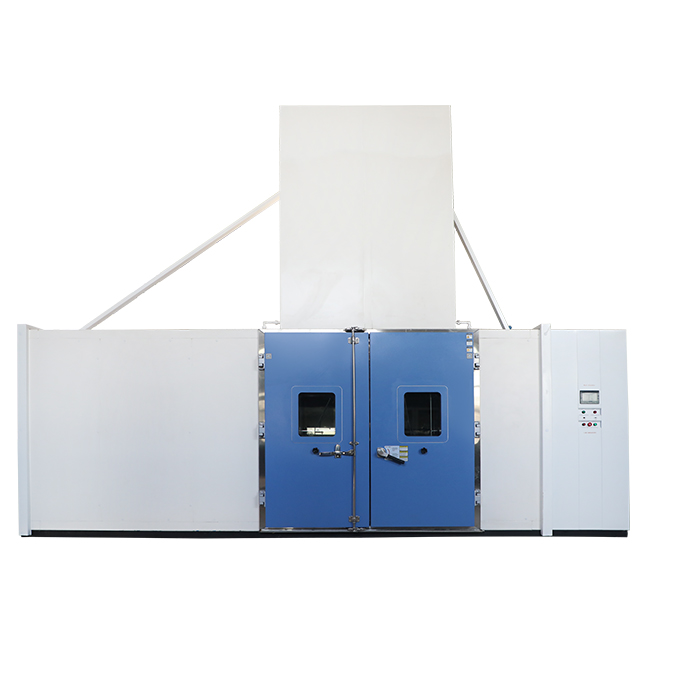
IPX5 X6 Double-door rain jet test chamber | 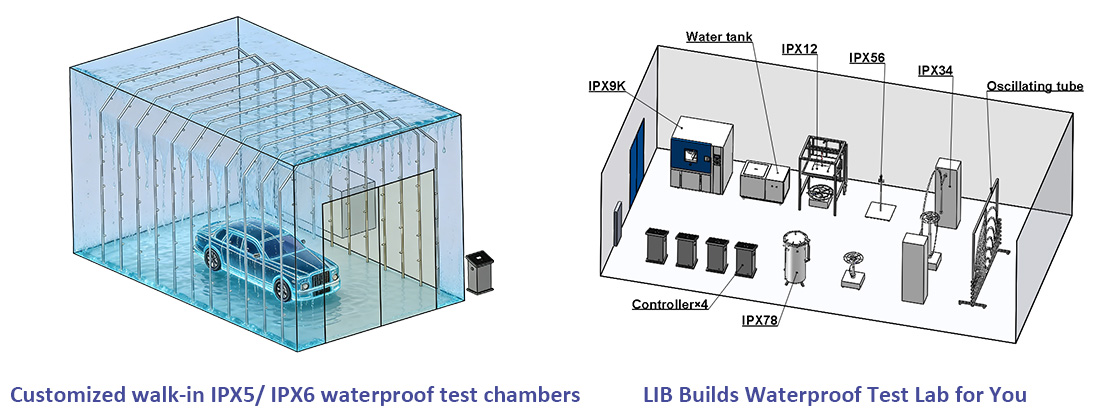 |
LIB Industry provides environmental testing equipment and configuration options for different industrial applications.
Discussing specimen dimensions, required standards, and laboratory conditions with the supplier can help determine a more suitable testing solution.
Water ingress protection plays an important role in the reliability and service life of modern automotive lamps. As lighting assemblies incorporate more electronic components, manufacturers need dependable methods to evaluate enclosure sealing and environmental durability. Rain test chambers provide controlled, repeatable testing conditions that help identify sealing weaknesses before products enter mass production. IPX5 and IPX6 water jet testing are particularly useful for assessing enclosure resistance to different levels of water jet exposure. For applications involving wind-driven rain, temperature changes, or more demanding washing conditions, additional testing methods may also be necessary. By selecting appropriate environmental testing equipment, automotive manufacturers can improve product development efficiency, strengthen quality control, and reduce potential moisture-related failures.
The main difference is the severity of the water jet exposure. IPX5 testing uses a 6.3 mm nozzle with a water flow rate of 12.5 L/min. IPX6 testing uses a larger 12.5 mm nozzle and increases the water flow rate to 100 L/min. Both methods evaluate the enclosure's ability to resist harmful water ingress, but IPX6 applies a more powerful water jet.
IPX6 testing typically operates at an approximate nozzle pressure of 100 kPa to achieve the specified flow rate of 100 L/min through a 12.5 mm nozzle. The water jet is generally applied from a distance of 2.5–3 meters. Flow rate, nozzle dimensions, distance, and exposure conditions should be verified against the applicable testing standard.
A standard rain test chamber primarily evaluates resistance to external water exposure. Additional procedures involving powered lamps, temperature conditioning, or controlled cooling can help engineers investigate moisture behavior and potential condensation risks. However, accurately evaluating condensation may require separate environmental or temperature cycling tests.
IPX6 testing evaluates resistance to powerful water jets using a flow rate of 100 L/min. IP69K, commonly associated with high-temperature, high-pressure washdown testing, applies substantially more demanding washing conditions. For road vehicle applications, ISO 20653 uses the IPX9K designation. These procedures typically involve water heated to approximately 80°C and pressures of 8,000–10,000 kPa. Equipment designed for ordinary IPX6 testing does not automatically support these higher-pressure and higher-temperature conditions.
Many industrial rain test chambers incorporate water circulation systems. These systems collect water after spraying, filter impurities, and return suitable water to the testing circuit. Water recycling can help reduce consumption and support more efficient laboratory operation.
Are you looking for a reliable rain test chamber for automotive headlight, taillight, or electronic enclosure testing?Explore our IPX5 and IPX6 Water Jet Test Chambers, IPX7 and IPX8 Water Immersion Test Equipment, and IPX9K High-Pressure Water Spray Test Chambers. Whether you need a standard testing system or a customized configuration, our team can help you evaluate suitable equipment based on your specimen size, testing standards, and laboratory conditions. Contact LIB Industry today to submit your inquiry, discuss your technical requirements, and request a quotation. Share your testing application and expected specifications, and our team will assist you in selecting an appropriate solution for your project.