Views: 0 Author: LIB Team Publish Time: 2026-11-24 Origin: Site


Which approach suits your lab: air or water? The answer depends on your space, heat load, and test demands. There is no universal winner in the air-cooled vs. water-cooled test chambers debate; each fits different settings.
Your choice turns on installation, efficiency, energy use, noise, maintenance, compliance, and total cost of ownership. A compact benchtop unit usually runs on air. Room ventilation and water access matter just as much.
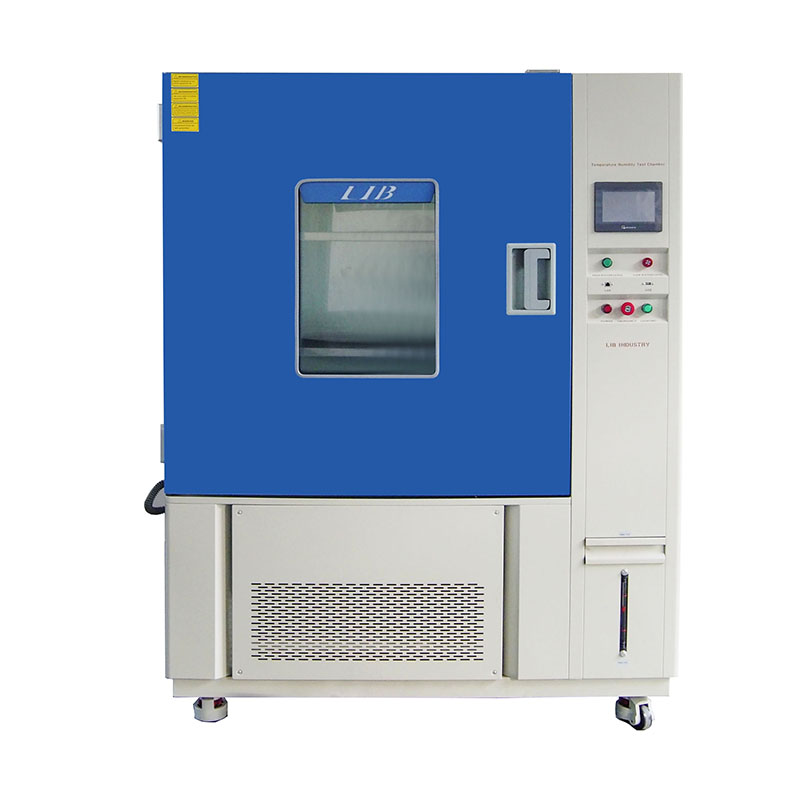
A Canadian customer using LIB Industry's TH-225B Air-Cooled Environmental Test Chamber shared their experience: "The Environmental Test Chamber is still working well, and we are performing regular inspections to ensure that everything works properly." This feedback highlights the importance of stable operation and regular maintenance when choosing an environmental test chamber. This guide compares both cooling systems side by side. It ends with a decision framework for your own facility.
Water-cooled chambers cool faster and handle larger systems, while air-cooled chambers work well for smaller labs.
Check your lab space, ventilation, and water access before you choose a cooling system.
Water-cooled chambers run quieter and use less room heat, but they need plumbing and water treatment.
Compare the total cost over time, including installation, energy, and maintenance, not just the purchase price.
Use a decision matrix and checklist to match your lab's priorities to the right cooling method.
The air-cooled vs. water-cooled environmental test chambers comparison starts with raw capability, because performance sets the ceiling on every test you run.
Water-cooled environmental test chambers typically pull the workspace down to temperature faster than room-side designs. Water carries heat away efficiently, and the supply temperature stays stable through the year. An air-cooled test chamber rejects heat to the room, so a hot afternoon slows the pull-down and stretches the time to setpoint. This gap matters when you run tight heating and cooling rates, deep setpoints, or rapid thermal cycling. A slow pull-down also eats into your test schedule, because every cycle starts later than planned. You feel this most in labs that run back-to-back profiles. Refrigeration capacity alone does not tell the whole story; the path that carries heat out of the cabinet does.
Capacity separates the two designs. Water-cooled refrigeration serves larger, higher-horsepower systems, typically 6 HP and above. Small environmental chambers usually rely on the room-side approach, where the load stays modest and the room can absorb the heat. Mechanical refrigeration systems at that scale need a stable heat rejection path, and a water loop provides it. Horsepower is a useful proxy here, because it tracks compressor size and the heat the system must reject. Above the 6 HP line, the room-side path becomes harder to manage, and the water loop keeps the compressor within its design envelope. That threshold is a practical guide, not a hard rule.
Water-cooled condensers are more efficient and less affected by ambient temperature changes. A stable water supply lets the compressor hold a steady condensing condition, so the system runs near its design point all year. Room-side units must work harder on warm days, and that swing shows up in temperature and humidity performance. You see it as longer recovery times after a door opening or a load change. A water loop removes that variable from your test plan. Stable condensing conditions also extend compressor life.
Temperature uniformity depends on plenum design and sensor placement as much as on the heat removal path. Both designs can hold tight uniformity when engineers size fans and the control loop correctly. Large workspaces favor a water loop, where one air-cooled or water-cooled condenser must remove heat evenly across a wide cabinet. Uneven heat removal shows up first at the corners and the door. Uniformity also supports accurate temperature and humidity control during long environmental testing runs, where small drift compounds over hours. Ask your supplier for a uniformity map at your setpoint, not just a single headline number.
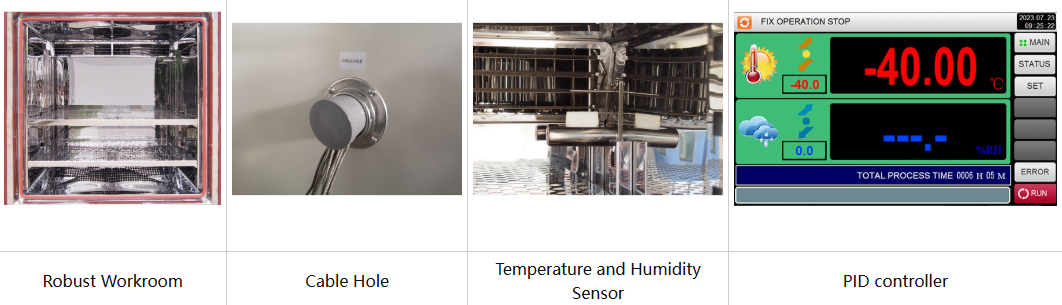
LIB Industry supplies each environmental test chamber in both configurations. You can match heating and refrigeration capacity, cooling systems, and cabinet size to your profile. Both configurations share the same controller, sensor package, and safety logic, so the choice does not change how you operate the chamber. Your operator training and maintenance routine carry over unchanged. The performance target stays the same: repeatable controlled environmental conditions across the workspace.
 | |||||
| Name | Air-cooled Temperature and Humidity Environmental Test Chamber | ||||
| Model | TH-100 | TH-225 | TH-500 | TH-800 | TH-1000 |
| Internal Dimension (mm) | 400*500*500 | 500*600*750 | 700*800*900 | 800*1000*1000 | 1000*1000*1000 |
| Overall Dimension (mm) | 900*1050*1620 | 1000*1140*1870 | 1200*1340*2020 | 1300*1540*2120 | 1500*1540*2140 |
| Interior Volume | 100L | 225L | 500L | 800L | 1000L |
| Heat load | 1000W | ||||
| Temperature Range | A : -20℃ ~ +150 ℃ | ||||
| B : -40℃ ~ +150 ℃ | |||||
| C: -70℃ ~ +150 ℃ | |||||
| Temperature Fluctuation | ± 0.5 ℃ | ||||
| Temperature Deviation | ± 2.0 ℃ | ||||
| Humidity Range | 20% ~ 98% RH | ||||
| Humidity Deviation | ± 2.5% RH | ||||
| Cooling Rate | 1 ℃ / min | ||||
| Heating Rate | 3 ℃ / min | ||||
| Cooling system | Mechanical compression refrigeration system | ||||
| Refrigerating unit | French TECUMSEH compressor | ||||
| Heating Element | Nichrome heater | ||||
| Controller | Programmable color LCD touch screen controller, Ethernet connection | ||||
| Water supply system | Automatic water supply, Water purification system | ||||
| Humidifier | External isolation, stainless steel surface evaporation humidifier | ||||
| Safety Device | Humidifier dry-combustion protection; over-temperature protection; over-current protection; Refrigerant high-pressure protection; Water shortage protection; Earth leakage protection | ||||
| Exterior Material | Steel Plate with protective coating | ||||
| Interior Material | SUS304 stainless steel | ||||
| Thermal Insulation | Polyurethane foam and insulation cotton | ||||
| Observation Window | Interior lighting, double-layer thermo stability silicone rubber sealing | ||||
| Standard Configuration | 1 Cable hole with plug; 2 shelves | ||||
| |||||
The air-cooled vs. water-cooled test chambers decision therefore rests on your load and your room, not on a fixed rule.
Your room sets hard limits on what you can install. Air-cooled systems need clearance around the cabinet and strong ventilation, because they release heat rejection into the surrounding space. A small room with a large unit will warm up quickly, and that warmth feeds back into your test results. Plan for airflow to the room, not just to the chamber.
Water-cooled systems trade that ventilation demand for plumbing. You need a facility water supply, drain access, and shutoff valves near the unit. Water-cooled chillers send heat into a facility's water line, so the room itself stays cooler. This suits spaces where room temperature must stay tightly controlled, such as a shared lab with several instruments. An environmental test chamber placed in a tight room often benefits from this arrangement.
Check your water access before you commit. A reliable facility water supply with stable pressure and temperature keeps refrigeration systems running at their design point. In colder climates, consider the possibility of freezing in exposed lines. Keep supply water temperature between 5 and 30°C (41 to 85°F) to protect the loop and hold stable temperature and humidity control.
Battery pack and cell testing requires a high level of temperature control, and that demand shapes your choice. These tests run long profiles with tight limits, so stable heat rejection matters. Match your cooling utilities and facility requirements to the load before you order. Confirm the ambient conditions in your building, then size the cooling systems around them. Both paths can deliver controlled environmental conditions when the room and the utilities support them.
Compressors and fans generate most of the sound a chamber produces. Air-cooled Environmental Test Chambers relies on fans to push heat rejection into the room, and those fans run continuously during a test. A water-cooled unit moves that duty to the facility loop, so the cabinet itself runs quieter. You notice the difference in a shared lab, where staff work beside the chamber for a full shift.
Check your workplace noise rules before you order. Many facilities set internal limits for occupied lab space, and a large unit can push a quiet room past them. Ask the supplier for a sound pressure figure at a stated distance, then compare it against your own standard. Place the unit away from desks and doorways when space allows. Acoustic enclosures and vibration isolation pads help in tight rooms.
Water-cooled condensers consume water through the facility loop, and that draw shows up on your utility bill. A closed loop with a chiller recirculates the same water and limits the loss. Open-loop arrangements waste more. Confirm your building can supply the flow and pressure the unit needs, and meter the connection so you can track consumption.
Refrigeration systems also fall under refrigerant regulations. Rules on refrigerant type, charge size, leak testing, and recordkeeping vary by region, and they change over time. Confirm the refrigerant your supplier charges and the documentation they provide. Your maintenance team needs leak detection procedures and a log for service events. Factor these obligations into your cooling systems plan early, because retrofits cost more than a compliant first installation. A qualified technician should handle all refrigerant service on any environmental test chamber.
Air-cooled chillers often cost more upfront than water-cooled ones. The cabinet carries a larger condenser and heavier fans, and that hardware raises the purchase price. Water-cooled units shift part of the heat rejection duty to your building, so the chamber itself costs less to buy. Installation flips the balance. A water-cooled unit needs plumbing, valves, and a drain near the chamber, and those trades add labor and downtime. An air unit needs clearance and ventilation, which usually costs less to arrange. Price both paths as installed systems, not as catalog items.
Energy use separates the two methods over years of service. Water-cooled refrigeration holds a steady condensing condition, so it delivers strong energy efficiency across the seasons. Air-cooled mechanical refrigeration systems work harder on warm days, and that effort shows on your utility bill. Water consumption adds a line item for the water-cooled path, and a closed loop keeps that draw modest. Maintenance differs as well. Air units need coil cleaning and fan checks, and those tasks are simple for in-house staff. Water-cooled systems add water treatment, leak inspection, and strainer service. Refrigerant service applies to both, and a qualified technician should handle it.
Weigh these costs against your duty cycle. A lightly used environmental test chamber rarely justifies a complex utility hookup. A unit that runs long profiles every week rewards stable cooling and predictable energy use. Track the total cost of ownership over the service life, not the first invoice. Each cooling method fits a different operating pattern, and your duty cycle points to the right one.
Rank your priorities before you compare quotes. The table below maps common lab priorities to the option that usually fits best. Use it as a starting point, then confirm the details against your own room and utilities.
Lab Priority | Air-Cooled Fits Best When | Water-Cooled Fits Best When |
|---|---|---|
Space and ventilation | You have clearance and strong room airflow | Floor space is tight and room temperature must stay stable |
Cooling capacity | The load stays modest, as in benchtop units | Compressor size reaches 6 HP and above |
Noise | The unit sits away from workstations | Staff work beside the chamber all shift |
Water access | No plumbing is available near the unit | A facility loop with drain access is close by |
Ambient stability | Room temperature varies little | You need stable heat rejection year-round |
Budget | You want lower installation labor | You want a lower purchase price |
Read across the rows that matter most to you. A lab that ranks noise first will lean toward water. A lab without plumbing will lean toward air. Few facilities win on every row, so accept trade-offs and document them.
| LIB popular Environmental Test Chambers | |||
Air cooled Standing temperature humidity chamber Precise climate simulation, Reliable long-term stability testing |
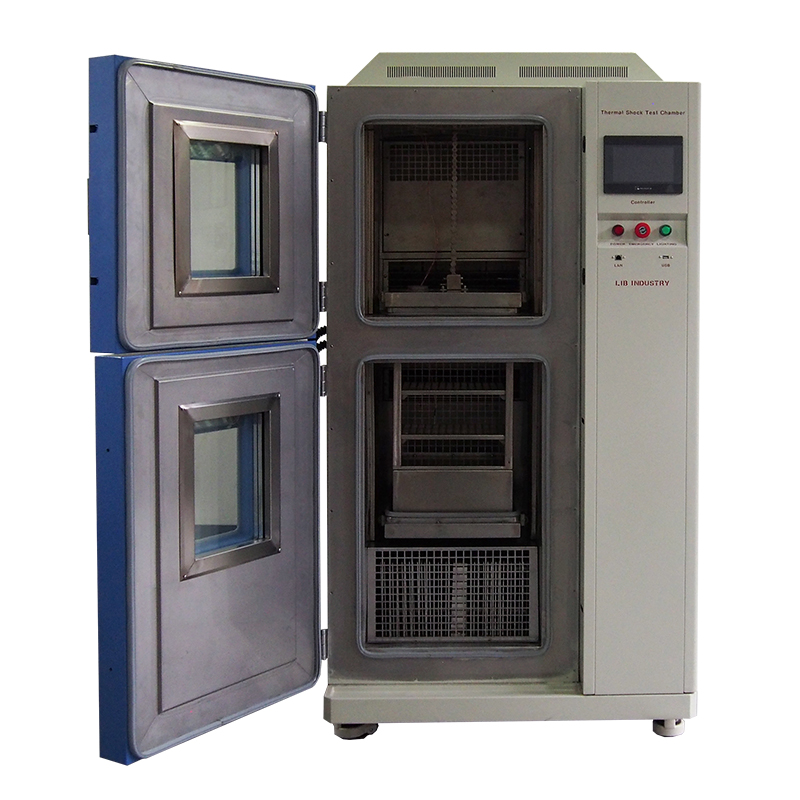
Simulates rapid temperature changes, 3-second basket transfer, recovery time under 5 minutes. |
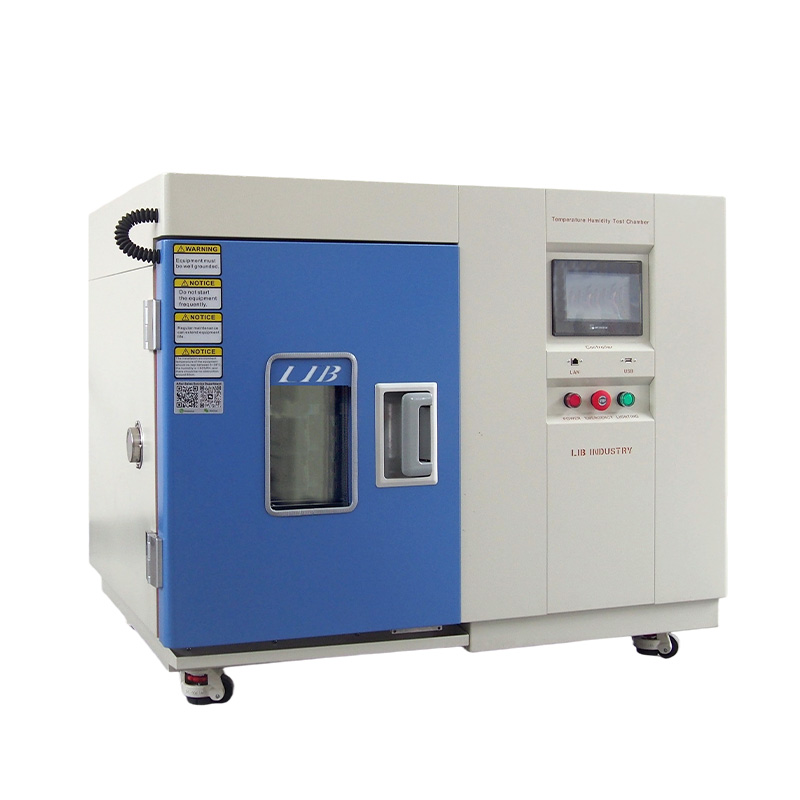
Small temperature humidity chamber Compact footprint design, High-accuracy environmental control |
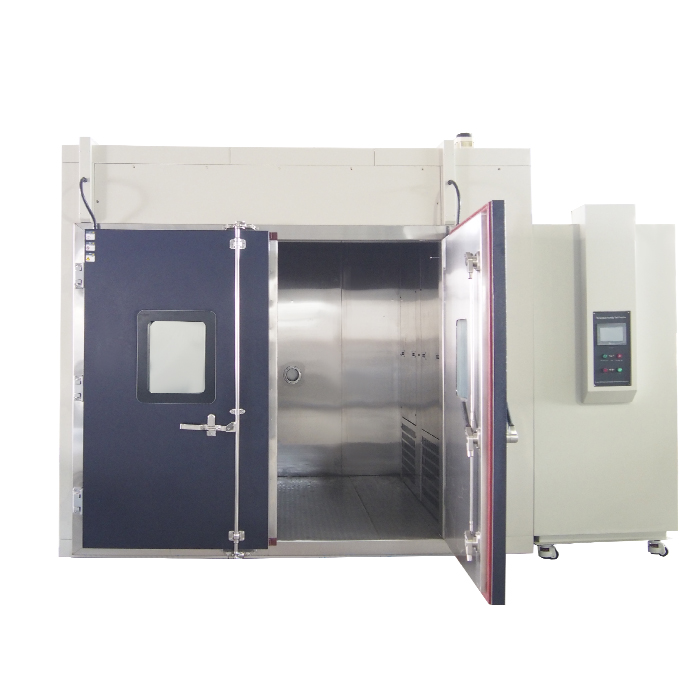
Walk-In temperature humidity chamber Large-capacity testing space, Ideal for oversized products |
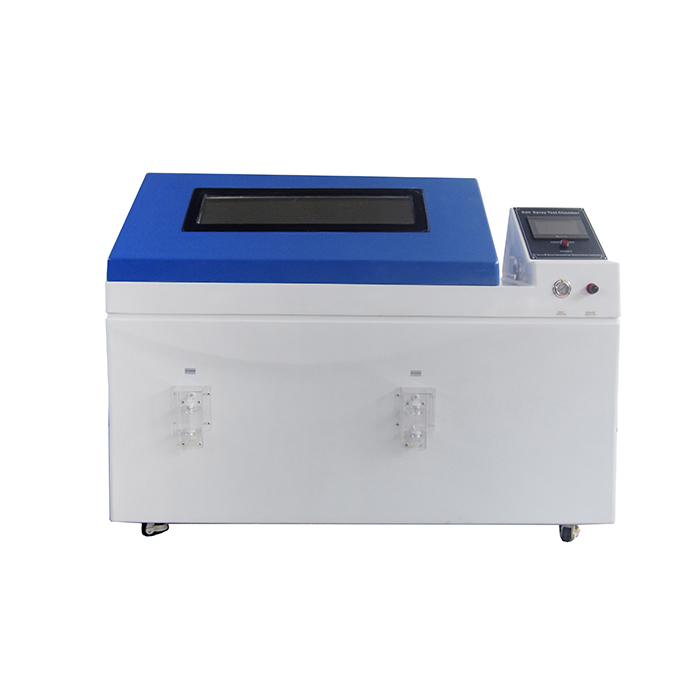
Corrosion Resistance, Long-Term Protection, ASTM B 117, ISO 9227 |
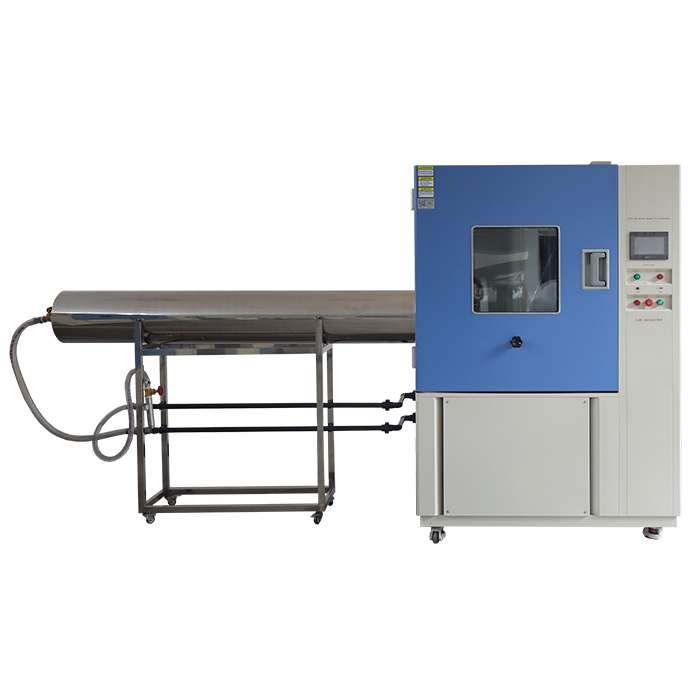
IEC 60529 IPX1/2/3/4/5/6 Combined Waterproof Test Chamber Waterproof Performance, Ingress Protection |
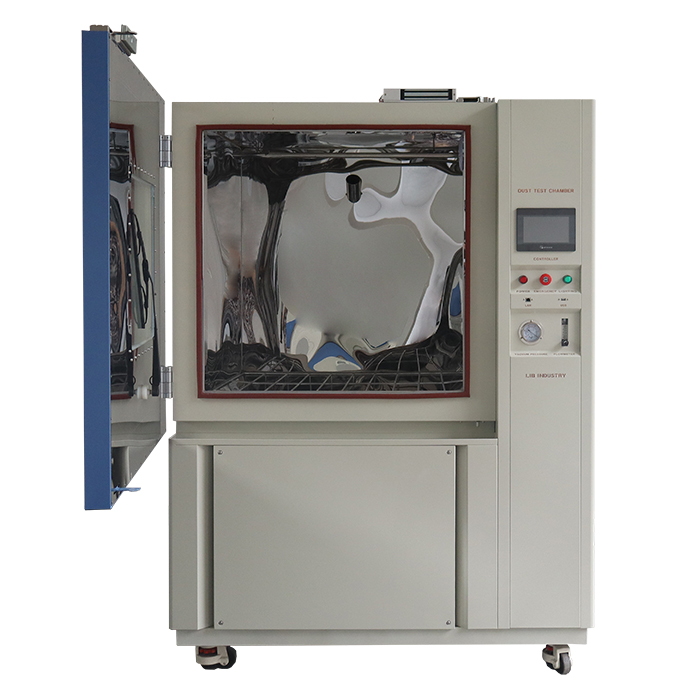
Dust Protection, Sealing Performance |
ASTM G155 G151 Accelerated Weathering Xenon Test Apparatus Solar Resistance, Weathering Durability |
Work through these steps before you sign an order. Each one prevents a costly surprise after delivery.
① Measure the installation space, including clearance for airflow and service access.
② Record the ambient temperature range in the room across a full year.
③ Confirm your electrical supply matches the unit's rated load.
④ Verify water supply pressure, temperature, and drain access if you choose a water loop.
⑤ Keep supply water between 5 and 30°C (41 to 85°F) and plan freeze protection for exposed lines in cold climates.
⑥ Ask for a temperature uniformity map at your actual setpoint.
⑦ Request a sound pressure figure at a stated distance and compare it with your workplace standard.
⑧ Confirm the refrigerant type, charge, and documentation your supplier provides.
⑨ Price both paths as installed systems, including plumbing, ventilation, and labor.
⑩ Estimate annual energy and water use against your duty cycle.
The air-cooled vs. water-cooled test chambers choice rewards preparation. Walk your room with this list in hand, and ask your supplier to confirm each line in writing. A short conversation about facility requirements now saves a retrofit later. Either cooling method can deliver controlled environmental conditions when you match it to your space, your load, and your budget. The right answer is the one your lab can support for years of environmental testing.
You now have the full picture. Performance, application fit, compliance, and total cost of ownership separate the two paths. Air-cooled chambers suit labs with space, ventilation, and lower heat loads. Water-cooled chambers fit high-capacity, space-constrained, or noise-sensitive settings with reliable water access.
Rank your priorities next: budget, space, noise, capacity, and water access. Match that ranking against the decision matrix. This framework settles the air-cooled vs. water-cooled test chambers question for your room.
Either choice works when it aligns with your lab. Confirm your cooling systems plan, check your refrigeration service options, and order with confidence. Your environmental test chamber will reward that preparation for years.
Treat 6 HP as the practical dividing line. Water cooling serves larger, higher-horsepower refrigeration systems, typically 6 HP and above. Small environmental chambers usually run on air, where the load stays modest and the room absorbs the heat.
Expect a noticeably quieter cabinet, not a specific figure. A water-cooled unit moves heat rejection to the facility loop, so its fans and compressor work less in the room. Ask your supplier for a sound pressure figure at a stated distance and compare it with your workplace standard.
Keep supply water between 5 and 30°C (41 to 85°F). This range protects the loop and holds stable temperature and humidity control. In colder climates, add freeze protection for exposed lines before winter arrives.
Air units need coil cleaning and fan checks, and in-house staff can handle both. Water-cooled refrigeration systems add water treatment, leak inspection, and strainer service. Refrigerant service applies to both paths, and a qualified technician should perform it.
No. Water-cooled units often cost less to buy, yet plumbing, water use, and treatment add ongoing expense. Air-cooled units cost more upfront, and installation labor is usually simpler. Compare both paths as installed systems over the full service life.
If you're looking for a reliable environmental test chamber for your laboratory, LIB Industry offers a range of solutions, including Temperature and Humidity Test Chambers, Walk-In Test Chambers, and Customized Environmental Test Chambers. Both air-cooled and water-cooled configurations are available to accommodate different chamber sizes, cooling capacities, and laboratory conditions.
Contact LIB Industry to discuss your laboratory space, cooling requirements, heat load, ventilation, and water supply. Our team will help you select and configure the right cooling system for your environmental testing needs.