Views: 0 Author: Site Editor Publish Time: 2026-06-12 Origin: Site


Enclosure failures caused by particulate ingress consistently trigger expensive product recalls, elevated warranty claims, and severe safety hazards. When electronic devices or mechanical assemblies face harsh real-world environments, microscopic particles can bypass weak seals. They eventually destroy sensitive internal components and compromise system integrity. Verifying ingress protection (IP) is far more than a mandatory compliance checkbox. It acts as a core component of fundamental product reliability engineering. Manufacturers must guarantee their enclosures can withstand relentless environmental exposure. To achieve this, engineering teams rely heavily on controlled testing environments to expose design flaws early in the prototyping phase.
We will explore how a Dust Test Chamber serves as this essential testing ground. You will learn the core mechanics of particulate suspension, understand differences between standard and heavy-duty sand variants, and discover key evaluation criteria. This guide provides the critical knowledge needed to validate your product defenses before initiating mass production.
1. Dust test chambers operate by suspending specific particulates (like talcum powder) in a controlled airflow to test enclosure integrity.
2. Testing standards (e.g., IEC 60529 for IP5X/IP6X) dictate the chamber’s required airflow dynamics, dust concentration, and negative pressure capabilities.
3. Choosing between a standard dust chamber and a mixed sand and dust test chamber depends entirely on the severity of the product's end-use environment (e.g., consumer electronics vs. military/aerospace).
4. Procurement evaluation must weigh volume capacity, automated dust recovery, and precision control systems against total cost of ownership.
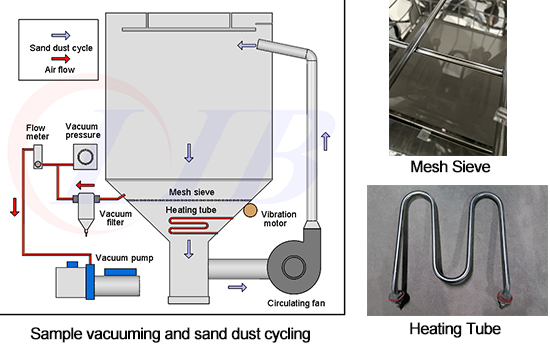
Specialized blowers generate continuous and highly controlled air streams inside the testing envelope. The lower sections of the machine feature steep funnel shapes. This specific geometry prevents fine powder from settling passively at the base. High-powered circulation systems keep particles fully suspended around the test specimen. They create a dense, uniform cloud. We rely on this constant agitation to guarantee particulates bombard the device from every conceivable angle.
Testing standards demand precise airborne dust density. Chambers use specialized optical sensors and delivery mechanisms to achieve this. They measure the volume of circulating powder continuously. You need exact concentrations to ensure repeatable test parameters across multiple product batches. If concentration drops, automated augers introduce fresh powder into the airstream. This prevents under-testing and ensures engineering teams gather accurate reliability data.
Meeting IP6X standards requires absolute "dust-tight" certification. Active vacuum testing makes this certification possible. The system connects a dedicated vacuum pump directly to the device under test. It attempts to draw air vigorously through the product’s external seals. This mechanism accurately simulates thermal cycling. When electronic components cool down after operation, they create an internal vacuum effect. If structural seals fail during testing, the vacuum immediately pulls surrounding dust inside the housing.
Ambient humidity quickly ruins fine test powder. Excess moisture causes microscopic particles to clump together and fall out of suspension. Controlled heating modules warm the chamber walls or the test specimen itself. They bake out excess moisture effectively and continuously. This active thermal management maintains a dry, free-flowing particulate cloud. Without precise heating, heavy dust clumps will strike the enclosure, rendering the validation test completely useless.
Buyers often struggle to categorize testing equipment correctly when scaling up their laboratory capabilities. Delineating the two primary equipment classes helps streamline buyer shortlisting effectively. You must match the machine directly to your product's operational environment. A standard unit handles basic consumer electronics. Conversely, a heavy-duty Sand and Dust Test Chamber tackles extreme industrial, automotive, or military applications.
These systems utilize extremely fine particulates to test tight tolerances. Technicians typically use highly refined talcum powder tailored to specific micron sizes. The machine creates a low-velocity settling and circulating test environment. Talcum powder easily reveals microscopic leaks in delicate device housings. It perfectly suits standard commercial and consumer IP ratings like IP54 or IP67. You will typically find these specific units testing smartphones, standard outdoor lighting fixtures, and common household appliances.
Heavy-duty applications demand much more aggressive testing protocols. These units are specifically engineered for high-velocity particulate impact. They utilize coarse silica sand alongside specifically graded dust blends. This aggressive combination tests for both internal ingress and severe external surface abrasion. The turbulent airflow accurately mimics natural desert storms or helicopter rotor downwash. Automotive, aerospace, and defense applications absolutely require this level of severe validation.
The following chart summarizes the functional differences between the two primary system types:
| Feature | Standard Dust Chamber | Sand and Dust Test Chamber |
|---|---|---|
| Primary Particulate | Ultra-fine talcum powder | Quartz silica sand and graded dust mixtures |
| Airflow Velocity | Low velocity (settling and gentle circulation) | High velocity (up to 29 m/s for impact testing) |
| Primary Objective | Ingress validation (IP ratings) | Ingress validation plus surface abrasion/erosion |
| Target Industries | Consumer electronics, commercial lighting | Military, aerospace, ruggedized automotive |
Connecting chamber mechanics directly to testing standard requirements guarantees proper test execution. Every mechanical feature serves a specific regulatory outcome. Understanding these technical benchmarks helps your team design robust evaluation procedures.
The IEC 60529 framework defines two primary levels of solid particle defense for commercial goods. You must design internal protocols to test against these exact metrics.
IP5X (Dust-Protected): The standard allows some minor particulate ingress. However, entering particles must not trigger operational failure, short circuits, or compromise user safety.
IP6X (Dust-Tight): The standard permits absolutely zero ingress. Technicians apply a vacuum directly to the enclosure to aggressively test seal integrity under negative pressure conditions.
Military and automotive components face grueling field conditions. To validate military and ruggedized automotive standards, you need advanced equipment capabilities.
1. Variable Wind Speed Control: The machine must generate specific wind velocities. MIL-STD testing often requires wind speeds ranging from 18 to 29 meters per second.
2. Specific Abrasive Materials: Systems must handle sharp, angular quartz silica and distinct dust mixtures without clogging the delivery funnels.
3. Extreme Temperature Cycling: Defense testing often requires simultaneous high-heat exposure while abrasive particles aggressively bombard the exterior enclosure.
Claiming a product meets a standard differs vastly from proving verifiable compliance. A high-quality test unit provides comprehensive data logging capabilities. It digitally records vacuum pressure, cycle times, temperature variations, and airflow velocities. This unalterable documentation creates a highly reliable audit trail. Engineering teams use these precise logs to defend product claims during external regulatory audits.
| LIB Popular Dust and Water Test Equipment | |||
| 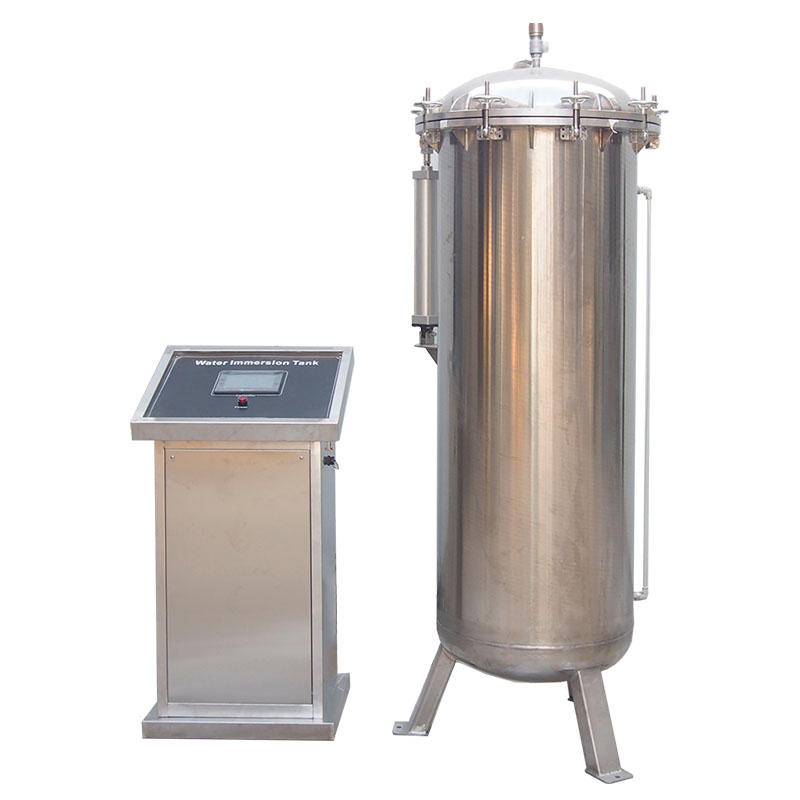 | 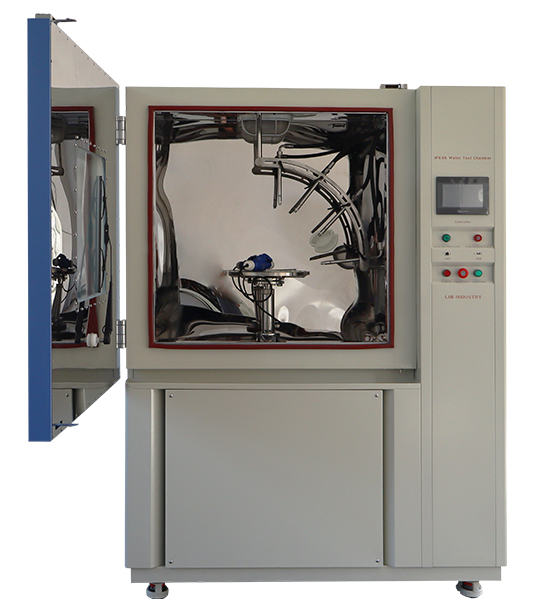 | 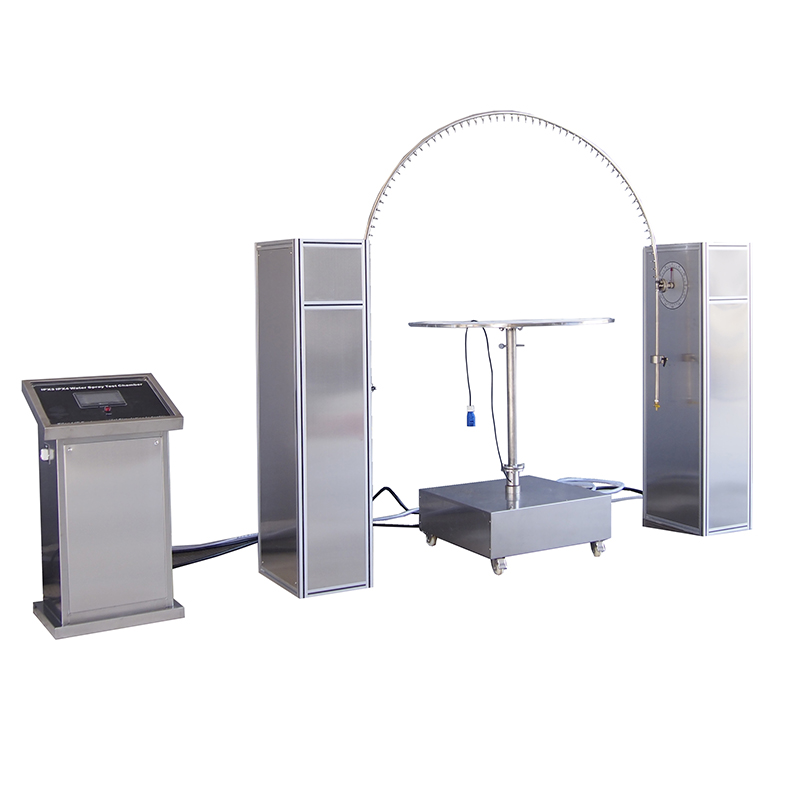 |
Combined Chamber(IPX1 X2 X3 X4 X5 X6) Multi-level IP testing, Space-saving design | IPX7 IPX8 Water Immersion Test Equipment Deep water simulation,Long-duration immersion | IPX9K High Pressure Water Spray Test Chamber 88°C hot water jets, High-pressure spray testing | Whole Set of IP Test Equipment-No Housing Type Easy sample loading, flexable |
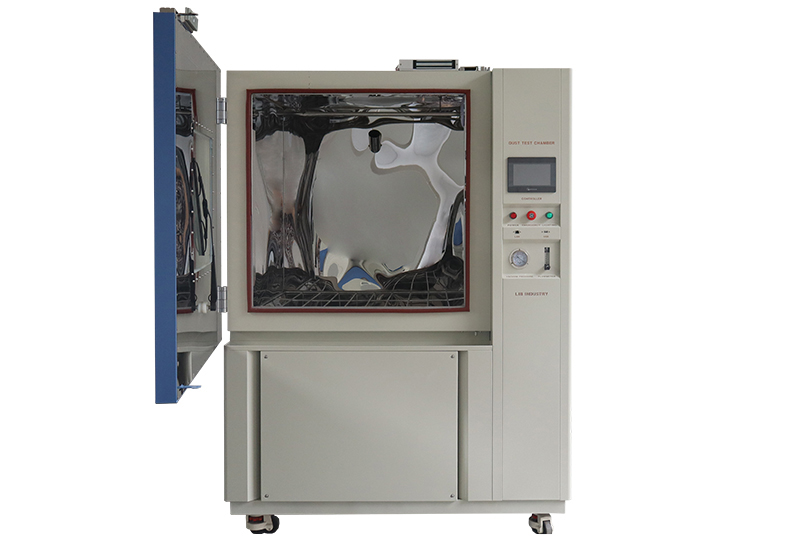 | 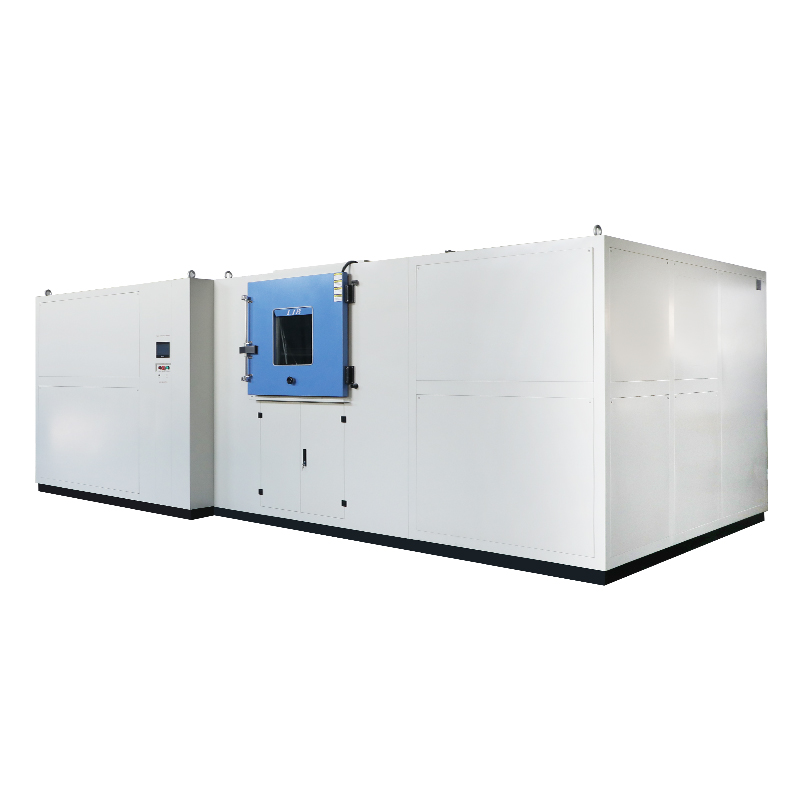 | 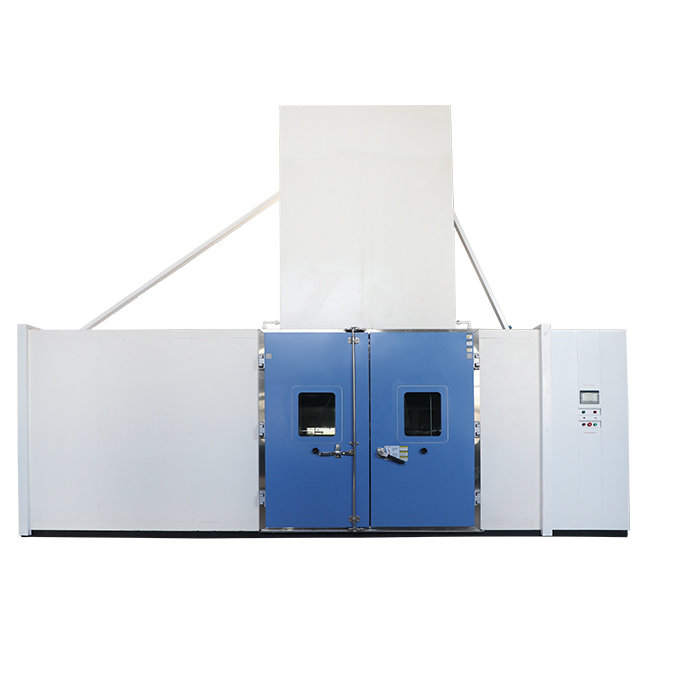 | |
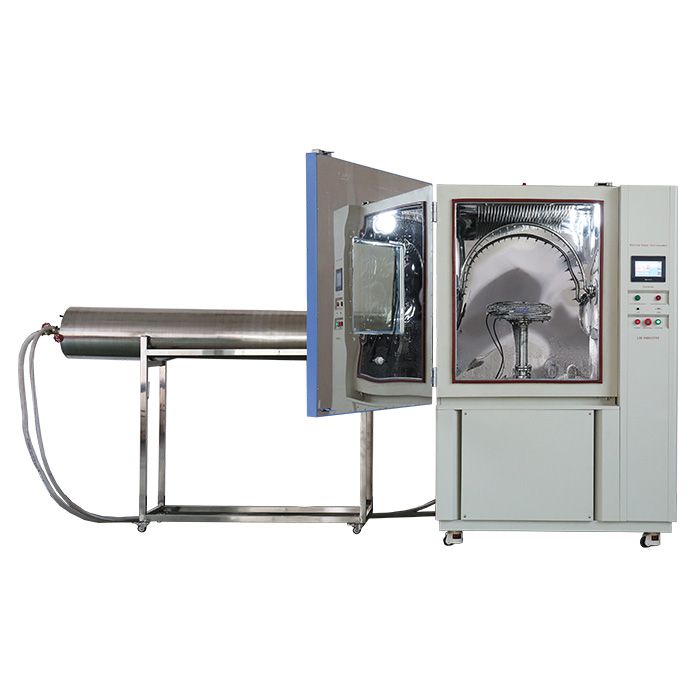
IP5X/6X Sand and Dust Test Chamber Controlled dust circulation, IEC 60529 compliance | MIL-STD-810 Sand and Dust Test Chamber Harsh dust simulation, Defense and aerospace testing | Harsh water simulation, Defense and aerospace testing | |
Selecting the right testing equipment requires careful technical evaluation. Facility managers must look beyond basic specification sheets to understand how the machine performs during continuous operational cycles.
You must calculate the necessary internal volume accurately. The device under test (DUT) cannot block internal airflow. A common mistake involves buying a machine that barely fits the product. Standard best practices dictate the DUT should occupy no more than 25% to 30% of the internal testing volume. This critical buffer zone prevents artificial airblock tunneling. It ensures even particulate distribution across all product surfaces.
Evaluate the efficiency of the machine's automated cleaning cycle. Handling fine powder creates facility messes and severe respiratory hazards. Look for machines equipped with automated vibration systems. These heavy-duty shakers dislodge trapped powder from the interior walls directly into the collection funnel. Furthermore, high-grade exhaust filtration systems remain absolutely mandatory. They reduce manual cleanup labor and fiercely protect your laboratory's indoor air quality.
Modern compliance demands absolute precision. Look for programmable logic controllers (PLCs) capable of automating multi-day test cycles seamlessly. Advanced controllers monitor vacuum levels in real-time. They trigger immediate safety alarms if negative pressure drops unexpectedly due to a ruptured product seal. Ultimately, they generate automated compliance reports. Engineers can export these files directly to their internal quality management software.
Particulate circulation generates significant static electricity over time. Static causes fine powder to cling stubbornly to walls and windows. The necessity of static-dissipative interior materials cannot be overstated. Manufacturers must use premium alloys to prevent this. Additionally, you need robust interior viewing windows. Ensure these observation windows include specialized, static-clearing mechanical wipers. Technicians must observe the DUT clearly during active testing.
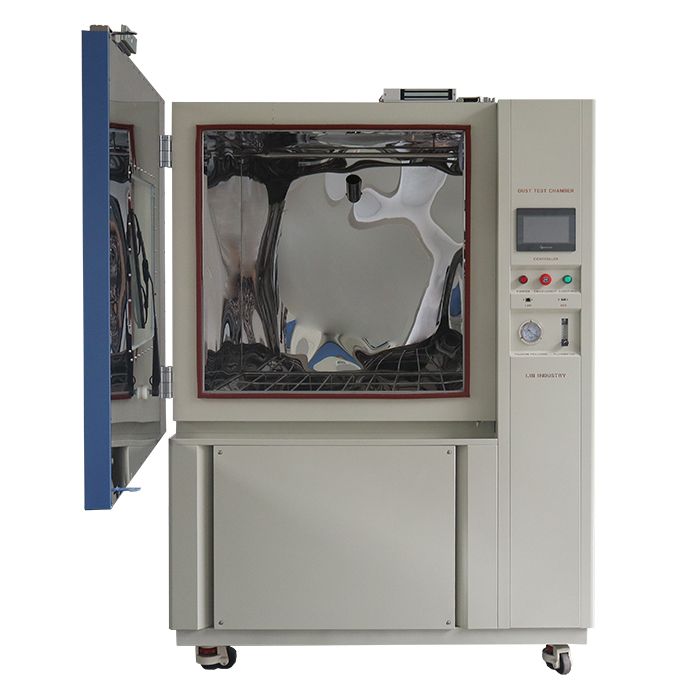
LIB IP6X Dust Resistant Sand and Dust Test Chamber | 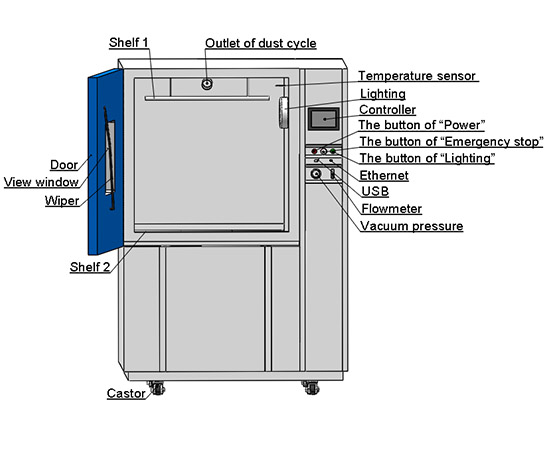 | ||
 | Temperature Range | Ambient ~ +50℃ | |
Humidity Range | < 30% RH | ||
Normal Wire Diameter | 50um | ||
Nominal Width of a Gap Between wires | 75um | ||
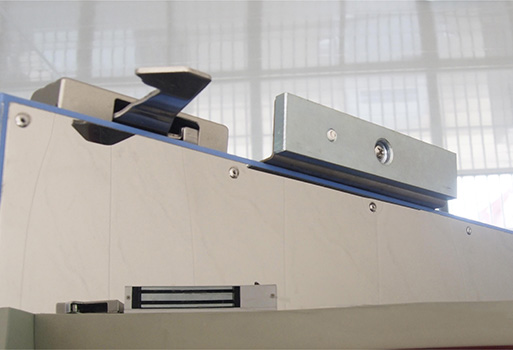
lectromagnetic lock | Specimen Power Outlet | Dust-proof socket 16A | |
Heating Element | Nichrome heater | ||
Vacuum System | Equipped with a pressure gauge, air filter, pressure regulator, connecting tube | ||
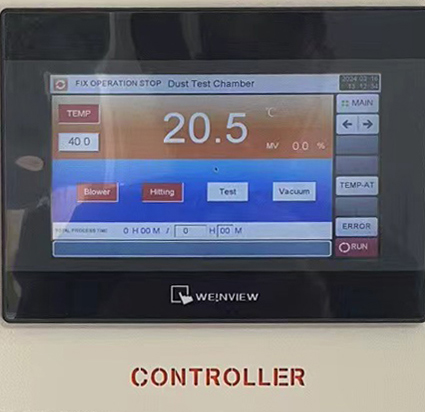 | Controller | Programmable color LCD touch screen controller,Ethernet connection, PC Link | |
Door Lock | Electromagnetic lock | ||
Maximum Noise | 65 dBA | ||
Proper installation and ongoing maintenance define long-term testing success. You must plan for facility integration long before the equipment arrives at your laboratory.
Address the logistical footprint early in the facility planning phase. These industrial units draw substantial electrical power for massive blowers and internal heaters. They often require dedicated exhaust routing to vent safely outside the building. Furthermore, testing equipment performs best in climate-controlled ambient environments. Excessive ambient humidity in your laboratory can infiltrate the machine, clump the powder, and compromise testing integrity entirely.
Practical realities govern talcum and silica replacement schedules. Test powder is not infinitely reusable. Dust degrades and clumps over time due to ambient humidity and micro-contamination from tested products. If you do not replace it regularly, compromised powder skews test results completely. Schedule regular media replacement intervals based strictly on your laboratory testing volume.
A testing machine requires routine maintenance to stay scientifically accurate. The necessity of routine anemometer and vacuum gauge calibration remains paramount. You must certify airflow sensors and pressure gauges annually using traceable standards. Proper and frequent calibration ensures your test data remains legally and scientifically defensible during rigorous external audits.
Do not purchase complex validation equipment blindly based on marketing brochures alone. We strongly advise requesting sample test data from the manufacturer. Even better, arrange to run a pilot test with your actual product before finalizing a major capital equipment purchase. This practical step verifies the system can handle your specific product geometries, vacuum requirements, and heat loads flawlessly.
A reliable testing facility requires precision validation tools, not just standard boxes equipped with basic fans. Understanding the nuanced mechanics of particulate suspension and pressure control helps you build superior product defenses. By evaluating your true compliance needs against machine capabilities, you streamline testing processes and accelerate your time to market.
To successfully integrate this testing equipment into your workflow, consider these practical next steps:
1. Audit your specific test standard requirements (IEC vs. MIL-STD) to determine whether you need gentle circulation or high-impact abrasion.
2. Calculate your exact device dimensions and add a 70% volume buffer to guarantee uninterrupted internal airflow.
3. Establish strict internal handling procedures for hazardous silica or messy talcum powder replacements.
4. Engage manufacturers early to request custom or off-the-shelf quotes based on your exact vacuum and payload demands.
A: Technicians typically use ultra-fine talcum powder tailored exactly to IEC specifications. Manufacturers filter this powder to a specific micron size to ensure it can penetrate microscopic gaps in device seals.
A: A standard test ranges from 2 to 8 hours. The exact duration depends heavily on the targeted IP rating, the vacuum pressure applied to the enclosure, and the specific regulatory standard you follow.
A: No. Test sand must meet extremely strict composition and angularity specifications. You must use designated materials like quartz silica to ensure repeatable abrasion results across different test cycles.
A: Technicians use light brushing or low-pressure air to clear the exterior. This is followed by careful disassembly to inspect internal seals without accidentally forcing external dust inside the housing.
Contact LIB Industry today to discuss your testing application, request technical specifications, or receive a customized quotation. Let us help you improve product reliability, accelerate certification, and bring your products to market with confidence.