Views: 0 Author: Site Editor Publish Time: 2026-07-24 Origin: Site


Unreliable environmental testing leads directly to catastrophic product failures in the field. These failures frequently trigger delayed time-to-market and severe compliance breaches for manufacturers. Modern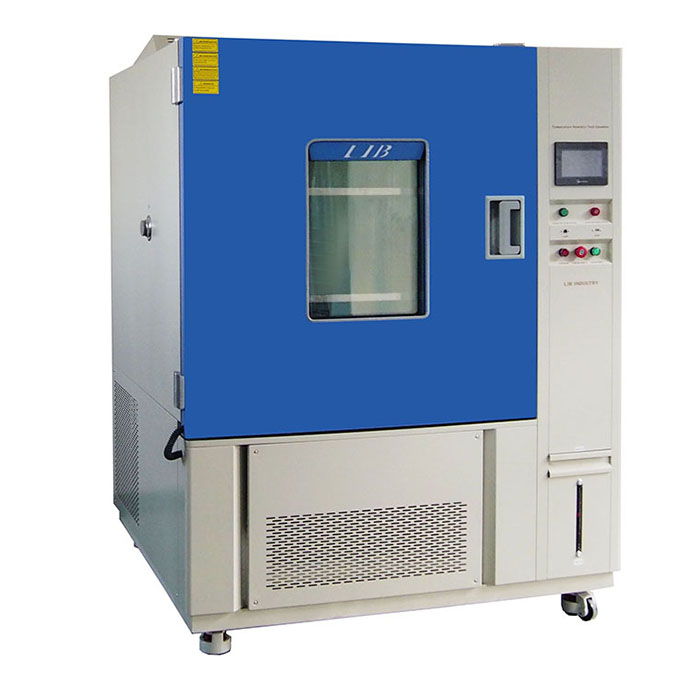 engineers must prioritize exact testing conditions to avoid these massive operational setbacks.
Understanding the exact mechanics behind chamber temperature humidity control is critical for long-term testing success. This specialized knowledge empowers both daily operators and engineering managers tasked with specifying the right equipment. Selecting the correct systems ensures your rigorous protocols meet demanding global standards consistently. This comprehensive guide breaks down the underlying physical processes and complex control systems involved. Readers will explore the strict evaluation criteria necessary to achieve precise, repeatable testing environments. You will learn exactly how to match component capabilities to your specific reliability testing standards.
1. Precise humidity control is physically impossible without highly stable temperature regulation, as relative humidity (RH) is strictly temperature-dependent.
2. Modern climate test chambers rely on a closed-loop system of thermal conditioning, moisture injection, and moisture removal governed by PID (Proportional-Integral-Derivative) controllers.
3. Selecting the right chamber requires matching the humidification method (e.g., vapor generation vs. atomization) to the specific product under test to avoid condensation damage.
4. Verifying sensor accuracy and airflow uniformity is non-negotiable for meeting strict industry standards like MIL-STD and IEC.
Many engineers specify strict humidity requirements blindly. They often do so without accounting for the psychrometric limitations of air at extreme temperatures. This represents a significant business problem. Writing a test profile for 95% relative humidity at 2°C sounds rigorous. However, it is physically impossible to achieve. Expecting equipment to break the laws of physics leads to failed test runs and wasted engineering hours. You must understand how air handles moisture before programming any cycle.
Warm air acts like an expanding sponge. It can hold a massive amount of water vapor. Cold air acts like a shrinking sponge. It can barely hold any moisture at all. Because of this dynamic, relative humidity strictly depends on the current air temperature. A climate test chamber cannot manipulate humidity accurately if the temperature fluctuates. The system must first establish the target dry-bulb temperature. Once it locks in this thermal baseline, it can inject or remove moisture to hit the precise RH setpoint.
Dew point represents another critical physics factor. Dew point is the specific temperature where air becomes completely saturated. If air cools below its dew point, it dumps excess moisture. This creates unwanted condensation. Condensation is the enemy of electronics testing. Water droplets forming on your Device Under Test (DUT) can cause immediate electrical shorts. Advanced systems constantly calculate the dew point during rapid thermal cycling. They proactively dry the air before dropping the temperature. This prevents accidental water damage to expensive prototypes.
Note: When evaluating testing limits, remember that high humidity at near-freezing temperatures is physically impossible; always consult a psychrometric chart before finalizing test profiles.
| Target Temperature (°C) | Maximum Achievable RH (%) | Typical Real-World Chamber Limit | Physics Constraint |
|---|---|---|---|
| 85°C | 100% | 95% - 98% | High moisture capacity; limited by sensor saturation limits. |
| 20°C | 100% | 90% - 95% | Moderate capacity; easily controlled by standard systems. |
| 5°C | ~80% | 10% - 20% (Standard) | Low moisture capacity; risks freezing on cooling coils. |
| -10°C | N/A (Freezing) | N/A | Moisture turns to ice; standard humidity control ceases. |
Manipulating an internal environment requires brute force balanced by delicate precision. Manufacturers use specific physical mechanisms to push and pull temperature and moisture. These components work together seamlessly. They operate inside a hidden area called the plenum chamber. The plenum conditions the air before powerful fans blow it over your test subjects.
Mechanical Refrigeration: Modern systems use heavy-duty compressors. These circulate refrigerants to pull heat out of the workspace. Dual-cascade compressor systems handle ultra-low temperature requirements.
Nichrome Wire Heaters: These bare-wire heating elements respond instantly to electrical currents. They push rapid bursts of heat into the airstream to combat cold drops.
The Plenum Chamber: This is the mixing zone. Air never gets heated or cooled directly next to the DUT. Instead, air recirculates through the plenum, passes over heaters and cooling coils, and returns to the workspace stabilized.

When the air needs more water, the system activates a humidifier. Vendors generally offer two distinct approaches. Vapor generators boil water to create pure steam. Steam naturally diffuses into the plenum quickly. It is incredibly clean. However, boiling water generates significant heat. This heat burden forces the cooling compressors to work harder to maintain the dry-bulb setpoint.
Atomizers offer a different approach. They use pressurized air and specialized nozzles to spray a fine mist. This mist evaporates into the airstream instantly. Atomizers use far less energy than steam generators. They do not add unwanted heat to the system. But they come with a strict catch. You must use ultra-pure water. If you do not, minerals in the water will clog the microscopic atomizer nozzles quickly.
Lowering the humidity requires stripping moisture from the air. Standard systems use mechanical dehumidification. They route the airstream over a specialized cooling coil. This coil runs much colder than the current dew point. Water vapor condenses onto the cold metal immediately. It drips into a pan and drains away. This simple method works perfectly for standard testing profiles.
Sometimes protocols require extreme dryness. For example, testing automotive electronics might require sub-10% RH. Mechanical cooling cannot achieve this without freezing the moisture into solid ice on the coils. Instead, specialized desiccant dryers step in. These honeycomb-like wheels contain chemical desiccants. They absorb moisture aggressively from the airstream. They allow engineers to reach ultra-low humidity levels safely.
Tip: If your testing involves exposed printed circuit boards (PCBs), specify a chamber with a steam-based vapor generator rather than an atomizer to prevent microscopic water droplets from causing shorts.
Detailed cross-section showing how a climate test chamber conditions air through heating, cooling, and moisture injection.
Incredible hardware means nothing without intelligent direction. A unit's mechanical components are only as good as the software driving them. You need a highly responsive feedback loop to prevent chaotic temperature swings. This is where advanced control algorithms step in.
The industry standard relies on PID (Proportional-Integral-Derivative) controllers. These microprocessors constantly evaluate the internal environment. They calculate the exact difference between your desired setpoint and the actual conditions. A simple thermostat turns a heater entirely on or off. A PID controller behaves differently. It micro-pulses the heating elements and compressors. It feathers the throttle. This intelligent pulsing prevents extreme overshoot. It stops the temperature from rocketing past your target and ruining the test profile.
Controllers rely entirely on accurate data. Therefore, choosing the correct sensor type is a critical evaluation dimension. You must match the sensor technology to your specific test loads.
| Feature | Wet-Bulb / Dry-Bulb Sensors | Solid-State Capacitive Sensors |
|---|---|---|
| Core Technology | Two thermometers; one covered in a wet wick. Evaporation rate determines humidity. | Polymer dielectric layer. Moisture changes the electrical capacitance. |
| Accuracy Level | Extremely high, inherently tied to foundational thermodynamic principles. | Very high, but requires regular electronic calibration. |
| Maintenance Burden | High. Wicks must be cleaned or replaced regularly. Requires pure water supply. | Low. Install it and leave it alone until the annual calibration cycle. |
| Contamination Risk | Highly resistant to chemical outgassing and airborne pollutants. | Highly susceptible. VOCs can permanently ruin the polymer layer. |
Tip: Audit your test materials before choosing a sensor type. If you are testing products that outgas volatile organic compounds (VOCs), traditional wet/dry bulb sensors often provide better long-term reliability than solid-state sensors.
Understanding internal mechanics gives you a clear advantage. However, you must connect this knowledge to actual B2B testing realities. Global supply chains rely on standardized testing protocols. If your equipment cannot execute these profiles flawlessly, your compliance documentation becomes worthless.
Protocols like IEC 60068-2-30 and MIL-STD-810 dictate severe environmental stresses. They demand precise stabilization and aggressive ramp rates. Ramp rate defines how fast the internal space transitions from cold to hot, or dry to humid. The system's volumetric capacity directly dictates its ability to meet these rates. If a standard requires a 5°C per minute jump, your heaters must possess the wattage to push that specific air volume rapidly.
Airflow uniformity is equally critical. Strict standards require the entire workspace to remain homogeneous. A circuit board placed in the back-left corner must experience the exact same humidity as a board sitting right by the door. Powerful fan motors and engineered baffles distribute the air evenly. Poor airflow leads to localized hot spots. Hot spots ruin the integrity of your batch testing.
Implementation risks often arise from "live loads." A live load is a DUT powered on during the test. Running motors, active batteries, or powered CPUs generate their own thermal energy. This localized heat immediately skews the humidity levels immediately surrounding the product. The control system must continuously detect this interference and compensate rapidly. If the controller reacts too slowly, the DUT will experience conditions entirely outside the accepted compliance parameters.
| LIB Popular Temperature Humidity Chambers | |||
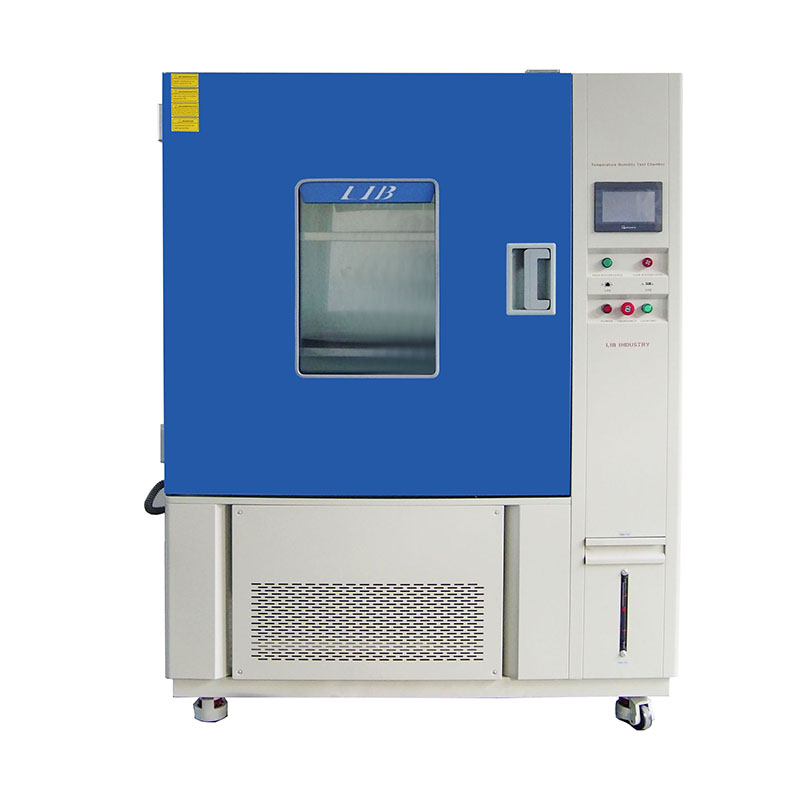
Standing temperature humidity chamber Precise climate simulation, Reliable long-term stability testing |
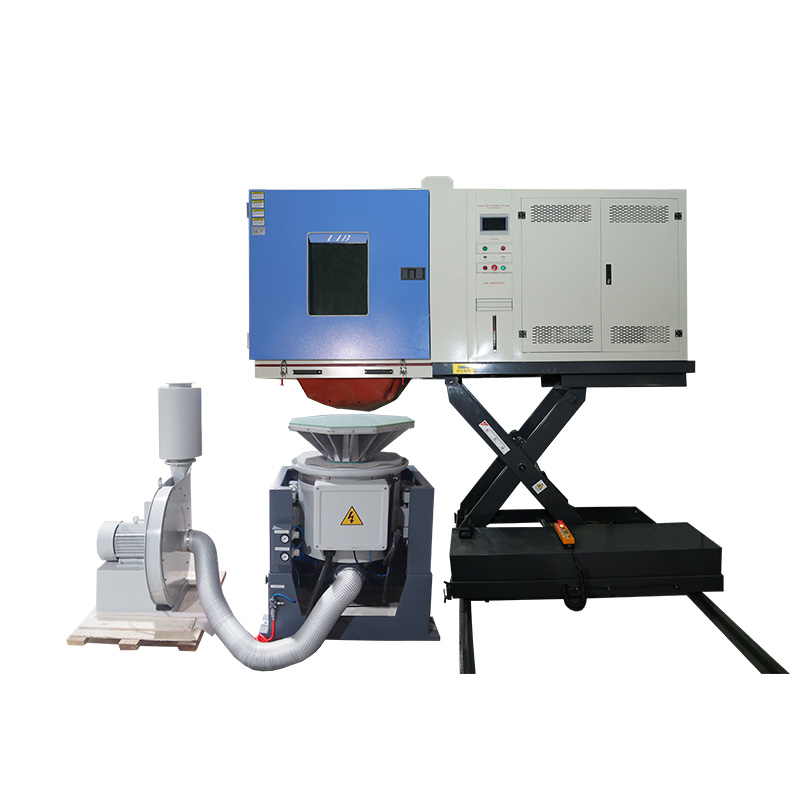
Combined Climate and Vibration Chamber Simulate temperature, humidity, and vibration stresses in one test |
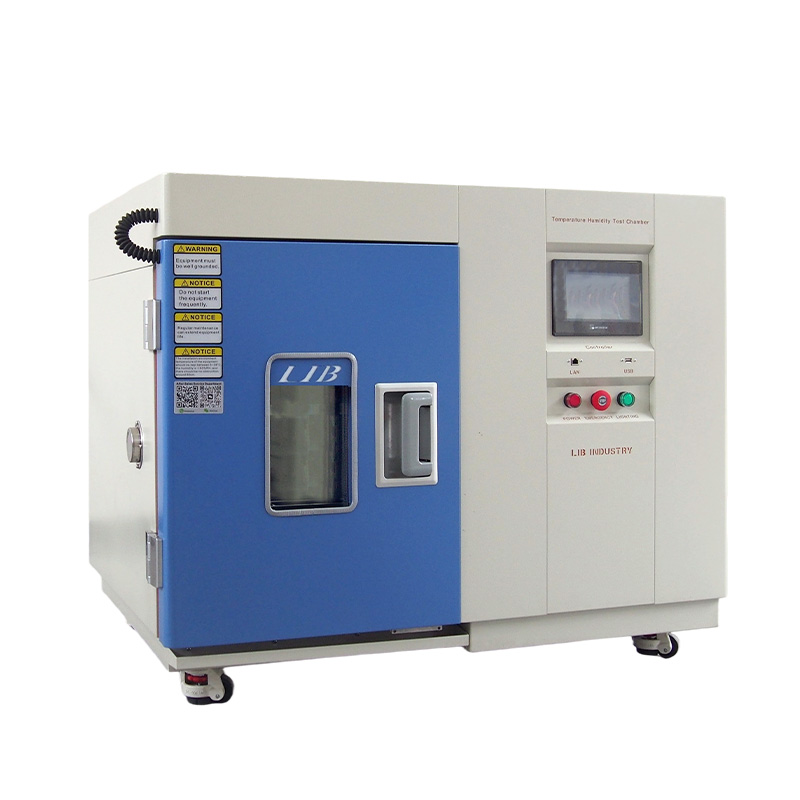
Small temperature humidity chamber Compact footprint design, High-accuracy environmental control |
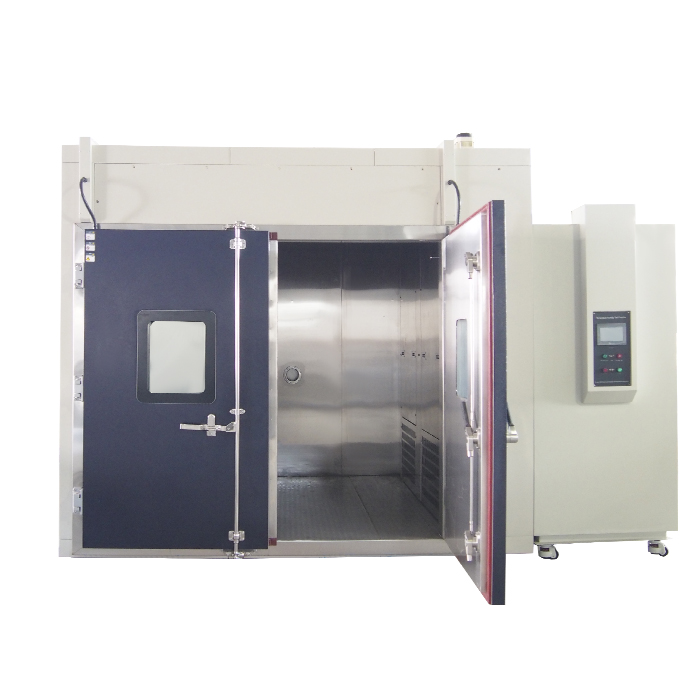
Walk-In temperature humidity chamber Large-capacity testing space, Ideal for oversized products |
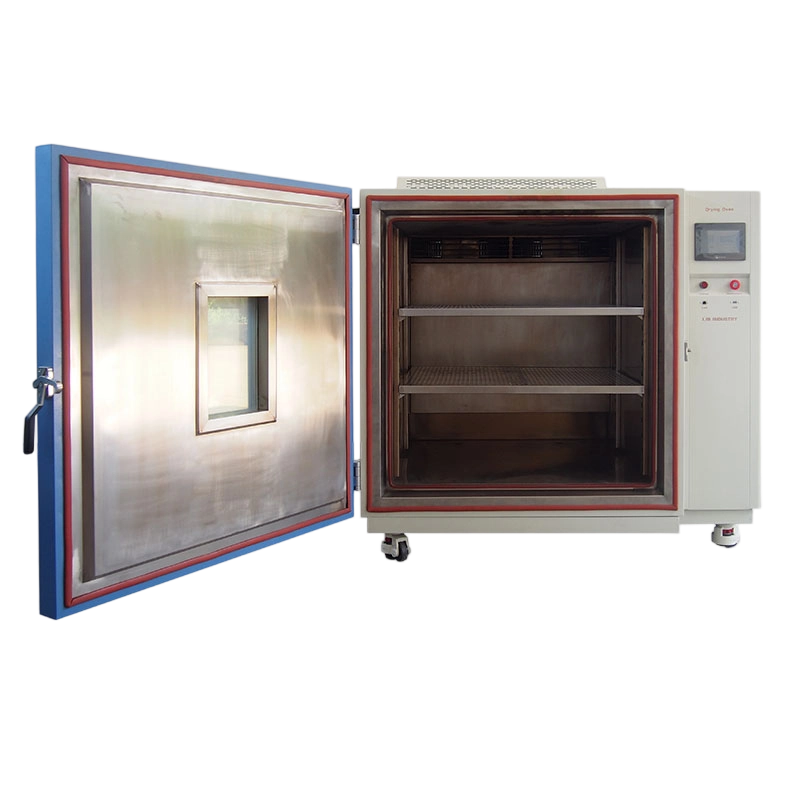
Industrial High-Temperature Vacuum Drying Oven Uniform heat distribution, Efficient material drying |
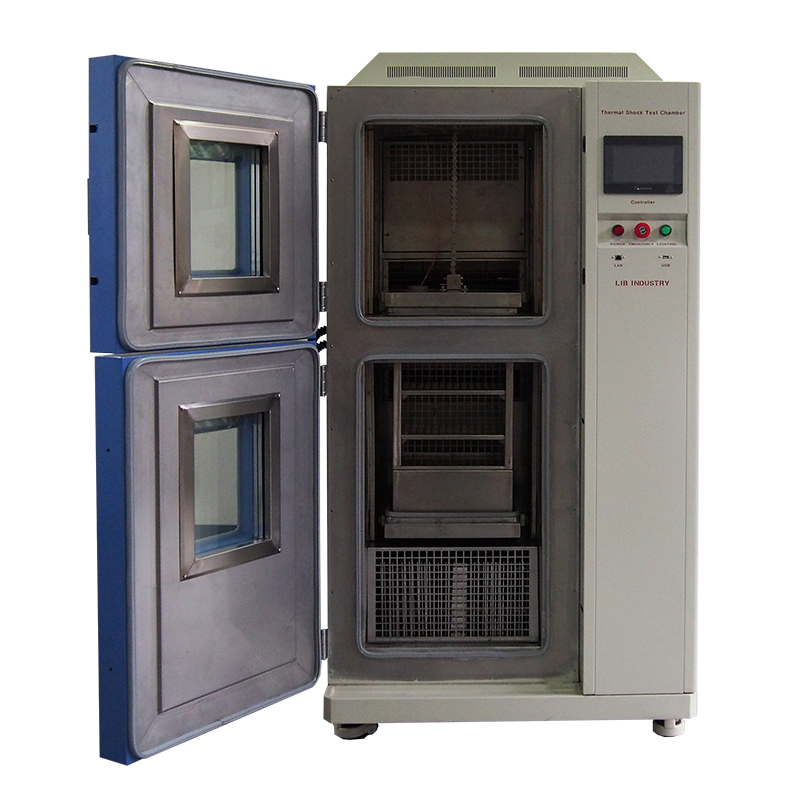
Extreme thermal stress simulation, Fast failure detection capability |
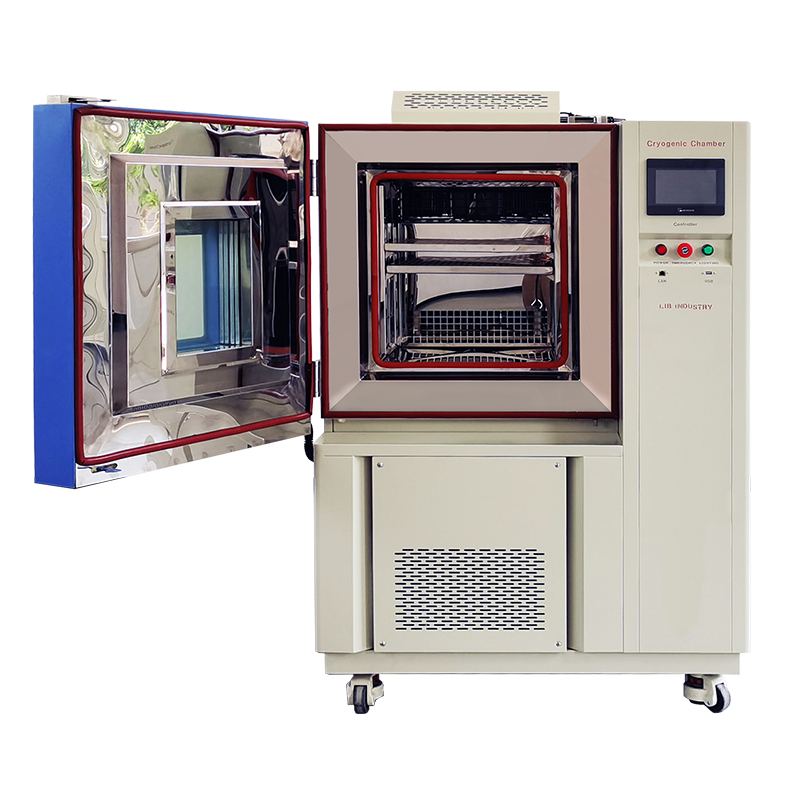
Ultra-low temperature performance, Reliable cold resistance evaluation |
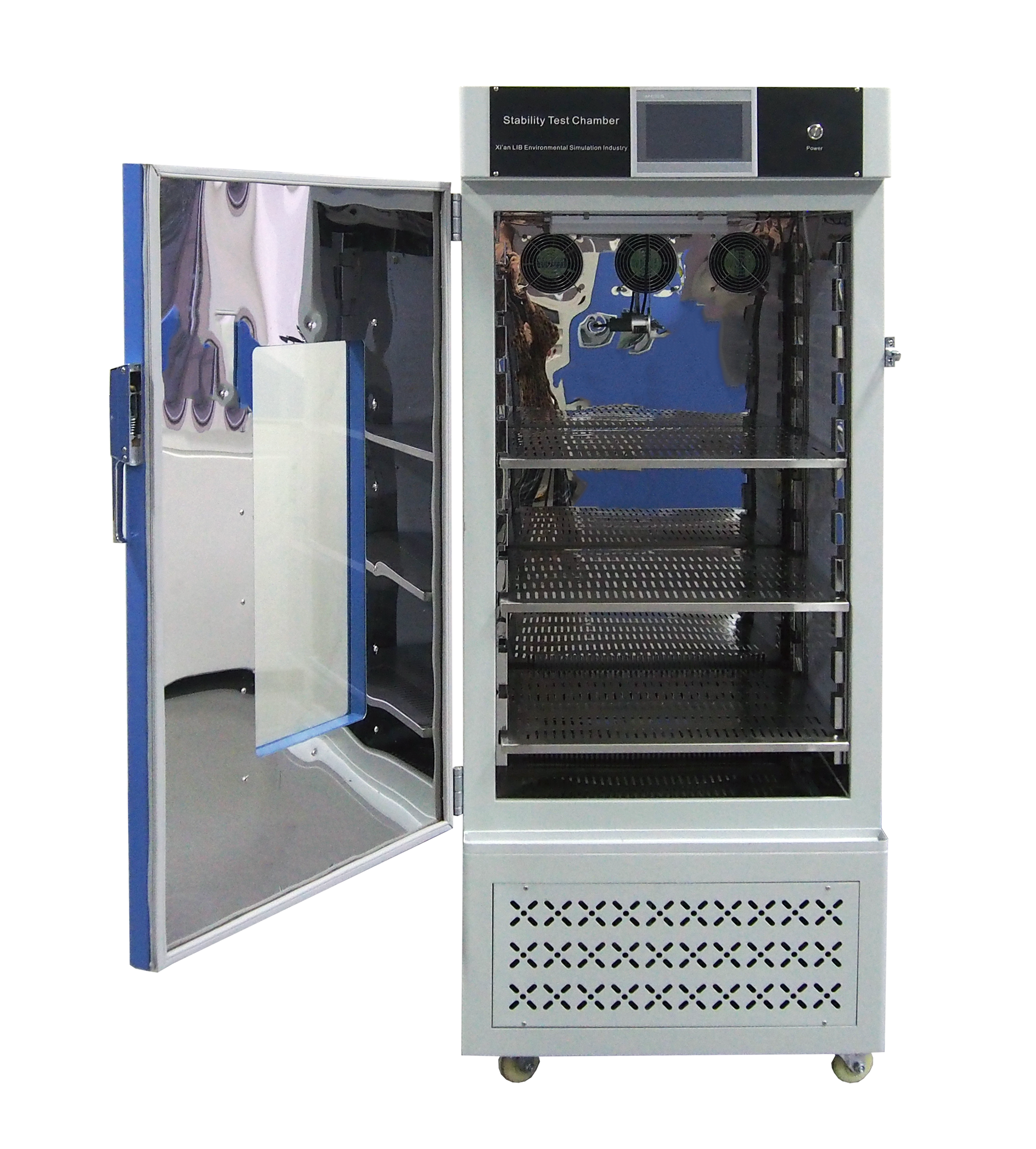
ICH-compliant stability testing, Precise temperature and humidity control |
Evaluating technical quotes from different manufacturers can feel overwhelming. You need a structured approach to cut through the marketing language. Proper shortlisting logic ensures you purchase a system capable of handling your worst-case scenarios.
1. Analyze Sizing vs. Performance: Do not fall into the trap of buying an oversized box. Placing a tiny electronic component into a massive workspace causes severe instability. The PID controller will hunt erratically for the correct output. Conversely, an undersized box lacks the internal volume to distribute air properly around bulky prototypes. It will also fail to meet rapid temperature ramp rates.
2. Calculate Your Live-Load Thermal Outputs: Never base a purchase decision solely on the system's empty performance specs. An empty box always performs perfectly. You must calculate the mass, material composition, and active heat dissipation of your specific test subjects. Give these exact numbers to the manufacturer. Demand guaranteed performance calculations based on your true loads.
3. Audit Facility Utility Requirements: High-performance testing requires serious facility infrastructure. Check your utility capabilities before signing a purchase order. Atomizers and wet-bulb sensors mandate a continuous supply of RO/DI water. Aggressive heating ramps require heavy-duty electrical drops. Furthermore, mechanical dehumidification produces continuous condensation. You must have adequate floor drains installed nearby.
4. Assess Maintenance and Calibration Readiness: Even the best systems drift over time. You must evaluate the vendor based on serviceability. Ask how easily technicians can access the heating elements and compressors. More importantly, verify how easily the sensor loops can be recalibrated. Ensure the hardware supports adjustments that comply strictly with ISO 17025 calibration standards.
Note: Never base a purchase decision solely on the chamber's empty performance specs. Always demand performance calculations that include the mass, material, and heat dissipation of your specific test loads.
Precise chamber temperature humidity control always remains a complex balancing act. It requires an orchestrated dance between thermal dynamics, precision sensor technology, and highly responsive PID logic. A failure in any one of these components compromises the integrity of your entire testing protocol. Understanding these underlying mechanics empowers you to make highly informed engineering decisions.
Before approaching a vendor, take immediate action to prepare your team. First, document your absolute most extreme test profiles, including the fastest required ramp rates. Second, calculate the maximum live-load thermal outputs your products will generate during active testing. Finally, conduct a thorough assessment of your facility's utility capabilities, focusing on electrical capacity and water purity. Gathering this exact data ensures you specify a system built for absolute reliability.
A: This limitation stems strictly from physics. Very little moisture exists in cold air naturally. Standard mechanical cooling coils risk freezing the residual moisture into solid ice before reaching the target setpoint. To reliably achieve ultra-low humidity at near-freezing temperatures, you need specialized desiccant dryers integrated into the system.
A: Temperature always stabilizes first, followed by humidity. The exact time depends heavily on the system's volumetric capacity and the thermal mass of your test load. Furthermore, a larger delta between ambient conditions and your target setpoint naturally extends the required stabilization period.
A: You must use Demineralized, Reverse Osmosis (RO), or Deionized (DI) water. The water should typically measure between 50k to 1M ohm-cm resistance. Using standard tap water causes severe mineral scale buildup. This scale will rapidly destroy expensive heating elements, clog atomizer nozzles, and ruin sensitive humidity sensors.
Whether you need a standard climate chamber or a customized environmental testing solution, LIB Industry's engineering team can help you select the right system based on your test profile, sample characteristics, and performance requirements.
Contact LIB Industry today to discuss your temperature humidity testing needs and build a reliable solution for your product validation process.