Views: 0 Author: Site Editor Publish Time: 2026-07-23 Origin: Site


Manufacturers cannot leave product reliability to chance in today's highly competitive landscape. You need a reliable method to simulate extreme environmental conditions before your products reach the open market. We view a temperature humidity test chamber not just as a standard laboratory enclosure, but as a critical risk-mitigation tool. Launching untested products often leads to premature field failures across various climates.
These unexpected failures trigger costly recalls and severe regulatory compliance violations. It is a massive business problem you must actively prevent. Transitioning from a basic understanding of this equipment to actual procurement takes careful strategic planning. You will learn how evaluating temperature humidity testing equipment requires precise technical matching. We will explore how to perfectly align thermal capabilities and moisture control metrics with specific industry standards and spatial constraints.
1. Core Function: Temperature humidity chambers replicate specific climatic conditions to test product durability, validate shelf life, and ensure regulatory compliance.
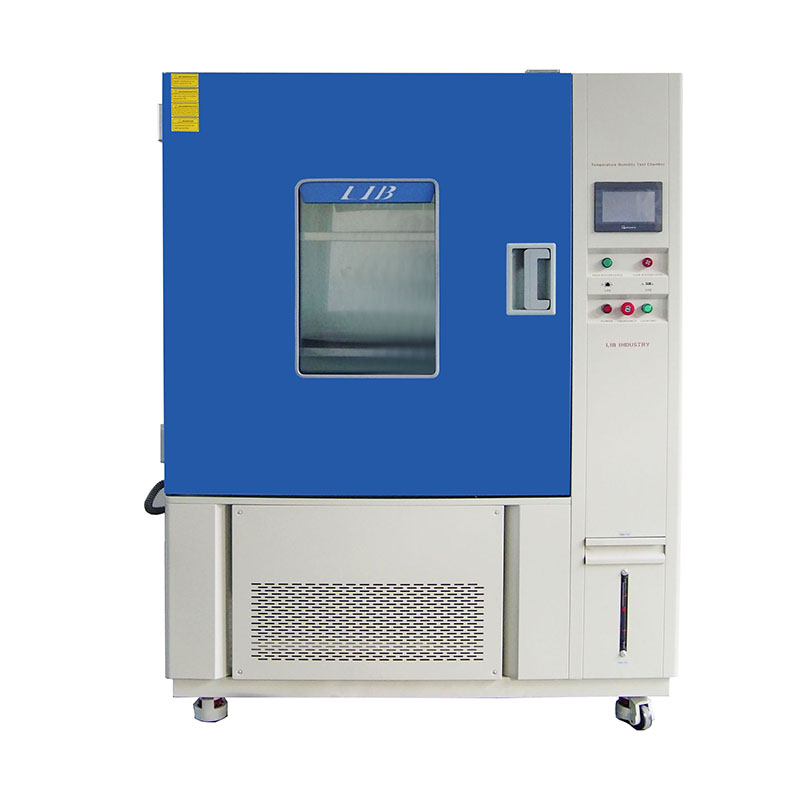
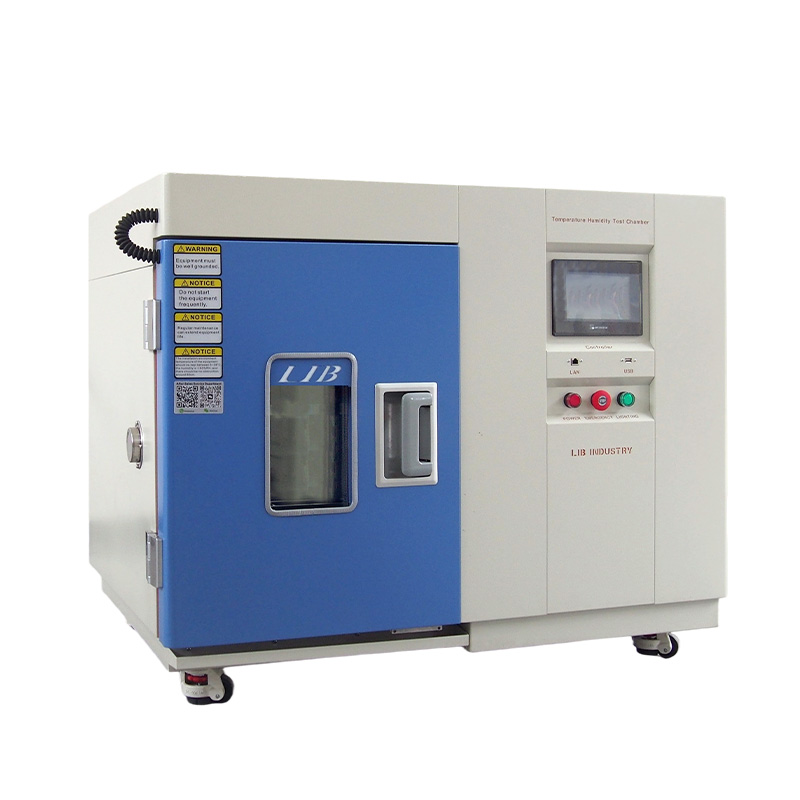
2. Categorization: Systems are generally divided into benchtop (small component testing), reach-in (standard volume), and walk-in/drive-in (large-scale or batch testing) models.
3. Evaluation Criteria: Buying decisions must factor in live load compensation, temperature transition rates, and psychrometric limitations, rather than just minimum and maximum ranges.
4. Total Cost of Ownership (TCO): Long-term costs are heavily influenced by utility consumption, compressor maintenance, and the required purity of the water supply system.
Understanding how a chamber achieves thermal stability helps buyers evaluate internal components accurately. You can easily avoid high false-failure rates during critical testing phases. Systems use robust temperature control mechanisms to reach target parameters reliably. We see mechanical refrigeration deployed for rapid cooling cycles. Single-stage compressors handle standard cooling tasks efficiently.
They easily manage ambient temperatures down to -20°C or -40°C. Cascade compressors tackle ultra-low temperature requirements instead. They utilize two linked refrigeration loops. This design allows them to reach -70°C or even -80°C without overworking the mechanical system. Electric heating elements provide the necessary warming power. They feature low-mass designs for highly rapid response times.
Humidity control requires equal precision to maintain stable testing environments. Chambers add moisture using several different engineered methods. Steam generators boil water externally and inject pure vapor into the workspace. Atomizers spray a fine mist of water directly into the circulating air stream. Heated water baths provide a gentler, more natural evaporation process. Chambers remove moisture using specialized dehumidification coils. These cooling coils condense water vapor directly out of the air. Specialized desiccant dryers handle ultra-low humidity requirements by absorbing airborne moisture chemically.
Controller precision ties these mechanical systems together seamlessly. PID (Proportional-Integral-Derivative) controllers manage the subtle thermal adjustments constantly. PLC software provides the intuitive user interface and underlying programming logic. They maintain uniform testing profiles automatically. They actively prevent the system from overshooting specific target parameters.
A test remains only as reliable as the internal airflow dynamics. We must pay close attention to air circulation design.
Sensor Placement: Poorly located sensors misread the actual environment immediately surrounding your product.
Fan Speeds: Inadequate air velocity fails to distribute conditioned air evenly across the workspace.
Localized Zones: Weak airflow creates highly localized hot or dry spots inside the chamber.
Data Integrity: These uneven thermal zones completely invalidate your collected test data and compliance reports.
Selecting the wrong physical footprint creates immediate operational problems. A chamber too small bottlenecks your entire testing schedule constantly. A unit too large wastes valuable floor space and inflates utility bills unnecessarily. You must match the equipment size to your specific daily workflow carefully.
Benchtop chambers work best for agile R&D labs. They easily handle small electronic components or basic material samples. They offer high scalability for growing engineering teams. You can place several compact units directly on a standard lab bench. However, they remain somewhat limited in thermal transition speed. They also possess lower live-load capacity due to smaller internal cooling compressors.
Reach-in chambers represent the true industry standard for continuous QA testing. They offer highly robust performance profiles for daily testing operations. They feature larger workspaces and much more powerful airflow systems. They are ideal for pharmaceutical stability batches. Automotive suppliers use them extensively for complex sub-assembly testing. They usually fit easily through standard commercial laboratory doorways.
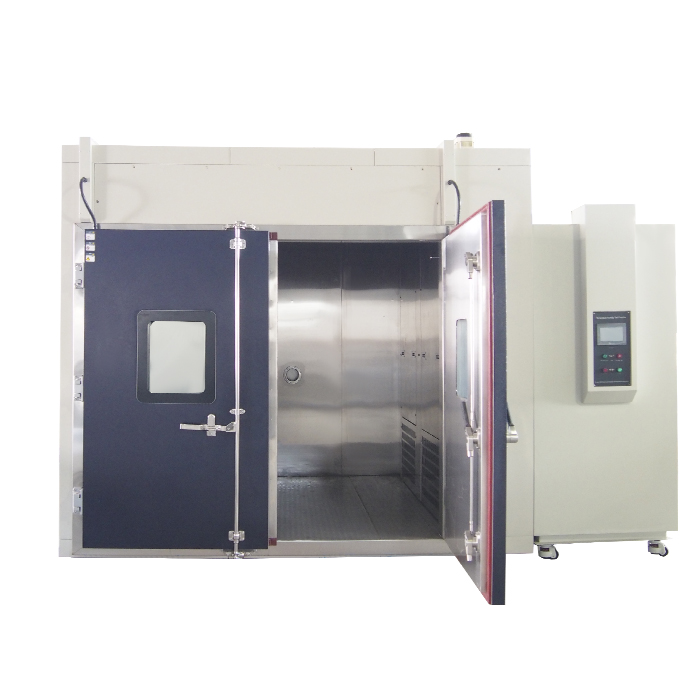
Walk-in and drive-in chambers tackle large-scale items effectively. You need these massive systems for entire vehicles, solar panels, or large batch testing. They require significant facility planning long before installation. You must prepare adequate floor drainage systems. You will need heavy-duty electrical drops to power massive industrial compressor racks. Many installations also require structural floor reinforcement to bear the extreme weight of heavy test products.
| Chamber Type | Best Application | Key Advantage | Primary Limitation |
|---|---|---|---|
| R&D labs, small component checks | Compact, highly scalable | Lower overall live-load capacity |
| QA testing, sub-assemblies | Robust daily operational performance | Fixed internal volume spatial constraints |
| Entire vehicles, massive test batches | Accommodates extremely massive products | Intensive facility planning required |
Best Practice Tip: Always size your chamber correctly from the start. Test items should consume no more than 30% to 50% of the internal volume. Overcrowding restricts airflow severely. It severely skews temperature uniformity across your diverse testing products.
The primary return on investment for testing equipment is immediate compliance audit readiness. It also heavily accelerates your product's critical time-to-market. Various demanding industries rely on strict testing protocols to guarantee user safety and product longevity.
1. Electronics & Semiconductor: Testing focuses heavily on thermal shock, oxidation, and moisture ingress. Engineers run complex thermal profiles based directly on MIL-STD-810 or IEC 60068 standards. They verify the true longevity of fragile circuit boards. They ensure delicate solders withstand rapid temperature shifts without cracking.
2. Pharmaceuticals & Packaging: QA teams perform steady-state stability testing meticulously. This process validates product shelf life securely over many months. They follow strict ICH Q1A compliance guidelines. They commonly use 25°C/60% RH or 40°C/75% RH steady environments. This strictly guarantees medications remain chemically effective before their printed expiration dates.
3. Automotive & Aerospace: Manufacturers execute extreme cyclical testing continuously. They simulate decades of harsh environmental exposure in just a matter of short weeks. They expose engine components to freezing high altitudes and scorching desert heat. This testing prevents catastrophic field failures during commercial flight or on the open road.
| LIB Popular Temperature Humidity Chambers | |||
Standing temperature humidity chamber Precise climate simulation, Reliable long-term stability testing |
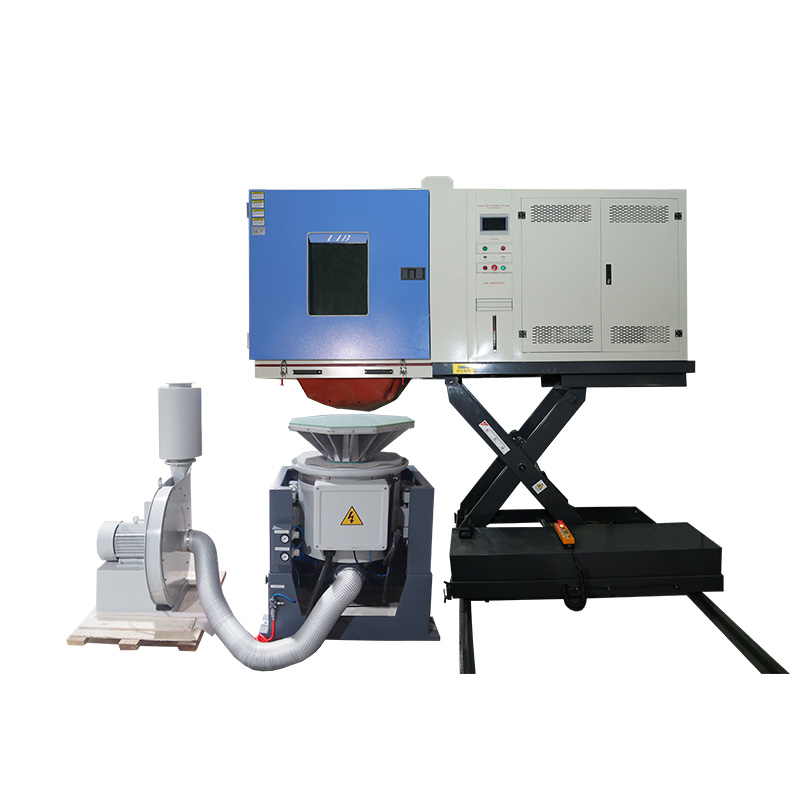
Combined Climate and Vibration Chamber Simulate temperature, humidity, and vibration stresses in one test |
Small temperature humidity chamber Compact footprint design, High-accuracy environmental control |
Walk-In temperature humidity chamber Large-capacity testing space, Ideal for oversized products |
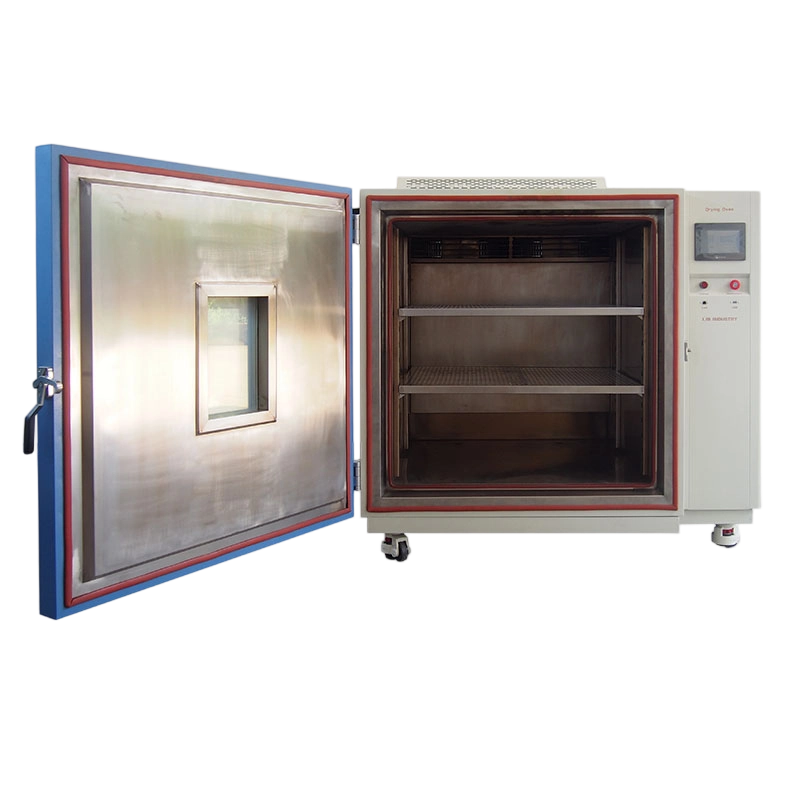
Industrial High-Temperature Vacuum Drying Oven Uniform heat distribution, Efficient material drying |
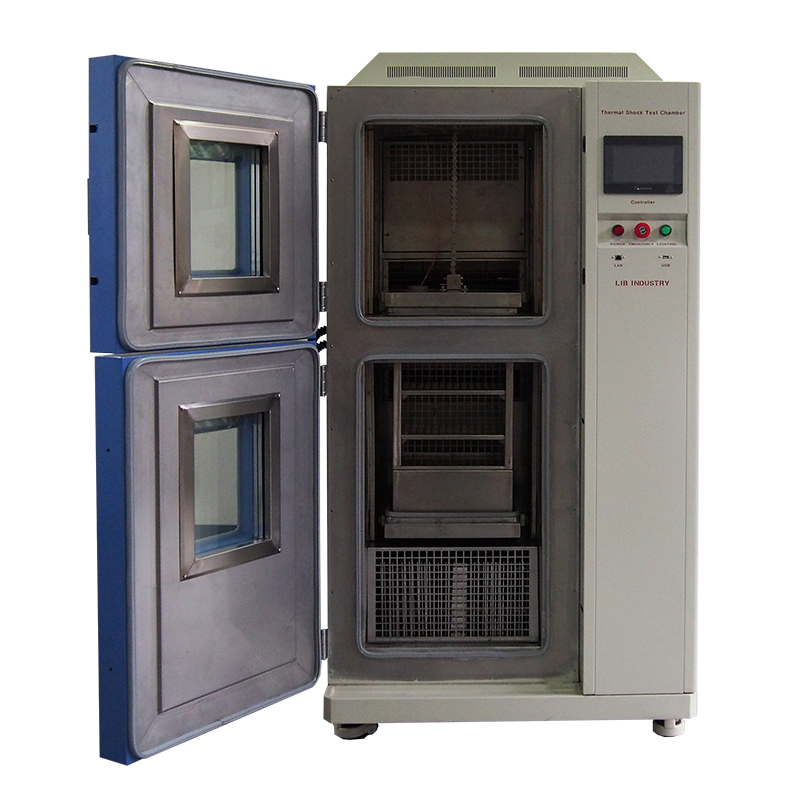
Extreme thermal stress simulation, Fast failure detection capability |
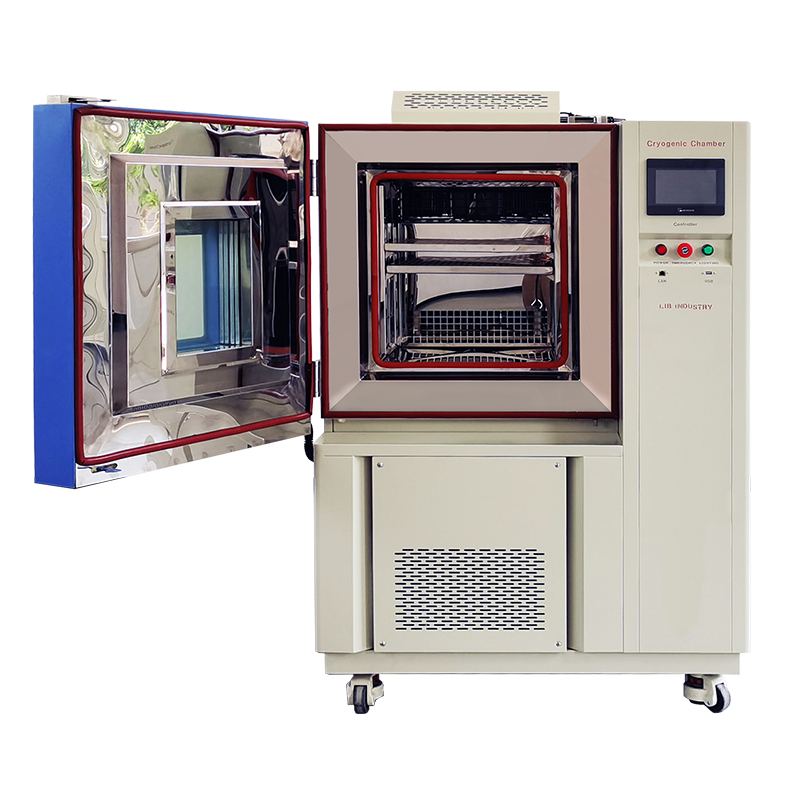
Ultra-low temperature performance, Reliable cold resistance evaluation |
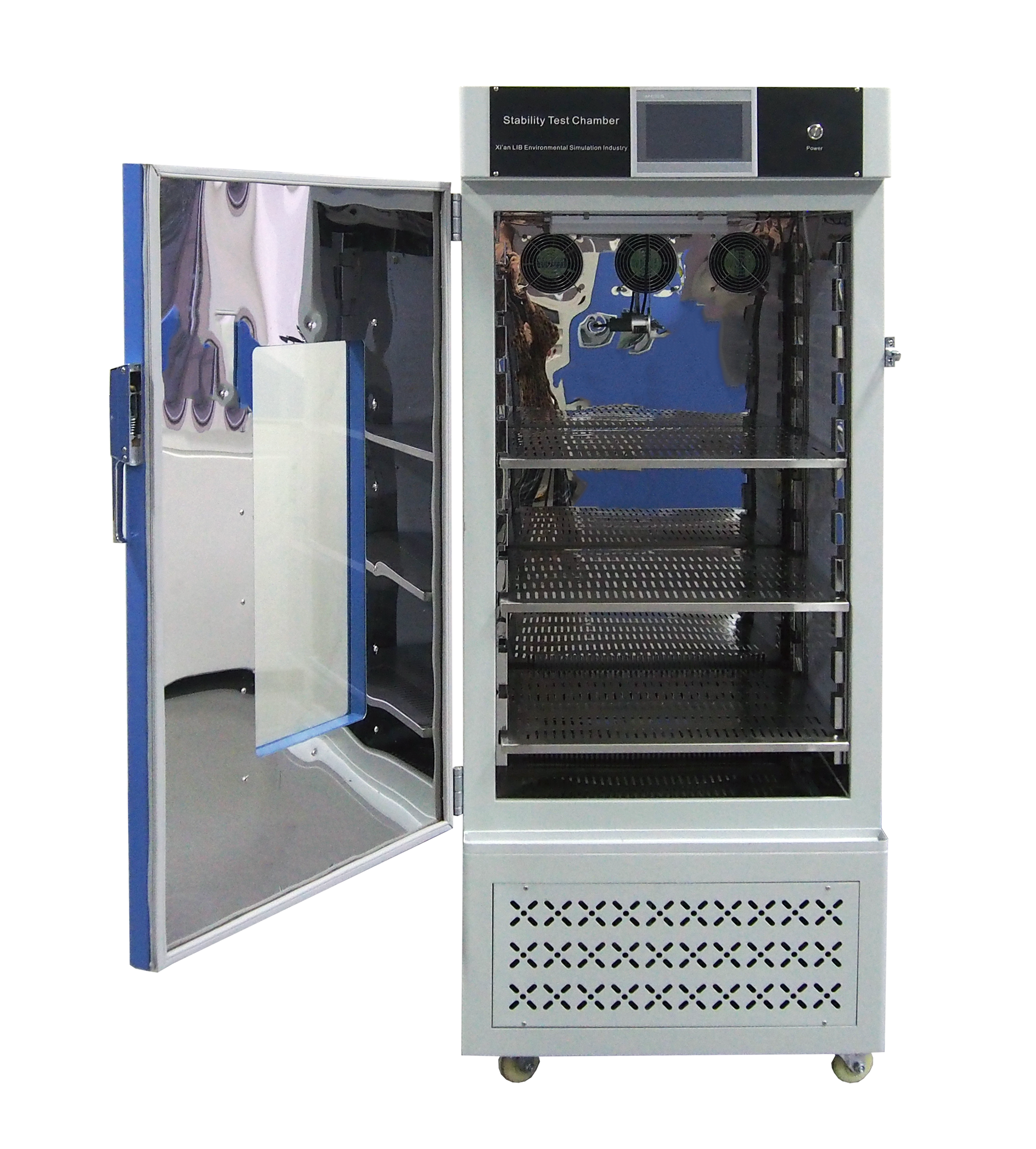
ICH-compliant stability testing, Precise temperature and humidity control |
You must evaluate specific technical criteria before finalizing any major equipment purchase. Simply checking minimum and maximum range specifications is never enough for highly accurate testing operations.
First, map your required testing extremes against the equipment's psychrometric chart. High temperatures do not always support high humidity levels simultaneously. Pure physics limits exactly how much moisture hot air can hold before heavy condensation occurs. You need a psychrometric chart to verify achievable climate intersections accurately.
Second, understand required change rates or ramp rates thoroughly. Steady-state chambers execute very slow environmental changes. They maintain high thermal stability for long-term aging tests. Dynamic cycling chambers perform rapid, aggressive temperature changes. They can shift internal temperatures by 5°C to 15°C per minute easily. You need these rapid ramp rates for highly accelerated life testing protocols (HALT).
Third, address live load capacity or heat dissipation actively. This factor is absolutely critical when testing active or powered components. Electric vehicle batteries and running consumer electronics generate their own internal heat constantly. The chamber's mechanical refrigeration system must actively fight this external thermal load. You need sufficient cooling power to maintain perfect thermal equilibrium during the entire test.
Finally, evaluate data logging capabilities and software security features. Pharmaceutical buyers must check for strict FDA 21 CFR Part 11 compliance. You need highly secure audit trails and encrypted electronic signatures. Ensure the operating software integrates smoothly into your existing laboratory information management systems (LIMS). This crucial integration completely prevents manual data entry errors.
| Evaluation Metric | Why It Matters | What To Watch Out For |
|---|---|---|
| Psychrometric Limits | Defines realistic achievable temp/humidity combinations. | Assuming maximum temp and maximum humidity can run together. |
| Ramp Rates | Determines exactly how fast environments shift. | Under-sizing compressors for rapid thermal shock testing needs. |
| Live Load Capacity | Offsets heat generated by powered active products. | Failing to calculate device wattage before finalizing the purchase. |
| Data Security | Ensures rigid legal and regulatory reporting compliance. | Missing LIMS integration or lacking basic user audit trails. |
Best Practice Tip: Always check your exact device under test (DUT). If it remains fully powered on during testing, calculate its maximum wattage output precisely. Provide this exact "live load" data directly to the equipment manufacturer. This important step ensures they size your cooling system adequately from day one.
Purchasing a temperature humidity test chamber acts as a direct, powerful investment in product integrity. It serves as your primary frontline defense for long-term brand protection. Successful equipment procurement requires carefully balancing your specific spatial needs with core performance metrics. You must intelligently weigh ramp rates and live load compensation against incredibly strict global compliance standards.
Take immediate action to structure your specific buying process today. First, meticulously map out your exact testing standards, such as military IEC or pharmaceutical ICH guidelines. Next, calculate your product dimensions and active heat loads accurately to avoid sizing errors. Finally, consult directly with specialized equipment manufacturers. Ask them to model specific chamber configurations and provide formal, highly detailed quotes for your facility.
A: A steady-state chamber maintains a highly constant environment over time. Laboratories use it primarily for long-term product aging and shelf-life stability testing. A cycling chamber rapidly shifts between extreme temperature variables. Manufacturers use these dynamic chambers for accelerated stress testing to uncover latent product defects quickly.
A: Yes, you can test fully active devices safely. However, the chamber must feature sufficient internal cooling capacity. It needs to actively offset the heat load generated by the powered electronics to maintain the targeted testing environment without failing.
A: You must use completely demineralized, deionized, or reverse osmosis (RO) water. Using standard municipal tap water introduces harsh minerals into the system. This mineral buildup will quickly destroy delicate internal sensors, electric heaters, and fine plumbing components.
A: Most industrial facilities perform equipment calibration annually. However, ISO/IEC 17025 accredited labs and highly regulated pharmaceutical environments follow much stricter rules. They often require bi-annual calibration mapping to maintain rigid regulatory compliance and ensure absolute test data validity.
Looking for a reliable temperature humidity test chamber tailored to your testing requirements? LIB Industry provides advanced environmental simulation solutions designed to help manufacturers improve product reliability, meet international standards, and accelerate product development. Contact LIB Industry today to discuss your testing needs and get a customized solution from our professional engineering team.