Views: 0 Author: Site Editor Publish Time: 2026-07-28 Origin: Site


Selecting the wrong environmental testing equipment risks delayed product launches. It also leads to failed compliance audits and massive utility waste. These painful failures often stem from rushed procurement decisions. When you match your product to the wrong machine, you jeopardize your entire development cycle. Reworking flawed tests costs engineering teams thousands of hours annually.
Conversely, a well-specified unit guarantees reproducible test data. It firmly proves product reliability under severe environmental stress. Proper equipment also helps you meet rigorous regulatory frameworks effortlessly. You can confidently present your data to auditors and stakeholders. Reliable testing infrastructure forms the backbone of hardware quality assurance.
This guide provides a step-by-step engineering framework about LIB Industry's Temperature and Humidity Test Chamber. We will help you evaluate, compare, and specify the exact machine for your facility. You will learn how to map industry standards directly to thermal load calculations. We also cover crucial psychrometric limitations and facility requirements. Read on to master the selection process and protect your testing integrity.
Chamber selection must be reverse-engineered from specific industry testing standards (e.g., IEC, MIL-STD, ICH).
Test specimen volume should never exceed one-third of the chamber's internal space to ensure uniform airflow.
Transition rates (change rates) are heavily dictated by the thermal mass of your product, not just the chamber's empty-state specifications.
Total Cost of Ownership (TCO) relies heavily on facility utilities, specifically power configuration and purified water requirements.
You must begin your selection process by consulting your industry testing standards. Reverse-engineering your equipment needs from these protocols ensures complete compliance. Different sectors demand highly specific environmental conditions and documentation practices.
Your target market strictly dictates your testing parameters. You cannot simply guess the required temperature ranges. Map your product to the correct global framework before talking to vendors.
Pharmaceuticals: Follow ICH stability guidelines. These dictate long-term shelf-life tests at highly specific humidity levels.
Aerospace and Defense: Rely on MIL-STD-810. This requires aggressive thermal shock capabilities to simulate extreme altitudes.
Electronics: Use IEC or JEDEC standards. These frameworks test solder joint reliability and component degradation under cyclical stress.
Determine your primary testing mode. Machines running steady-state tests hold one climate for months. They require highly stable sensors and efficient long-term running modes. Dynamic cycling machines rapidly shift between extremes. They need robust refrigeration systems and powerful heaters to achieve fast transitions.
Audit readiness depends entirely on your controller software. You need secure, unalterable data logs to prove compliance. If you operate in the medical or pharmaceutical sectors, prioritize systems offering 21 CFR Part 11 compliance. This FDA regulation mandates strict electronic signatures and user access hierarchies. Modern controllers integrate directly into your network. They provide real-time alerts if a test strays out of bounds.
Non-compliance in regulated industries results in immediate audit failures. Always require manufacturers to provide documented IQ/OQ validation packages. Installation Qualification (IQ) proves the machine is installed correctly. Operational Qualification (OQ) verifies it meets specified performance metrics empty. These documents form your initial line of defense during an inspection.
Physical space and thermal energy dictate your machine size. You cannot stuff a testing area full of products and expect accurate results. Physics limits how air transfers heat to your test specimens.
Establish the exact physical footprint of your test items. You must follow a critical industry rule of thumb. Test items must occupy less than 33% of the internal workspace. This open space prevents airflow restriction. Fans must circulate conditioned air evenly across all surfaces. Blocking this airflow creates severe temperature gradients. The front of your product might freeze while the back overheats.
You must calculate the thermal mass of your specimens. We differentiate this into two distinct categories:
Dead Load: Passive test items like plastics or unpowered circuit boards. They only absorb or release heat based on their material mass and specific heat capacity.
Live Load: Active, heat-dissipating items like powered electronics or running motors. They generate their own internal heat during the test.
Live loads fight the refrigeration system. You must size your compressor to handle this extra thermal energy. If your product generates 1000 watts of heat, the cooling system must overcome this just to maintain a steady temperature.
Standardized sizes keep costs lower and simplify delivery. You should compare benchtop models for small component testing. They fit on laboratory tables and plug into standard outlets. For fully assembled systems, evaluate a reach-in or walk-in environmental testing chamber. Walk-in units allow engineers to physically enter the workspace to manipulate complex test setups.
Always factor in a 20% to 30% volume buffer when calculating capacity. Your current product fits perfectly today. However, future iterations often grow in size. You might also want to test larger batches simultaneously. Adding buffer space now prevents you from outgrowing the machine next year.
Performance ranges define the physical capabilities of your equipment. You need to understand the underlying thermodynamics to specify these parameters correctly. Pushing hardware beyond its physical limits leads to premature breakdowns.
Define your absolute upper and lower testing limits. Standard single-stage compressors typically handle temperatures down to -20°C. They use a single loop of refrigerant to extract heat. If you need deep-freeze testing (-70°C and below), you require a cascaded refrigeration system. Cascade systems use two distinct compressor loops. One loop cools the other to reach ultra-low extremes.
| System Type | Typical Low Limit | Primary Application | Complexity |
|---|---|---|---|
| Single-Stage | -20°C | Basic electronics, packaging | Low |
| Cascade Loop | -70°C to -80°C | Aerospace, automotive parts | High |
| Liquid Nitrogen (LN2) | -185°C | Rapid thermal shock | Very High |
Moisture control involves complex psychrometric limitations. You cannot achieve 95% relative humidity at 5°C easily. Cold air simply cannot hold much moisture. Attempting impossible climate setpoints causes the machine to fault. Furthermore, rapid cooling in a humid environment causes condensation. Water droplets will form directly on your product. This condensation instantly shorts out unsealed electronics.
Evaluate heating and cooling rates carefully. Engineers measure these transition speeds in °C per minute. You must clearly distinguish between air temperature change rates and actual product temperature change rates. A machine might heat the air at 5°C per minute. However, a dense metal product might only heat at 2°C per minute. The air moves fast, but heavy materials lag behind.
Do not confuse accuracy with uniformity. Sensor accuracy measures temperature fluctuation at a single, stationary point near the probe. Spatial uniformity measures temperature variance across the entire testing volume. A highly accurate machine can still suffer from poor uniformity if the fan fails to push air into the corners.
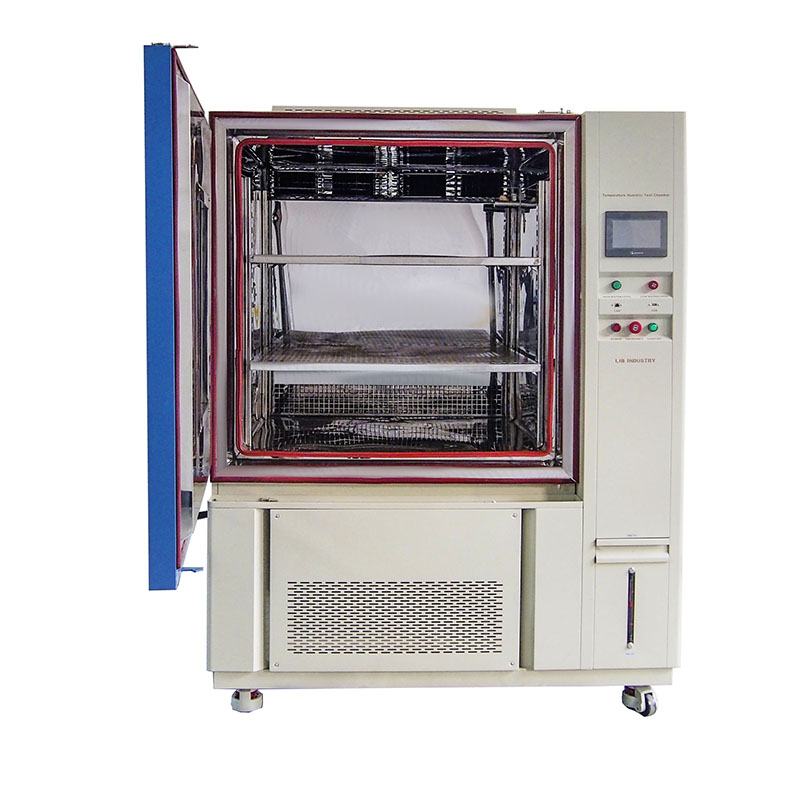 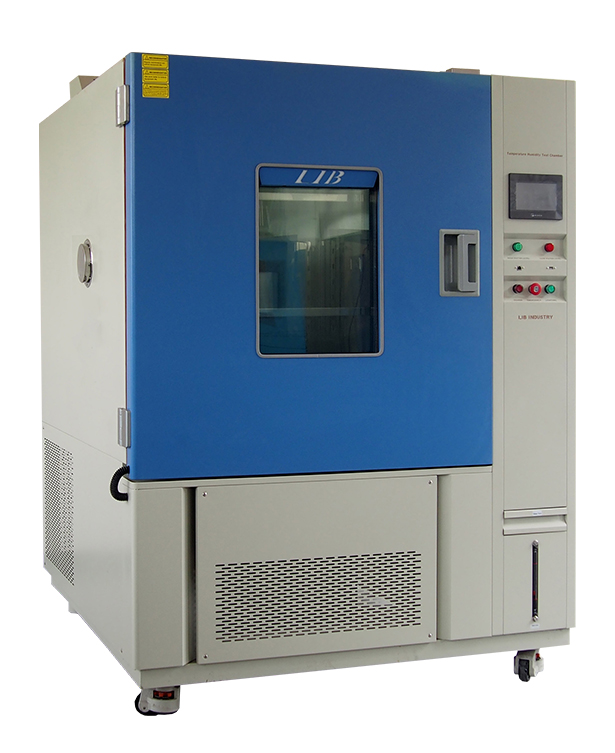 | |||||
Temperature range | -20℃ ~+150 ℃ | ||||
Low type | A: -40℃ B:-70℃ C -86℃ | ||||
Humidity Range | 20%-98%RH | ||||
Temperature deviation | ± 2.0 ℃ | ||||
Heating rate | 3 ℃ / min | ||||
Cooling rate | 1 ℃ / min | ||||
Controller | Programmable color LCD touch screen controller, Multi-language interface, Ethernet , USB | ||||
Refrigerant | R404A, R23 | ||||
Exterior material | Steel Plate with protective coating | ||||
Interior material | SUS304 stainless steel | ||||
Standard configuration | 1 Cable hole (Φ 50) with plug; 2 shelves | ||||
Timing Function | 0.1~999.9 (S,M,H) settable | ||||
Adding moisture control significantly changes the engineering of the machine. You must decide if your protocols truly demand moisture. Unnecessary complexity introduces higher initial costs and extra maintenance routines.
Many critical failure modes only reveal themselves in wet environments. You need complete moisture control for specific applications. Accelerated aging tests rely on moisture to simulate years of real-world degradation. Corrosion testing requires humidity to drive oxidation on metal surfaces. Medical packaging teams use wet conditions to validate sterile seals. Engineers also test electronic degradation, as moisture causes conductive anodic filaments (CAF) to grow across circuit boards.
Outline your scenarios where basic thermal cycling is sufficient. If you only test solder joint expansion and contraction, moisture adds no value. Basic heat stress tests on mechanical brackets ignore moisture entirely. Skipping the moisture system removes water tanks, atomizers, and specialized sensors from your equipment. This simplifies your daily operations dramatically.
Compare the internal components before making a choice. Standard temperature-only units rely on basic heating coils and evaporator fins. A temperature and humidity test chamber houses complex steam generators or ultrasonic atomizers. It requires specialized wet/dry bulb sensors or capacitive solid-state probes. It also needs a dedicated dehumidification coil to pull moisture out of the air rapidly.
Consider your long-term product roadmap. Your current test protocols might not require moisture today. However, next year's product line might include outdoor-rated enclosures. We recommend purchasing a combination unit if budgets allow. You can easily run it in a "temperature-only" mode for now. This approach future-proofs your laboratory investment.
| LIB Popular Temperature Humidity Chambers | |||
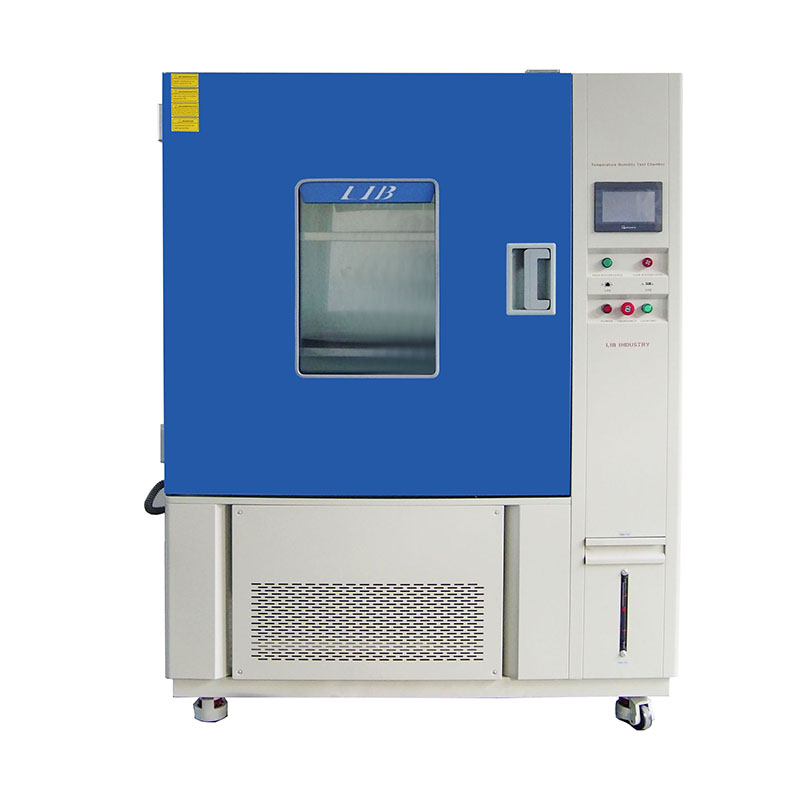
Standing temperature humidity chamber Precise climate simulation, Reliable long-term stability testing |
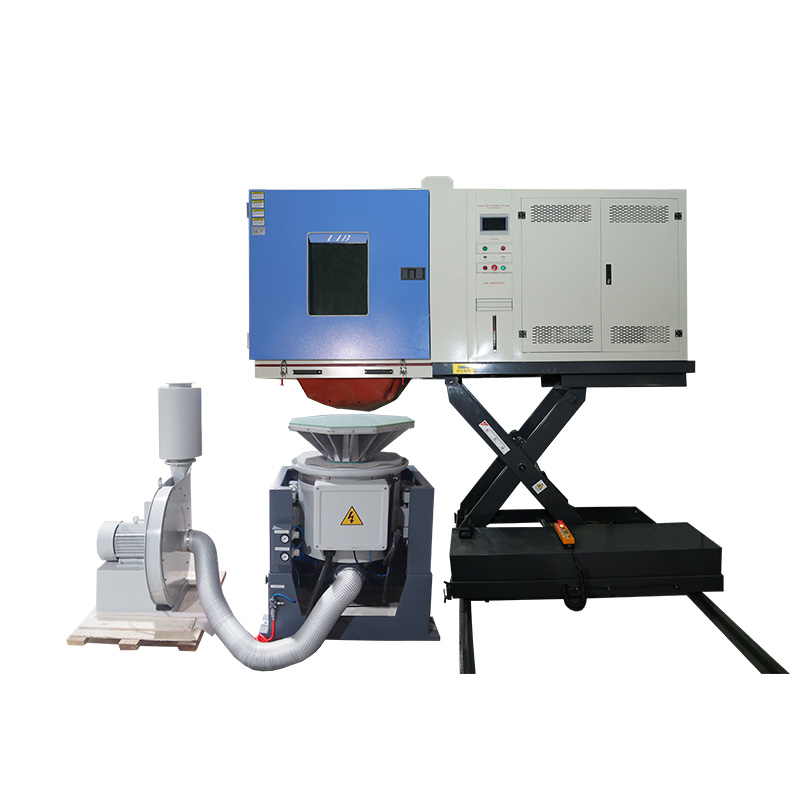
Combined Climate and Vibration Chamber Simulate temperature, humidity, and vibration stresses in one test |
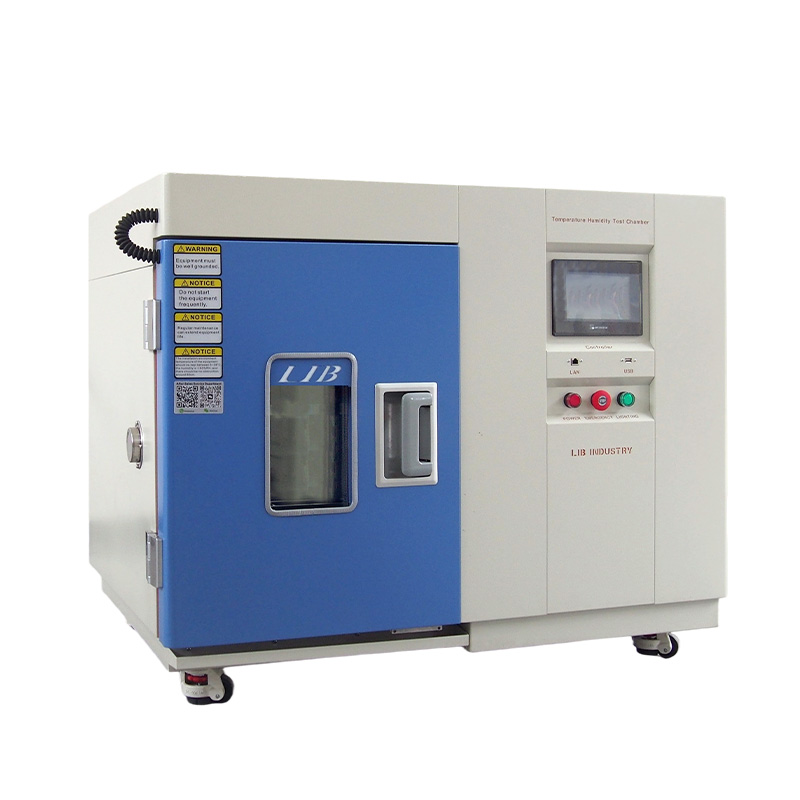
Small temperature humidity chamber Compact footprint design, High-accuracy environmental control |
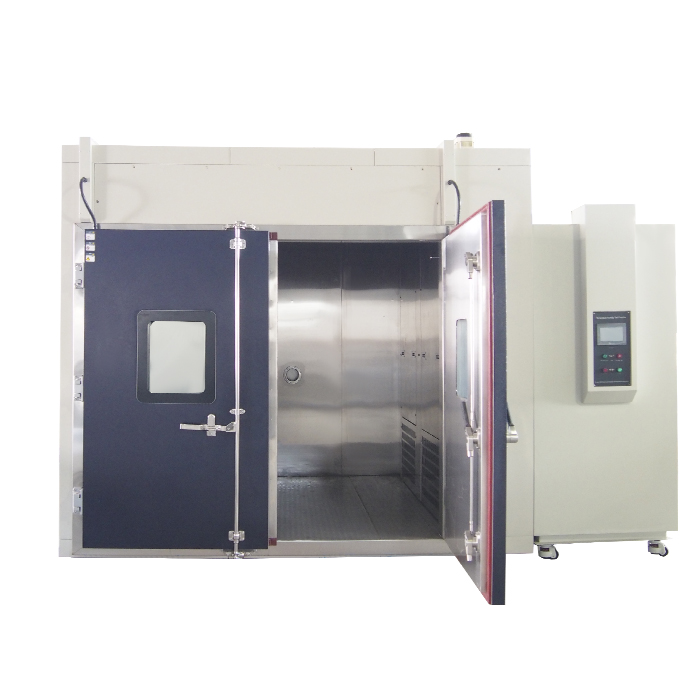
Walk-In temperature humidity chamber Large-capacity testing space, Ideal for oversized products |
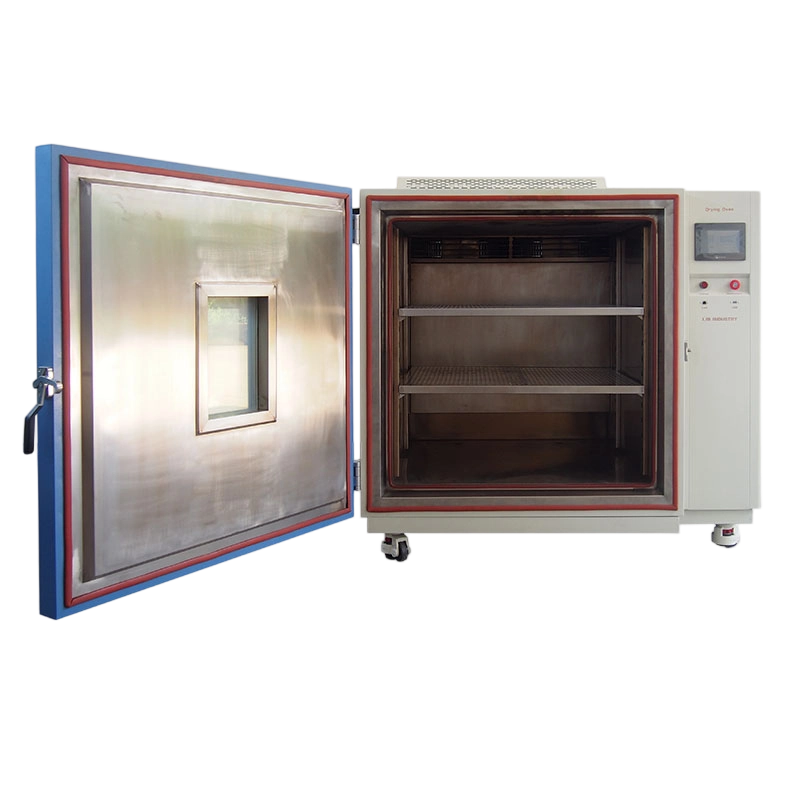
Industrial High-Temperature Vacuum Drying Oven Uniform heat distribution, Efficient material drying |
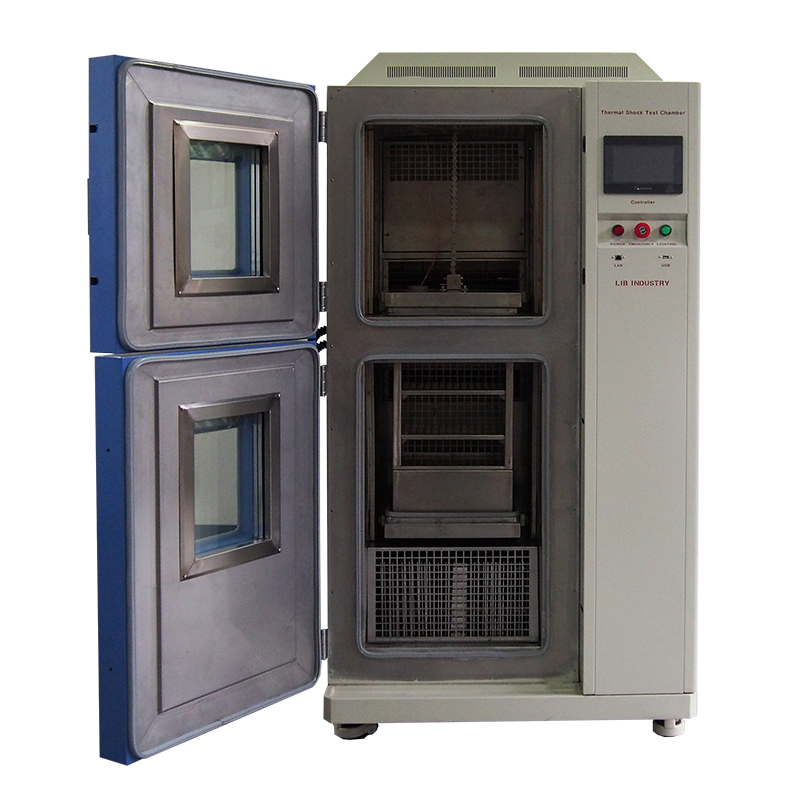
Extreme thermal stress simulation, Fast failure detection capability |
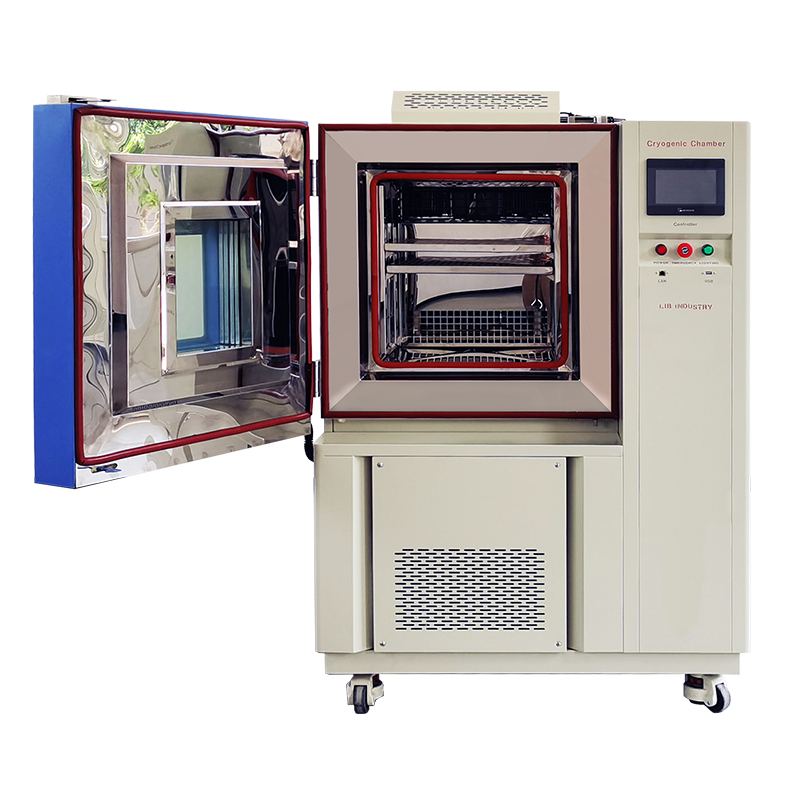
Ultra-low temperature performance, Reliable cold resistance evaluation |
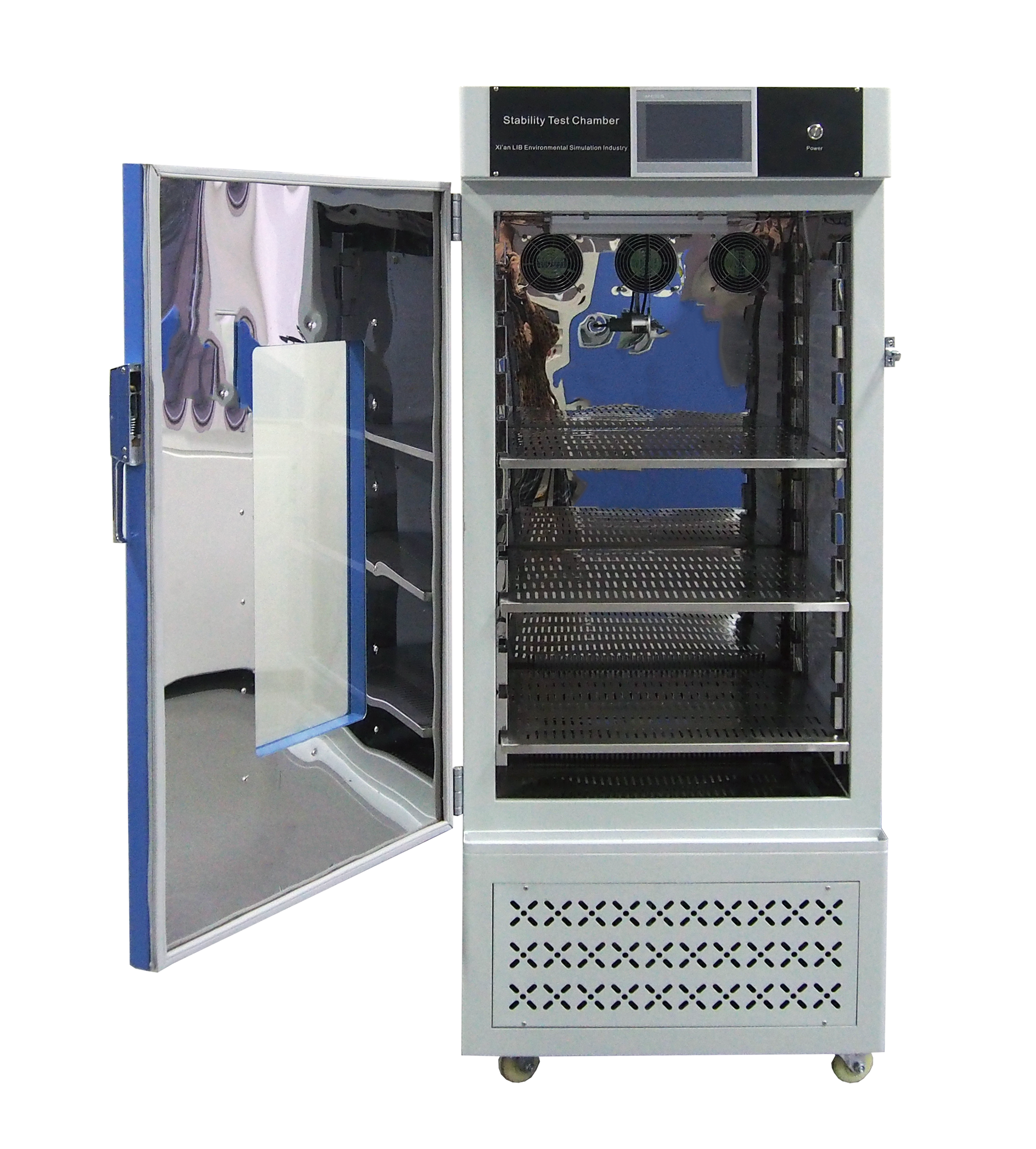
ICH-compliant stability testing, Precise temperature and humidity control |
Your laboratory infrastructure heavily dictates which machine you can successfully operate. High-performance testing equipment consumes massive amounts of electricity and water. Ignoring your facility limits guarantees a disastrous installation process.
Assess your facility's electrical infrastructure immediately. Benchtop units might run on standard 120V or 240V single-phase power. High-performance machines with rapid transition rates demand heavy electrical loads. They typically require robust three-phase power (e.g., 480V). Check your breaker panels. Installing a new electrical drop across a large factory floor takes time and requires licensed electricians.
Moisture generation systems demand ultra-pure water. You cannot use standard tap water. Tap water contains heavy minerals like calcium and magnesium. These minerals rapidly scale onto internal heaters and delicate humidity sensors. This scale acts as an insulator, destroying efficiency and causing premature burnouts. You must supply demineralized or Reverse Osmosis (RO) water. Typically, water quality must measure between 1 to 10 micro-siemens in conductivity.
Address the heat generated by the machine itself. Compressors generate massive amounts of thermal energy. They must reject this heat somewhere. Air-cooled condensers blow this hot air directly into your laboratory. If your room lacks robust HVAC cooling, the ambient space will overheat rapidly. Water-cooled condensers solve this by rejecting heat into your building's chilled water loop. Choose the condenser type based strictly on your room's cooling capacity.
| Utility Category | Typical Requirement | Facility Action Needed |
|---|---|---|
| Electrical Supply | 208V to 480V, 3-Phase | Verify breaker capacity and wire gauge. |
| Water Purity | RO or Demineralized | Install local RO filter or buy purified jugs. |
| Drainage | Gravity floor drain | Route condensate away from walking paths. |
| Heat Rejection | Air or Water Cooled | Check lab HVAC tons or chilled water flow. |
Evaluate the physical layout of your lab space. Machines require clearance on all sides for safe maintenance. Technicians need room to access refrigeration panels, swap filters, and inspect belts. Furthermore, outline your required frequency for ISO 17025 accredited calibrations. High-precision sensors drift over time. You must plan for annual or bi-annual professional calibrations to maintain strict audit compliance.
Choosing the right environmental testing unit requires disciplined engineering logic. Do not base your decision solely on physical dimensions. You must take a holistic approach to ensure reliable, repeatable test results.
Summarize your shortlisting logic by following these core steps:
Define the exact industry testing standards your product must pass.
Calculate both your spatial load and active thermal heat dissipation.
Select the appropriate temperature extremes and verify psychrometric boundaries.
Verify your facility can support the electrical, water, and cooling demands.
Prioritize manufacturers that offer localized service networks. Machines inevitably require maintenance and software updates over their lifespan. Rapid spare parts availability minimizes costly testing downtime. A well-chosen unit acts as a reliable partner in your continuous quest for product excellence.
A: Consumption rates vary heavily based on test severity and unit size. A small unit running a steady 85°C/85% RH test might consume only a few liters per day. Conversely, large walk-in units undergoing dynamic cycling can consume over 10 liters daily. Always connect your equipment to a continuous RO water feed for uninterrupted long-term testing.
A: Yes, but you must size the compressor correctly. Powered electronics generate live thermal loads. This excess heat fights the internal refrigeration loop. If the compressor is too small, it cannot overcome the live load, and the internal temperature will uncontrollably rise, ruining your test.
A: Incubators maintain highly stable, narrow temperature ranges (usually slightly above ambient) for biological samples. They lack aggressive cooling mechanisms. Environmental units feature active refrigeration systems and complex humidity generators. They simulate extreme conditions, transitioning rapidly from freezing cold to boiling heat for hardware stress testing.
Contact LIB Industry today to discuss your temperature and humidity testing requirements and build a reliable environmental testing solution for your product development and quality assurance process.