Views: 0 Author: Site Editor Publish Time: 2026-07-08 Origin: Site


Imagine an electric vehicle driving through a flooded road after a heavy storm. Water covers the lower body, surrounds connectors, and reaches important electronic components. At the same time, outdoor lighting, smart devices, and industrial sensors may face unexpected water exposure during daily operation. Without reliable waterproof protection, even a small sealing failure can lead to electrical damage, safety risks, or product failure.
This article explains what products can be tested with an IPX7 IPX8 Water Immersion Tank, how the equipment performs waterproof testing according to IEC 60529 requirements, and how LIB IPX7 IPX8 Water Immersion Tank helps manufacturers verify product reliability under temporary and continuous water immersion conditions.
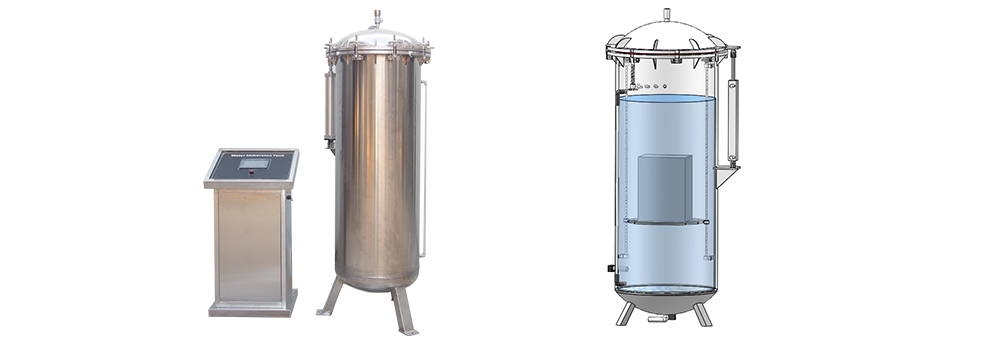
The IPX7 protection level defined by IEC 60529 evaluates whether an enclosure can prevent harmful water ingress during temporary immersion. According to the standard, products must be immersed in water at a depth of 1 meter for 30 minutes. After testing, the product should continue operating normally without damage caused by water penetration.
Typical products requiring IPX7 testing include smartphones, wearable devices, vehicle sensors, connectors, portable instruments, and outdoor electronic equipment. Automotive components are also commonly evaluated according to ISO 20653, which defines protection levels for road vehicle electrical equipment.
LIB IPX7 IPX8 Water Immersion Tank simulates this condition by controlling immersion depth, testing time, and water pressure. The sealed pressure vessel creates a stable underwater environment, while sensors monitor water level and pressure in real time. The programmable controller automatically controls test cycles, ensuring repeatable and accurate results.
For reliable operation, regular maintenance is important. Operators should check sealing rings, pressure valves, water quality, and sensor calibration regularly. Cleaning the tank after testing prevents contamination and ensures stable pressure performance during long-term operation.
Compared with IPX7, IPX8 testing focuses on continuous immersion under deeper or longer underwater conditions. According to IEC 60529, IPX8 conditions are determined by the manufacturer, but they generally exceed IPX7 requirements. Industrial testing commonly simulates water depths of 10 meters, 20 meters, or even 50 meters.
For example, a water pressure of approximately 0.5 MPa represents the hydrostatic pressure experienced at around 50 meters underwater. This allows manufacturers to evaluate products exposed to extreme flooding, underwater environments, or long-term immersion.
LIB IPX7 IPX8 Water Immersion Tank uses pressure-controlled technology instead of simply increasing water height. The system increases internal pressure to reproduce underwater pressure conditions accurately. This method provides stable simulation for products such as underwater sensors, marine electronics, EV battery components, charging connectors, and communication equipment.
The equipment supports testing requirements from standards including IEC 60529 IPX8, ISO 20653 IPX8, and GB/T 4208. For military and harsh environmental applications, related waterproof evaluations may also refer to MIL-STD-810 procedures.
Maintenance of IPX8 equipment requires special attention because of higher pressure operation. Regular inspection of the pressure vessel, automatic valves, safety locks, and pressure sensors helps maintain testing accuracy and operational safety.
An IPX7 IPX8 Water Immersion Tank creates controlled underwater environments to evaluate whether products can resist water penetration. During testing, the sample is placed inside the chamber, and the system adjusts water level or internal pressure according to the required IP rating.
For IPX7 testing, the chamber controls immersion depth and duration, reproducing the condition of 1-meter water immersion for 30 minutes. For IPX8 testing, the system generates higher pressure levels to simulate deeper underwater environments.
LIB immersion tanks use a programmable touchscreen controller, automatic water supply system, pressure monitoring sensors, and safety protection devices. The controller allows users to set parameters such as immersion time, pressure value, and test cycles. Real-time monitoring ensures stable testing conditions and improves repeatability.
Key maintenance recommendations include:
① Check sealing components before every test to prevent leakage.
② Clean the water tank regularly to avoid impurities affecting sensors.
③ Calibrate pressure sensors periodically to maintain accuracy.
④ Inspect pneumatic lids and safety locks for reliable operation.
⑤ Replace damaged seals or valves immediately.
With proper maintenance, LIB IPX7 IPX8 Water Immersion Tank can provide long-term stable performance for laboratories and production testing environments.
| LIB Best-Selling Dust and Water Test Equipment | |||
| 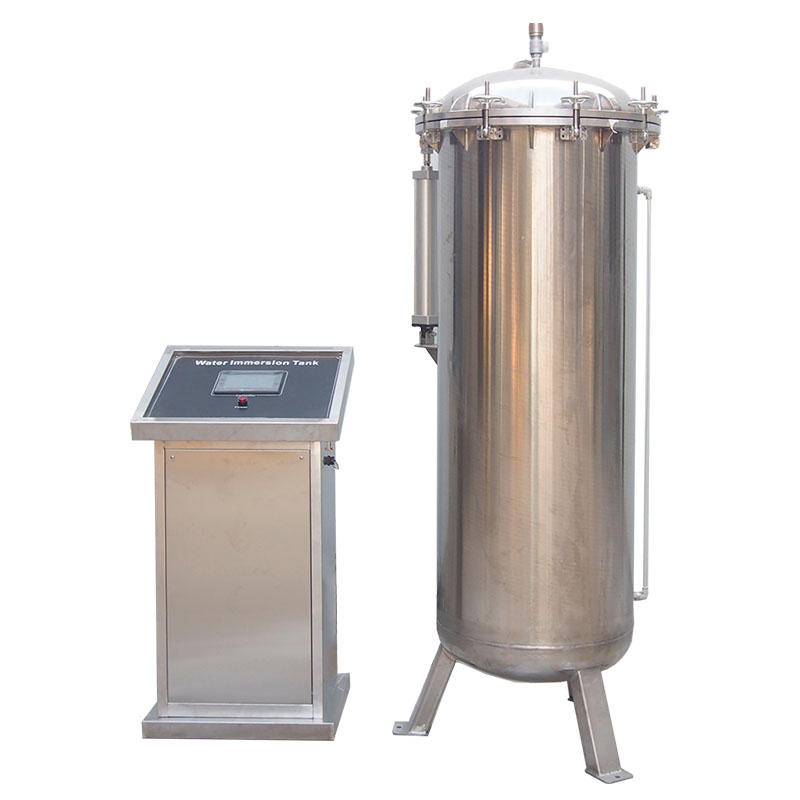 | 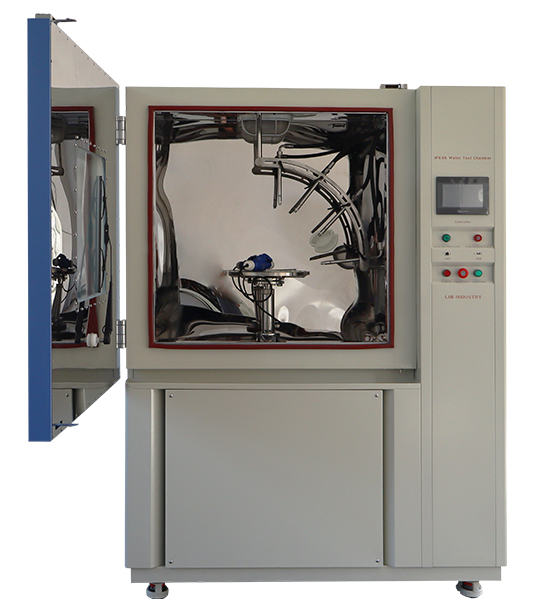 | 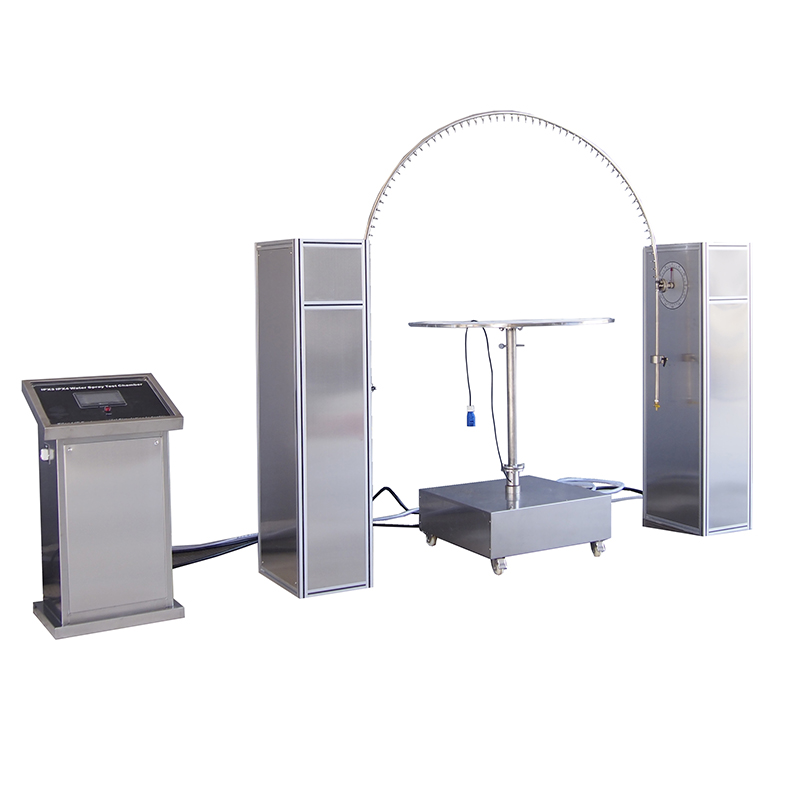 |
Combined Chamber(IPX1 X2 X3 X4 X5 X6) Multi-level IP testing, Space-saving design | IPX7 IPX8 Water Immersion Test Equipment Deep water simulation,Long-duration immersion | IPX9K High Pressure Water Spray Test Chamber 88°C hot water jets, High-pressure spray testing | Whole Set of IP Test Equipment-No Housing Type Easy sample loading, flexable |
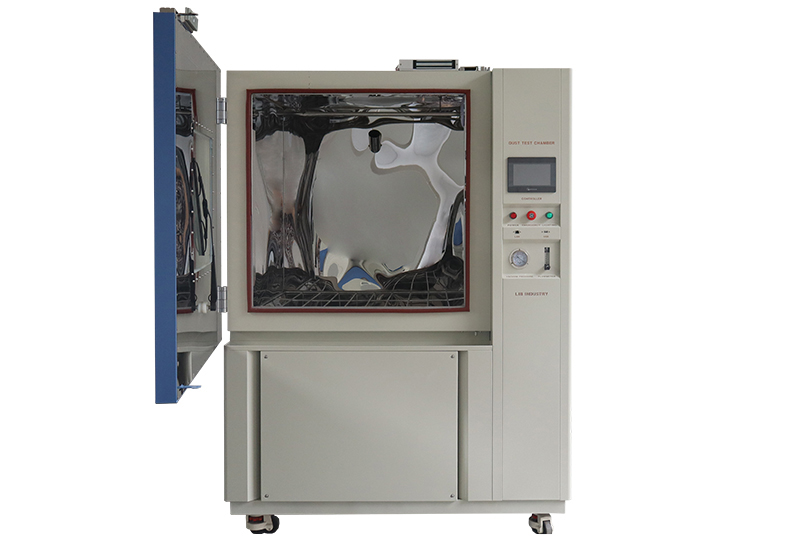 | 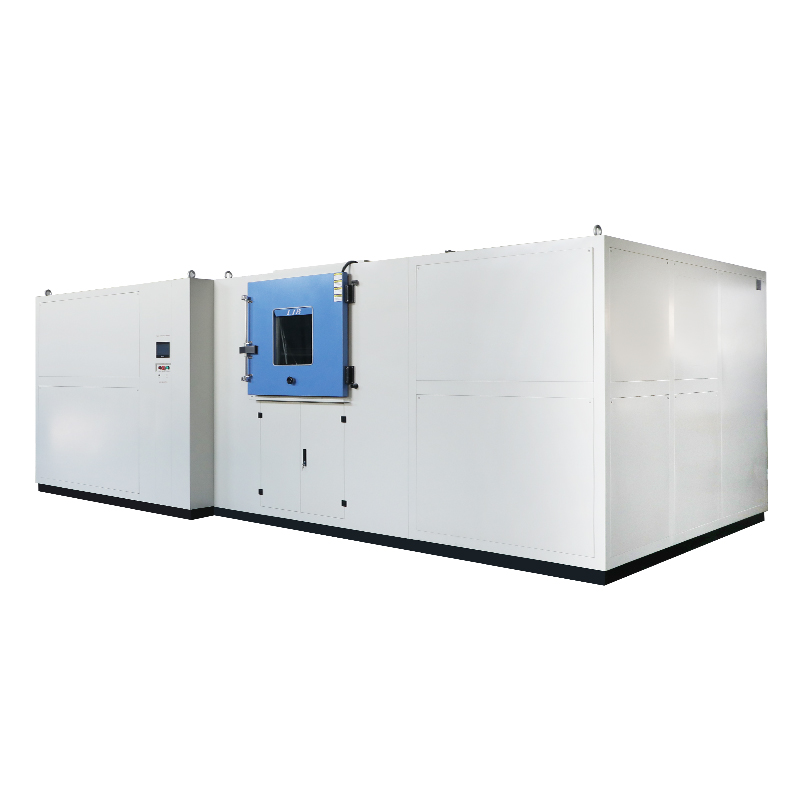 | 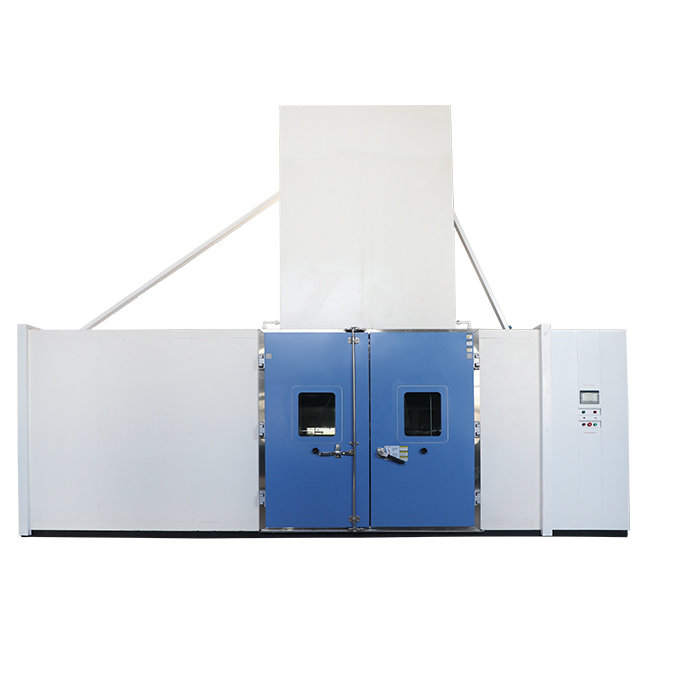 | |
IP5X/6X Sand and Dust Test Chamber Controlled dust circulation, IEC 60529 compliance | MIL-STD-810 Sand and Dust Test Chamber Harsh dust simulation, Defense and aerospace testing | Harsh water simulation, Defense and aerospace testing | |
A customer from Mexico selected LIB IPX7 IPX8 Water Immersion Tank for product waterproof performance verification. During the testing process, the customer used the equipment to evaluate electronic components and waterproof products under different immersion conditions.
After operation, the customer was highly satisfied with the equipment performance, especially its testing accuracy, stable operation, safety design, and cost efficiency. The system successfully supported waterproof verification according to international standards, helping the customer improve product reliability before market release.
The customer recognized several advantages of LIB equipment:
High Testing Accuracy
LIB IPX7 IPX8 Water Immersion Tank uses precision pressure sensors and intelligent control systems to maintain stable testing conditions. The pressure control accuracy ensures reliable simulation of underwater environments from IPX7 to IPX8 levels.
Stable and Reliable Operation
The strong pressure vessel structure and high-quality components allow continuous operation in demanding laboratory environments. The equipment maintains consistent performance during repeated immersion tests.
Compliance With International Safety Requirements
LIB equipment is designed according to international safety requirements and supports certification requirements such as CE and CSA. Safety features include pressure protection, emergency stop systems, leakage protection, and automatic alarm functions.
Flexible Customization Options
Different industries require different test conditions. LIB provides customized solutions including larger chamber sizes, deeper pressure simulation ranges, special sample fixtures, and customized test ports for cables and sensors.
High Cost Performance
Compared with complex waterproof testing systems, LIB IPX7 IPX8 Water Immersion Tank provides accurate testing capability with optimized structure and operating costs, making it suitable for laboratories, research centers, and manufacturers.
| Model | R78-600 |
| Internal Dimension (mm) | Diameter 600mm * Height 1500 mm |
| Overall Dimension (mm) | Diameter 800mm * Height 1800 mm |
| Pressure | 50m water depth pressure |
| Open mode | Pneumatic lid |
| Material | A3 steel plate, wall thickness 15mm |
| Controller | Programmable color LCD touch screen controller, Ether |
Through accurate simulation, safe operation, and flexible customization, LIB helps customers improve waterproof reliability and meet global testing requirements.
Choosing the correct immersion testing equipment depends on the product application, expected water exposure conditions, and required protection level. Although IPX7 and IPX8 are both waterproof tests defined by IEC 60529, they simulate different environmental challenges.
IPX7 focuses on temporary immersion, mainly testing whether products can survive accidental short-term water exposure. IPX8 evaluates continuous immersion under deeper water pressure, making it suitable for products used in underwater or severe flooding environments.
The following table shows the main differences between IPX7 and IPX8 Water Immersion Tanks:
| Comparison Item |
|
|
|---|---|---|
| Testing Standard | IEC 60529 IPX7 | IEC 60529 IPX8 |
| Main Purpose | Temporary immersion protection | Continuous immersion protection |
| Typical Water Depth | 1 meter | More than 1 meter (defined by manufacturer) |
| Standard Test Time | 30 minutes | Defined according to product requirements |
| Pressure Simulation | Normal water pressure at 1 m depth | High hydrostatic pressure simulation |
| Typical Pressure | Approximately 0.01 MPa | Can reach 0.5 MPa or higher depending on model |
| Tested Products | Smartphones, cameras, portable electronics, vehicle connectors | Underwater sensors, marine electronics, EV battery components |
| Testing Difficulty | Medium | Higher due to pressure control requirements |
| Equipment Requirement | Water level control system | Pressure-controlled immersion system |
| Common Standards | IEC 60529, ISO 20653 | IEC 60529, ISO 20653, GB/T 4208 |
For products exposed to rain, splashing water, puddles, or accidental drops into water, an IPX7 Water Immersion Tank is usually sufficient. Examples include consumer electronics, portable devices, outdoor cameras, and automotive connectors.
For products designed for underwater operation or possible long-term flooding environments, an IPX8 Water Immersion Tank is the better choice. Applications include underwater communication devices, marine equipment, electric vehicle battery systems, and industrial sensors.
Manufacturers should consider the following factors before selecting equipment:
1. Product Working Environment
Analyze whether the product experiences temporary water contact or continuous underwater exposure. Vehicles operating in flood-prone areas or underwater equipment usually require higher-level IPX8 validation.
2. Required Testing Depth and Pressure
IPX7 requires a fixed condition of 1 meter immersion for 30 minutes, while IPX8 requires customized depth and pressure conditions. If testing requires simulation of 20 m, 30 m, or 50 m underwater environments, an IPX8 pressure-controlled system is necessary.
3. Product Size and Test Capacity
Small electronic components may require compact tanks, while automotive parts, battery modules, or industrial equipment may require larger chambers with customized fixtures.
4. Compliance Requirements
Before selecting equipment, manufacturers should confirm the required certification standards, including IEC 60529, ISO 20653, GB/T 4208, or customer-specific requirements.
LIB provides customized IPX7 IPX8 Water Immersion Tank solutions with different chamber sizes, pressure ranges, and testing configurations to meet various industries' waterproof verification needs.
Q1: What products can be tested with an IPX7 IPX8 Water Immersion Tank?
LIB IPX7 IPX8 Water Immersion Tank is suitable for testing automotive components, EV battery parts, sensors, connectors, smartphones, cameras, LED lighting, marine electronics, and industrial equipment. It helps verify waterproof performance according to standards such as IEC 60529 and ISO 20653.
Q2: What is the difference between IPX7 and IPX8 testing?
IPX7 tests temporary immersion at 1 meter depth for 30 minutes, while IPX8 evaluates continuous immersion under deeper water conditions. IPX8 can simulate environments such as 10 m, 20 m, or 50 m underwater by controlling hydrostatic pressure.
Q3: Can LIB customize the IPX7 IPX8 Water Immersion Tank?
Yes. LIB provides customized solutions with different chamber sizes, pressure ranges, sample fixtures, cable ports, and automated control systems to meet various testing requirements.
Q4: What safety features does LIB IPX7 IPX8 Water Immersion Tank provide?
The equipment includes pressure overload protection, emergency stop, automatic alarm, leakage protection, safety locking, and automatic pressure release systems. It is designed to meet international safety requirements such as CE and CSA.
Q5: How long does delivery and installation take?
Standard models can usually be delivered within 7–15 days. LIB provides remote installation guidance, operation training, technical documents, and troubleshooting support.
Q6: What after-sales service does LIB provide?
LIB offers a 3-year warranty, lifetime technical support, spare parts supply, and maintenance guidance to ensure stable long-term operation.
Contact LIB Industry to learn more about IPX7 IPX8 Water Immersion Tank solutions and discover how precise immersion testing can improve product waterproof reliability, safety, and compliance with global standards.