Views: 0 Author: Site Editor Publish Time: 2026-07-16 Origin: Site


Environmental testing fundamentally shifts how we manage product vulnerability discovery. Rather than allowing end- users to encounter catastrophic failures in the field, we move this crucial discovery process back into the controlled environment of an R&D or QA lab. A humidity and temperature chamber operates as a highly critical piece of compliance infrastructure. It is certainly not just for generic climate simulation. Professional engineers rely on it to accurately validate product lifespan, verify mechanical safety margins, and confirm long-term performance under rigorous, highly repeatable conditions. This article clearly outlines specific testing applications across multiple key industries. You will see exactly which global compliance standards these test chambers fulfill. Finally, we provide a practical, concrete framework. You can use it today to evaluate the exact right equipment for solving your facility's specific quality control bottlenecks.
1. Core Function: Humidity and temperature chambers simulate extreme environmental conditions to expose design flaws, material degradation, and mechanical weaknesses before mass production.
2. Industry Applications: They are heavily utilized in electronics, pharmaceuticals, automotive, and packaging to perform accelerated aging, thermal cycling, and shelf-life studies.
3. Compliance Alignment: Testing data generated by these chambers is required to meet stringent industry standards (e.g., ICH, ASTM, MIL-STD, IEC).
4. Selection Criteria: Procurement should be based on thermal load capacity, required temperature/humidity ranges, sensor precision, and facility utility constraints.
Untested products face brutal real-world environmental stress every single day. This uncontrolled exposure often leads directly to premature field failures. These unexpected breakdowns cause massive, highly publicized product recalls. They also inflict severe, long-lasting brand damage on your corporate reputation. You simply cannot leave environmental resilience to random chance.
Chambers force extreme temperature and humidity variations onto early prototypes. They aggressively accelerate natural physical and chemical degradation processes. Engineers leverage this highly controlled stress environment. They use it to calculate Mean Time Between Failures (MTBF) with incredible precision. You discover exactly when and how a component will eventually break.
The upfront cost of a humidity and temperature chamber pays for itself surprisingly fast. You achieve a massive reduction in expensive warranty claims. You also clear strict regulatory hurdles much faster. This efficiency ensures a significantly quicker time-to-market for new releases.
Common Mistake: Many teams assume lab testing is optional for non-regulated items. However, for B2B manufacturers, verifiable environmental testing documentation acts as a mandatory prerequisite. You often need these detailed compliance reports just to secure lucrative vendor contracts. They are also absolutely necessary for passing strict supplier quality audits.
We see environmental simulation utilized heavily across multiple demanding global sectors. Each unique industry targets highly specific failure modes.
1. Electronics and Semiconductors: Engineers aggressively test delicate components for condensation-induced short circuits. Testing also reveals hidden thermal expansion mismatch. This mismatch routinely causes severe warping or dangerous cracking inside multi-layer PCBs. Oxidation of delicate solder joints serves as another primary diagnostic target. Teams rely heavily on damp heat testing protocols. They also run continuous thermal cycling and operational stress testing. You must find these hidden electronic flaws long before mass assembly begins. For example, a smartphone exposed to high tropical humidity might suffer a complete short circuit. The testing chamber simulates years of this specific exposure in mere weeks.
2. Pharmaceuticals and Medical Devices: Drug efficacy degradation introduces massive patient safety risks worldwide. Manufacturers must rigorously test complex packaging seal integrity. They also check for sterile barrier breakdown under varying humid conditions. Quality teams execute highly complex accelerated aging and long-term shelf-life studies. They often utilize a highly precise stability test chamber to maintain perfectly steady environmental states over several months. A vaccine may quickly lose its potency if stored outside strict thermal limits. Accelerated aging proves the drug remains completely safe for its entire printed shelf life.
Tip: When sourcing a stability test chamber for pharmaceuticals, always prioritize models featuring strict uniform airflow. You absolutely need 21 CFR Part 11 compliant data logging software. This specific digital feature ensures you easily meet stringent FDA audit requirements.
1. Automotive and Aerospace: Aerospace and automotive engineers rigorously test for severe material fatigue. They evaluate cabin interior degradation, focusing heavily on dashboard plastics and industrial adhesives. Sensor reliability under freezing or tropical conditions remains a critical passenger safety factor. Typical testing protocols involve extreme climate simulation profiles. Teams also subject heavy vehicle parts to punishing freeze-thaw cycles. Dashboard plastics can easily crack under intense solar heat followed by freezing nights. Freeze-thaw cycles recreate this exact seasonal punishment repeatedly. You must ensure modern vehicles survive decades of harsh outdoor exposure.
2. Materials and Packaging: High moisture environments rapidly destroy standard packaging integrity. You must test raw materials for sudden tensile strength loss. Laboratory analysts also carefully measure moisture vapor transmission rates (MVTR). Corrugated cardboard box crush resistance under high humidity conditions proves vital. It ensures your packaged products survive complex global shipping routes without collapsing in transit.
Savvy buyers do not test products arbitrarily. They execute highly specific, standardized engineering protocols. A reliable testing unit must strictly maintain the tight environmental tolerances dictated by global regulatory standards.
Pharmaceutical Guidelines: The ICH Q1A(R2) framework governs stability testing for new drug substances. It outlines exact humidity and temperature setpoints required for official shelf-life evaluation.
Electronics and Defense: The MIL-STD-810 standard covers rigorous environmental engineering considerations. It closely simulates extreme combat and military transit conditions. Meanwhile, IEC 60068 details specific environmental testing procedures for commercial electronic equipment. It ensures everyday consumer electronics survive daily rough use.
Materials and Manufacturing: Specific ASTM standards dictate strict rules for natural material weathering. They specify exactly how to moisture-condition raw materials before running physical tension tests.
| Industry Sector | Regulatory Standard | Primary Testing Focus |
|---|---|---|
| Pharmaceuticals | ICH Q1A(R2) | Stability testing of new drug substances and shelf-life |
| Defense & Aerospace | MIL-STD-810 | Environmental engineering stress and combat simulation |
| Commercial Electronics | IEC 60068 | Environmental durability testing for electronic equipment |
| Manufacturing Materials | ASTM Guidelines | Material weathering and precise moisture conditioning |
Note: Always request the chamber manufacturer’s official uniformity and sensor accuracy specifications. You must legally guarantee the equipment can satisfy the specific ASTM or IEC standard your target industry requires.
Choosing the correct physical size prevents massive daily testing bottlenecks. You must perfectly match the internal volume to your expected laboratory throughput.
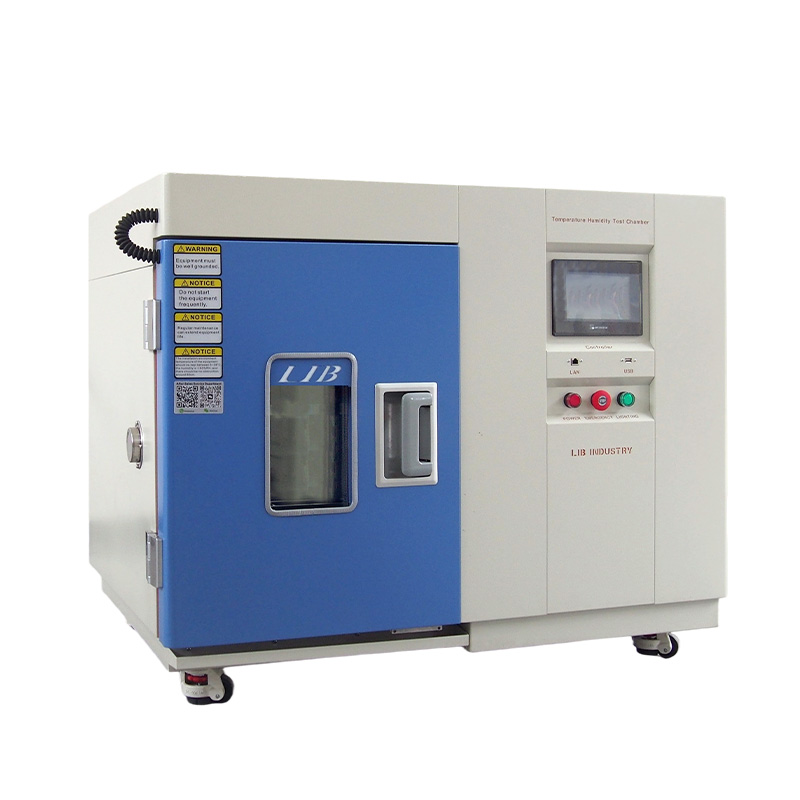
Benchtop Chambers: These compact units remain ideal for testing very small components. You can easily test micro-sensors, PCBA boards, and small retail packaging. They offer several distinct logistical advantages. You benefit immediately from a very low facility footprint. They usually operate safely on standard electrical plug-in requirements. They remain highly cost-effective for localized, fast-paced R&D efforts.
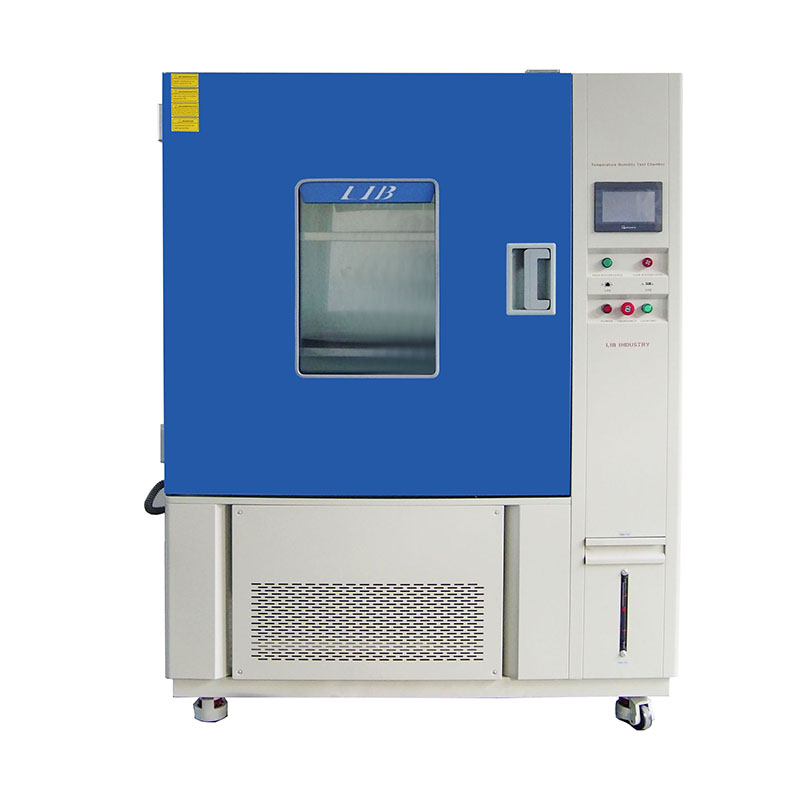
Reach-In Chambers: You typically need these models for mid-sized sub-assemblies. They handle much larger batches of test specimens effortlessly. They provide significantly broader temperature and humidity ranges than basic benchtop models. They scale perfectly for standard factory QA lab throughput. Reach-in models also handle much higher thermal loads. This capability matters greatly when you test active or powered items emitting their own internal heat.
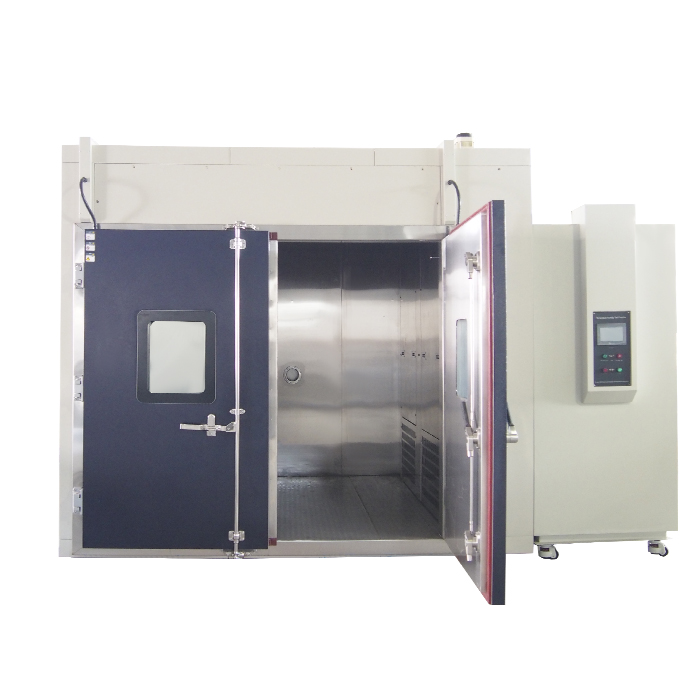
Walk-In / Drive-In Chambers: Global manufacturers use these massive structures for testing entire vehicles. They also test large commercial server racks or massive production batches. They allow for total, complete product immersion. Facilities typically have these units custom-built from the ground up. They match specific facility dimensions and unique layout constraints.
Tip: When calculating your required chamber size, never exceed a 1:3 ratio of product volume to workspace volume. Overcrowding the internal chamber severely obstructs critical airflow. This common mistake leads directly to highly inaccurate test results. It will ultimately cause you to fail strict external compliance audits.
| LIB Popular Temperature Humidity Chambers | |||
Standing temperature humidity chamber Precise climate simulation, Reliable long-term stability testing |
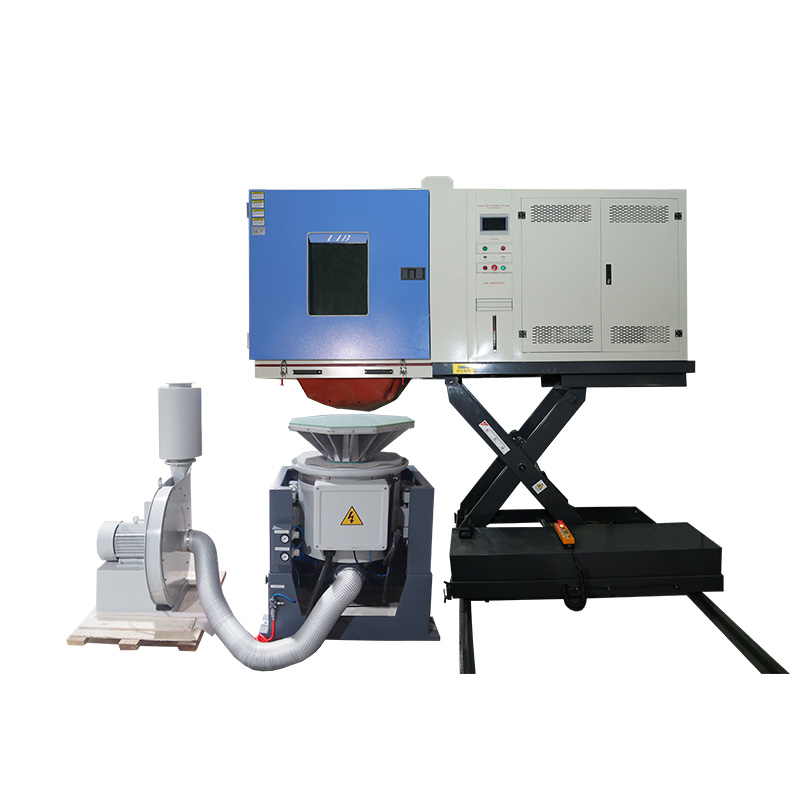
Combined Climate and Vibration Chamber Simulate temperature, humidity, and vibration stresses in one test |
Small temperature humidity chamber Compact footprint design, High-accuracy environmental control |
Walk-In temperature humidity chamber Large-capacity testing space, Ideal for oversized products |
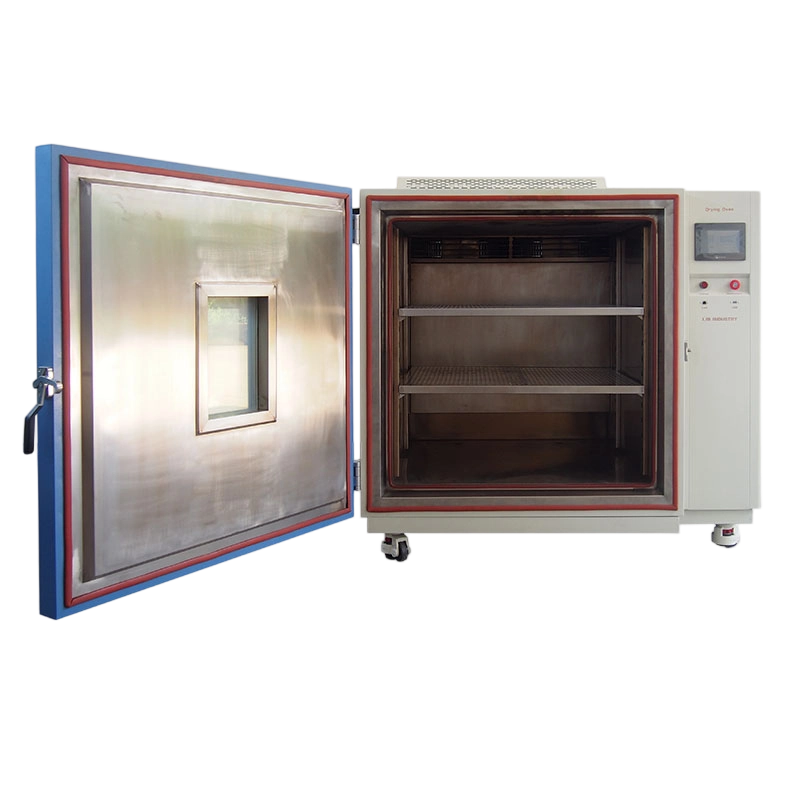
Industrial High-Temperature Vacuum Drying Oven Uniform heat distribution, Efficient material drying |
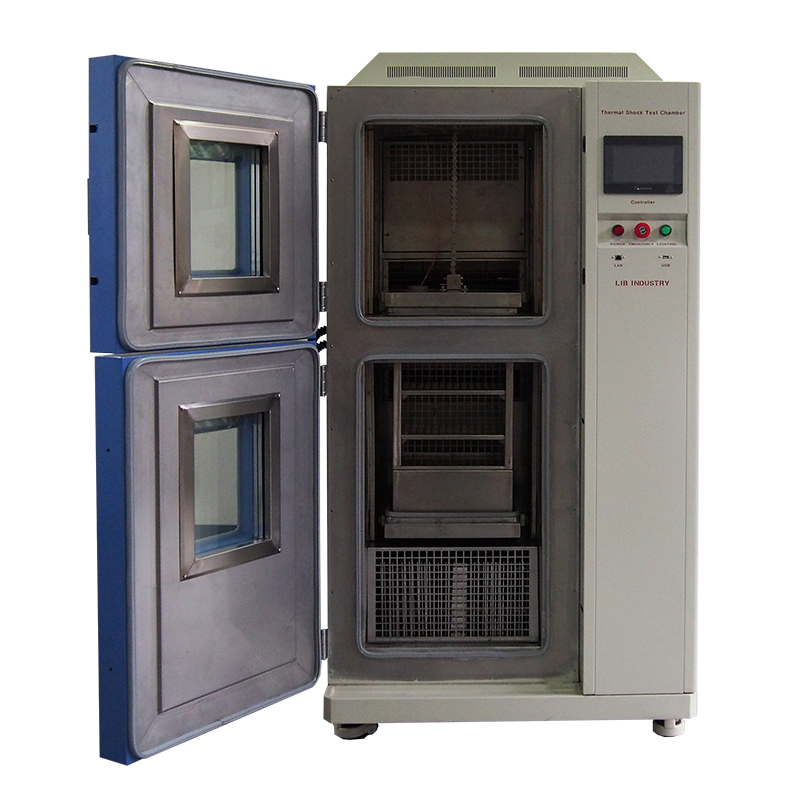
Extreme thermal stress simulation, Fast failure detection capability |
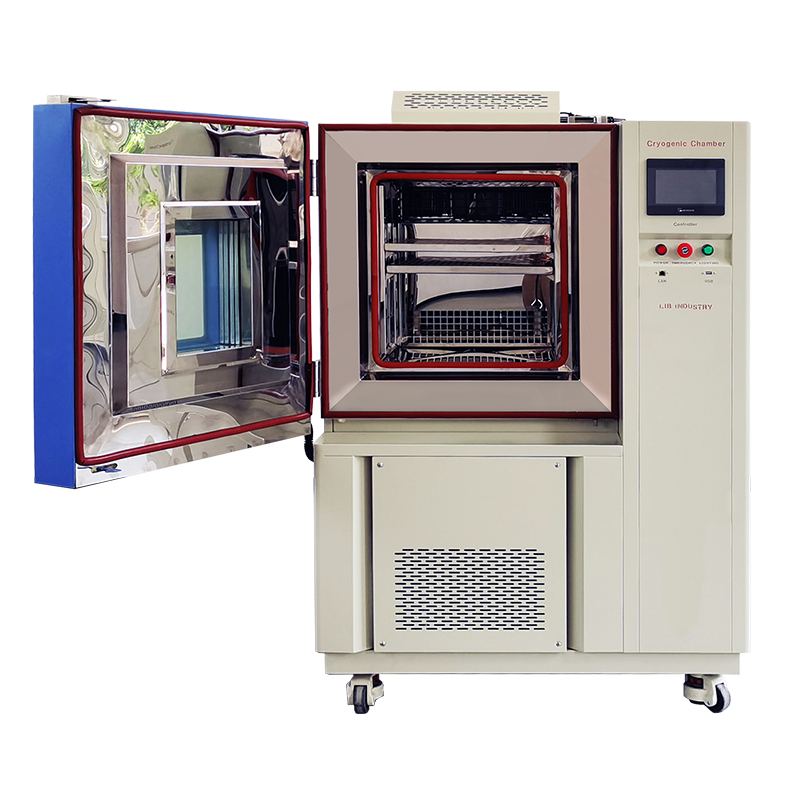
Ultra-low temperature performance, Reliable cold resistance evaluation |
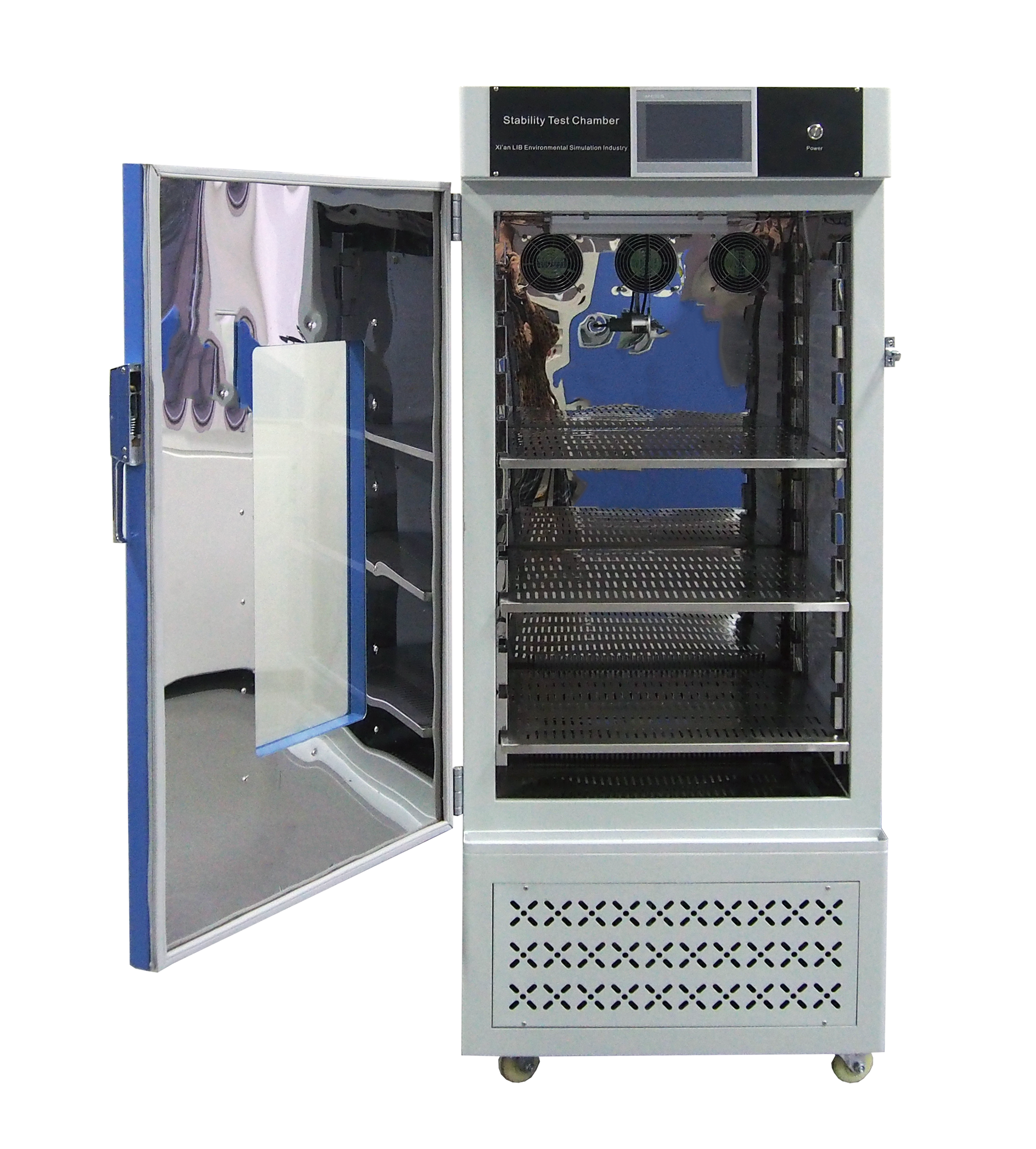
ICH-compliant stability testing, Precise temperature and humidity control |
Smart procurement requires careful, highly detailed technical evaluation. You must scrutinize specific machine performance metrics before buying.
| Name | Humidity and Temperature Chamber | ||||
| Model | TH-100 | TH-225 | TH-500 | TH-800 | TH-1000 |
| Internal Dimension (mm) | 400*500*500 | 500*600*750 | 700*800*900 | 800*1000*1000 | 1000*1000*1000 |
| Overall Dimension (mm) | 900*1050*1620 | 1000*1140*1870 | 1200*1340*2020 | 1300*1540*2120 | 1500*1540*2140 |
| Interior Volume | 100L | 225L | 500L | 800L | 1000L |
| Heat load | 1000W | ||||
| Temperature Range | A : -20℃ ~ +150 ℃ | ||||
| B : -40℃ ~ +150 ℃ | |||||
| C: -70℃ ~ +150 ℃ | |||||
| Temperature Fluctuation | ± 0.5 ℃ | ||||
| Temperature Deviation | ± 2.0 ℃ | ||||
| Humidity Range | 20% ~ 98% RH | ||||
| Humidity Deviation | ± 2.5% RH | ||||
| Cooling Rate | 1 ℃ / min | ||||
| Heating Rate | 3 ℃ / min | ||||
| Cooling system | Mechanical compression refrigeration system | ||||
| Refrigerating unit | French TECUMSEH compressor | ||||
| Heating Element | Nichrome heater | ||||
| Controller | Programmable color LCD touch screen controller, Ethernet connection | ||||
| Water supply system | Automatic water supply, Water purification system | ||||
| Humidifier | External isolation, stainless steel surface evaporation humidifier | ||||
| Safety Device | Humidifier dry-combustion protection; over-temperature protection; over-current protection; Refrigerant high-pressure protection; Water shortage protection; Earth leakage protection | ||||
| Exterior Material | Steel Plate with protective coating | ||||
| Interior Material | SUS304 stainless steel | ||||
| Thermal Insulation | Polyurethane foam and insulation cotton | ||||
| Observation Window | Interior lighting, double-layer thermo stability silicone rubber sealing | ||||
| Standard Configuration | 1 Cable hole with plug; 2 shelves | ||||
| Standard | UL 2580、UL 2271、IEC 62660-2、UL 1642、UL 1973、SAE J2929、SAE J2464、IEC 60068-2-30、IEC 61960、IEC 62133、UL 2054、IEC 61215、IEC60068、SAE J2334、VW 80000、IEC 62717 | ||||
Temperature and Humidity Range: Ensure the equipment's physical capabilities easily exceed your maximum test requirements. Aim for at least a 10 to 15 percent operational buffer. This crucial buffer prevents you from overworking the internal refrigeration compressors. Operating any compressor at maximum capacity constantly reduces its overall equipment lifespan.
Transition Rates (Ramp Rates): Evaluate exactly how fast the chamber can physically change temperatures. Engineers measure this metric in degrees Celsius per minute (°C/min). Extremely high ramp rates demand much larger internal refrigeration systems. You need high ramp rates primarily for aggressive thermal shock testing profiles.
Humidity Control Infrastructure: Carefully assess the internal humidification method. Manufacturers typically use a boiling steam generator or a warm water bath. You must clearly understand your facility requirements for purified water. You will absolutely need deionized (DI) or reverse osmosis (RO) water. Pure water prevents damaging mineral buildup on delicate internal humidity sensors and exposed heaters.
Control Systems and Data Logging: Look exclusively for advanced PID loop controllers. Modern touchscreen interfaces allow for highly complex profile programming. You also need highly secure digital data export capabilities. This specific feature ensures easy, error-free compliance reporting for external auditors.
Note: Humidity cannot be effectively controlled at extreme high or extreme low temperatures. Always request a detailed "psychrometric chart" directly from the manufacturer. You can also ask for a temperature and humidity performance curve. This visual chart mathematically verifies your required setpoints are physically achievable within the standard laws of thermodynamics.
| Evaluation Area | Key Metric to Review | Why It Matters for Testing |
|---|---|---|
| Range Capacity | +10-15% Output Buffer | Prevents severe compressor burnout at extreme testing loads. |
| Transition Speed | Ramp Rate (°C/min) | Dictates actual test speed for aggressive thermal shock profiles. |
| Water Supply Quality | DI or RO Compatibility | Stops harmful mineral scaling on delicate internal sensors. |
| System Controller | PID Loop Accuracy | Ensures complex test profiles hold steady without thermal fluctuations. |
Purchasing a highly accurate testing unit represents a major strategic decision. It directly impacts your overall product reliability and strict legal compliance. Avoid guessing when setting up your internal QA infrastructure. You must define the specific industry standards your new product must meet. Next, carefully calculate the exact physical dimensions and active heat dissipation levels of your test items. Finally, consult directly with a reputable manufacturer. Review their capability curves and confirm your facility utility requirements before ever signing a purchase order.
A: Environmental chambers generally perform rapid, extreme temperature and humidity cycling known as dynamic testing. A stability test chamber maintains a highly precise, steady-state environment over a long duration. We use this static testing approach typically for extended shelf-life studies in pharmaceuticals.
A: Tap water contains heavy natural minerals. These minerals will quickly scale and degrade the chamber's internal heating elements and humidity sensors. This scaling leads directly to costly maintenance failures and highly inaccurate test results. Therefore, using DI or RO water remains standard industry practice.
A: For standard QA testing routines, annual calibration is highly recommended. However, for highly regulated industries like aerospace or pharmaceuticals, semi-annual calibration may be mandatory. You must calibrate more frequently to comply fully with ISO 17025 or strict FDA quality standards.
Contact LIB Industry for professional humidity and temperature chamber solutions. With customized designs, reliable performance, and lifetime technical support, LIB helps industries worldwide achieve accurate environmental testing and improve product reliability.