Views: 0 Author: LIB Team Publish Time: 2026-08-27 Origin: Site


Integrating a vibration shaker with a climate chamber requires mating a high-force electrodynamic vibration shaker with a sealed thermal enclosure. At LIB Industry, this type of integration uses specialized physical interfaces, thermal barriers, sealing systems, and synchronized controls to combine vibration with temperature and humidity testing.
Modern engineering increasingly requires simultaneous environmental and dynamic testing because automotive, aerospace, electronics, and industrial components rarely experience thermal stress or mechanical vibration in isolation. Instead, they encounter vibration, changing temperatures, and humidity at the same time. A properly integrated vibration shaker and climate chamber can reproduce these combined stresses under controlled laboratory conditions.
Combining extreme thermal and humidity conditions with a high-force vibration shaker introduces significant engineering complexity. The system must prevent thermal leakage from the climate chamber, protect the vibration shaker armature from condensation, and keep thermal and vibration control profiles synchronized. A failure in any of these areas may compromise test data, damage the vibration shaker, or create unsafe operating conditions.
A properly engineered LIB Industry's Climate Chamber with Vibration Shaker therefore requires careful consideration of the mechanical interface, thermal isolation, vibration shaker capacity, controller synchronization, and facility infrastructure. These factors are particularly important when tests need to follow standards such as MIL-STD, IEC, and DO-160.
Integration depends on the interface: The connection between the vibration shaker armature and climate chamber floor must transfer vibration while maintaining a thermal seal.
Control synchronization is essential: Temperature, humidity, and vibration shaker profiles should be coordinated through compatible control systems.
Facility planning is critical: A vibration shaker combined with a climate chamber may require reinforced flooring, high-capacity electrical service, cooling water, and compressed air.
Modular and dedicated configurations serve different needs: Buyers should compare flexible roll-away vibration shaker systems with dedicated AGREE chamber configurations.
A successful integration between a climate chamber and a vibration shaker must satisfy two competing requirements.
First, the climate chamber must maintain precise internal environmental conditions. This can include rapid temperature ramp rates, extreme low or high temperatures, and controlled humidity without excessive leakage. Second, the vibration shaker must transfer the required mechanical energy directly to the Device Under Test (DUT) inside the chamber without significant attenuation.
The interface between the vibration shaker and climate chamber therefore becomes one of the most important parts of the entire combined test system. It must isolate the vibration shaker from extreme temperature and moisture while still allowing vibration energy to pass efficiently into the DUT.
When LIB Industry evaluates this type of combined system, particular attention is given to the integrity of the thermal barrier and mechanical interface. If the barrier restricts movement of the vibration shaker, high-frequency vibration fidelity can be reduced. If the interface leaks, cold air, heat, or moisture may reach the vibration shaker and affect its reliability.
Standard climate chambers normally use solid insulated floors to retain conditioned air. Integrating a vibration shaker requires modifying this floor structure so that the vibration shaker armature can extend into the test workspace. Many combined systems therefore use removable or interchangeable chamber floor plates.
A solid blank-off floor plate can seal the chamber when it operates only as a temperature or humidity chamber. For combined testing, the solid floor is replaced with a specialized cut-out interface plate aligned with the vibration shaker armature. During testing, the vibration shaker armature extends through this opening into the climate chamber. However, the vibration shaker itself must remain outside the extreme environmental zone.
A thermal barrier and head expander are typically installed on the vibration shaker armature. The head expander provides a larger surface for mounting the DUT and fixtures, while the thermal barrier reduces heat transfer from the chamber into the vibration shaker. The mechanical connection must be rigid enough to transmit vibration accurately while remaining thermally isolated.
A typical vibration shaker integration sequence includes:
Remove the solid blank-off floor plate from the climate chamber.
Position and align the vibration shaker directly beneath the chamber opening.
Install the interface plate matching the vibration shaker armature dimensions.
Mount the thermal barrier and head expander to the vibration shaker.
Secure a flexible diaphragm seal between the moving interface and chamber floor.
Check the vibration shaker stroke to confirm sufficient mechanical clearance.
Precise alignment is important. Incorrect positioning may introduce unwanted lateral loads or mechanical interference that affects vibration shaker performance.
Protecting the vibration shaker from temperature extremes and humidity is one of the most difficult parts of combined testing.
An electrodynamic vibration shaker uses electromagnetic coils and other components that are not intended to operate directly inside extreme chamber conditions. When a climate chamber operates at temperatures such as -70°C, cold air reaching the vibration shaker armature may cause freezing or condensation. High-humidity testing creates another risk. Moisture passing through the interface can enter the vibration shaker and potentially affect electrical components.
Flexible diaphragm seals are therefore commonly installed between the moving vibration shaker head expander and the stationary chamber floor. These seals must move with the vibration shaker while limiting the transfer of conditioned air and moisture.
Typical diaphragm materials include:
| Material Type | Temperature Range | Flexibility | Durability Against Tearing |
|---|---|---|---|
| Woven Teflon (PTFE) | -100°C to +200°C | Moderate | Excellent |
| High-Grade Silicone | -70°C to +150°C | High | Moderate |
| Neoprene Composite | -40°C to +120°C | High | Low |
Additional protection can include heated purge air directed around the vibration shaker armature. Dry, warm purge air helps reduce condensation during rapid transitions.
Drip pans may also be installed below the interface to collect moisture before it reaches the vibration shaker.
Testing laboratories generally select between two approaches when integrating a vibration shaker with environmental testing equipment:
Dedicated AGREE chambers specifically designed for vibration shaker integration
Custom climate chambers adapted to existing vibration shaker systems
The right approach depends on test frequency, DUT dimensions, vibration requirements, available floor space, and existing laboratory infrastructure.
An AGREE chamber is designed specifically for combined environmental and vibration testing. These systems traditionally support applications in military, aerospace, automotive, and electronic reliability testing. AGREE chambers typically incorporate reinforced structures, removable floor interfaces, rapid temperature transition capability, and provisions for mounting a vibration shaker.
Modern systems can support three simultaneous stresses:
Temperature
Humidity
Vibration
A purpose-built system simplifies mechanical alignment between the climate chamber and vibration shaker because the equipment is engineered as an integrated platform.
Custom configurations are another option. A laboratory that already owns a large vibration shaker may prefer to add a compatible environmental enclosure instead of purchasing a completely new combined system.
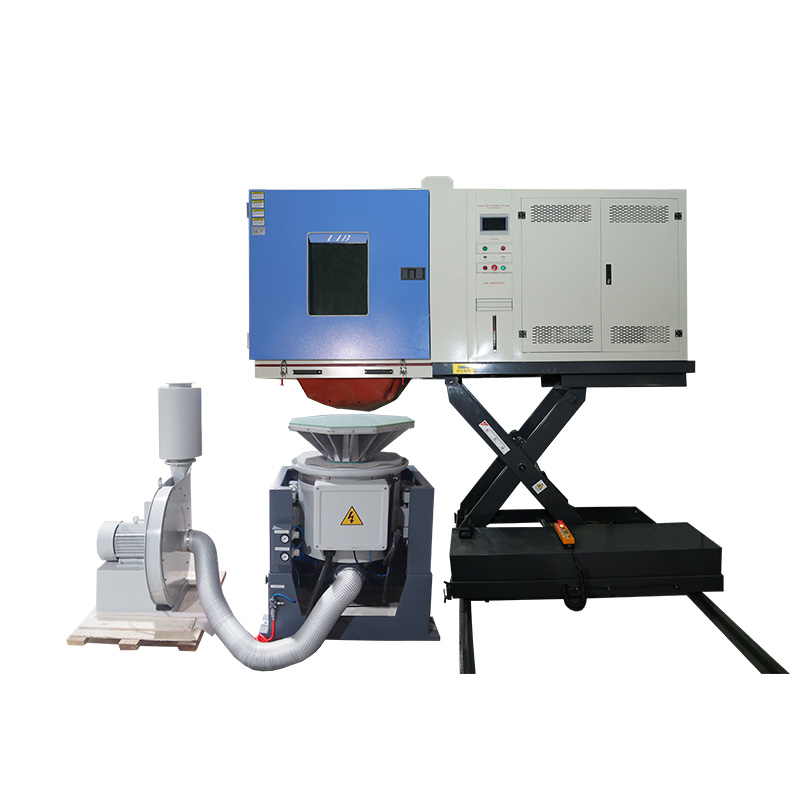
In some custom arrangements, the chamber is installed on rails so it can move over the vibration shaker during combined testing and move away when vibration-only testing is required.
This configuration increases equipment utilization, but it can make thermal sealing and repeated vibration shaker alignment more difficult.
Vertical vibration testing is generally the most straightforward configuration. The vibration shaker is positioned directly below the climate chamber. Its armature extends upward through an opening in the chamber floor, and the DUT is mounted on the head expander. The flexible diaphragm seal surrounds the vibration shaker interface and separates the environmental workspace from the equipment below. This arrangement provides relatively direct force transmission and simplifies sealing compared with horizontal configurations.
Horizontal vibration testing requires additional mechanical components. A vibration shaker can be connected to a slip table that moves the DUT horizontally. The climate chamber then needs sufficient space and a compatible opening to accommodate the slip table and its movement. This creates additional challenges because the sealing surface is larger and horizontal displacement must be accommodated.
Facilities conducting multi-axis combined testing should therefore evaluate:
Vibration shaker orientation
Slip table size
DUT fixture dimensions
Required displacement
Chamber door configuration
Interface seal design
Thermal insulation around the moving connection
| LIB Popular Temperature Humidity Chambers | |||
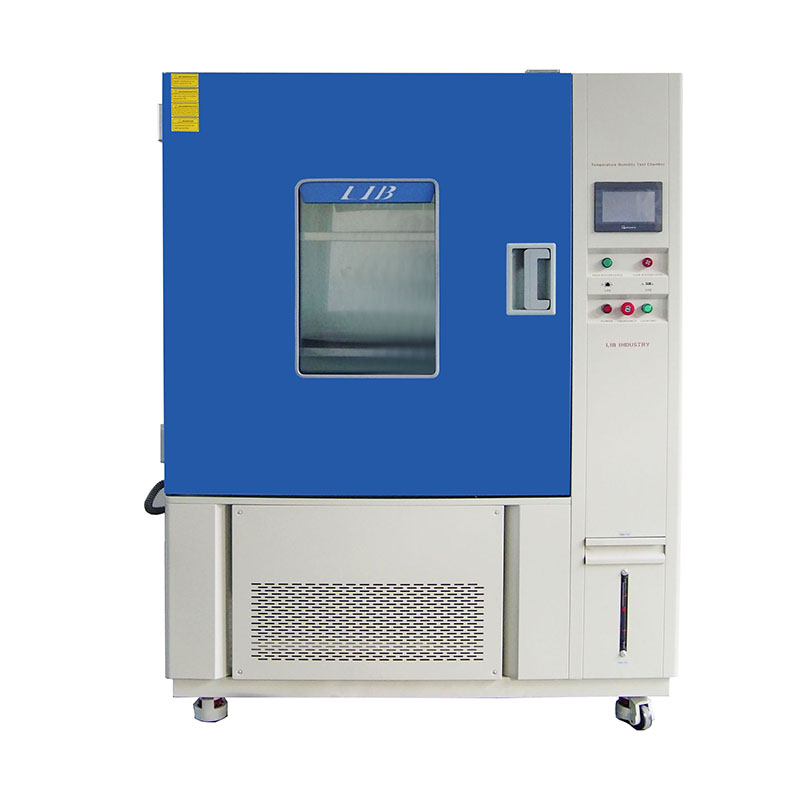
Standing temperature humidity chamber Precise climate simulation, Reliable long-term stability testing |
Combined Climate and Vibration Chamber Simulate temperature, humidity, and vibration stresses in one test |
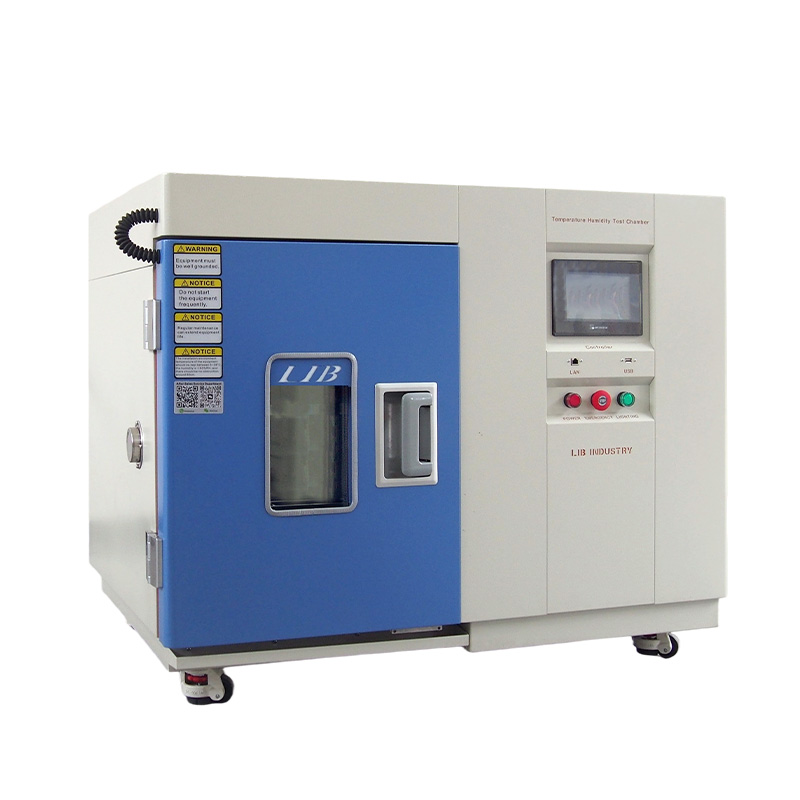
Small temperature humidity chamber Compact footprint design, High-accuracy environmental control |
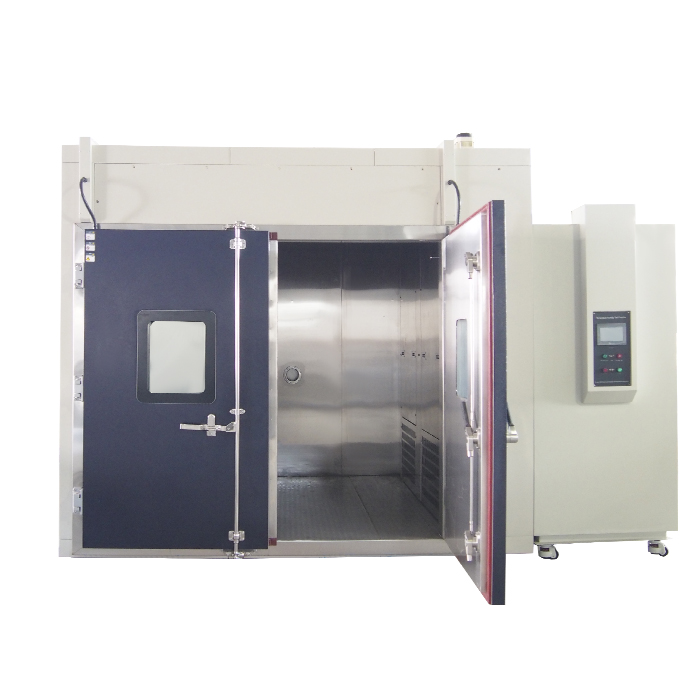
Walk-In temperature humidity chamber Large-capacity testing space, Ideal for oversized products |
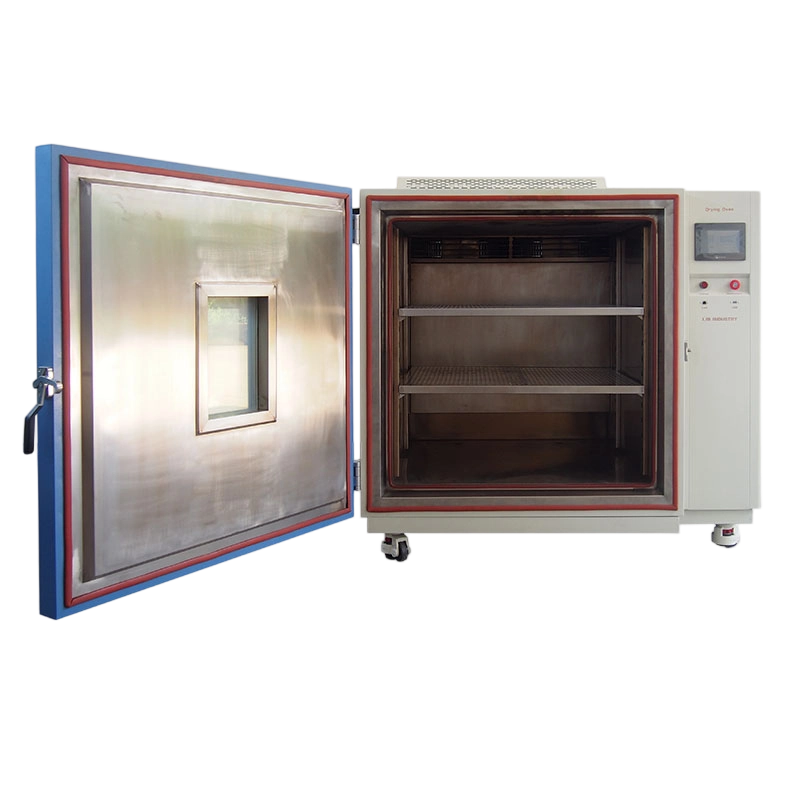
Industrial High-Temperature Vacuum Drying Oven Uniform heat distribution, Efficient material drying |
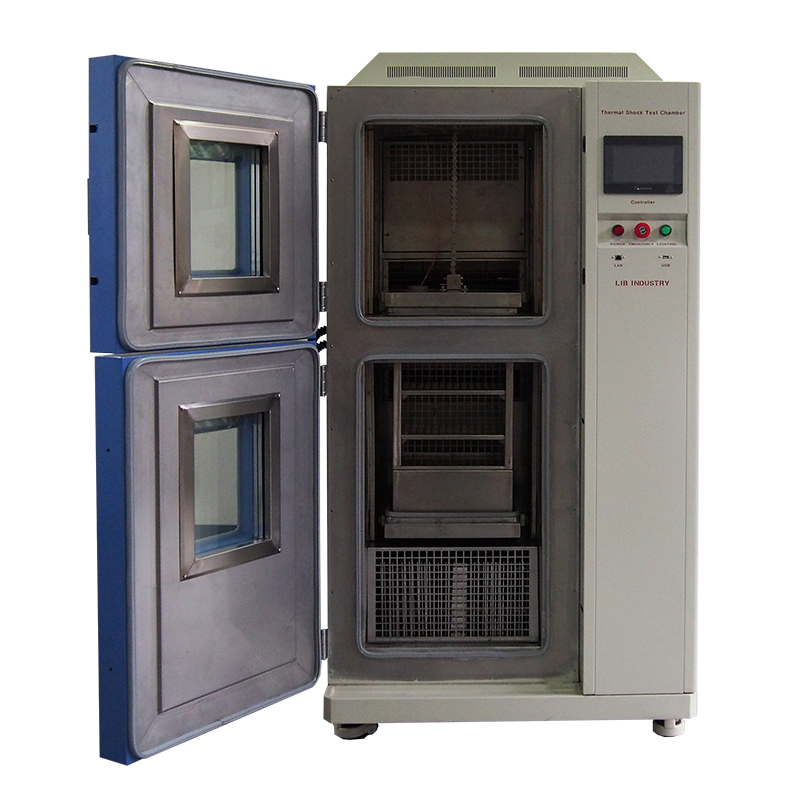
Extreme thermal stress simulation, Fast failure detection capability |
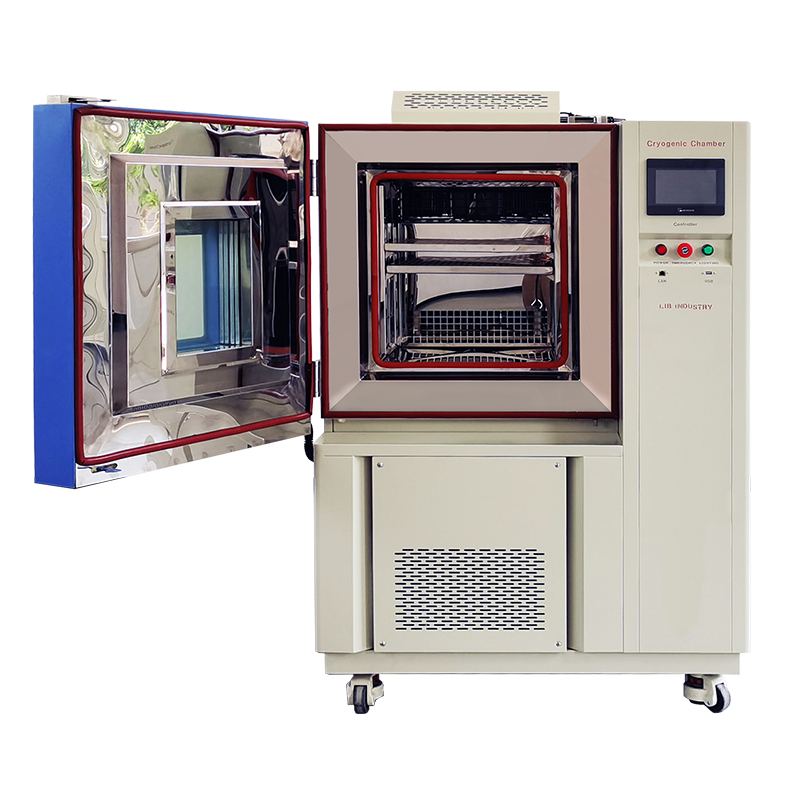
Ultra-low temperature performance, Reliable cold resistance evaluation |
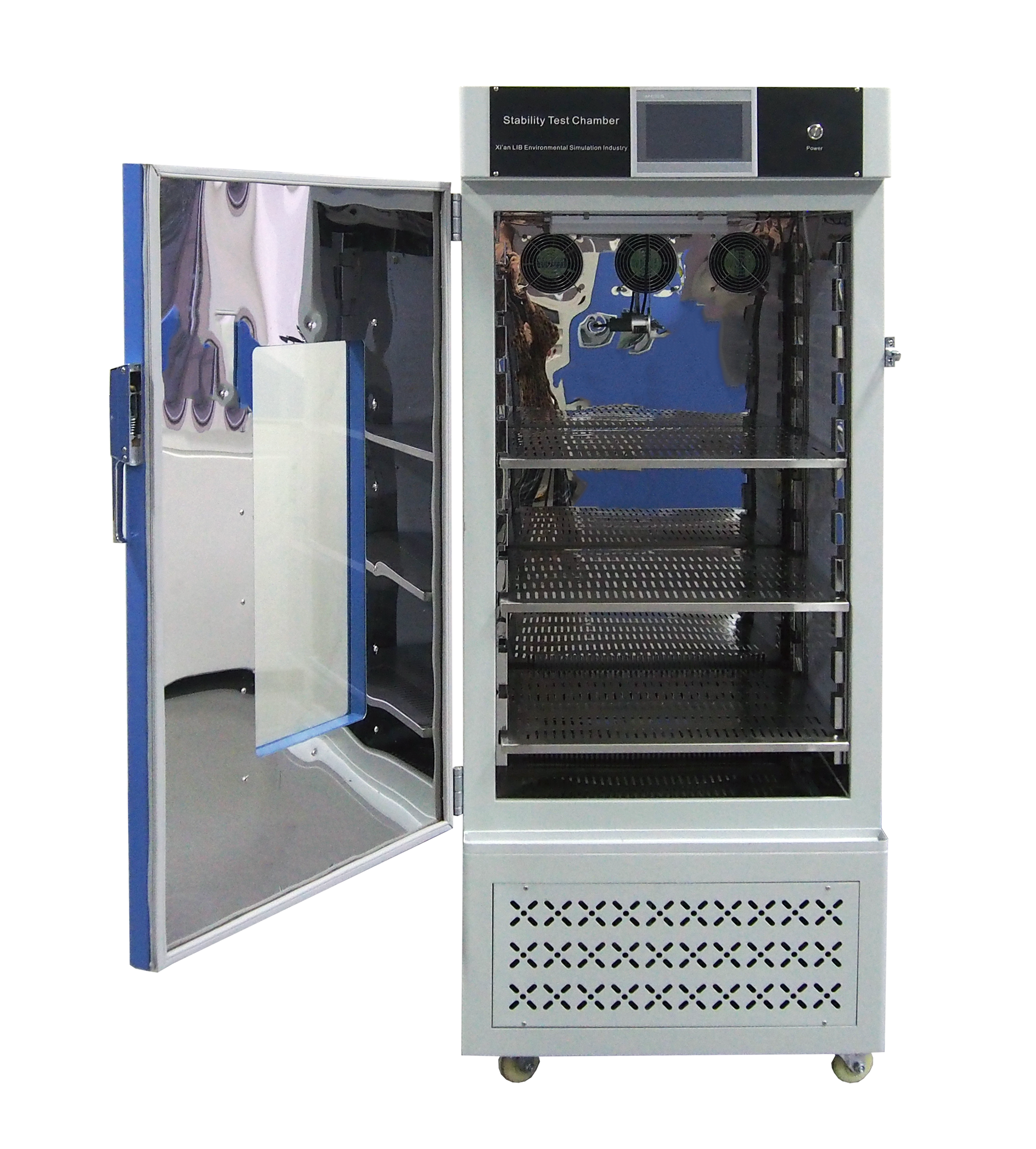
ICH-compliant stability testing, Precise temperature and humidity control |
When evaluating a temperature vibration testing system, specifications should be considered as part of the complete system rather than individually. A climate chamber may offer fast temperature ramp rates, but those capabilities have limited value if its interface with the vibration shaker cannot maintain an effective thermal seal.
Similarly, a high-force vibration shaker cannot achieve its intended performance if the test fixture, thermal barrier, or head expander exceeds its usable payload capacity. For this reason, LIB Industry recommends evaluating the climate chamber, vibration shaker, fixtures, interfaces, and control system as one integrated testing platform.
Combined testing often requires temperature, humidity, and vibration profiles to operate according to a synchronized test sequence. A unified controller can simplify this process by coordinating the climate chamber and vibration shaker from a single test program. For example, a test profile may require the vibration shaker to begin a random vibration sequence only after the climate chamber reaches a specified low temperature. Another profile may require vibration amplitude to change during a temperature ramp. Control synchronization also improves safety. If the vibration shaker experiences an over-travel condition or system fault, integrated abort logic can stop the vibration test while also commanding the climate chamber to move toward a safe environmental condition. Without coordinated control, the DUT could remain exposed to extreme temperatures after the vibration shaker stops.
Selecting the correct vibration shaker requires more than checking the weight of the DUT.
The total moving mass can include:
DUT
Mounting fixture
Head expander
Thermal barrier
Fasteners and adapters
All of this mass affects the vibration shaker force required to achieve the specified acceleration.
The internal dimensions of the climate chamber must also accommodate these components while maintaining enough clearance for airflow. A common mistake is selecting a vibration shaker based only on DUT weight. This can result in insufficient available force after the additional interface and fixture mass is added.
Combined climate chamber and vibration shaker systems may be used for testing associated with standards such as:
MIL-STD-810G/H
MIL-STD-781
IEC 60068
DO-160
These standards can specify temperature ranges, ramp rates, humidity conditions, vibration frequencies, acceleration levels, and test durations. The climate chamber and vibration shaker must therefore be selected according to the exact required profile rather than general equipment ratings. Data acquisition and reporting capabilities should also be evaluated because laboratories may need to demonstrate that both environmental and vibration parameters remained within required limits during the complete test.
A combined system integrates two complex technologies. The climate chamber includes refrigeration, heating, humidity, airflow, sensors, and environmental controls. The vibration shaker includes amplifiers, armatures, cooling systems, mechanical fixtures, and vibration controllers. A suitable maintenance program should therefore address both systems and the connection between them.
Typical maintenance activities include:
Inspect the flexible diaphragm before combined test cycles.
Verify the heated purge air system.
Check vibration shaker cooling-water flow and inlet temperature.
Test controller abort logic periodically.
Inspect and clean drip pans.
Check vibration shaker alignment after repositioning.
Inspect thermal barriers and interface fixtures for wear.
Integrating a vibration shaker with a climate chamber requires more than placing two pieces of test equipment together. The system must maintain a sealed environmental workspace while allowing the vibration shaker to deliver the required mechanical force to the DUT.
Reliable combined testing depends on vibration shaker alignment, thermal isolation, flexible sealing, fixture design, synchronized controls, adequate utilities, and appropriate safety logic.
Before selecting a system, define the DUT dimensions, required vibration axes, vibration force, temperature range, humidity requirements, thermal ramp rates, and relevant test standards. These factors determine both the climate chamber configuration and the vibration shaker capacity required for the application.
LIB Industry designs environmental testing solutions for combined temperature, humidity, and vibration applications and can evaluate the chamber interface, vibration shaker compatibility, DUT dimensions, and testing profile as part of the overall system configuration.
An AGREE chamber is a specialized environmental enclosure designed to integrate with a vibration shaker. It typically includes a removable or specially designed floor so the vibration shaker can transfer mechanical force to a DUT inside the controlled environment. These systems can support combined temperature, humidity, and vibration testing.
Yes, but retrofitting can require significant modifications to the chamber floor, supporting structure, sealing system, and controls. The existing climate chamber must also have sufficient structural strength and internal space to accommodate the vibration shaker interface and test fixture.
A flexible temperature-resistant diaphragm is commonly installed between the vibration shaker head expander and the chamber floor. Materials such as woven PTFE or silicone can provide flexibility while reducing the transfer of conditioned air and moisture.
Requirements vary according to vibration shaker size and chamber capacity, but facilities may need reinforced flooring or seismic isolation, high-amperage electrical service, chilled water for vibration shaker cooling, and compressed air for isolation or purge systems.
Compatible control software can coordinate the climate chamber and vibration shaker. A synchronized system can trigger vibration events according to temperature or humidity conditions and provide integrated abort logic when abnormal conditions occur.
Typical combined testing systems may operate across ranges such as -70°C to +150°C. However, the usable range depends on the climate chamber, vibration shaker interface, thermal barrier, diaphragm materials, fixtures, and specific test requirements.
If you're considering a vibration shaker and climate chamber solution, whether it's a Combined Climate and Vibration Chamber, a Standing Temperature Humidity Chamber, or a Walk-In Temperature Humidity Chamber, don't hesitate to reach out. Our team is ready to discuss your DUT dimensions, vibration profile, temperature and humidity range, applicable test standards (such as MIL-STD, IEC, and DO-160), and your existing laboratory infrastructure, to help you find the right combined testing system configuration and provide a quotation for your requirements.
LIB Industry Technical Team — providing technical information, testing methods, product specifications, and application guidance for vibration shaker and climate chamber systems and related calibration equipment.