Views: 0 Author: Site Editor Publish Time: 2026-07-17 Origin: Site


For R&D labs and manufacturing quality control (QC) teams, testing bottlenecks constantly stall time-to-market. Relying solely on large floor-standing chambers often causes severe scheduling conflicts. Third-party testing facilities also add unnecessary logistics and delays. These persistent hurdles slow down critical innovation cycles and frustrate engineering teams.
As components become increasingly smaller, traditional testing methods lose efficiency. We see this trend clearly in electronics, pharmaceuticals, and automotive sensors. Utilizing massive test chambers for small-batch evaluations wastes significant energy. It consumes excessive laboratory space. It also demands high upfront capital for basic validations.
A benchtop temperature humidity chamber offers a decentralized, highly agile testing solution. It delivers full-scale climatic simulation directly to your workstation. You avoid the excessive footprint of traditional floor models. You bypass specialized facility requirements entirely. This streamlined approach empowers teams to test components instantly. You secure reliable data faster, accelerating product development cycles considerably.
1. Agile Testing: Benchtop units eliminate testing queues by enabling engineers to perform localized, immediate climatic testing directly at their workstations.
2. Lower Total Cost of Ownership (TCO): Reduced energy consumption, standard power requirements, and lower initial purchase prices yield a faster ROI compared to floor models.
3. Precision in a Small Footprint: A smaller internal volume often allows for faster temperature/humidity stabilization and excellent uniformity for small payloads.
4. Facility-Friendly: Most units run on standard electrical outlets and require minimal site preparation, avoiding costly lab retrofits.
Centralized testing facilities often create massive workflow bottlenecks. A single primary facility test chamber usually serves multiple departments. Engineers routinely wait days or weeks for available time slots. This waiting period disrupts momentum. It prevents teams from meeting strict project deadlines. Decentralized testing directly eliminates these administrative queues.
You gain a massive rapid prototyping advantage through localized evaluations. Modern engineering demands iterative design changes. You must fail fast and fix fast. Having a compact unit at your desk allows immediate validation of new prototypes. You spot thermal failures instantly. You adjust the PCB design and retest the same afternoon.
Companies frequently debate insourcing versus outsourcing their reliability testing. Sending small component batches to third-party labs incurs heavy logistics costs. It also introduces transit delays. You lose control over the testing timeline. An in-house benchtop environmental chamber provides an immediate financial payback. You run unlimited test cycles without paying per-hour service fees. You protect proprietary designs by keeping them in-house.
Tip: Calculate your current annual spend on outsourced testing for small components; a benchtop chamber often pays for itself within the first 6 to 8 months of decentralized use.
Moving testing capabilities to the laboratory bench offers distinct operational benefits. These compact units punch well above their weight class. They rival the performance of massive industrial units.
1. Compact Footprint & Portability: These compact systems fit easily on standard laboratory counters. You do not sacrifice valuable floor space. Teams can easily relocate them between departments. You can move a unit from R&D to QC on a heavy-duty cart. You avoid specialized rigging or structural modifications entirely.
2. Standardized Power & Utility Requirements: Electrical installations often inflate laboratory budgets. Many compact models bypass this hurdle completely. They operate on standard 115V or 230V single-phase power. You simply plug them into an existing wall outlet. You avoid expensive three-phase electrical installations. You eliminate the need for specialized industrial electricians.
3. High Accuracy & Rapid Stabilization: A smaller internal workspace changes the physics of climatic simulation. Less air volume exists inside the cabinet. The compressor and heater manipulate this small volume rapidly. They achieve target setpoints much faster than large units. The internal environment also recovers quickly after you open the door. You maintain strict uniformity across small payloads.
4. Reduced Energy Consumption: Energy costs accumulate quickly during long-duration tests. Running a 30-cubic foot floor chamber for a handful of microchips wastes power. A 1-to-3 cubic foot compressor draws significantly fewer amps. You achieve identical test profiles while slashing your electricity bill. This efficiency supports corporate sustainability goals seamlessly.
| Model | TH-50 | TH-80 |
Internal Dimension (mm) | 320*350*450 | 400*400*500 | |
Overall Dimension (mm) | 820*1160*950 | 900*1210*1000 | |
Interior Volume | 50L | 80L | |
Heat load | 1000W | ||
Temperature Range | A : -20℃ ~ +150 ℃ B : -40℃ ~ +150 ℃ C: -70℃ ~ +150 ℃ | ||
Temperature Fluctuation | ± 0.5 ℃ | ||
Temperature Deviation | ± 2.0 ℃ | ||
Humidity Range | 20% ~ 98% RH | ||
Humidity Deviation | ± 2.5% RH | ||
Cooling Rate | 1 ℃ / min | ||
Heating Rate | 3 ℃ / min | ||
Cooling system | Mechanical compression refrigeration system | ||
Controller | Programmable color LCD touch screen controller,Ethernet connection, PC Link | ||
Safety Device | Humidifier Dry-combustion protection; Over-temperature Protection; Over-current Protection; Refrigerant High-pressure protection; Water Shortage Protection; Earth leakage Protection | ||
Exterior Material | Steel Plate with protective coating | ||
Interior Material | SUS304 stainless steel | ||
Note: Because they emit heat during operation, ensure your lab’s HVAC system can handle the localized thermal output, even from compact benchtop compressors.
Selecting the right equipment size requires a realistic assessment of your testing volume. Volume and payload capacity dictate the physical limits of your equipment. Small systems excel at testing individual printed circuit boards. They work perfectly for pharmaceutical blister packs or cosmetics. However, they cannot accommodate full server racks. You cannot fit heavy automotive sub-assemblies inside them. Floor-standing systems remain mandatory for massive physical dimensions.
Ramp rates represent another critical dividing line. We must view live load capacity realistically. Compact units generally offer standard ramp rates around 1–3°C per minute. They lack the massive dual-cascade compressors needed for extreme thermal cycling. You should not use them for Environmental Stress Screening (ESS) of heavy loads. Active components emitting high wattage will overwhelm a small compressor quickly.
You build trustworthiness in your testing protocol by recognizing equipment limitations. Do not choose a compact unit if you test bulky items. Avoid them when evaluating highly exothermic components. They will fail to hold sub-zero temperatures against a massive thermal load. You must also avoid them if your specifications require aggressive temperature transitions exceeding 5°C per minute.
Use the following comparison matrix to guide your procurement strategy.
| Factor | Benchtop Chamber | Floor-Standing Chamber | Ideal Scenario |
|---|---|---|---|
| Internal Volume | 1 to 5 cubic feet | 10 to 30+ cubic feet | Small batches vs. large system racks |
| Typical Ramp Rate | 1 to 3°C / minute | 3 to 15+°C / minute | Standard cycling vs. Aggressive ESS |
| Payload Type | PCBs, sensors, small vials | Heavy assemblies, full engines | Component level vs. System level testing |
| Facility Needs | Standard outlet, lab bench | 3-phase power, floor drains | Office labs vs. Industrial test floors |
| LIB Popular Temperature Humidity Chambers | |||
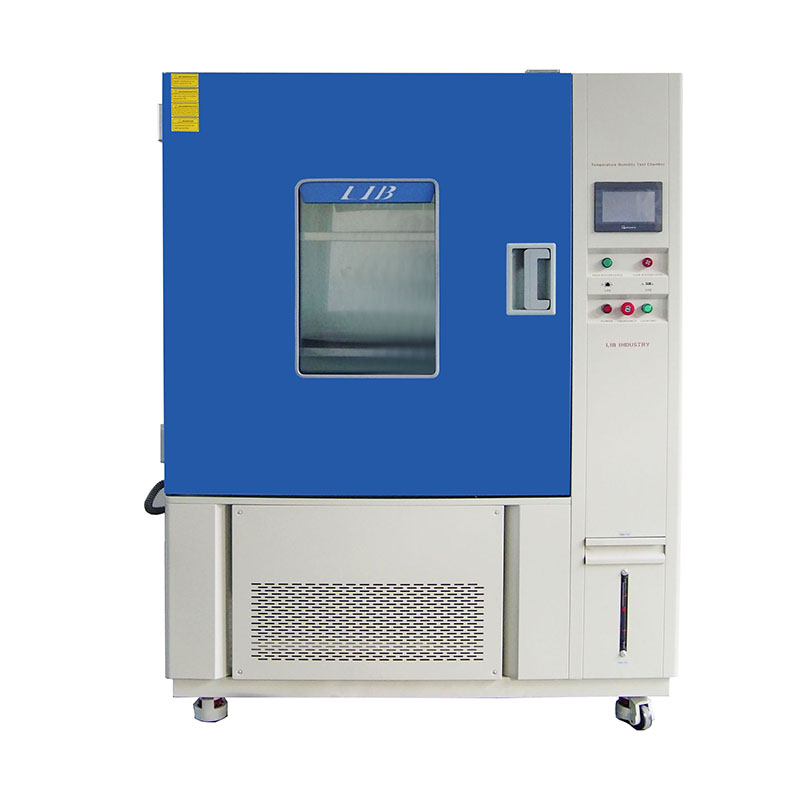
Standing temperature humidity chamber Precise climate simulation, Reliable long-term stability testing |
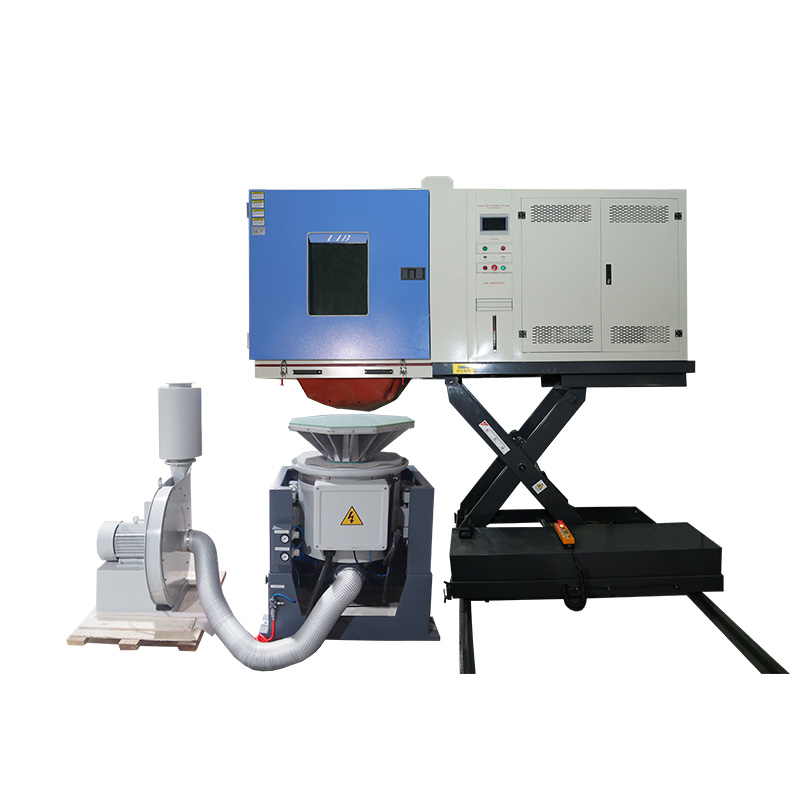
Combined Climate and Vibration Chamber Simulate temperature, humidity, and vibration stresses in one test |
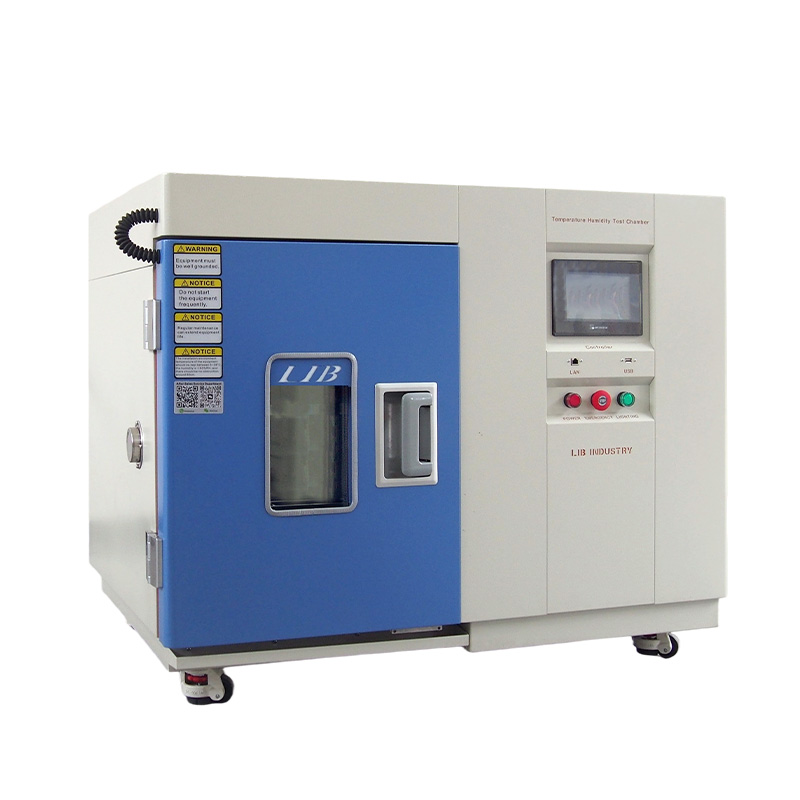
Small temperature humidity chamber Compact footprint design, High-accuracy environmental control |
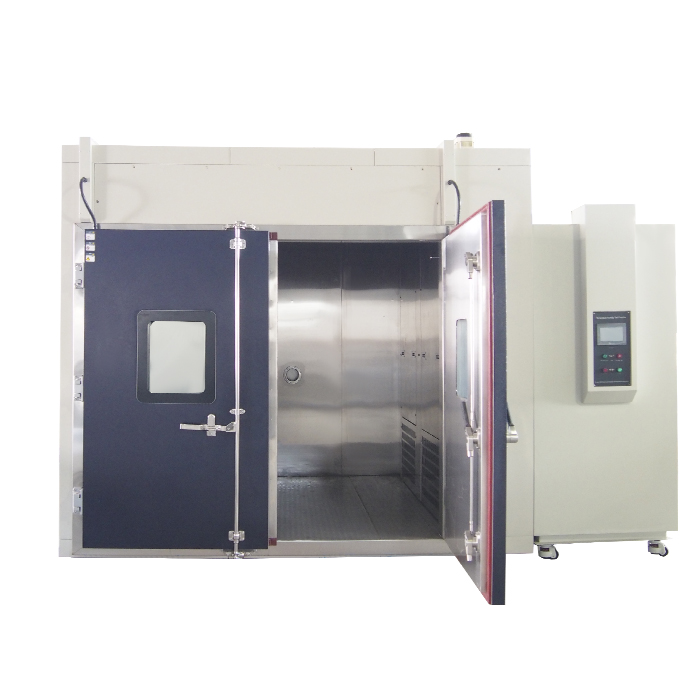
Walk-In temperature humidity chamber Large-capacity testing space, Ideal for oversized products |
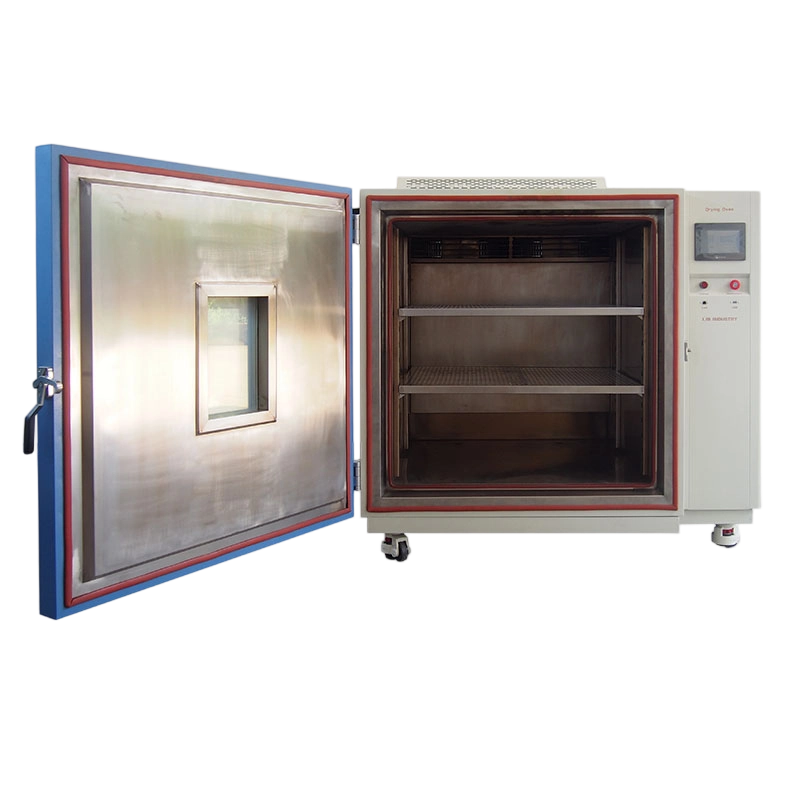
Industrial High-Temperature Vacuum Drying Oven Uniform heat distribution, Efficient material drying |
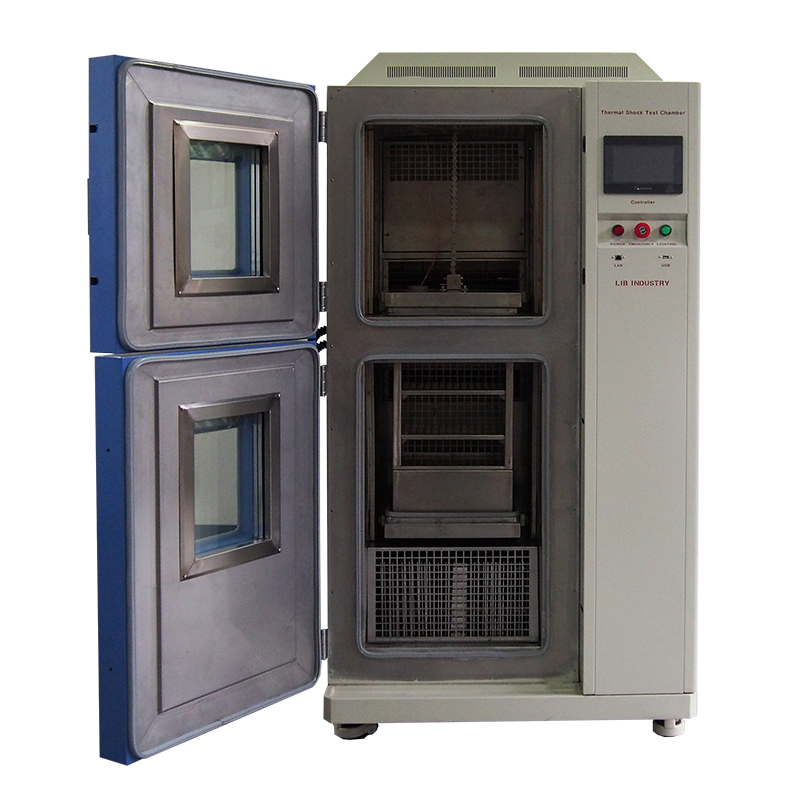
Extreme thermal stress simulation, Fast failure detection capability |
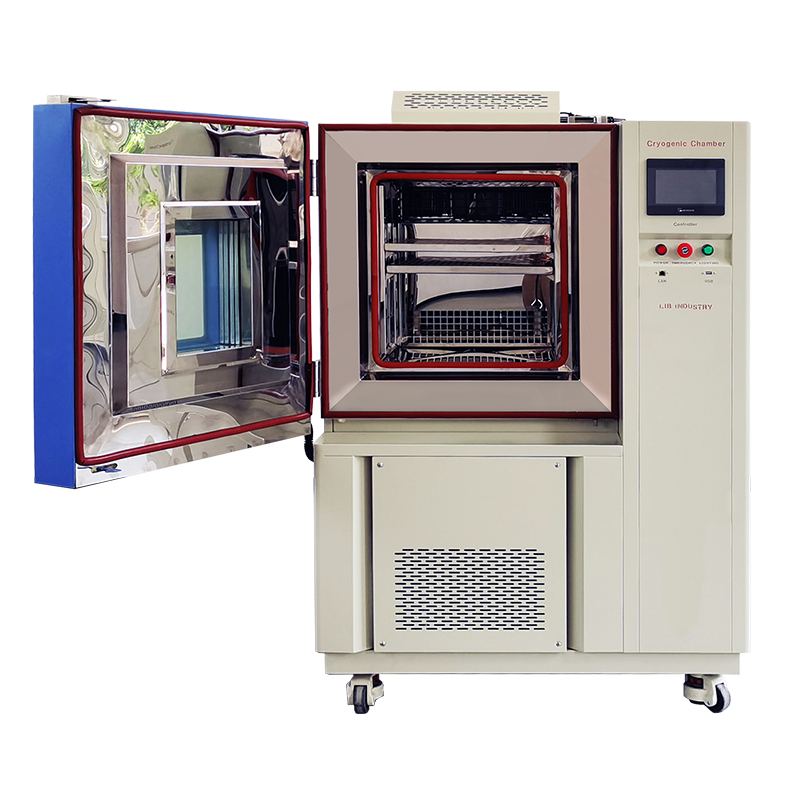
Ultra-low temperature performance, Reliable cold resistance evaluation |
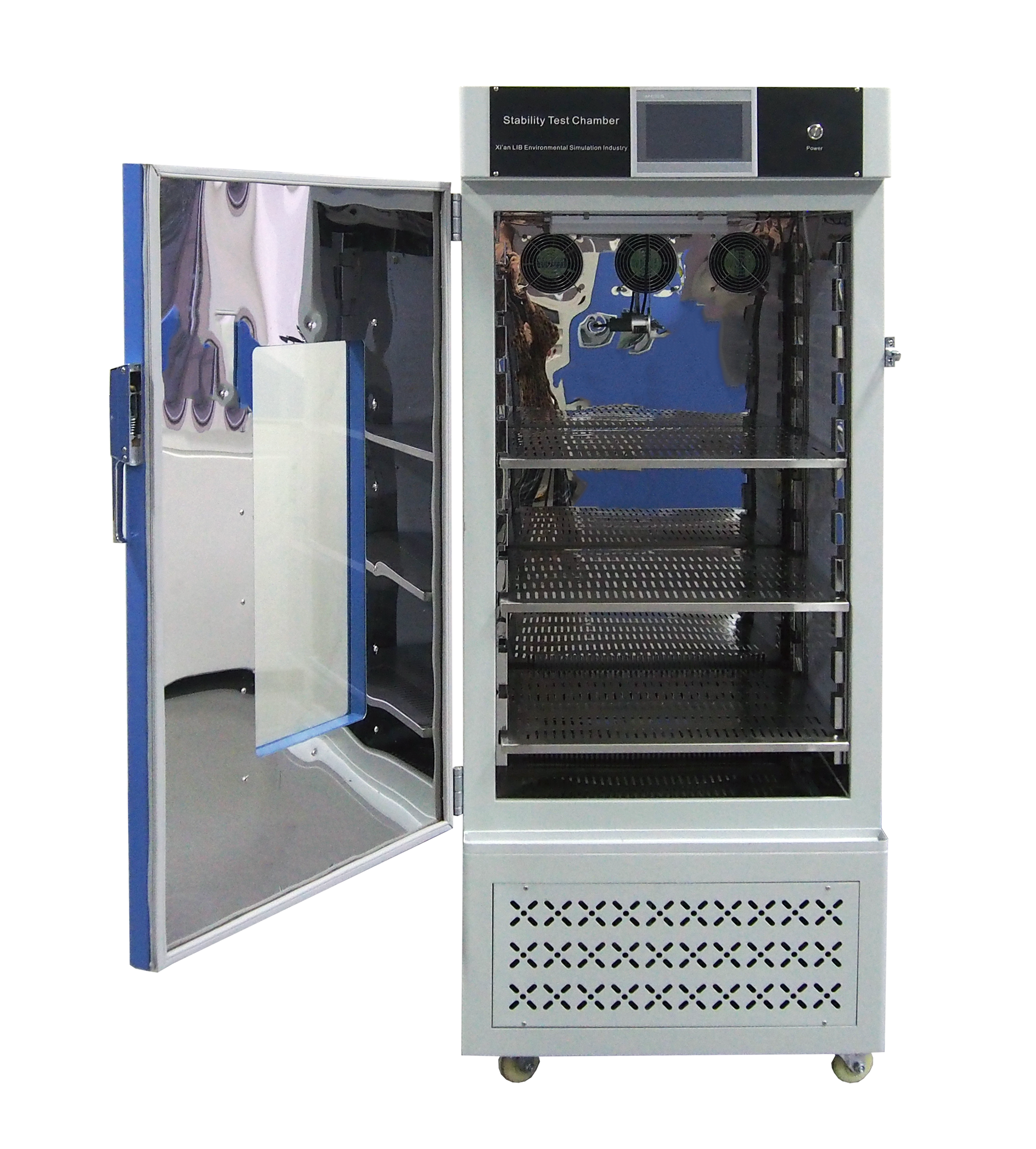
ICH-compliant stability testing, Precise temperature and humidity control |
Procuring a reliable testing unit requires careful scrutiny of internal components. Controller capabilities stand out as the most vital feature. You need programmable profiles to automate weekend testing. The controller must support robust data logging via Ethernet or RS-485. Pharmaceutical applications require strict compliance tracking. You must ensure the software meets FDA 21 CFR Part 11 requirements for electronic signatures. Military contractors similarly require pre-programmed MIL-STD testing profiles.
Humidity generation dictates the reliability of your moisture tests. Evaluate the differences between steam generators and ultrasonic atomization systems. Steam systems often provide faster humidity ramping. Atomization systems provide excellent stability at lower ranges. You must address water purity strictly. Operating these units requires demineralized or Reverse Osmosis (RO) water. Tap water introduces minerals into the system. These minerals calcify on the sensors and ruin the internal heater elements.
Acoustic noise levels heavily impact laboratory ergonomics. Engineers often sit mere feet away from these machines. Air-cooled compressors generate significant mechanical noise. You must evaluate the decibel (dB) ratings before purchasing. Look for units rated under 65 dBA for office-style lab spaces. Excessive noise causes fatigue and disrupts laboratory communication.
Tip: Always verify the chamber's "live load" capacity at your required extreme temperatures; a chamber's empty performance specifications will differ significantly once powered devices are placed inside.
Successful implementation requires careful site preparation. A poorly placed unit will suffer from compressor failure. You must follow a strict site preparation checklist to ensure longevity.
1. Sturdy Benching: Small units still weigh between 100 and 200 pounds. You must place them on industrial-grade laboratory benches. Standard office desks will warp or collapse under the dynamic vibration of the compressor.
2. Clearance for Air Exhaust: Air-cooled condensers need to breathe. You must provide 6 to 12 inches of rear clearance. Pushing the unit flush against a wall blocks airflow. The compressor will overheat and trigger safety alarms.
3. Ambient Room Temperature: The laboratory environment dictates the machine's efficiency. Keep ambient room temperatures strictly around 20-25°C. Hot rooms force the compressor to work harder, reducing its lifespan significantly.
You must anticipate maintenance and calibration expectations. Running a test unit involves hidden ongoing expenses. You still need annual calibration to maintain NIST traceability. Humidity systems utilizing a wet-bulb require frequent wick replacements. The wick dries out or hardens over time. You must also schedule quarterly condenser cleaning. Dust accumulation acts as an insulator and destroys cooling efficiency.
Consider the benefits of strategic scalability. Many companies buy multiple small units instead of one large floor model. This creates a highly flexible "chamber farm." It offers superior redundancy. If one small unit requires maintenance, your other units keep running. You can simultaneously run three different test profiles across three units. One large unit forces everyone to run the exact same profile together.
Note: For continuous humidity testing, specify a model with a direct water-line hookup or an auto-refill reservoir to prevent tests from failing over the weekend due to an empty water tank.
A compact climatic testing unit is not merely a downsized alternative. It serves as a strategic tool for accelerating modern R&D. You reduce testing bottlenecks and speed up your product development cycles. These units deliver uncompromising accuracy for small components. They fit easily into standard laboratory environments.
You can drastically cut down outsourced testing fees by bringing evaluations in-house. Engineers benefit from immediate, localized access to environmental simulation. This immediate feedback loop fosters better design decisions. It prevents catastrophic failures late in the production cycle.
Take actionable steps before requesting a quote. Audit your typical sample sizes first. Check your laboratory's electrical infrastructure for available amperage. Consult directly with a manufacturer to map out your specific ramp-rate requirements. Matching the machine to your exact live-load constraints guarantees long-term testing success.
A: Many smaller models do, but check the amp draw. Standard 120V circuits handle 15 amps. High-performance models may require dedicated 20A or 230V circuits to power their heaters and compressors simultaneously without tripping laboratory breakers.
A: Typically annually. You must verify sensor drift against a NIST-traceable standard. However, ISO-certified or FDA-regulated facilities may require bi-annual calibration to ensure strict compliance and data integrity.
A: Yes, but the active heat load must not exceed the cooling capacity of the unit's smaller compressor. Otherwise, it will fail to reach the target low temperature. Always calculate your component's wattage output before testing.
A: It varies. Many have built-in reservoirs for true portability. This requires manual refilling. Others offer optional direct plumbing for uninterrupted, long-duration humidity tests. You generally need a gravity drain for excess condensation.
Need a reliable benchtop temperature humidity chamber for your R&D or quality control applications? LIB Industry provides customized environmental simulation solutions with professional manufacturing experience, precise performance control, and global technical support.
From compact benchtop chambers to complete environmental testing systems, LIB helps laboratories improve testing efficiency, reduce development delays, and achieve reliable results faster.
Contact LIB Industry today to discuss your testing requirements and find the right environmental chamber solution for your application.