Views: 0 Author: Site Editor Publish Time: 2026-06-22 Origin: Site


Modern engineering requires us to move beyond basic definitions. You must view the environmental test chamber not just as standard laboratory equipment, but as a critical risk-mitigation asset. This vital equipment prevents catastrophic field failures. It also ensures strict regulatory compliance across global markets. Over the last decade, we have witnessed a massive industry shift. Manufacturers no longer rely on simple, baseline product testing. Instead, they implement advanced Environmental Stress Screening (ESS) and complex lifecycle prediction models. These rigorous methods expose hidden physical flaws long before mass production begins.
You can simulate decades of harsh environmental exposure in just a few days. However, choosing the right Environmental Test Chamber requires careful planning and strategic foresight. You must map your specific product failure modes to precise equipment capabilities. You also need to evaluate strict facility constraints before installation. Making an informed decision protects your brand reputation and prevents dangerous product recalls. This guide explores the engineering, applications, and selection criteria you need to navigate environmental simulation successfully.
1. Environmental test chambers accurately replicate extreme real-world conditions to accelerate aging, execute HALT/HASS protocols, and validate design thresholds.
2. Core mechanisms rely on closed-loop mechanical cooling, precise airflow (often capped at 1000 FPM for controlled convection), and advanced insulation (high R-value panels).
3. Selecting the right system requires balancing climatic (temperature/humidity) vs. dynamic (vibration/shock) capabilities against facility constraints.
4. Regular maintenance and annual calibration are non-negotiable for maintaining testing validity under standards like MIL-STD-810 and IEC 60068.
Consumer and industrial expectations have evolved rapidly. Products no longer just need to "survive" their intended environments. Today, they require absolute zero downtime. Consider modern infrastructures like 5G base stations or electric vehicle (EV) battery packs. A single environmental failure in these systems causes massive service disruptions and safety hazards. Manufacturers use environmental simulation to guarantee continuous operation under severe stress.
Subjecting internal components to extreme temperature fluctuations over a few days simulates years of real-world degradation. We call this accelerated aging. Instead of waiting ten years to see how a circuit board handles humidity, engineers force the exact degradation mechanisms immediately. This aggressive timeline allows research teams to iterate faster and build stronger products.
Modern testing profiles generally split into two distinct methodologies. They serve different phases of the product lifecycle.
1. Highly Accelerated Life Testing (HALT): Engineers perform HALT during the research and development phase. You intentionally push prototypes far past their specified design limits. The goal is to break the product. This reveals fundamental physical weaknesses and design limits.
2. Highly Accelerated Stress Screening (HASS): Facilities execute HASS during active production. You test items before shipping them to customers. This process catches hidden manufacturing defects, such as weak solder joints or faulty seals, without permanently degrading the unit.
You cannot simply claim a product is rugged; you must prove it. A test chamber serves as your primary tool for provable, documented compliance. Defense contractors rely heavily on standards like MIL-STD-810 to validate military-grade durability. Electronics manufacturers adhere to IEC 60068 to ensure consumer safety. Medical and automotive sectors utilize specific ASTM and ISO guidelines. Meeting these standards requires highly precise data logging and undeniable environmental stability.
Creating extreme environments inside a sealed box requires sophisticated engineering. The systems must manipulate temperature, humidity, and airflow simultaneously while maintaining absolute precision.
To achieve extreme low temperatures, such as -70°C or -80°C, chambers utilize robust closed-loop mechanical cooling systems. These systems rely on a foundational four-component refrigeration cycle:
1. Compressor: It pressurizes the chemical refrigerant gas, raising its temperature significantly.
2. Condenser: The hot gas flows here, releasing its heat into the ambient air or facility cooling water. It transforms into a high-pressure liquid.
3. Expansion Valve: This valve restricts the flow, causing a sudden pressure drop. The liquid cools dramatically as it prepares to enter the testing space.
4. Evaporator: Located inside the testing workspace, the ultra-cold refrigerant absorbs heat from the internal air. Fans circulate this chilled air over the product.
Heating is much simpler. Systems typically use electric resistance heaters placed directly in the airstream. The controller modulates power to these elements to achieve rapid thermal ramp rates.
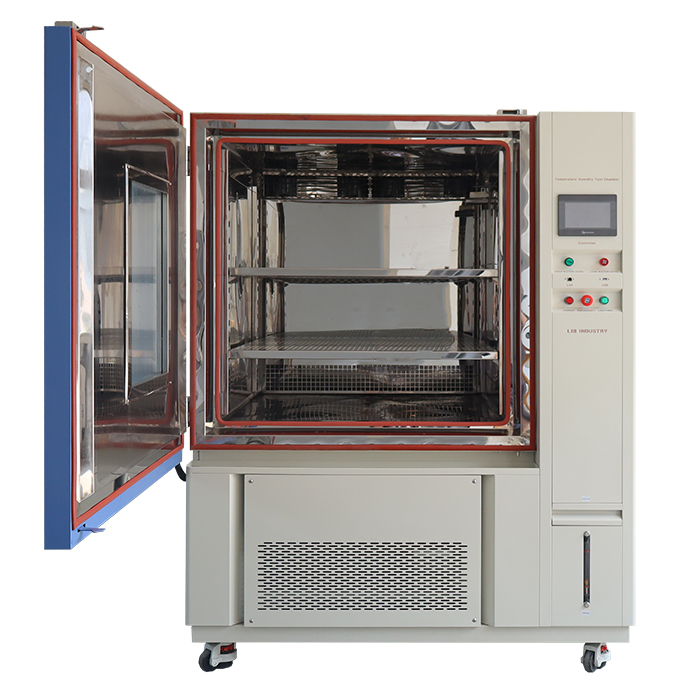
Managing moisture levels accurately is notoriously difficult. Engineers must control both the introduction and extraction of water vapor.
1. Humidification: High-end models use direct vapor injection. A dedicated boiler generates steam and injects it into the air plenum. This ensures aerosol-free moisture application. It prevents water droplets from spotting the test product.
2. Dehumidification: Systems extract moisture using the cold finger principle. The evaporator coil acts as the coldest point inside the sealed space. Air naturally drops its moisture when it hits this freezing surface. The water condenses and drains out, effectively lowering the relative humidity.
A machine cannot maintain extreme internal conditions without exceptional physical build quality. Manufacturers use highly durable materials. The internal workspace usually features fully welded 304 stainless steel. This prevents corrosion from continuous moisture exposure.
Solid polyurethane insulation surrounds the inner liner. These high R-value panels block thermal transfer. Doors require double-bulb compression gaskets made of silicone. These gaskets maintain stable internal pressures. They eliminate outside air leaks and reduce energy waste during extreme testing cycles.
Best Practice: Always inspect door gaskets monthly. A tiny tear in the silicone gasket lets ambient humidity rush into a sub-zero workspace. This creates heavy frost buildup on the evaporator and instantly ruins your testing profile.
Different industries leverage specific environmental stressors to validate their unique products. The applications span across several cutting-edge sectors.
Green energy infrastructure must survive outdoors for decades. Engineers heavily utilize an Environmental Test chamber for PV Solar Panel validation. Testing protocols simulate intense ultraviolet (UV) degradation, relentless high humidity, and extreme thermal cycling. Solar arrays and wind turbine components face brutal weather shifts. Rigorous simulation guarantees the 25-year lifespan promises required by commercial energy providers.
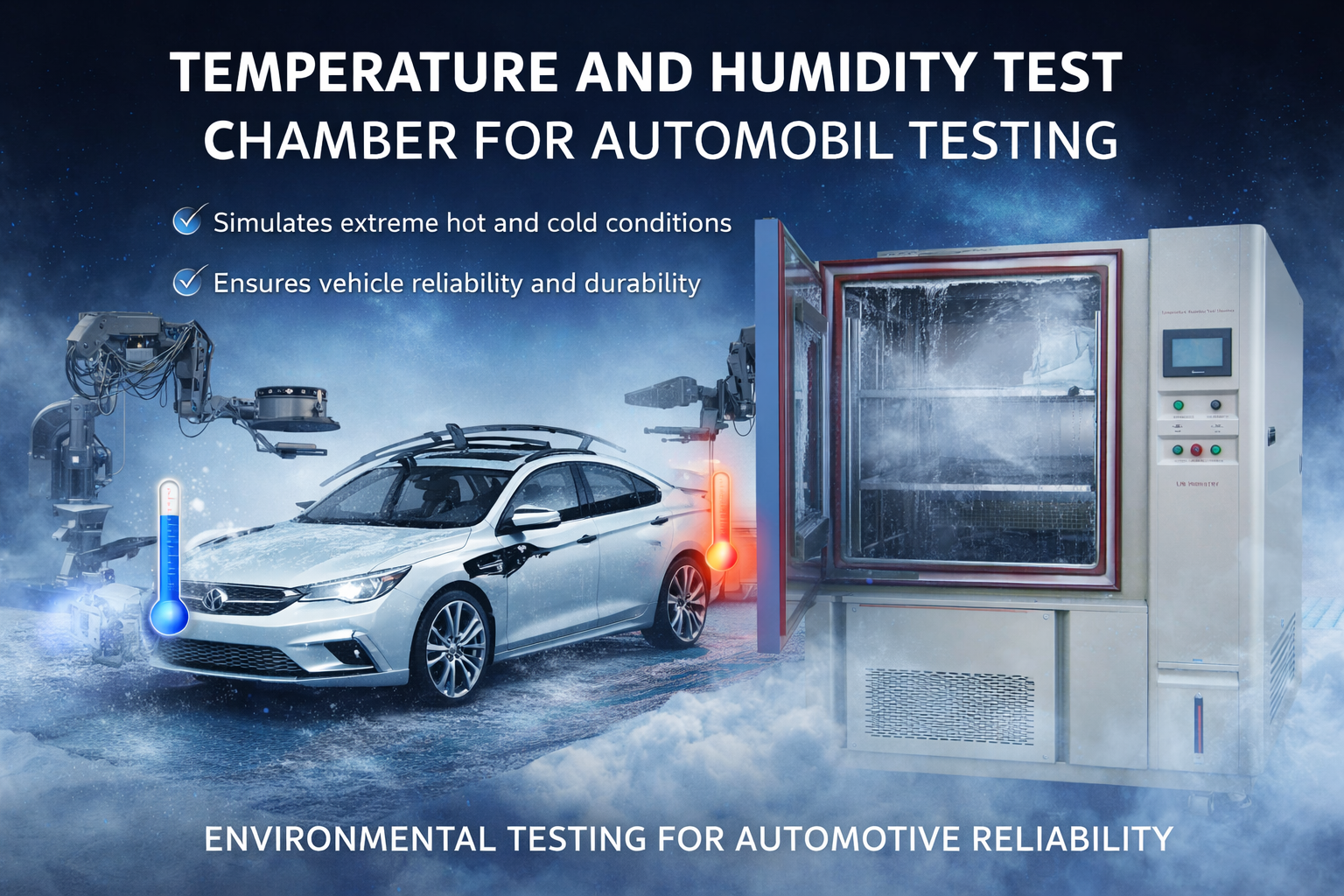
The electric vehicle boom demands unprecedented safety testing. Engineers place massive lithium-ion battery packs inside specialized explosion-proof enclosures. They trigger extreme heat to study thermal runaway risks. Furthermore, automotive brands evaluate Advanced Driver Assistance Systems (ADAS). They blast exterior sensors with simulated freezing rain and rapid temperature shifts. This ensures automatic braking systems function perfectly during winter storms.
Smartphones, wearable fitness devices, and telecommunications hardware face constant environmental abuse. 5G edge-computing hardware often sits entirely exposed on outdoor utility poles. Technicians test these units against sudden moisture drops, wind-driven rain, and heavy dust. Simulating these conditions guarantees operational consistency and network reliability.
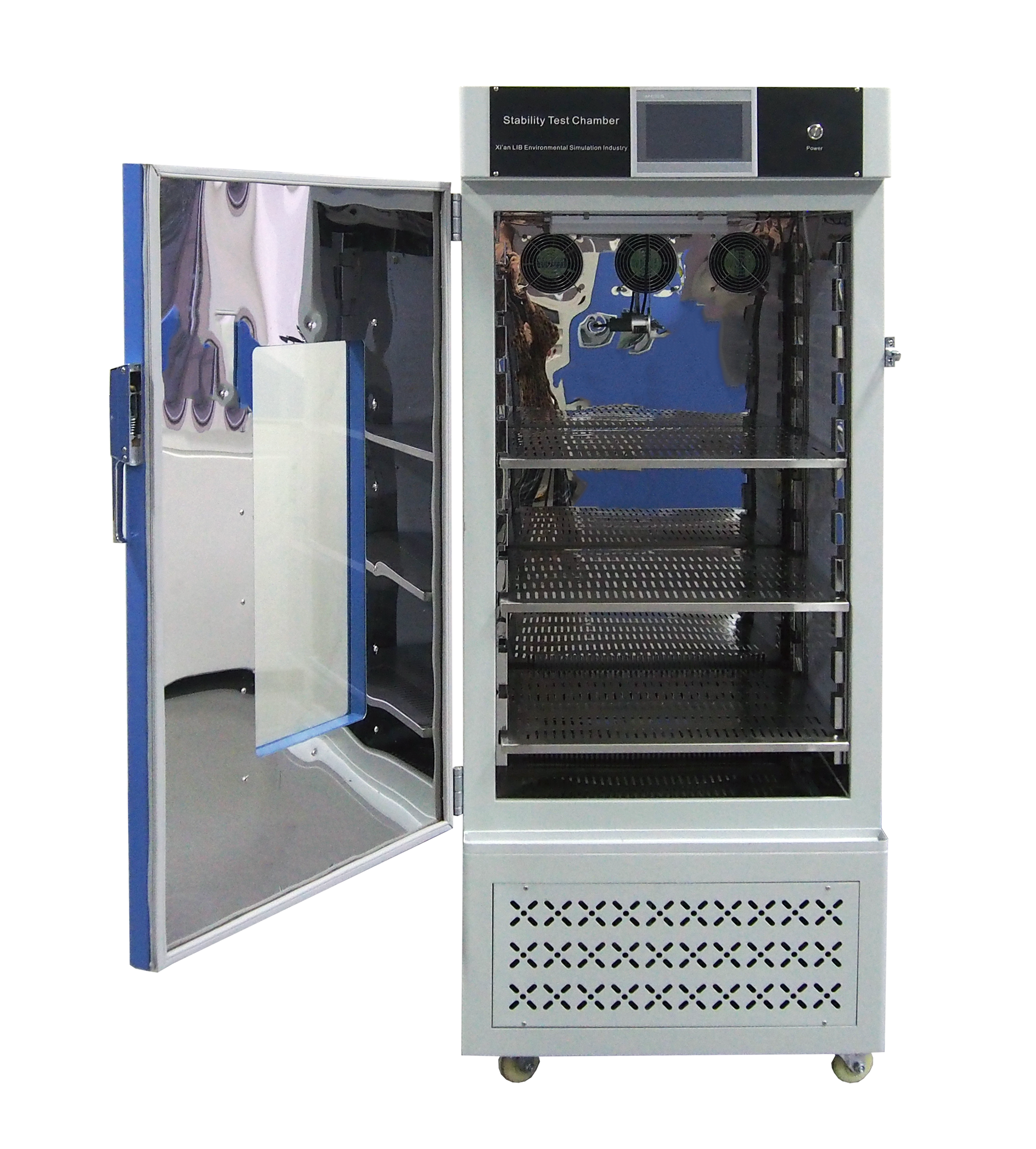
The medical industry focuses heavily on shelf-life and chemical degradation. Facilities use dedicated Stability Chambers for this purpose. Pharmaceutical companies must comply with strict ICH Q1B photostability guidelines. This standard requires exposing drug compounds to 1.2 million lux hours of light while holding steady temperatures. It ensures vaccines and medications do not lose efficacy while sitting on pharmacy shelves.
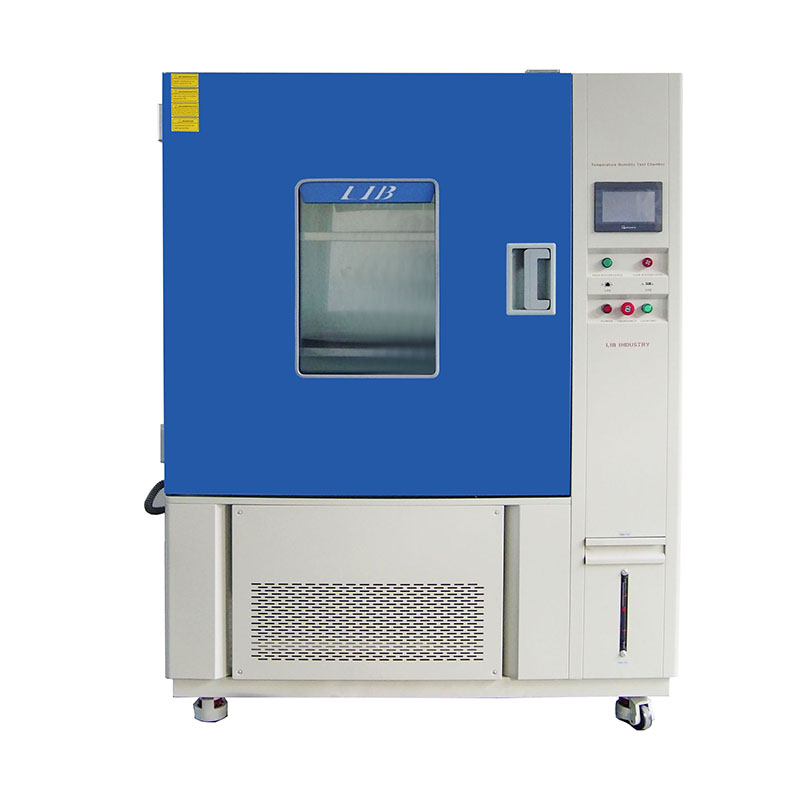
Temperature & Humidity Chambers "Simulate real-world temperature and humidity conditions with exceptional accuracy, helping manufacturers improve reliability, meet IEC 60068 requirements, and accelerate product qualification." | 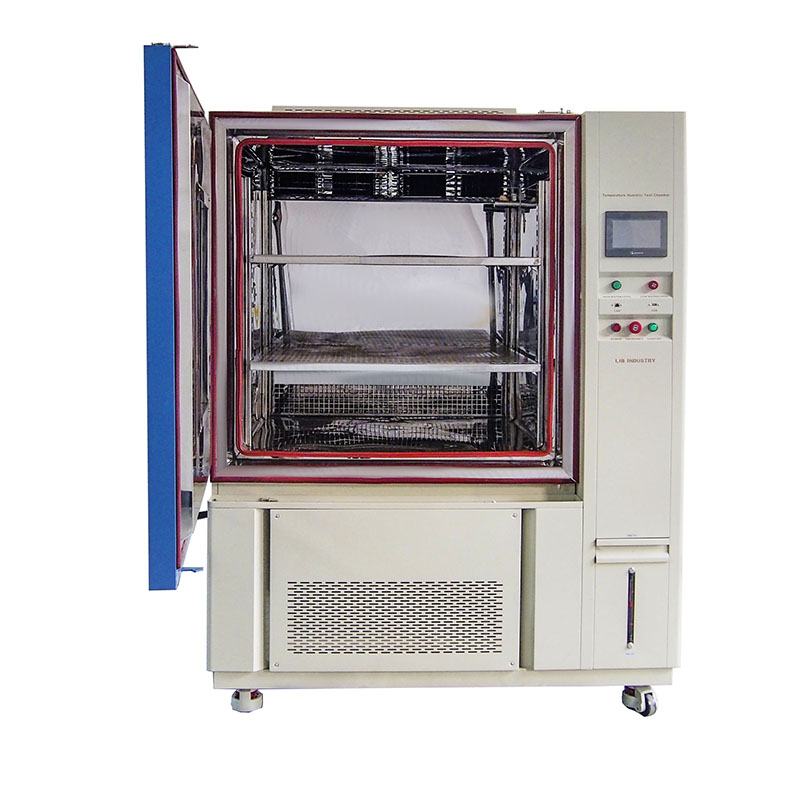 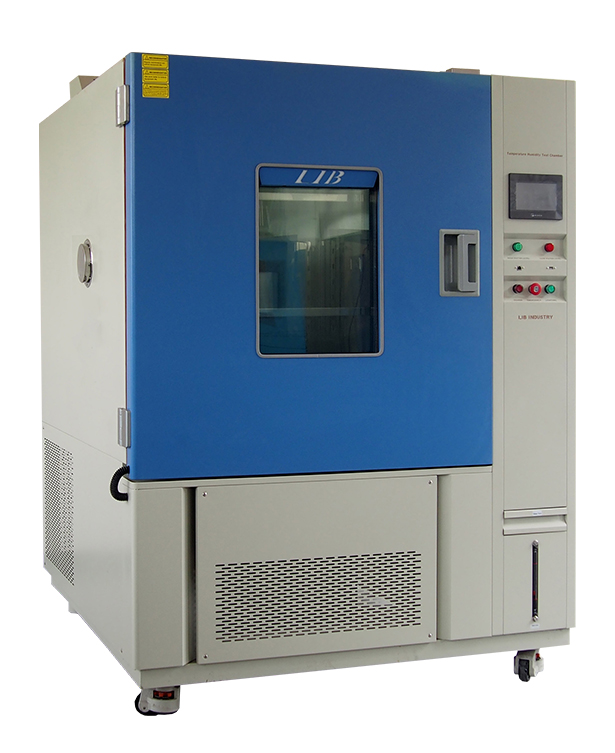 | ||||
Temperature range | -20℃ ~+150 ℃ | ||||
Low type | A: -40℃ B:-70℃ C -86℃ | ||||
Humidity Range | 20%-98%RH | ||||
Temperature deviation | ± 2.0 ℃ | ||||
Heating rate | 3 ℃ / min | ||||
Cooling rate | 1 ℃ / min | ||||
Controller | Programmable color LCD touch screen controller, Multi-language interface, Ethernet , USB | ||||
Refrigerant | R404A, R23 | ||||
Exterior material | Steel Plate with protective coating | ||||
Interior material | SUS304 stainless steel | ||||
Standard configuration | 1 Cable hole (Φ 50) with plug; 2 shelves | ||||
Timing Function | 0.1~999.9 (S,M,H) settable | ||||
Navigating the equipment market requires understanding the difference between testing categories. You must align your desired failure modes with specific machine capabilities.
We generally divide environmental simulation into three distinct categories:
1. Climatic Chambers: These focus purely on atmospheric conditions. They hold steady-state temperatures or execute slow-cycling temperature and humidity profiles. Advanced climatic units also integrate altitude and vacuum testing for aerospace applications.
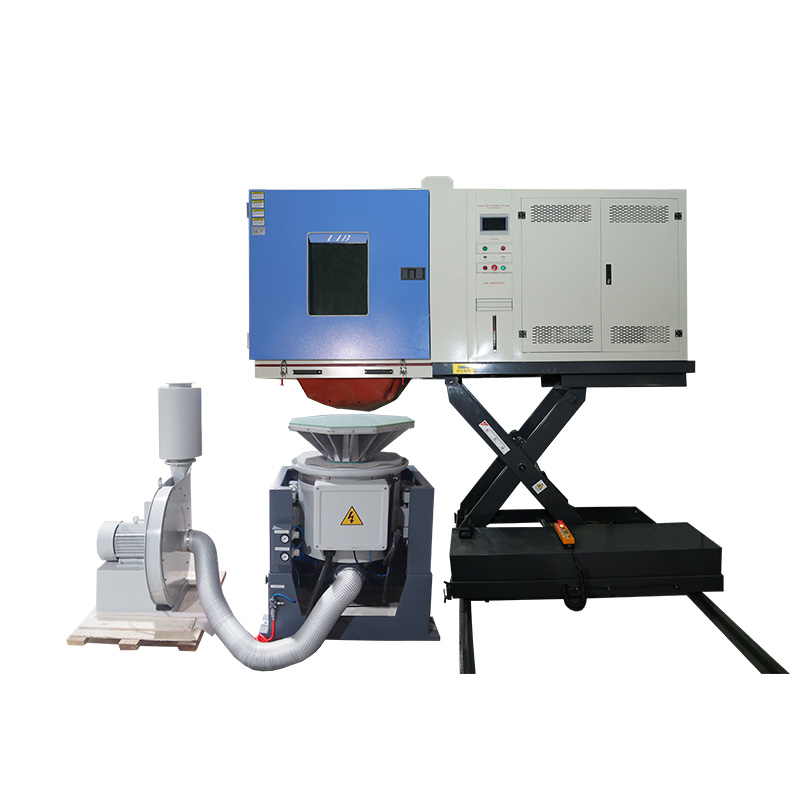
2. Dynamic (AGREE) Chambers: These systems integrate standard climatic conditions with extreme mechanical stress. They feature removable floors that drop over multi-axis vibration tables. Engineers use them to replicate active transport vibrations or violent rocket launch conditions.
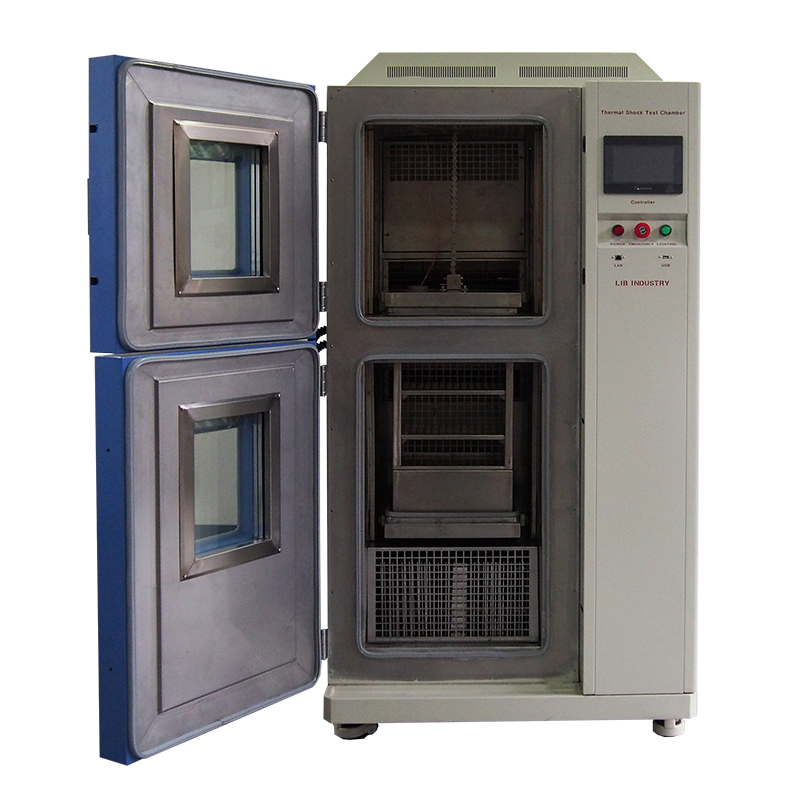
3. Thermal Shock Chambers: These utilize dual-zone or triple-zone architectures. They mechanically transfer a product via a robotic basket from extreme heat to extreme cold in less than ten seconds. This brutal transition tests material expansion and contraction limits, exposing weak solder joints instantly.
Use the following comparison chart to structure your procurement strategy quickly.
Chamber Category | Primary Application | Key Technical Feature |
|---|---|---|
Climatic | Shelf-life, basic weather resistance, humidity exposure | Steady-state precision controls and vapor injection |
Thermal Shock | PCB testing, material expansion limits, rapid defect discovery | Robotic transfer baskets or high-velocity air dampers |
Dynamic / AGREE | Aerospace launch simulation, rugged transport validation | Removable floor interfaces for shaker tables |
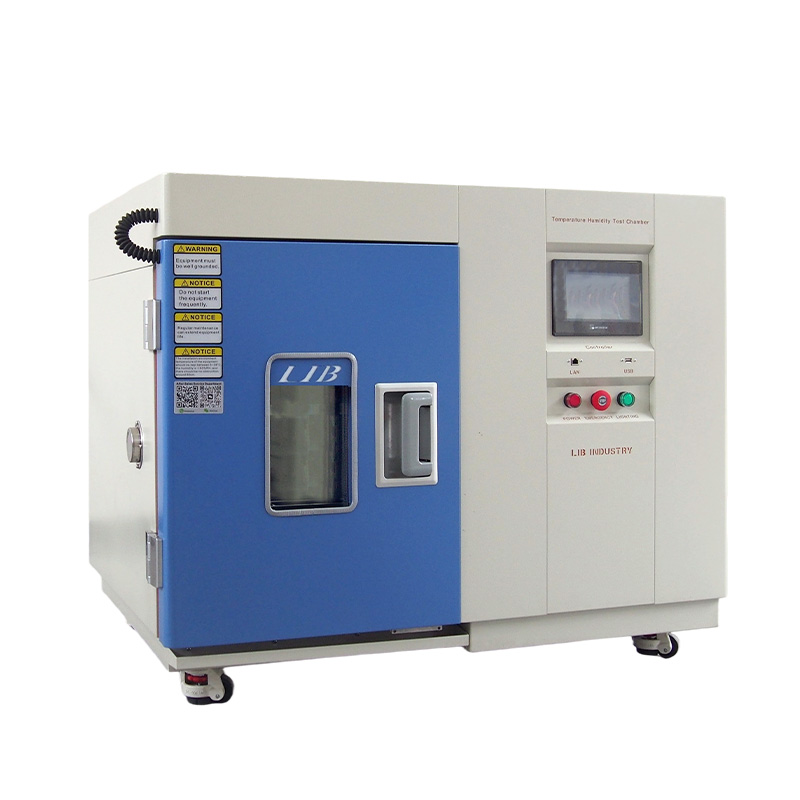
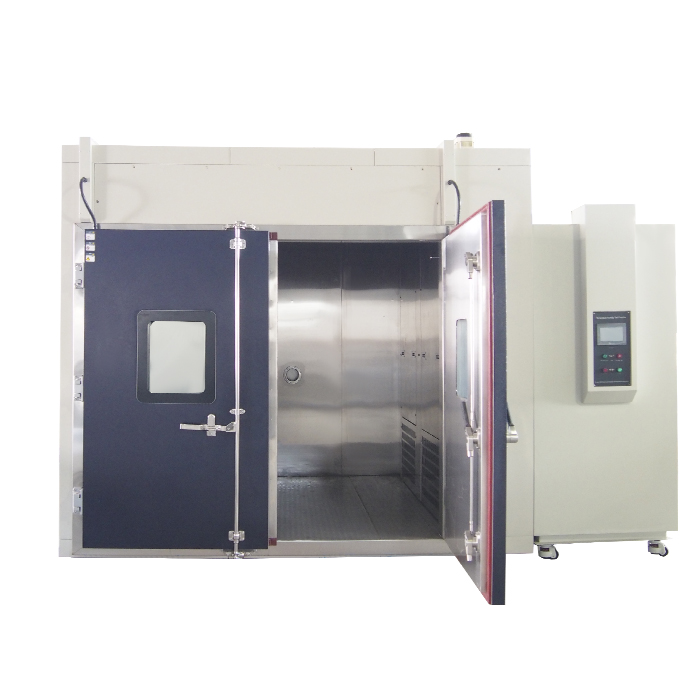
Sizing your equipment correctly prevents workflow bottlenecks. Small laboratories use Benchtop models. These sit directly on work desks and fit tiny printed circuit boards (PCBs) or small sensors. Larger production floors use Reach-in models. These represent the industry standard volume, roughly the size of a large refrigerator. Finally, massive applications require modular Walk-in or Drive-in rooms. You can drive an entire electric vehicle or forklift a massive solar array straight into these custom-built environments.
| LIB popular Temperature Humidity Chambers | |||
Standing temperature humidity chamber Precise climate simulation, Reliable long-term stability testing |
Combined Climate and Vibration Chamber Simulate temperature, humidity, and vibration stresses in one test |
Small temperature humidity chamber Compact footprint design, High-accuracy environmental control |
Walk-In temperature humidity chamber Large-capacity testing space, Ideal for oversized products |
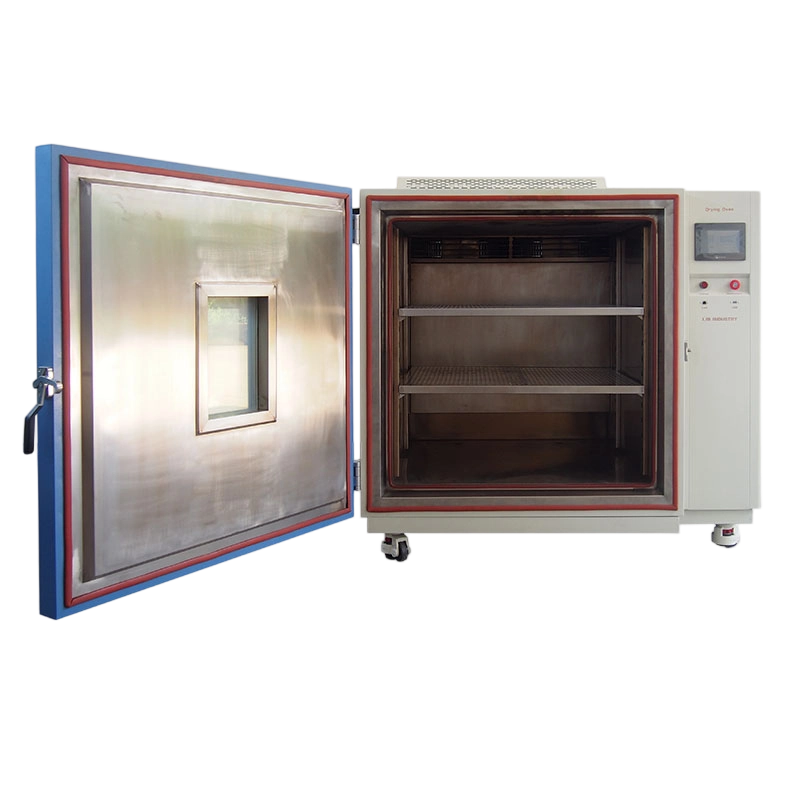
Industrial High-Temperature Vacuum Drying Oven Uniform heat distribution, Efficient material drying |
Extreme thermal stress simulation, Fast failure detection capability |
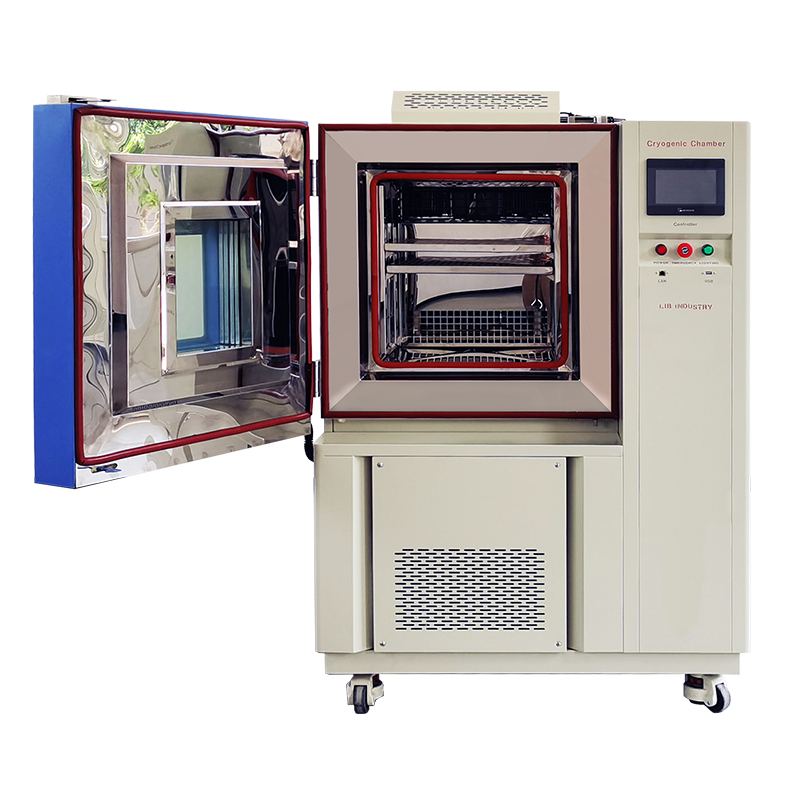
Ultra-low temperature performance, Reliable cold resistance evaluation |
ICH-compliant stability testing, Precise temperature and humidity control |
You cannot simply plug industrial simulation equipment into a standard wall outlet. Integrating these powerful systems introduces substantial operational risks and facility demands.
Your building infrastructure dictates what size and type of equipment you can safely operate. Always evaluate the following utility constraints:
1. Amperage Demands: Extreme cooling requires massive electrical draws. You often need 480V 3-phase power dedicated entirely to a single testing unit.
2. Cooling Water: Air-cooled condensers struggle to handle massive compressors. Walk-in facilities typically require a dedicated chilled water loop to remove waste heat efficiently.
3. Floor Load Capacities: Modular rooms contain heavy structural steel, dense insulation, and massive machinery. Standard commercial laboratory floors might crack under the concentrated weight.
Safety features require equal attention. Battery testing operations demand intense risk mitigation. You must install pressure relief valves to handle sudden off-gassing. Chemical and fire suppression systems must integrate directly into the machine's primary controller. For walk-in models, you must install reliable oxygen-deprivation sensors. These sensors detect dangerous nitrogen leaks and prevent severe operator hypoxia.
Testing precision degrades over time. Sensor drift happens naturally. If you ignore maintenance, your qualification data becomes entirely invalid. You must establish a rigid calibration lifecycle. Industry standards strongly recommend a 6-to-12-month calibration frequency for all internal temperature, humidity, and pressure sensors.
Routine maintenance includes cleaning condenser fins, checking refrigerant charge levels, and replacing water filters. Proactive care ensures continuous accuracy and prevents unplanned equipment downtime during critical product launch windows.
Common Mistake: Relying on uncalibrated sensors to pass compliance. An auditor will immediately reject testing data if you cannot provide valid, up-to-date NIST-traceable calibration certificates for your equipment.
Ultimately, an Environmental Test chamber operates as a strategic safeguard. It protects your brand reputation, maximizes product reliability, and drastically reduces severe warranty risks. By exposing products to brutal conditions before mass production, you discover failure points safely inside the laboratory rather than disastrously in the consumer's hands.
To move forward effectively, follow these actionable next steps:
1. Formalize your internal testing profiles: Document your exact required temperature ranges, extreme humidity levels, and dynamic ramp rates.
2. Calculate your live load: Determine the active heat dissipation of your powered products. This ensures you purchase adequate compressor capacity.
3. Assess your laboratory utilities: Verify your existing electrical limits and chilled water availability before requesting custom manufacturing quotes.
Preparation and precise specification matching guarantee you deploy a testing system capable of securing your product's future.
A: A high-quality environmental test chamber typically lasts between 10 to 20 years. Reaching this lifespan requires proactive, scheduled maintenance. You must regularly clean condenser coils, inspect door seals, and execute professional compressor servicing. Neglecting these tasks drastically reduces the operational life.
A: You should schedule a standard calibration annually. However, high-compliance industries like aerospace, military, and pharmaceuticals often require bi-annual (every six months) calibration. Additionally, you must recalibrate the system immediately following any major sensor replacement or controller repair.
A: Temperature chambers utilize powerful compressors to execute rapid thermal cycling and extreme environmental shifts. In contrast, stability chambers hold precise, constant conditions over long durations. Engineers use stability chambers primarily to evaluate long-term material shelf life under static environments.
A: Yes, but you must accurately calculate the "live load." Powered devices actively dissipate heat during operation. This internal heat fights against the cooling system. You must communicate this thermal load to the manufacturer so they can size the refrigeration capacity correctly.
Contact LIB Industry today to discuss your environmental testing requirements. Our engineers can help you select the right environmental test chamber solution for your application, ensuring reliable performance, compliance with international standards, and long-term testing success.