Views: 0 Author: Site Editor Publish Time: 2026-04-21 Origin: Site


In product development, reliability is not optional—it is essential. Manufacturers across industries must understand how their materials and devices perform when exposed to changing environmental conditions. A temperature humidity chamber allows engineers and researchers to simulate real-world climates, from tropical humidity to extreme temperature shifts. By recreating these environments in a controlled laboratory setting, companies can evaluate product durability, identify potential weaknesses, and improve long-term performance before products reach the market.
For example, a Swedish plastics testing company shared positive feedback after using the LIB TH-500 temperature humidity chamber. After following the maintenance instructions provided by LIB Industry, the customer confirmed the chamber remains in good condition.“Hi Ms. Alice, I managed to clean the contaminated water cups and boiler chamber thanks to the instruction manual you provided… Again, thank you for your assistance! The climate chamber is in good condition.” This feedback highlights the reliability and easy maintenance of LIB temperature humidity chambers.
This article introduces the working principle, key features, testing applications, and benefits of temperature humidity chambers, helping you understand how they support product reliability testing and quality assurance across industries.
Temperature humidity chambers simulate real-world conditions to test product durability and performance.
These chambers help identify weaknesses in materials and designs before products reach customers.
Using programmable cycles allows for precise testing under varying humidity and temperature conditions.
Humidity chambers ensure compliance with industry standards, reducing the risk of product recalls.
Testing in these chambers improves product quality and safety, leading to better customer satisfaction.
You use a humidity chamber to simulate different environmental conditions for product evaluation. This apparatus helps you understand how materials and devices respond to changes in humidity and temperature. You can test products for durability, stability, and performance before they reach the market.
A humidity chamber serves many purposes across industries. You can use it for:
Pharmaceutical and medical product testing to check stability and effectiveness.
Packaging and food industry testing to simulate storage and assess shelf life.
Product durability testing to see how materials handle moisture and temperature changes.
Material stability testing to confirm resistance to fluctuating humidity.
Optimization of perfume and cosmetic formulations by evaluating fragrance and cosmetic performance.
Investigation of microbial growth in smart homes to study mold and bacteria under different humidity levels.
You rely on humidity chambers to create repeatable and controlled environments. This process ensures that your testing results are accurate and meaningful for real-world applications.
A modern humidity chamber contains several important parts that help you control and monitor the environment inside. The table below shows the main components and their functions:
Component | Description | |
|---|---|---|
Temperature Control | Uses heating and cooling systems, managed by a PID controller, to keep temperatures steady. | 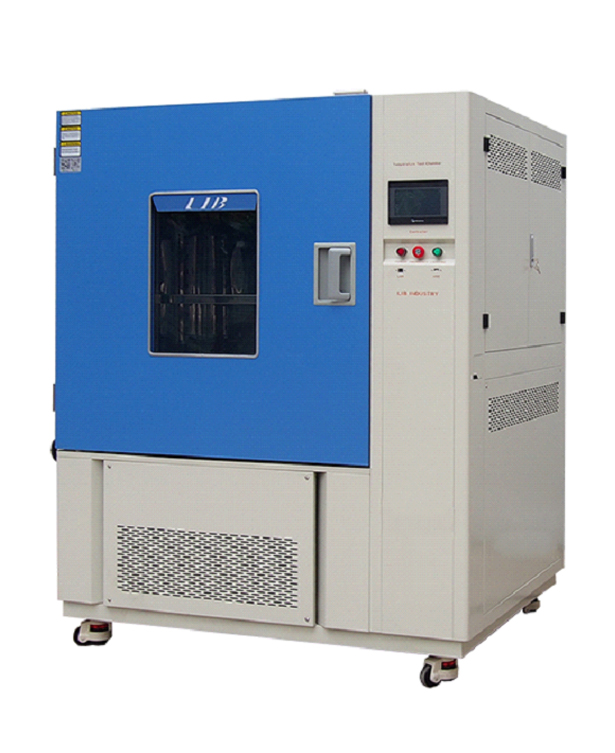 |
Humidity Control | Uses humidifiers and dehumidifiers to adjust moisture levels, with sensors for real-time feedback. | |
Air Circulation System | Uses fans and airflow systems to distribute temperature and humidity evenly. | |
Automation Features | Includes programmable controllers for custom testing cycles and data logging for analysis. |
You can set up programmable cycles in humidity test chambers. This feature lets you design specific testing protocols that match real-world conditions. You can define exact humidity and temperature settings for each cycle. This ability helps you perform complex tests and collect reliable data.
Humidity chambers use advanced sensors to monitor conditions inside the chamber. You can trust the data you collect because these sensors provide accurate, real-time measurements. Automation features make it easy for you to repeat tests and compare results.
You find humidity chambers in many applications, from electronics to construction. These chambers help you ensure that products meet quality standards and perform well in different environments.
Understanding the working principle of a temperature humidity chamber helps you see how products face real-world environmental conditions before they reach customers. You can use these chambers to control temperature and humidity with high accuracy. This section explains how each part works together to create reliable testing environments.
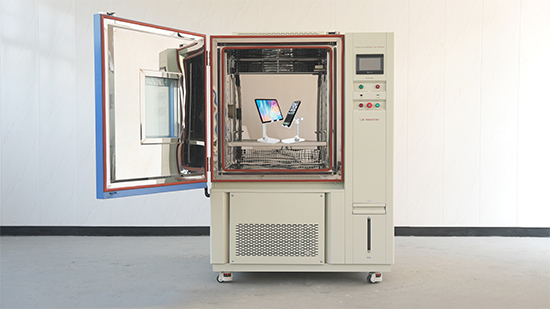
You control the temperature inside a humidity chamber using several advanced systems. These systems let you simulate both hot and cold environments for your products. The table below shows the main types of temperature control systems and their functions:
Type of System | Function | LIB Temperature humidity chamber |
|---|---|---|
Heating System | Raises internal temperature to simulate high-temperature environments. |  |
Cooling System | Simulates low-temperature environments using thermoelectric coolers. | |
PID Controller | Regulates temperature fluctuations for a stable test environment. | |
Heating and Cooling | Maintains precise testing temperatures with robust thermostat control. | |
Heating Elements | Encased in ceramic, calculated by the control system for specific tests. |
You use electric heaters to increase the temperature and refrigeration units to lower it. The PID controller keeps the temperature steady by adjusting the heating and cooling systems. This setup allows you to test how products react to sudden or extreme temperature changes. You can trust the results because the chamber maintains the exact temperature you set.
You can adjust humidity levels in humidity chambers using several methods. These methods help you simulate dry, damp, or even very humid conditions. Here are the main ways you control humidity:
Humidification systems may include reservoirs, ultrasonic humidifiers, or steam generators to introduce moisture into the chamber.
Dehumidification systems can involve desiccants, condensation, or refrigeration methods to accurately regulate humidity.
Steam generators add moisture to the air, ensuring humidity levels are maintained.
Dehumidifiers remove excess moisture to prevent condensation and static buildup.
Humidification systems, such as steam humidification and ultrasonic atomization, are used to increase humidity levels by injecting water vapor into the chamber.
Dehumidification systems, including condensation dehumidification and desiccant agents, are employed to lower humidity levels when necessary.
Humidity sensors monitor real-time changes in humidity and provide feedback to control systems, ensuring accurate regulation of humidity levels.
You can use steam generators for high-capacity humidification, which is important in pharmaceutical and healthcare applications. Desiccant dehumidifiers help you reach ultra-low humidity levels, which is useful for electronics and semiconductor testing. By combining these methods, you can create any humidity and temperature condition needed for your testing.
Sensors play a key role in humidity test chambers. You use temperature sensors to monitor and control the temperature inside the chamber. Humidity sensors measure the relative humidity and make sure it stays within your set range. The table below lists the main types of sensors and their functions:
Sensor Type | Description |
|---|---|
Temperature Sensors | Used to monitor and control the temperature within the chamber. |
Humidity Sensors | Measure the relative humidity levels, ensuring they stay within specified ranges. |
Dehumidification Coils | Help achieve lower humidity levels by condensing moisture. |
High Humidity Sensors | Capable of reaching relative humidity levels as high as 98%. |
Nitrogen Purge | A method to create conditions below 10% RH. |
Dry-Air Purge | Utilizes desiccant air dryers to reduce humidity levels. |
Recirculating Desiccant Air Dryer | Another method for maintaining low humidity conditions. |
You can program the chamber to run specific cycles. These programmable cycles let you simulate real-world stressors, such as rapid temperature changes or high humidity. For example, you can set the chamber to switch between hot and cold or dry and humid conditions. This process helps you see how products respond to environmental stresses over time.
Tip: Use programmable cycles to test product durability and performance under changing environmental conditions. This approach gives you valuable data for product development.
By using advanced sensors and programmable cycles, you can trust that your humidity chamber provides accurate and repeatable results. This accuracy is essential for applications in electronics, pharmaceuticals, and construction materials.
You use a humidity chamber to test electronics for reliability and safety. When you expose printed circuit boards, sensors, and other components to changing humidity and temperature, you can see how they handle stress. This process helps you find weak points, such as delamination or condensation issues, before products reach customers. You also use burn-in chambers to accelerate aging and reveal early failures in powered devices. By running these tests, you improve the quality of electronics and reduce the risk of malfunction in the field. Humidity chambers help you test for corrosion resistance, packaging validation, and overall product durability testing.
You rely on humidity chambers to simulate real-world environmental conditions for vehicles and parts. You can test electrical connectors, dashboards, gaskets, and sensors under different humidity and temperature cycles. This approach lets you check for corrosion, material breakdown, and performance under thermal stress. You also use humidity test chambers to evaluate the durability of rubber seals, coatings, and adhesives. These tests help you ensure that vehicles stay reliable in all climates and that passenger safety is not compromised. The table below shows how different industries use humidity chambers for reliability:
Industry | Application |
|---|---|
Automotive | Testing vehicle components under extreme temperature and humidity to ensure reliability. |
Aerospace | Replicating extreme conditions for avionics and military equipment to meet performance standards. |
You use a temperature humidity chamber to keep drugs and medical devices safe and effective. By controlling humidity and temperature, you can prevent degradation of active ingredients and maintain potency. Humidity chambers help you meet FDA and ICH standards by providing stable storage and transport conditions. You also test medical devices under different humidity levels to ensure they work during procedures. Regular testing in a chamber helps you identify harmful changes and confirm that products deliver the right dosage and benefits.
Aspect | Description | |
|---|---|---|
Temperature Control | Ensures uniform temperature for product stability. |  |
Humidity Control | Maintains precise humidity to prevent degradation. | |
Safety | Identifies harmful degradation products for patient safety. | |
Efficacy | Confirms active ingredients remain effective. | |
Compliance | Meets regulatory standards and reduces product recalls. |
You use humidity chambers to test metals, alloys, polymers, plastics, rubber, textiles, and solar panels. By simulating different humidity and temperature conditions, you can see how building materials respond to moisture and heat. Humidity test chambers help you check for rust, material breakdown, and changes in strength. You can confirm that materials will last and stay stable in real-world environments. This type of testing applications ensures that buildings and infrastructure remain safe and reliable over time.
Note: Humidity chambers play a key role in product durability testing. You can trust the results to guide material selection and improve product design for long-term performance.
You use a temperature humidity chamber to perform environmental stress tests that reveal how products respond to changing conditions. These tests help you identify weaknesses and improve product design. You can run several types of stress tests in humidity chambers:
Temperature cycling tests show how products handle extreme temperature changes and help you measure durability.
Humidity cycling tests let you see how moisture absorption affects reliability and performance.
Temperature-humidity-bias tests help you find moisture-induced failures under specific humidity and temperature settings.
Environmental stress testing gives you valuable data. You can analyze failure modes and make design changes before products reach the market. This proactive approach improves reliability and ensures products withstand real-world environmental conditions.
You use accelerated aging tests in humidity chamber applications to predict how products will perform over time. These tests simulate years of exposure in a short period. You can control temperature, humidity, and even radiation to speed up the aging process. The table below shows how different factors impact product lifespan:
Factor | Impact on Product Lifespan |
|---|---|
Temperature | Critical for reliability; improper modeling can lead to premature failures. |
Humidity | Acts as a catalyst for degradation; essential for modeling long-term moisture effects. |
Radiation | Significant stressor; can cause discoloration and loss of strength; mimics years of exposure in a short time frame. |
You can use humidity and temperature cycles to test polymers, electronics, and coatings. These tests help you understand the working principle of degradation and guide material selection. You also use dehumidification to control moisture levels during testing.
You rely on humidity test chambers to assess reliability and quality. You collect data from environmental stress tests and accelerated aging tests. This data helps you evaluate durability, performance, and stability. You can use failure mode analysis to find root causes and make improvements. You also use humidity chambers to confirm that products meet industry standards and perform well in real-world applications.
Tip: Use humidity chamber testing to identify latent defects and weaknesses. Early detection lets you address issues before products reach customers.
You can trust the results from humidity chambers because advanced sensors and temperature control systems provide accurate measurements. These chambers help you ensure product safety and quality.
You want your products to perform well and last a long time. Humidity chambers help you achieve this goal by letting you test products under different humidity and temperature conditions. You can simulate real-world environmental conditions and see how your products react. This process helps you:
Evaluate product durability by exposing materials to changing humidity and temperature.
Identify weaknesses in design or materials before products reach customers.
Assess performance across a wide range of humidity and temperature settings.
Predict how long products will last by analyzing their reactions to environmental stresses.
Ensure your products meet safety requirements for different applications.
When you use a humidity chamber, you can trust that your products will stay safe and reliable in any climate.
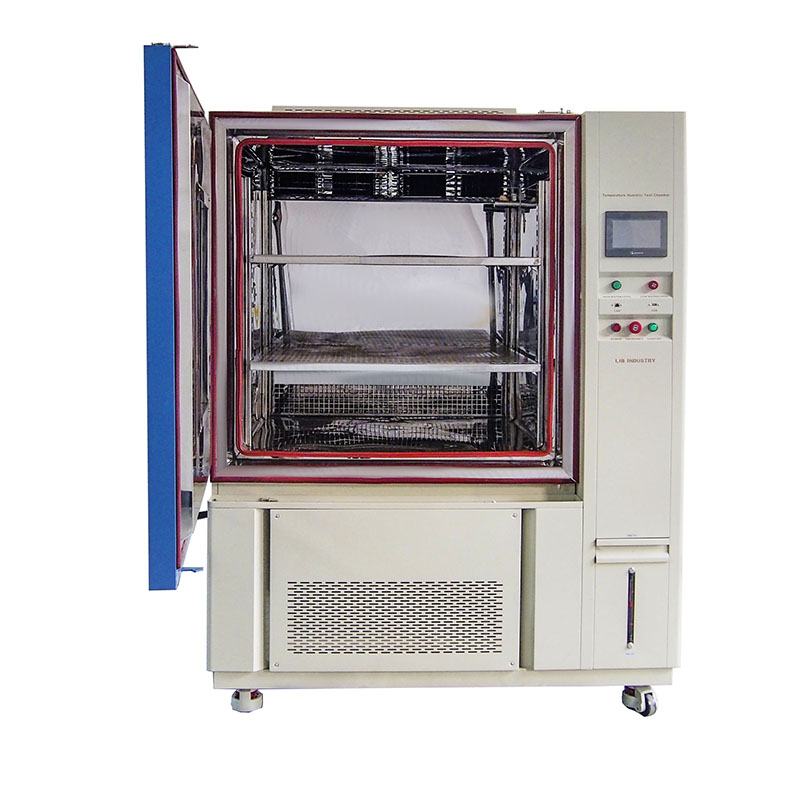 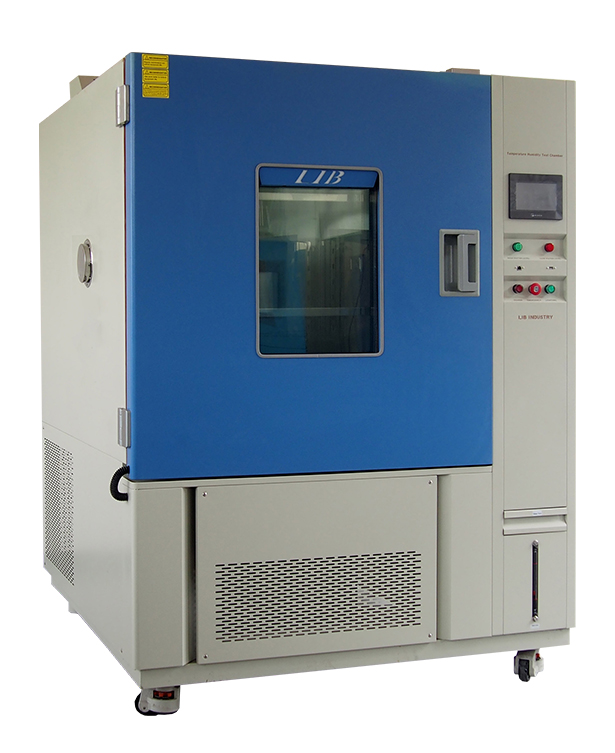 | |||||
Temperature range | -20℃ ~+150 ℃ | ||||
Low type | A: -40℃ B:-70℃ C -86℃ | ||||
Humidity Range | 20%-98%RH | ||||
Temperature deviation | ± 2.0 ℃ | ||||
Heating rate | 3 ℃ / min | ||||
Cooling rate | 1 ℃ / min | ||||
Controller | Programmable color LCD touch screen controller, Multi-language interface, Ethernet , USB | ||||
Refrigerant | R404A, R23 | ||||
Exterior material | Steel Plate with protective coating | ||||
Interior material | SUS304 stainless steel | ||||
Standard configuration | 1 Cable hole (Φ 50) with plug; 2 shelves | ||||
Timing Function | 0.1~999.9 (S,M,H) settable | ||||
|
| 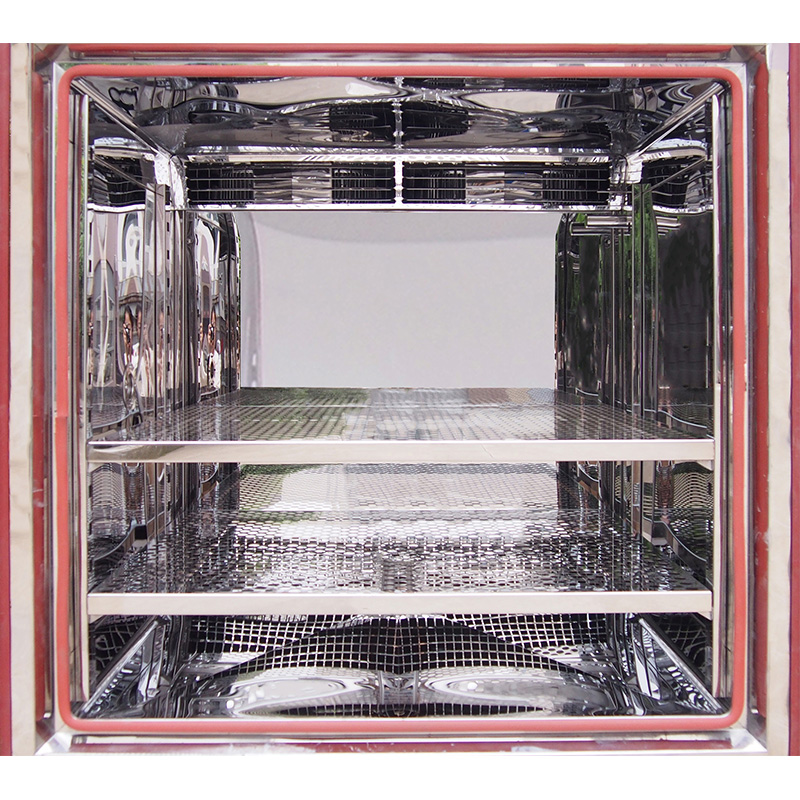 | 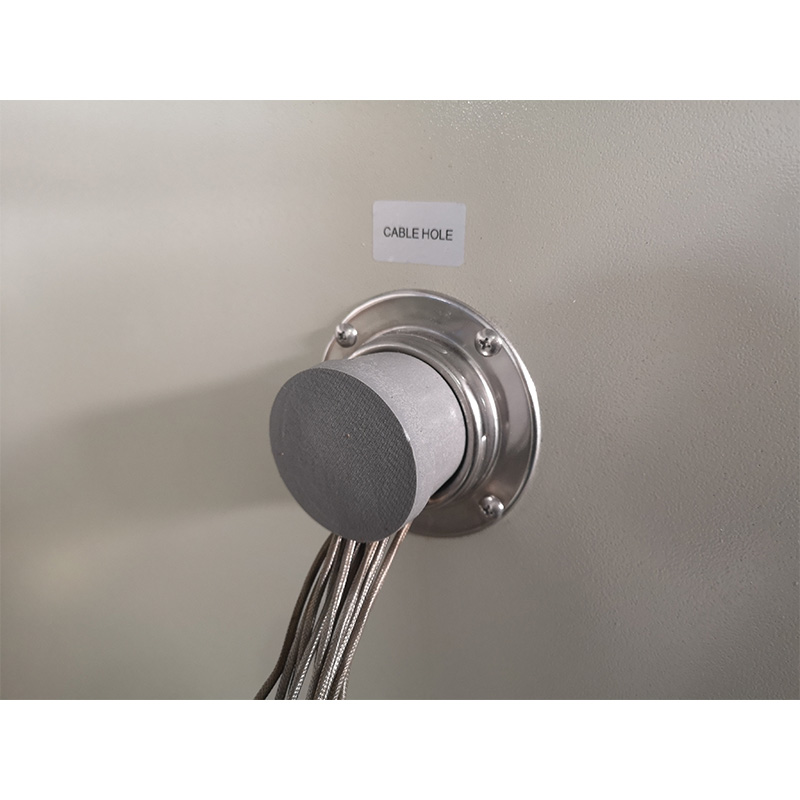 |
Touch screen controller | The compressor | Robust Anti-Corrosion Workroom | Integrated Power Access hole |
You need to meet strict industry standards when you develop new products. Humidity chambers play a key role in compliance testing. Many industries require you to use a temperature humidity chamber to prove your products can handle tough environmental conditions. Some important standards include:
Military standards like MIL-STD and MIL-SPEC for reliability in humid conditions.
Medical device regulations such as ISO 13485 and FDA rules for environmental testing.
Global standards like ASTM, ISO, IEC, and ICH guidelines that require humidity and temperature testing.
By using humidity test chambers, you show that your products meet these standards. This step helps you avoid recalls and ensures your products are ready for the market.
You want to bring high-quality products to market quickly. Humidity chambers make your development process more efficient. You can:
Simulate different humidity and temperature conditions to find and fix weaknesses early.
Improve product performance and reduce the risk of failure.
Test how humidity and temperature affect the physical, chemical, and mechanical properties of your products.
Optimize your designs by running rigorous tests in a controlled chamber.
Use dehumidification and humidity control to measure resilience and forecast performance in various climates.
Humidity chambers help you save time and money during product development. You can trust the results because these chambers follow a clear working principle and provide accurate data for decision-making.
Tip: Use humidity chambers to ensure your products meet quality standards and perform well in all environmental conditions.
You rely on a temperature humidity chamber to create precise, repeatable environments for testing. This tool lets you control humidity and temperature, so you can find weaknesses and improve product quality. The table below highlights why you should use a humidity chamber:
Advantage | Description |
|---|---|
Controlled Environment | Ensures consistent results by removing outside factors. |
Wider Range | Simulates many humidity and temperature levels for thorough testing. |
Accelerated Testing | Speeds up finding problems by using extreme humidity and temperature quickly. |
Data Acquisition | Tracks humidity changes for better analysis and product development. |
You can trust a chamber to help you meet safety standards and deliver reliable products.
You use a temperature humidity chamber to control temperature and humidity. Environmental chambers can simulate more conditions, such as vibration or light. You choose the right chamber based on your testing needs.
You clean the chamber regularly and check sensors for accuracy. You replace filters and inspect seals to prevent leaks. Routine maintenance keeps your chamber reliable and extends its lifespan.
You can test several products at the same time if they fit inside the chamber. Make sure air flows freely around each item. This setup helps you compare results under the same conditions.
You simulate these changes to see how products react to real-world environments. This process helps you find weaknesses, improve designs, and ensure products last longer.
You find these chambers in electronics, automotive, pharmaceuticals, and construction. Many industries rely on them to test product durability and safety before releasing items to the market.
If you are looking for a reliable temperature humidity test chamber for product durability testing, LIB Industry can provide professional environmental testing solutions.
Contact LIB Industry today to learn more about our temperature humidity chambers and find the right testing system for your laboratory.