Views: 0 Author: LIB Team Publish Time: 2026-08-14 Origin: Site


Rubber components can appear perfectly functional when they leave production yet gradually develop surface cracks after prolonged exposure to ozone. For manufacturers of seals, hoses, cable jackets, gaskets, weatherstripping, O-rings, and other elastomer products, this makes ozone resistance an important part of material qualification and durability evaluation.
An Ozone Test Chamber creates a controlled ozone environment in the laboratory so engineers can evaluate how rubber and elastomer materials react to ozone exposure under defined temperature, concentration, and mechanical strain conditions. Instead of relying only on natural exposure, manufacturers can perform a repeatable Ozone Resistance Test and compare materials, formulations, or finished components under controlled conditions.
For companies that need reliable ozone aging evaluation, LIB Industry Ozone Test Chambers are designed for rubber and elastomer testing applications and support recognized test methods including ASTM D1149 and ISO 1431-1.
Ozone exists in the atmosphere at relatively low concentrations, but susceptible rubber materials can still develop cracking when exposed to ozone while under strain. This is particularly relevant for rubber components that remain stretched, compressed, bent, or repeatedly flexed during actual service.
An Ozone Resistance Test helps engineers determine whether a material can maintain acceptable performance when exposed to this combination of atmospheric ozone and mechanical stress.
Typical applications include:
Automotive door and window seals
Rubber hoses and tubing
O-rings and sealing components
Cable and wire insulation
Industrial gaskets
Conveyor belts
Protective rubber covers
Weatherstripping
Elastomer components
ASTM D1149 specifically addresses the evaluation of cracking in rubber exposed to a controlled ozone environment, while ISO 1431-1 describes procedures for evaluating ozone cracking resistance of vulcanized or thermoplastic rubber under static or dynamic tensile strain.
For manufacturers, the objective is not simply to produce visible cracking faster. The real value is creating controlled and repeatable conditions that allow different materials or product designs to be compared using the same test parameters.
An Ozone Test Chamber combines ozone generation, environmental control, airflow circulation, specimen holding, and monitoring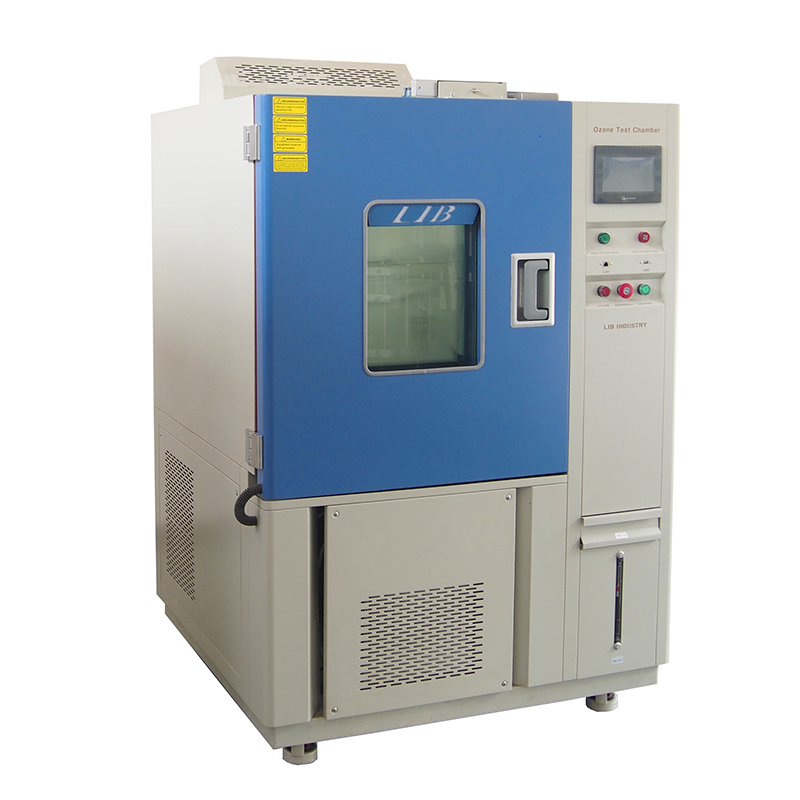 systems within one controlled enclosure.
During an Ozone Resistance Test, specimens are placed on suitable fixtures and exposed to a specified ozone concentration for a defined period. Depending on the applicable test method, samples may remain under static elongation or undergo dynamic mechanical movement.
The test chamber must maintain stable conditions because changes in ozone concentration, temperature, airflow, or specimen strain can affect the resulting cracking behavior.
A typical test process includes:
Preparing specimens according to the selected test standard.
Mounting samples on static or dynamic fixtures.
Setting the required ozone concentration and chamber temperature.
Applying the required elongation or dynamic strain.
Running the exposure for the specified period.
Inspecting specimens for crack initiation and severity.
Recording and comparing test results.
This controlled approach gives laboratories a more consistent basis for evaluating material formulations, supplier samples, prototype components, and production quality.
One important consideration when selecting an Ozone Test Chamber is whether the application requires static testing, dynamic testing, or both.
Static testing holds the specimen at a defined elongation throughout the exposure period. This approach is relevant to components that remain continuously stretched or stressed during use, such as seals, gaskets, and certain rubber profiles. The objective is to observe whether ozone exposure causes cracking on the strained material surface.
Dynamic testing repeatedly stretches or flexes the specimen during ozone exposure.This is useful when a component experiences repeated movement in service, such as flexible rubber components, hoses, belts, and dynamically loaded seals. Because actual products do not all experience ozone under the same mechanical conditions, selecting an Ozone Test Chamber with suitable specimen fixtures is important when establishing an appropriate testing program.
The chamber itself has a direct influence on how consistently an ozone test can be carried out. Stable environmental conditions, suitable fixtures, ozone-resistant construction, monitoring capability, and safe ozone handling should therefore be considered alongside the applicable standard.
LIB Industry designs environmental test chambers for laboratory, quality control, product development, and industrial testing applications. Its ozone chamber range includes models intended for static and dynamic rubber ozone testing. The LIB Industry ASTM D1149 Ozone Exposure Climatic Chamber provides controlled ozone concentration, temperature regulation, programmable operation, static and dynamic specimen mounting, and ozone-resistant internal construction.
Reliable ozone testing depends on maintaining the required ozone concentration throughout the test rather than simply generating ozone inside an enclosure. LIB Industry test chambers incorporate ozone monitoring and regulation so operators can establish controlled exposure conditions according to the selected testing procedure. This is especially important when comparing different rubber compounds. If exposure conditions vary significantly between test runs, separating material differences from test-condition differences becomes much more difficult.
Different products experience different forms of mechanical stress. LIB Industry ozone chamber configurations support both static and dynamic specimen fixtures, allowing laboratories to select a test arrangement based on material type, product application, and applicable standard.This provides greater flexibility for laboratories that test multiple types of rubber products instead of focusing on only one specimen configuration.
Ozone is highly reactive, so the materials used inside an Ozone Test Chamber need to withstand repeated exposure. LIB Industry uses stainless-steel construction within its ozone chamber system and incorporates ozone-resistant components in areas exposed to the test atmosphere. The goal is to support stable operation during repeated testing and reduce the influence of chamber materials on the controlled ozone environment.
Modern laboratory testing also requires operators to monitor test conditions and maintain consistent records. LIB Industry ozone chambers use programmable touchscreen control for parameters such as ozone concentration, temperature, humidity, and exposure duration. Selected configurations also provide Ethernet connectivity and data monitoring functions. This can simplify routine quality-control testing, particularly where the same test procedure must be repeated across multiple material batches.
Ozone testing also requires attention to operator safety. LIB Industry chambers incorporate an ozone breakdown and exhaust system intended to remove residual ozone after testing before specimens are removed from the chamber. Laboratories should still follow their own facility safety procedures, ventilation requirements, applicable regulations, and equipment operating instructions when conducting ozone testing.
A suitable Ozone Test Chamber should be selected around the actual test requirement rather than equipment capacity alone.
Before purchasing equipment, laboratories should define several factors.
First determine which standard or customer specification governs the product. For rubber ozone cracking applications, common references include ASTM D1149 and ISO 1431-1. The equipment configuration, specimen fixture, ozone concentration, temperature, strain condition, and exposure duration should then be matched to that method.
Determine whether the specimens will remain under fixed tensile strain or require repeated movement. A laboratory testing multiple product families may benefit from equipment capable of accommodating both methods.
Testing one small material specimen and testing multiple finished rubber components can require very different chamber dimensions.
Consider not only whether samples physically fit inside the chamber but also whether there is sufficient space for appropriate airflow and fixture arrangement.
The required ozone range should be based on the applicable test method and product specification. Choosing an unnecessarily broad range is less important than ensuring the chamber can control the required test point consistently.
For routine quality control, repeatability and straightforward operation may be more valuable than complex features. For research and development laboratories, programmable testing, data recording, and flexible parameter adjustment may be more important. LIB Industry offers multiple chamber capacities and configurations so the equipment can be matched more closely to different specimen sizes and test requirements.
| LIB Popular Environmental Chamber for Meatal and Paints | |||
 |  |
|  |
| Ozone Test Chamber Precision ozone resistance testing, reliable material degradation analysis | SO2 Noxious Gas Test Chamber Accurate corrosion simulation testing, industry-leading gas concentration control | Salt Spray and Sulfur Dioxide Climatic Chamber Simulate Acid Rain and Industrial Pollution, Advanced SO₂ Corrosion Testing Solution | Mixed Gas Flow SO2 H2S NO2 Cl2 Corrosion Chamber Multi-gas corrosion simulation solutions, advanced atmospheric corrosion testing |
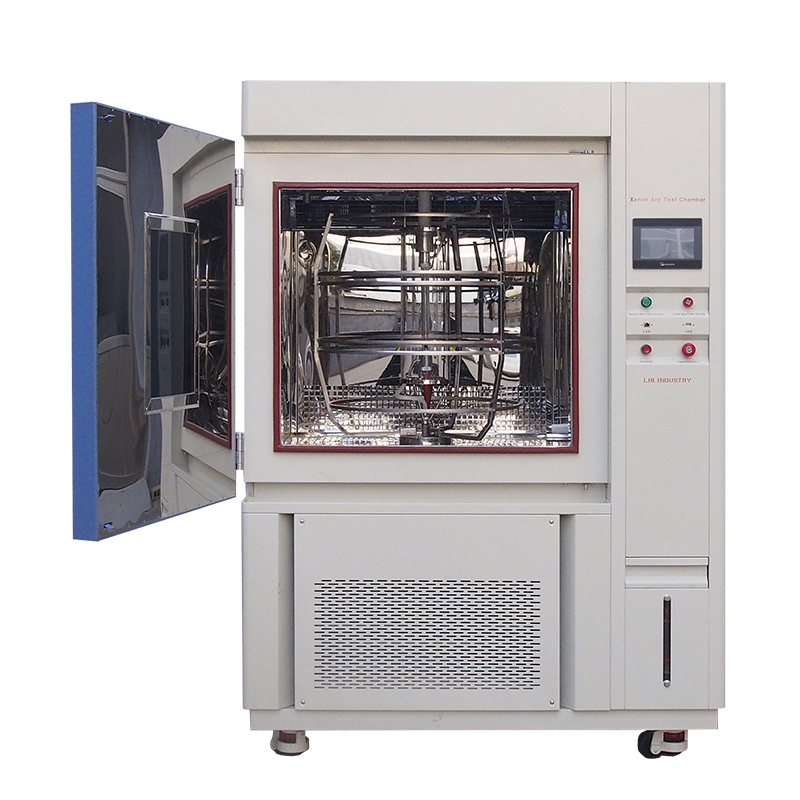 | 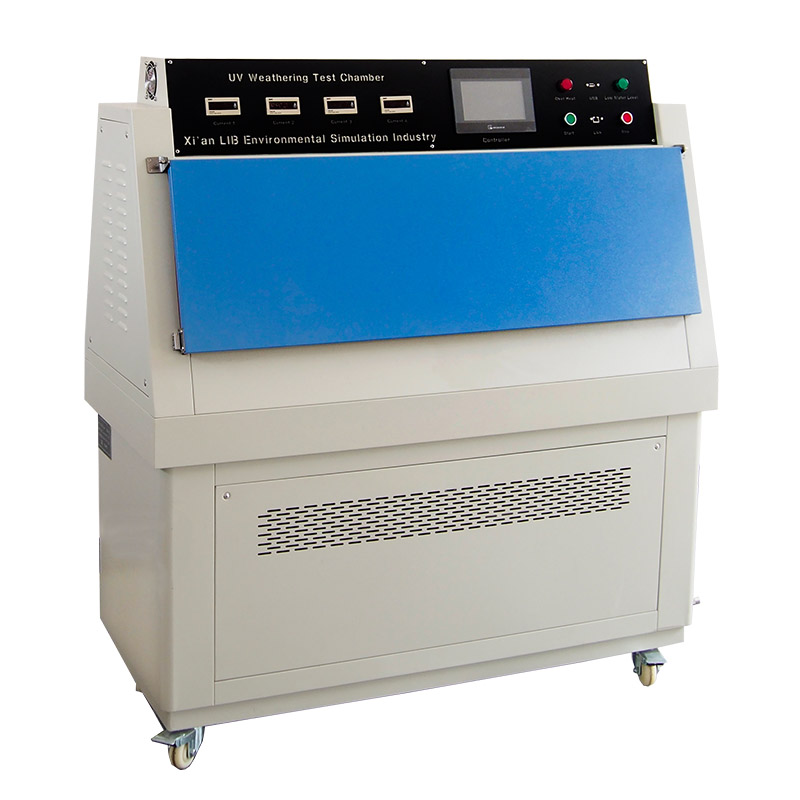 | 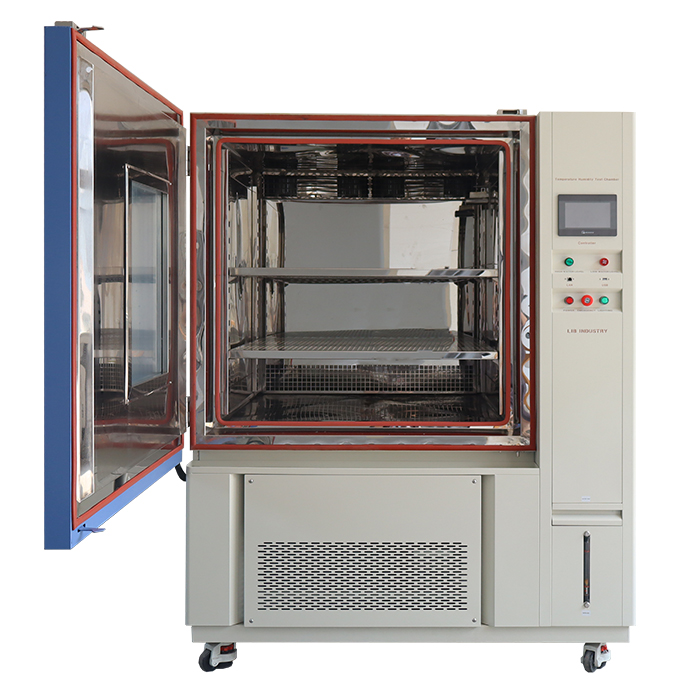 | 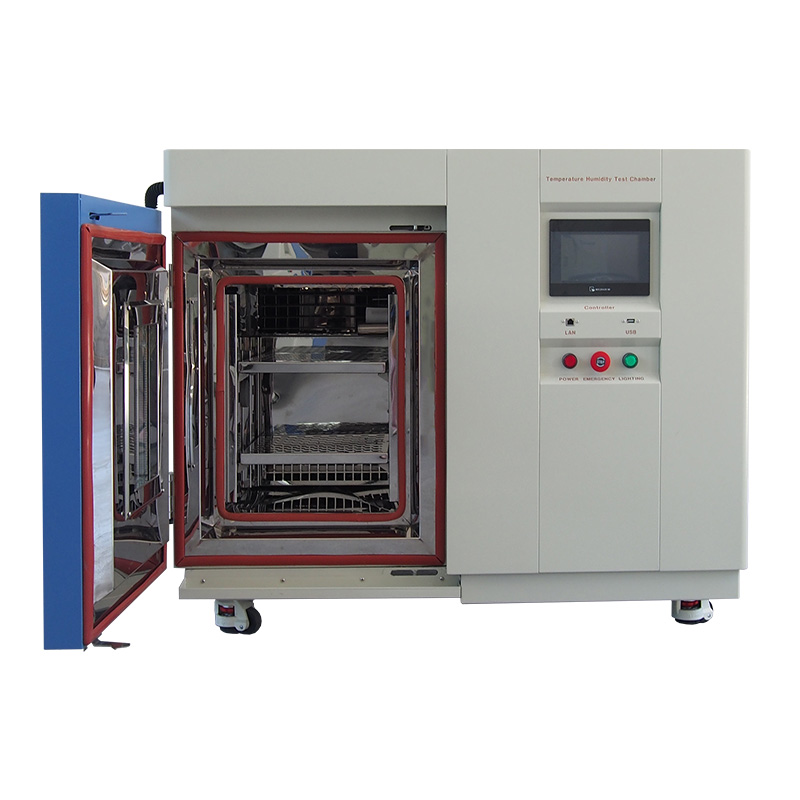 |
ASTM G155 G151 Accelerated Weathering XenonTest Apparatus Full-Spectrum Sunlight Simulation, Accelerated Outdoor Weathering Analysis | UVA 340 Fluorescent Lamp Light Fastness Test Instrument Precise UV Aging Performance Testing, Reliable Material Durability Verification | Temperature Humidity Test Chamber Stable Environmental Conditioning, Accurate Temperature and Humidity Control | Compact Mini Temperature Stability Climatic Test Chamber Space-Saving Laboratory Solution, High-Precision Climate Simulation in a Compact Design |
An Ozone Resistance Test is useful not only for final product inspection. During product development, manufacturers can use ozone exposure testing to compare different elastomer formulations, additives, material suppliers, or production processes. For example, an automotive sealing manufacturer may expose several candidate rubber compounds under identical conditions. Engineers can then compare when cracking appears and how severe the cracking becomes. A cable manufacturer may use an Ozone Test Chamber to evaluate insulation or jacket materials before selecting a formulation for further qualification. A gasket manufacturer may perform periodic ozone testing as part of incoming material verification or ongoing production quality control. In each case, the chamber provides controlled test conditions while the acceptance criteria remain defined by the relevant standard, customer specification, or internal quality requirement.
Some buyers may encounter or search for the phrase ISO 1033 Ozone Test Chamber when researching ozone aging equipment. However, for ozone cracking resistance of vulcanized or thermoplastic rubber, the relevant international standard is ISO 1431-1, which specifies static and dynamic tensile strain procedures for rubber exposed to controlled ozone conditions. Therefore, buyers searching for an ISO 1033 Ozone Test Chamber should verify the actual test standard required by their material or product specification before selecting equipment. LIB Industry's ozone testing equipment is designed around recognized ozone resistance methods including ASTM D1149 and ISO 1431-
Selecting environmental testing equipment involves more than comparing a specification table. The equipment needs to match the required standard, specimen geometry, test method, capacity, installation conditions, and laboratory workflow. LIB Industry specializes in environmental simulation equipment and provides chamber design, manufacturing, sales, technical support, installation, and after-sales services for environmental testing applications.
For an ozone testing project, customers can discuss factors such as:
Applicable ozone resistance standard
Specimen dimensions
Static or dynamic testing method
Required ozone concentration
Chamber capacity
Temperature and humidity conditions
Fixture configuration
Laboratory installation requirements
Data monitoring requirements
This application-based selection process helps avoid purchasing a chamber that meets a general specification but does not fit the actual testing workflow.
An Ozone Test Chamber allows manufacturers and laboratories to evaluate how rubber and elastomer products respond to controlled ozone exposure before long-term environmental degradation becomes visible in actual service.
For an effective Ozone Resistance Test, the test chamber must provide stable ozone conditions, appropriate specimen strain, controlled temperature, consistent airflow, and repeatable operation.
LIB Industry combines these functions with static and dynamic specimen configurations, programmable controls, ozone-resistant chamber construction, and residual ozone handling to support rubber aging tests based on standards such as ASTM D1149 and ISO 1431-1.
If you are selecting an Ozone Test Chamber for rubber, cable, sealing, automotive, or other elastomer testing applications, contact LIB Industry with your required standard, specimen size, test conditions, and testing method to determine a suitable chamber configuration.