


A climatic test chamber is an enclosed space that allows researchers and engineers to simulate various environmental conditions. These chambers are used to test the effects of temperature, humidity, light, vibration, and other environmental factors on a wide range of products, materials, and biological samples.
Definition of the Climatic Test Chamber
A climatic test chamber, known as an environmental test chamber, is an enclosed space where temperature, humidity, and other environmental conditions can be precisely controlled. This allows for rigorous testing under specific, repeatable conditions.
General Function
The general function of a climatic test chamber is to replicate a wide range of environmental conditions such as extreme temperatures, humidity levels, and other weather-related conditions. This enables the assessment of how products and materials will perform and endure over time when exposed to different environmental stresses.
Application of Climatic Test Chamber
Climatic test chambers have a wide range of applications across various industries. Here are some specific examples:
Electronics and Semiconductor Testing
Climatic chambers are used to test their performance under extreme conditions, ensuring they can withstand the heat of a car on a hot day or the cold of a winter storm. This helps to identify potential weaknesses and ensure the reliability of the final product.
Aerospace and Defense
Climatic chambers are used to simulate these conditions and test the durability and performance of aircraft parts, satellites, weapons systems, and other equipment.
Pharmaceuticals and Biotechnology
Climatic chambers are used to test the stability and efficacy of these products under various storage and transportation conditions. This helps to ensure the quality and safety of medications and vaccines.
Automotive Industry Testing
Climatic chambers are used to test the performance of car parts, such as engines, electrical systems, and interiors, under these extreme conditions. This helps to ensure the reliability and durability of vehicles.
In-Depth Function of Climatic Test Chamber
Climatic test chambers provide a controlled environment to simulate specific climatic conditions. They are equipped with advanced control systems to precisely regulate temperature, humidity, and other environmental parameters. This allows for the thorough testing of materials and products to determine their resilience and performance under different environmental stresses.
Types of Climatic Test Chambers
Climatic test chambers come in various types, each specializing in simulating specific environmental stresses. Here's a breakdown of the common types you mentioned:
Temperature Chambers
These chambers focus on precise temperature control, allowing testing across a wide range, from extreme cold for electronics to scorching heat for aerospace components.
Humidity Chambers
These chambers manipulate humidity levels, assessing a product's response to moisture, corrosion, or mold growth. They're crucial for industries like pharmaceuticals and food & beverage.
Thermal Chambers
These chambers rapidly cycle between extreme temperatures, simulating the stress products experience during rapid temperature changes. This helps test the structural integrity of materials.
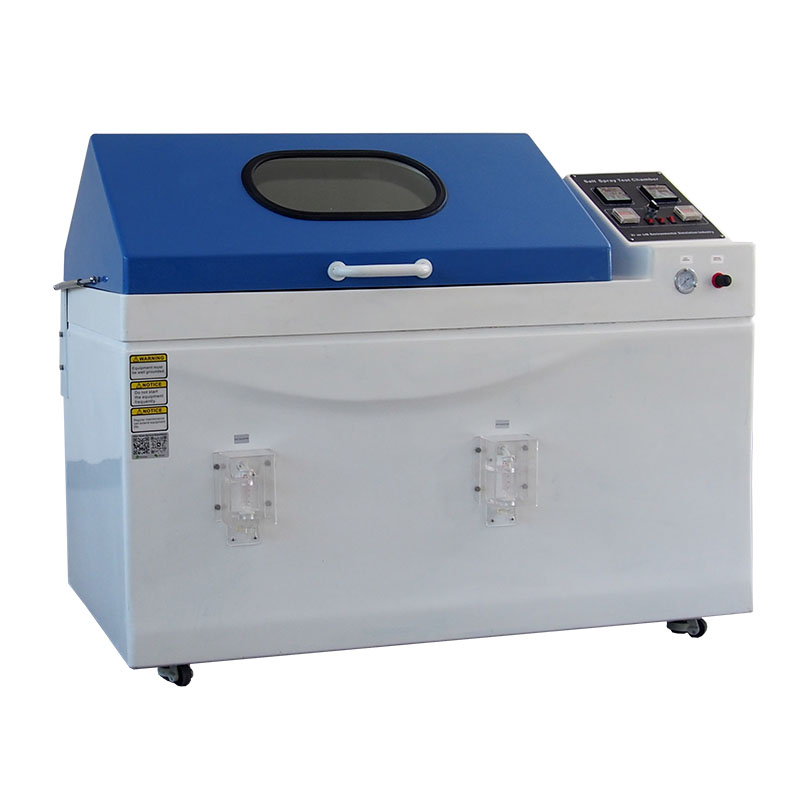
Salt Spray Test Chambers
These chambers introduce a salt spray environment to assess a product's corrosion resistance in saline conditions. They're vital for marine and automotive parts.
 | 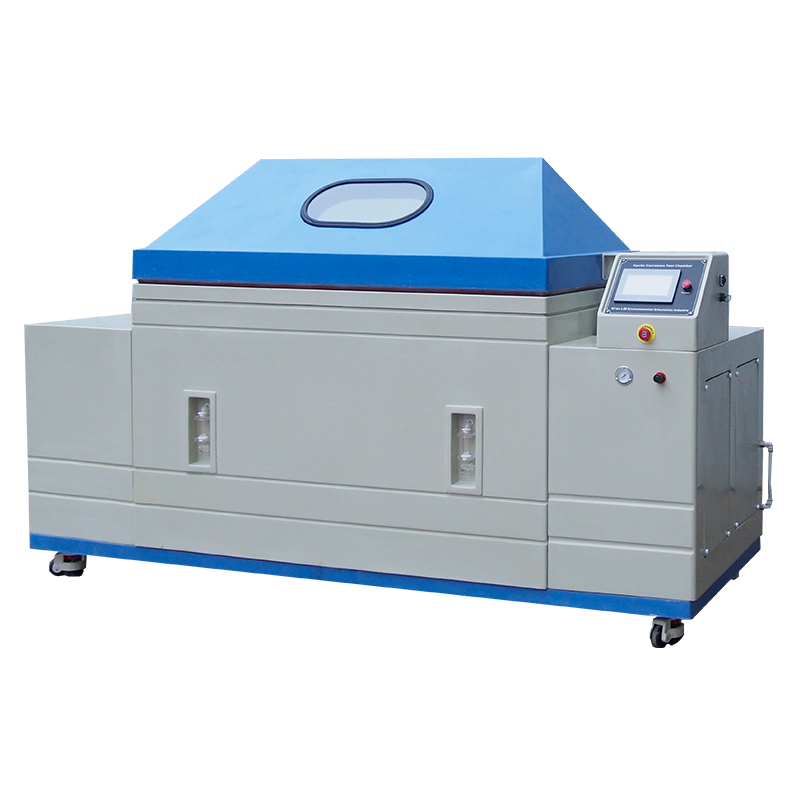 | 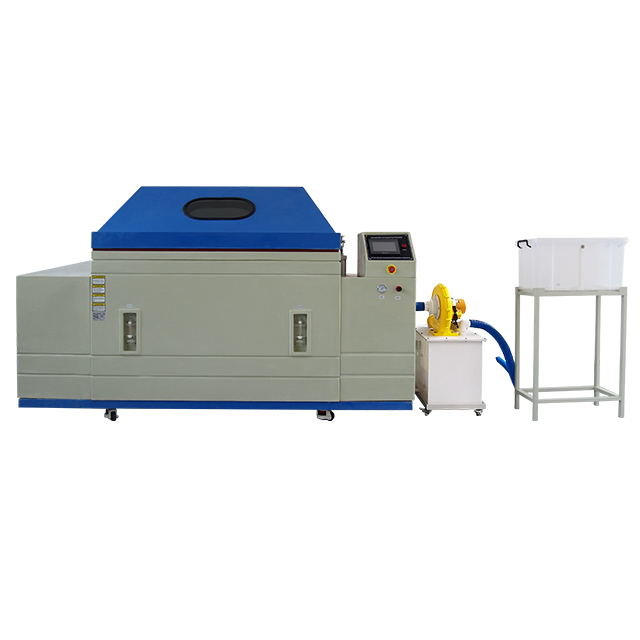 |
| Cyclic Salt Spray Corrosion Chamber (CCT Chamber) | Salt Fog and SO2 Corrosion Chamber |
Dust Test Chambers
These chambers expose products to controlled dust levels, evaluating their performance and resistance to dust accumulation. This is important for electronics and filtration systems.
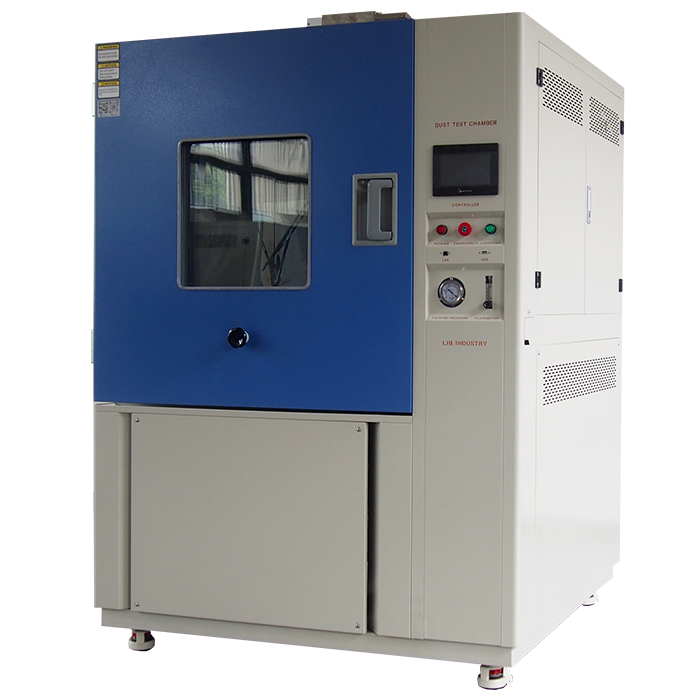 | 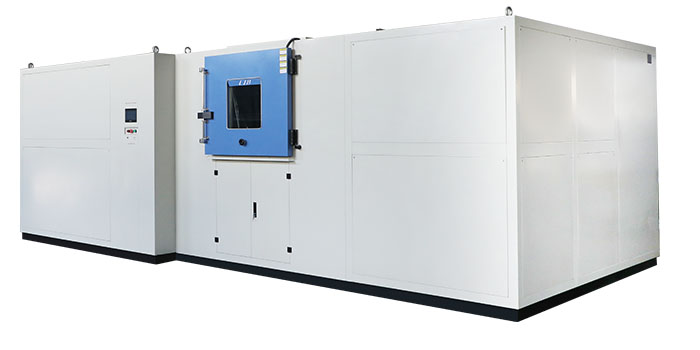 |
| MIL-STD- 810H Blowing Sand and Dust Test Chamber |
Water Spray Test Chambers
These chambers simulate exposure to water spray, rain, or jet streams, assessing a product's waterproofing and durability. They're crucial for outdoor equipment and automotive parts.
Customized and Combined Test Chambers
Manufacturers can create chambers with specific functionalities beyond the basic types. These might combine temperature and humidity control, or add vibration or light simulation, depending on the testing needs.
How a Climatic Test Chamber Works
Climatic test chambers are like tiny weather machines, capable of conjuring up a range of environmental conditions. Here's a breakdown of their inner workings:
Design
The inner chamber of a climatic test chamber is like a mini weather machine. It's made of tough, insulated materials to handle extreme temperatures and keep the test area consistent. Heating and cooling systems adjust the temperature, while humidity control systems add or remove moisture from the air. Fans keep everything evenly distributed throughout the chamber. Some chambers have extra features like lights, vibration plates, and even spray systems to simulate different weather conditions.
Control Systems
The climatic test chamber's control system acts like a mission control center. The programmable controller acts as the brain, allowing users to set the desired test parameters. This could include temperature, humidity, light, or even vibration. Continuously monitoring the situation are the sensors, which track these parameters within the chamber and provide real-time data back to the controller. This constant feedback loop ensures the test stays on track and the desired conditions are maintained.
Safety Features
Safety is a top priority with climatic test chambers. Several features are in place to prevent mishaps during testing. Over-temperature and under-temperature cut-offs act as fail-safes, automatically stopping the chamber if temperatures reach unsafe levels. Similarly, high and low humidity alarms alert operators to unexpected moisture fluctuations. Finally, door safety switches prevent the chamber from operating altogether when the door is open, protecting both the chamber itself and anyone working nearby.
Maintenance
Maintaining a climatic test chamber in good operating condition is critical for achieving stable and dependable test results. The chamber interior and outer surfaces should be cleaned routinely using a non-corrosive mild detergent, while the door seal should also be inspected and cleaned to maintain proper airtight performance. Air circulation filters and humidity-related filtration components require regular cleaning or scheduled replacement to ensure efficient airflow and accurate environmental control. In addition, temperature and humidity sensors should undergo periodic calibration by qualified personnel to maintain measurement precision and system reliability.
Routine inspections are equally important to identify issues such as air leaks, loose connections, worn components, or structural damage before they affect chamber performance. Preventive maintenance conducted by experienced technicians can further reduce unexpected downtime and extend equipment lifespan. It is also recommended to maintain complete maintenance records, including cleaning schedules, calibration reports, filter replacements, and repair history, to support traceability, quality management, and regulatory compliance. Following a structured maintenance program helps maximize chamber efficiency, operational stability, and long-term durability.
Climatic test chambers are widely used to reproduce environmental conditions such as temperature variation, humidity exposure, light radiation, and other stress factors in a controlled laboratory environment. These systems enable engineers and researchers to evaluate product reliability, material durability, and operational safety under accelerated environmental conditions. They are essential in industries ranging from electronics and automotive manufacturing to pharmaceuticals and material science, where product performance under changing climates must be verified. With consistent maintenance and proper operational management, climatic chambers can continue providing precise and repeatable testing performance over many years of service.


