Views: 0 Author: Site Editor Publish Time: 2026-08-06 Origin: Site


Accelerated corrosion testing presents a unique engineering paradox. The equipment designed to evaluate material failure is continuously subjected to the exact same destructive forces. When sulfur dioxide mixes with high humidity, it forms aggressive sulfurous and sulfuric acids. If a test chamber relies on inadequate materials, this environment rapidly degrades its structural integrity. You risk hazardous gas leaks, compromised test data, and premature equipment failure.
Specifying a reliable chamber requires looking past top-line features. You must scrutinize the underlying metallurgy, polymer selection, protective coatings, and sealing architecture. A robust Noxious Gas Corrosion Chamber demands specialized construction to survive its own operational environment. We will evaluate the material resistance requirements necessary for procuring sulfur dioxide testing equipment.
Alloy Selection is Non-Negotiable: Standard stainless steels (like 304) will fail under prolonged SO2 exposure; high-chromium, high-nickel, and high-molybdenum alloys (such as SUS316/316L) or specialized fiberglass-reinforced plastics (FRP) are mandatory for structural longevity.
Protective Coatings and Linings Provide Essential Redundancy: Applying specialized fluoropolymer coatings or acid-resistant linings over robust substrates acts as a critical secondary barrier against aggressive acid-gas mixtures.
Sub-System Vulnerability: A chamber's primary failure points are rarely the walls; degradation typically occurs at polymer seals, dosing valves, gas sensors, and exhaust scrubbing systems.
Standard-Driven Specifications: Compliance with Kesternich testing standards (ASTM G87, DIN EN ISO 6988) requires specific material thermal properties to maintain precise condensation cycles without chamber warping.
Safety and Operational Costs: Investing in corrosion-resistant chamber materials and integrated gas detection systems directly mitigates the severe occupational hazards of SO2 leaks and drastically reduces operational costs by minimizing maintenance downtime.
Sulfur dioxide gas alone remains relatively stable. Test cycles, however, require high humidity to simulate real-world atmospheric conditions. When SO2 gas mixes with water vapor, it triggers a chemical reaction forming highly aggressive acidic compounds. These include sulfurous and sulfuric acids. Condensation cycles force these acids to settle on every internal surface of the chamber.
These acids aggressively attack weak passive layers on standard metals. The continuous condensation and evaporation cycles concentrate the acidic residue. This leads to severe pitting and crevice corrosion. Eventually, the acid breaches the structural integrity of the chamber walls. Weak materials simply cannot withstand this relentless chemical assault over thousands of test hours.
To understand the severity, consider the specific reactions occurring inside the workspace:
Water vapor absorbs sulfur dioxide gas during the high-humidity phase.
Sulfurous acid forms immediately upon absorption.
Oxidation converts a portion of the sulfurous acid into highly corrosive sulfuric acid (H2SO4).
Condensation deposits these concentrated acids directly onto the chamber walls and test specimens.
Evaporation during dry cycles leaves behind concentrated acidic salts, accelerating localized pitting.
Chamber material degradation directly threatens test validity. As internal walls and components corrode, they introduce foreign contaminants into the test environment. Rust particles, flaking polymers, and metallic salts circulate within the workspace. These contaminants settle on the test specimens.
This cross-contamination severely skews results during highly sensitive electronic contact gas testing. Engineers rely on these tests for microscopic corrosion evaluation on precious metal platings. If the chamber itself sheds debris, distinguishing between sample failure and chamber contamination becomes impossible. Reliable data requires an inert testing environment.
Common contamination sources from degrading chambers include:
Iron oxide flaking from low-grade stainless steel seams.
Degraded silicone seal particles circulating in the air stream.
Leached plasticizers from incompatible internal wiring insulation.
Calcium deposits from improper water filtration reacting with sulfur compounds.
Corrosion testing involves intentional, controlled degradation of test parts. You place samples inside to observe how they fail under stress. However, you must prevent the catastrophic, uncontrolled degradation of the chamber's internal infrastructure. The chamber must outlast the components it tests by thousands of hours.
If the infrastructure degrades alongside the samples, the test parameters drift. Leaking seals alter gas concentrations. Corroded sensors provide false temperature readings. The chamber must remain a static, indestructible vessel while the samples inside undergo accelerated decay. Maintaining this separation requires strict material specification during the procurement phase.
Metallurgical composition dictates chamber lifespan. Standard 304 stainless steel contains chromium and nickel, but it lacks the necessary resistance to acidic sulfur compounds. It will pit and rust quickly in a sulfur dioxide environment. High-grade alloys like SUS316 and 316L are mandatory for any serious testing application.
These premium alloys feature higher chromium and nickel content, paired with the critical addition of molybdenum. Molybdenum specifically fortifies the steel against chloride and sulfur-induced pitting. Furthermore, manufacturers must utilize proper welding techniques. Post-weld passivation and low-carbon alloy selection (like 316L) prevent localized intergranular corrosion at the chamber seams.
| Material Grade | Molybdenum Content | SO2 Acid Resistance | Best Application |
|---|---|---|---|
| 304 Stainless Steel | None | Poor (Rapid Pitting) | Standard humidity chambers, non-corrosive testing |
| 316L Stainless Steel | 2.0% - 3.0% | Excellent | Primary inner walls of a noxious gas chamber |
| Titanium Alloys | N/A | Superior | Internal sensor housings, specialized racking |
| FRP (Fiberglass Reinforced Plastic) | N/A (Polymer) | Absolute (Immune to rust) | Specialized highly acidic test enclosures |
High-density, acid-resistant polymers and Fiberglass Reinforced Plastics (FRP) offer compelling alternatives for chamber construction. FRP provides absolute immunity to metallic rust. It cannot corrode in the traditional sense, making it highly effective against sulfuric acid condensation.
However, FRP presents specific engineering trade-offs. A sulfur dioxide corrosion tester must undergo rigorous thermal cycling during Kesternich testing. The FRP must be engineered to withstand these rapid temperature shifts without delaminating, cracking, or off-gassing. Poorly manufactured FRP will warp under heat, compromising the chamber's hermetic seal.
Metallic chamber walls often require specialized protective layers for secondary defense. Manufacturers apply PTFE, PVDF, and electro-applied fluoropolymer coatings directly over the steel substrate. These linings create an inert barrier between the acidic condensation and the structural metal.
The application process dictates the coating's success. Low-quality coatings suffer from pinholing, blistering, and peeling when subjected to combined heat, SO2, and high humidity. Once a pinhole exposes the underlying steel, acid penetrates the barrier. The metal corrodes beneath the coating, causing large sections of the lining to flake off into the workspace.
Observation windows allow operators to monitor test progress without opening the door. These windows require tempered, multi-layer borosilicate glass. Borosilicate glass resists acidic etching and withstands the thermal shock of condensation cycles.
Standard polycarbonates or acrylics fail rapidly in these environments. Continuous SO2 exposure and UV/heat testing cycles cause these plastics to cloud, craze, or embrittle. An embrittled acrylic window poses a severe safety risk, as it can shatter under slight pressure, releasing toxic gas into the laboratory.
Door seals and port gaskets represent the highest-risk components for SO2 leakage. The chamber door requires a perfect hermetic seal to contain the toxic gas. Standard elastomers like EPDM, neoprene, or silicone are entirely inadequate. They swell, harden, or degrade when exposed to acidic environments.
You must specify fluoroelastomers, such as Viton (FKM), or PTFE-encapsulated seals. These advanced polymers resist chemical breakdown from sulfurous acids. They maintain their elasticity through extreme temperature shifts, ensuring the chamber remains sealed during positive pressure dosing.
| Elastomer Type | Acid Resistance | Thermal Stability | Suitability for SO2 Chambers |
|---|---|---|---|
| Silicone | Poor | Excellent | Not Recommended |
| EPDM | Moderate | Good | Not Recommended |
| Viton (FKM) | Excellent | Excellent | Highly Recommended |
| PTFE-Encapsulated | Superior | Excellent | Highly Recommended |
The materials handling the gas before and after the test are just as critical as the chamber walls. Gas delivery, dosing, and exhaust piping must resist concentrated SO2. Specify PTFE (Teflon) tubing for all gas lines. Use Hastelloy dosing valves to prevent internal valve corrosion from restricting gas flow.
Exhaust architecture requires corrosion-proof blowers and active scrubbing systems. These scrubbers use alkaline neutralizing solutions to safely process SO2 before environmental discharge. If the exhaust piping degrades, toxic gas can vent directly into the facility infrastructure.
Test specimens sit on internal racks and supports. These holding materials must consist of inert plastics, coated titanium, or highly alloyed steel. If you place a test sample on a reactive metal rack, you risk galvanic corrosion.
Galvanic corrosion between the test sample and the holding rack invalidates test results. The electrical interaction alters the natural corrosion rate of the specimen. Proper galvanic isolation ensures the sample degrades solely due to the atmospheric conditions, not due to contact with the chamber infrastructure.
Internal sensors monitor temperature, humidity, and SO2 concentration. These probes sit directly in the most aggressive zone of the chamber. Standard stainless steel sensor casings will pit, leading to moisture ingress and electrical shorting.
Sensors must be housed in acid-resistant, non-corrosive casings like titanium or PEEK (Polyether ether ketone). Protecting the sensor electronics prevents measurement drift and premature failure. Accurate data relies entirely on the survivability of these internal monitoring probes.
International standards dictate precise chamber performance. Tests like ASTM G87 and DIN 50018 simulate harsh industrial atmospheres and acid rain. They require exact temperature uniformity, rapid humidity saturation, and precise SO2 gas dosing. The chamber must transition swiftly between dry, humid, and gas-filled states.
The thermal mass and conductivity of the chosen chamber materials impact these transitions. Heavy, poorly insulated materials struggle to meet strict condensation requirements. The internal walls must facilitate rapid, uniform condensation to ensure every test sample receives the exact same acid exposure specified by the standard.
Material selection serves as your primary safety protocol. SO2 is highly toxic. Structural integrity and seal preservation prevent dangerous workplace exposure. A compromised chamber puts your entire laboratory staff at risk.
Modern chambers integrate emergency safety purge systems. These systems utilize nitrogen or compressed air to rapidly flush the chamber if a leak is detected. Material rigidity and seal compression ratios are engineered to maintain a hermetic environment even under positive pressure dosing. The materials must withstand the sudden thermal stress of a high-pressure safety purge.
Install dedicated SO2 ambient monitors around the chamber perimeter.
Verify the exhaust scrubber utilizes a compatible alkaline neutralizing agent.
Inspect fluoroelastomer door seals monthly for signs of compression set.
Ensure the safety purge system connects to an independent backup power supply.
| LIB Popular Noxious Gas Corrosion and Environmental Chamber | |||
 |  |  | 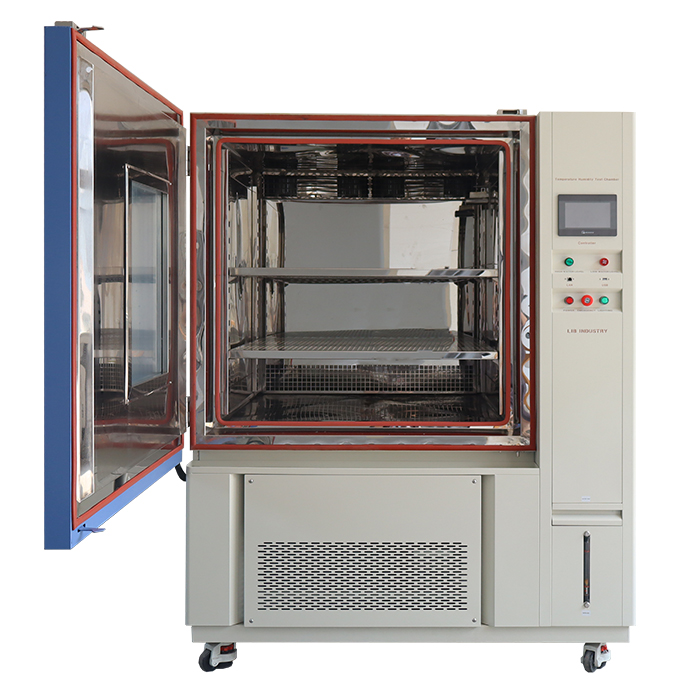 |
Advanced Gas Corrosion Testing, Reliable Material Durability Evaluation. | Precise Ozone Aging Simulation, Accelerated Rubber Aging Testing. | Mixed Gas Flow SO₂ H₂S NO₂ Cl₂ Corrosion Chamber Multi-Gas Corrosion Simulation, Accurate Environmental Stress Testing. | Temperature Humidity Test Chamber Stable Environmental Conditioning, Accurate Temperature and Humidity Control |
 |  |
|  |
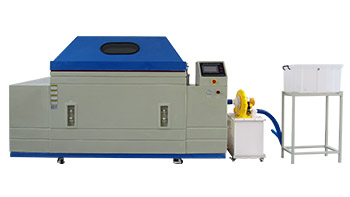
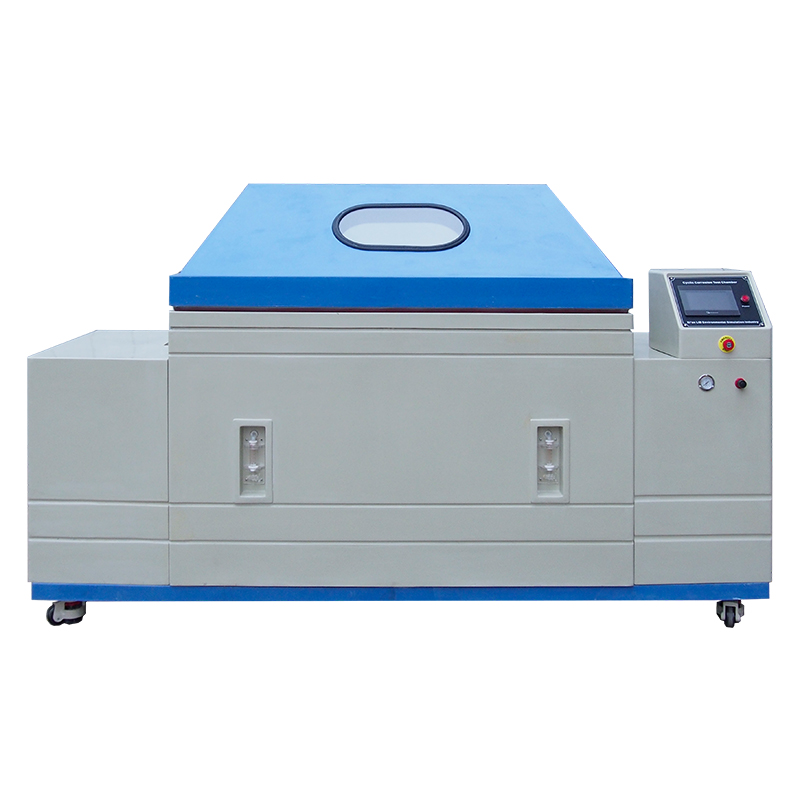
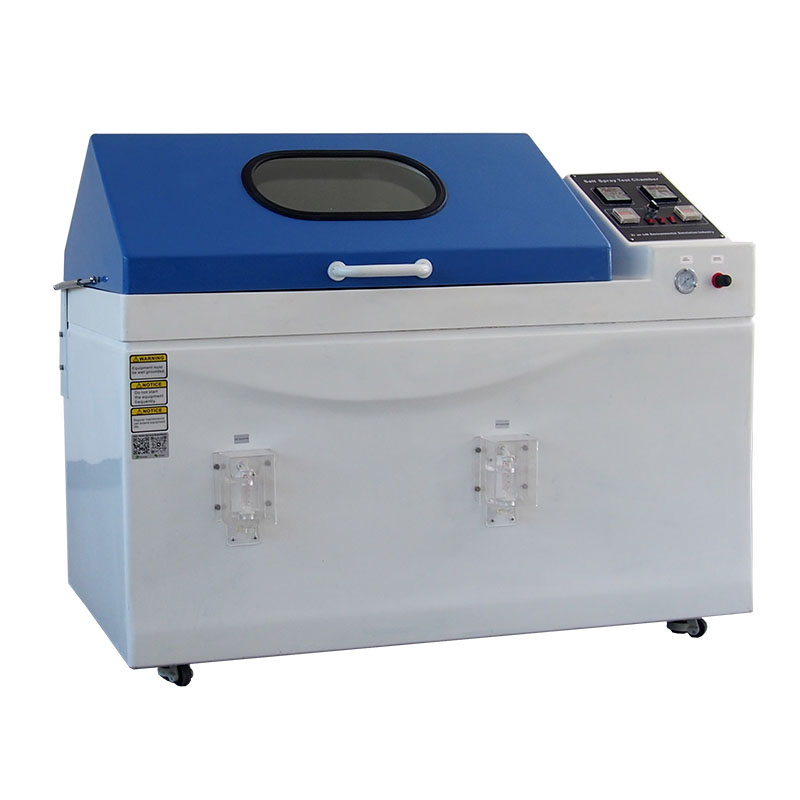
Cyclic Salt Spray Corrosion Chamber Realistic Wet-Dry Corrosion Simulation, Accelerated Corrosion Testing for Long-Term Durability | ASTM B117 Fog Corrosion Salt Spray Test Cabinet Reliable Salt Fog Exposure Testing, Accurate Corrosion Resistance Evaluation | Salt Spray and Sulfur Dioxide Climatic Chamber Simulate Acid Rain and Industrial Pollution, Advanced SO₂ Corrosion Testing Solution | Walk-in Salt Spray Corrosion Chamber Large-Capacity Corrosion Testing Space, Ideal for Oversized Components and Assemblies |
Chambers built with SUS316L, Hastelloy components, Viton seals, and advanced scrubbing systems carry a higher initial procurement cost. Budget chambers often utilize standard 304 steel and cheaper silicone seals to reduce the purchase price. This creates a false economy.
The lifespan of a premium noxious gas corrosion chamber far exceeds that of a budget model. Inferior materials lead to frequent repair, sensor recalibration, and complete component replacement. The operational downtime and compromised test data quickly consume any initial savings realized during procurement.
Maintaining chamber materials requires strict operational protocols. Operators must perform post-test purging and neutralizing alkaline washes to remove residual acids. These procedures protect the chamber surfaces between testing cycles.
Premium, low-porosity materials significantly reduce the labor burden of cleaning. Smooth, electropolished 316L stainless steel or PTFE linings prevent acid salts from embedding in the walls. This lowers the risk of accidental damage during routine maintenance and ensures the chamber is ready for the next test cycle faster.
Request a comprehensive Bill of Materials (BOM) from the manufacturer before finalizing any purchase order.
Verify that all internal structural components utilize SUS316L stainless steel, titanium, or engineered FRP.
Confirm the inclusion of fluoroelastomer (Viton) or PTFE-encapsulated seals on all doors and access ports.
Audit your facility's exhaust infrastructure to ensure compatibility with active alkaline scrubbing systems.
A: SUS316 or 316L stainless steel is the optimal choice. It contains high levels of chromium, nickel, and molybdenum. This specific composition prevents pitting and crevice corrosion in highly acidic environments, vastly outperforming standard 304 stainless steel.
A: Standard rubbers like natural rubber, neoprene, or basic silicone will harden, swell, or crack when exposed to sulfurous and sulfuric acids. This degradation leads to toxic gas leaks. Fluoroelastomers like Viton or PTFE-encapsulated seals are strictly required.
A: A Kesternich test chamber is specialized environmental testing equipment designed to simulate acid rain and industrial pollution. It uses precise doses of SO2, heat, and high humidity to accelerate corrosion, adhering to strict international standards like ASTM G87 and ISO 6988.
A: No. Standard salt spray chambers lack the specific gas dosing controls, acid-resistant materials, active exhaust safety scrubbing mechanisms, and hermetic fluoroelastomer seals required to safely and accurately conduct noxious gas testing.
A: Dry SO2 gas is relatively non-corrosive to many metals. However, introducing high humidity causes the gas to react with water vapor, creating highly aggressive sulfurous and sulfuric acids. These acids exponentially accelerate the corrosion rate of weak chamber materials.
Ensure accurate and reliable corrosion testing results with LIB Industry's advanced environmental test chambers. Our Noxious Gas Corrosion Chamber, Ozone Test Chamber, and Mixed Gas Flow Corrosion Chamber provide precise simulation of harsh chemical environments for evaluating material durability and product reliability. Contact LIB Industry today for customized corrosion testing solutions designed to meet your industry requirements.