Views: 0 Author: Site Editor Publish Time: 2026-08-07 Origin: Site


Material degradation in outdoor environments is rarely driven by UV exposure alone. The synergistic effect of moisture and light acts as the primary catalyst for structural and aesthetic failure in polymers, coatings, and textiles. When testing these materials, misconfiguring water spray cycles or utilizing inadequate hardware leads to skewed degradation data. You either over-accelerate failure through unnatural thermal shock or under-test actual moisture absorption. Both scenarios ultimately cause costly field failures or lead to unnecessary over-engineering.
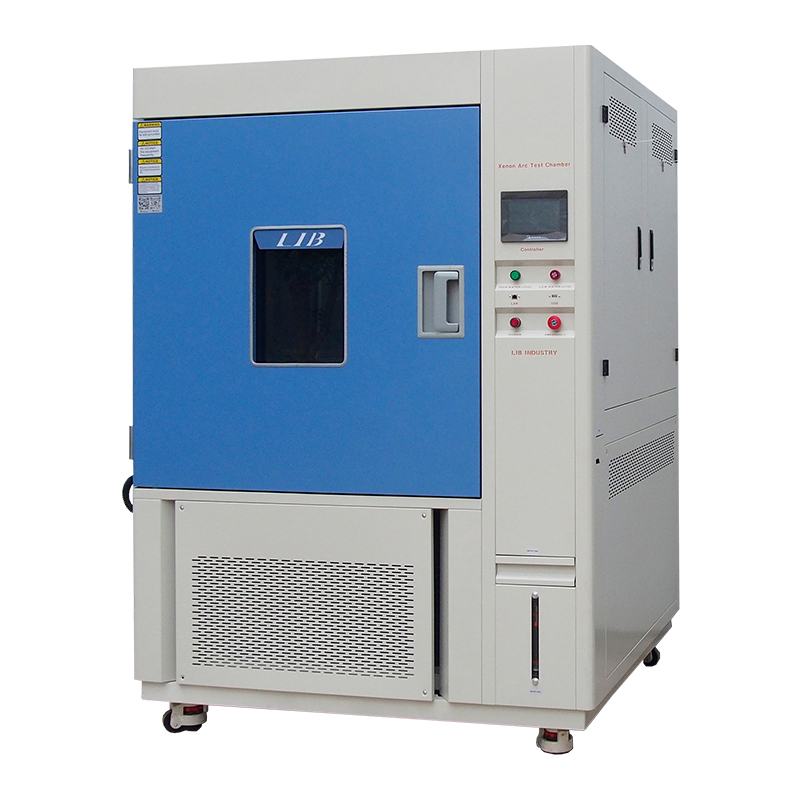
To generate reliable and reproducible data, testing facilities must critically evaluate how LIB Industry's Xenon Weathering Chamber handles water spray mechanics, cycle programmability, and water purity. This guide breaks down the technical realities of spray cycles. We will explore how to evaluate equipment for accurate moisture simulation, ensuring your testing protocols align with real-world environmental stressors.
Moisture-UV Synergy: Water spray cycles do not just wet the specimen; they induce mechanical stress (swelling/shrinking) and chemical erosion that UV light alone cannot replicate.
The Saturation Gap: Standard chamber spray cycles often fail to replicate the deep moisture saturation of real-world outdoor exposure, making cycle selection and duration critical.
Light vs. Dark Cycle Spraying: Spraying during dark cycles better simulates natural dew and allows for deeper moisture absorption, whereas spraying during light cycles primarily induces thermal shock.
Water Purity is Non-Negotiable: Utilizing sub-standard water introduces mineral deposits that mask UV exposure, invalidating test results and damaging chamber optics.
Standard Compliance: Selecting the right ASTM weathering test equipment requires matching the chamber's spray capabilities to specific industry standards (e.g., ASTM G155 or the more complex ASTM D7869).
Accurate moisture simulation remains a fundamental requirement for predicting material lifespan. Without proper wet and dry transitions, laboratory weathering fails to replicate the physical degradation materials experience outdoors. Field data consistently shows that moisture accounts for a massive portion of polymer degradation, yet many lab setups focus too heavily on irradiance.
Photo-oxidation from the xenon arc breaks molecular bonds on the material surface. Water then washes away this degraded polymer layer. This erosion exposes fresh, underlying material to further UV attack. The continuous loop of radiation and moisture accelerates overall degradation far beyond what dry UV exposure achieves. For example, when testing epoxy coatings, dry UV might only cause slight yellowing. Add water spray, and you will see rapid chalking and severe gloss loss.
Moisture also introduces severe mechanical stress. Materials absorb water and expand. As they dry, they contract. These rapid wet and dry transitions cause cracking, crazing, and peeling. Simulating this expansion and contraction is vital for testing exterior coatings and structural plastics. If you only expose a sample to light, you miss the dimensional changes that cause paint to flake off a metal substrate.
Consider the physical mechanics of water absorption in composite materials. The water molecules penetrate the polymer matrix, acting as a plasticizer. This lowers the glass transition temperature of the material. When the light cycle resumes and temperatures spike, the weakened matrix is far more susceptible to thermal degradation and photo-chemical breakdown. This synergistic destruction is impossible to replicate without precise water spray integration.
Continuous moisture exposure rarely happens in nature. Materials experience cyclical wet and dry phases. Dew often accounts for more outdoor wet-time than rain. Standard spray systems sometimes struggle to replicate the subtle, prolonged moisture of natural dew. Rain washes the surface, but dew sits on the surface for hours, slowly permeating the top layers of the coating.
This creates a saturation gap. Short water spray cycles cannot attain the deep water absorption observed after extended outdoor wetness. Direct overnight water soaks or prolonged high-humidity dark cycles are necessary to bridge this gap. If the material does not absorb enough water during the test, the resulting data will overestimate the product's durability.
To combat this, modern testing protocols emphasize extended dark phases with high relative humidity and intermittent spray. This allows the specimen to reach a state of equilibrium moisture content similar to what it would experience during a humid summer night. Failing to achieve this saturation means your accelerated test is only scratching the surface of the material's true vulnerability.
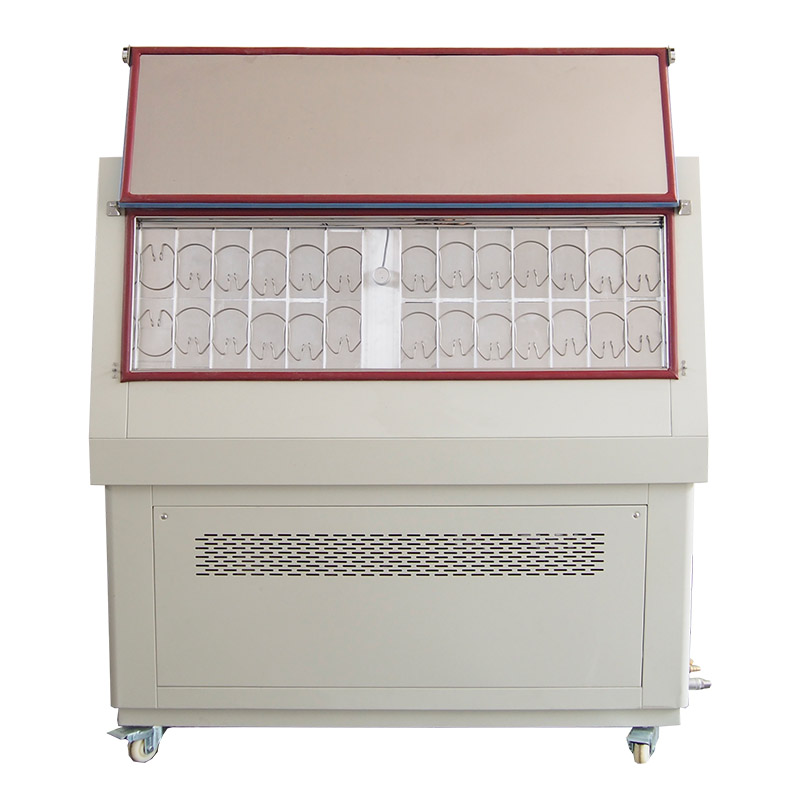
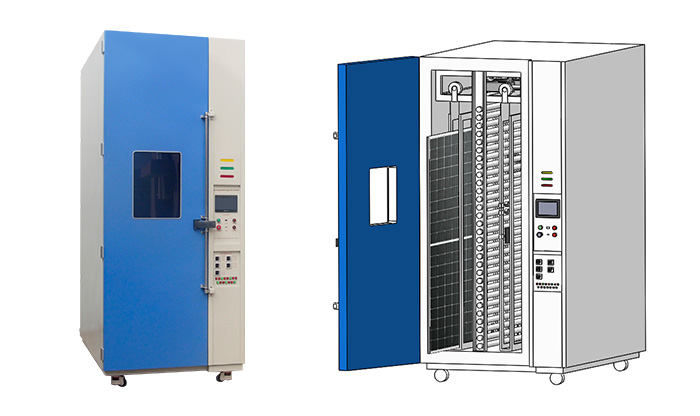
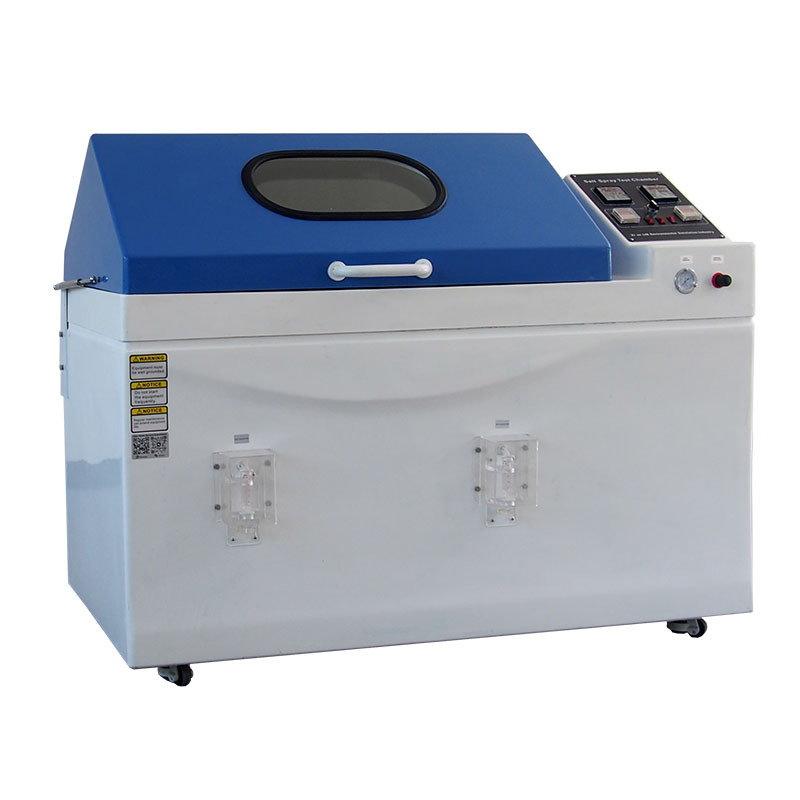
| LIB Popular Weathering Test Chamberfor Aging tests | ||
Full-Spectrum Sunlight Simulation, |
Fast UV Degradation Testing, |
UV Preconditioning Chamber For PV Solar Panel IEC-Compliant PV Preconditioning, |
ASTM B117 Fog Corrosion Salt Spray Test Cabinet ASTM B117 Compliance Testing, Trusted Corrosion Resistance Evaluation |
Cyclic Salt Spray Corrosion Chamber (CCT Chamber) Real-World Corrosion Cycling, |
Salt Fog and SO2 Corrosion Chamber Multi-Environment Corrosion Simulation, Accelerated Industrial Durability Testing |
Different testing platforms utilize varying mechanical approaches to deliver moisture. Understanding these delivery mechanisms helps you choose the right configuration for your specific material. The hardware dictates the realism of the simulation.
Chambers typically utilize either front or back spray systems, and sometimes both. Front spray simulates direct rain on the exposed surface. It effectively washes away degradation byproducts and induces surface-level thermal shock. This is the most common configuration and is required by baseline standards like ASTM G155.
Back spray serves a different purpose. Many automotive and textile standards require back spray to simulate condensation. By cooling the back of the specimen while the front remains warm, the chamber forces condensation to form on the exposed face. This method accurately mimics natural dew formation. It is particularly effective for testing thin films and single-layer coatings where thermal transfer is rapid.
Some advanced setups use simultaneous front and back spray to rapidly drop the specimen temperature, inducing maximum thermal shock. This is useful for testing materials deployed in extreme environments, such as aerospace components or roofing materials exposed to sudden, freezing rain.
Standard irradiance levels generate significant heat. High-intensity setups push specimen surface temperatures even higher. This radiant heat accelerates the evaporation of spray water. If the water evaporates too quickly, the mechanical stress of swelling is lost.
Rapid evaporation reduces the actual wet time of the specimen. It limits mechanical absorption during light-plus-spray cycles. The water evaporates before it can penetrate the coating or substrate, minimizing the swelling effect necessary for accurate testing. You must carefully balance the irradiance output with the spray volume to ensure the specimen remains wet for the intended duration.
Black Panel Temperature (BPT) and Black Standard Temperature (BST) sensors help monitor this balance. If the BPT remains too high during a spray cycle, you know the water is flashing off the surface rather than soaking in. Adjusting the chamber's ambient air temperature and blower speed can help mitigate this rapid evaporation.
The timing of the spray cycle drastically alters the physical impact on the specimen. You must align the cycle timing with the specific environmental condition you intend to simulate. Spraying in the dark is fundamentally different from spraying under intense xenon light.
| Spray Cycle Phase | Primary Mechanism | Real-World Simulation | Absorption Level |
|---|---|---|---|
| Light Cycle Spray | Rapid evaporation, thermal shock | Sudden rain on sun-baked surfaces | Low (Surface level only) |
| Dark Cycle Spray | Prolonged wetness, cooling | Nighttime dew and heavy condensation | High (Deep material penetration) |
| Extended Dark Soak | Maximum saturation, plasticization | Prolonged high-humidity weather systems | Very High (Full matrix penetration) |
Light cycle spray primarily tests the material's resistance to thermal shock. Dark cycle spray allows for prolonged wetness. Lower chamber temperatures prevent rapid evaporation, maximizing water absorption into the substrate. If your goal is to test for blistering or delamination, dark cycle spray is far more effective.
Aligning chamber capabilities with standardized testing methodologies ensures regulatory compliance and data validity. You must evaluate how the ASTM weathering test equipment handles specific cycle parameters. Not all chambers can execute complex, multi-step programs accurately.
Different industries rely on distinct weathering cycles. ASTM G155 Cycle 1 utilizes 102 minutes of light followed by 18 minutes of light combined with water spray. This cycle provides a baseline for many general exterior applications. It is excellent for quality control but sometimes falls short for predicting long-term service life.
Legacy cycles often use a 51-minute light and 9-minute light-plus-spray configuration. Modern automotive benchmarks, such as ASTM D7869, introduce complex, multi-step programs. These newer standards feature dedicated dark and spray phases to replicate realistic chemical and physical degradation. They require the chamber to transition rapidly between high heat, intense light, and heavy moisture.
When evaluating equipment, look at the controller's capacity. Can it store dozens of custom cycles? Can it handle sub-cycles and looping commands? The ability to program a 24-hour cycle that mimics a specific geographic location (e.g., Florida weathering) requires a highly capable software interface.
Spraying relatively cold water onto hot specimens causes rapid thermal contraction. Specimens often reach 70°C or higher during light cycles. The sudden introduction of water creates immense stress. This stress can fracture brittle polymers almost instantly.
You must assess whether this thermal shock represents a realistic simulation for your product. While it mimics a sudden thunderstorm, it can act as an unnatural stressor. This phenomenon sometimes causes false failures in certain polymers that would never experience such rapid temperature drops in their actual deployment environment. For instance, thick PVC profiles might crack in the lab due to thermal shock, even though they perform perfectly well in the field.
To mitigate unnatural thermal shock, some protocols dictate a gradual cool-down period before the spray initiates. The chamber turns off the xenon lamp, ramps down the ambient temperature, and then begins the water spray. This more accurately reflects the temperature drop that precedes a natural rainstorm.
Running continuous water spray cycles introduces operational realities that facilities must manage. Hardware maintenance directly impacts the reliability of your testing program. Ignoring these factors leads to invalid data and damaged equipment.
Xenon test chambers require extremely pure water input. Conductivity must typically remain below 0.1 µS/cm. Utilizing standard tap water or poorly filtered water introduces severe risks. The water must be free of dissolved solids, organics, and silica.
Silica and mineral spotting on specimens acts as a UV blocker. These deposits completely invalidate the test by shielding the material from radiation. Facilities must integrate robust reverse osmosis and deionization systems to mitigate this risk. Even a slight increase in silica content can leave a microscopic film on the samples, skewing the color change and gloss retention data.
Furthermore, impure water damages the chamber itself. Scale buildup on the xenon lamp's optical filters reduces irradiance output. It also coats the internal walls of the chamber, making it difficult to maintain proper reflective properties. Investing in a high-quality water purification system is mandatory, not optional.
Spray nozzles are prone to clogging over time. Even with pure water, minor particulates from the chamber environment can disrupt the spray pattern. Uneven spray distribution leads to inconsistent degradation across different specimens in the same batch. A sample in the corner might receive half the water of a sample in the center.
Routine flow-rate calibration is necessary. You must verify that the nozzles deliver the exact volume of water specified by ISO and ASTM standards. Neglecting nozzle maintenance compromises the integrity of the entire weathering program. Operators should visually inspect the spray pattern weekly and perform volumetric catch tests monthly.
Replacing nozzles should be part of your standard preventative maintenance schedule. Over time, the orifice of the nozzle can erode, changing the droplet size and impact velocity. This subtle change alters how the water interacts with the specimen surface, potentially changing the erosion rate of degraded polymers.
Procuring new testing equipment requires evaluating specific hardware capabilities. The controller and humidity systems dictate how accurately you can simulate complex moisture environments. You need a machine built for precision and durability.
Evaluate chambers based on their ability to decouple spray cycles from light cycles. Advanced controllers allow you to program independent dark, light, spray, and humidity phases. This flexibility is crucial for modern testing protocols. You should be able to dictate exactly when the spray turns on, how long it runs, and what the ambient temperature should be during the spray event.
Assess the integration of relative humidity control alongside direct water spray. Comprehensive moisture testing requires managing ambient humidity during dark cycles to induce condensation. Ensure the controller on your light fastness xenon tester supports advanced, multi-step protocols without requiring manual intervention. The ultrasonic humidifiers or steam generators must work in tandem with the spray system to maintain precise moisture levels.
Look for systems that offer data logging for all moisture parameters. You need a verifiable record of the water spray duration, chamber humidity, and specimen temperature to prove compliance during audits. A robust tester will automatically flag any deviations from the programmed moisture setpoints.
The accuracy of a xenon weathering chamber relies heavily on the precise execution of its water spray cycles. Misalignment between the programmed spray cycle and the material's actual end-use environment yields unusable data. Prioritize chambers that offer highly programmable dark and light spray phases, robust nozzle designs, and integrated water purity monitoring.
Audit your required ASTM and ISO testing standards to determine exact spray cycle parameters before initiating tests.
Assess your facility's current water purification capabilities to ensure compliance with strict conductivity requirements.
Request water consumption and spray uniformity specifications directly from equipment manufacturers.
Implement a strict maintenance schedule for spray nozzles to prevent uneven moisture distribution.
A: Impure water leaves mineral deposits on specimens, which block UV light and invalidate the degradation data. It also causes scaling on chamber optics and clogs spray nozzles.
A: Light cycle spray induces thermal shock and washes away degraded material, but evaporates quickly. Dark cycle spray allows for deeper water absorption, simulating natural nighttime dew and condensation.
A: Spraying cold water on hot specimens during a light cycle causes rapid contraction. While this simulates sudden rainstorms, it can cause unnatural cracking in certain materials that wouldn't occur in their actual deployment environment.
A: While direct spray simulates rain, advanced testers simulate dew by utilizing dark cycles with high relative humidity or specific back-spray configurations to induce condensation on the specimen face.
A: A widely used standard cycle is 102 minutes of continuous light followed by 18 minutes of light combined with water spray, though 51/9 minute cycles are also common depending on the specific material standard.
A: ASTM D7869 is an advanced weathering standard specifically designed for transportation coatings. It utilizes complex, multi-step cycles with extended dark and wet phases to more accurately simulate real-world water absorption and physical degradation.
Achieve accurate and reliable weathering evaluation with LIB Industry's advanced Xenon Weathering Chambers. Designed to simulate complex outdoor environments with precise light, temperature, humidity, and water spray control, our testing solutions help engineers assess material durability and long-term performance under real-world conditions. Contact LIB Industry today for customized weathering test solutions tailored to your application requirements.