


As products are increasingly expected to perform reliably in outdoor and harsh environmental conditions, effective environmental testing has become a critical part of product development and quality assurance. Among these tests, rain testing plays a vital role in evaluating how products respond to water exposure, moisture intrusion, and weather-related stress. Rain test chambers provide a controlled and repeatable environment in which various rainfall scenarios can be accurately simulated, enabling manufacturers to assess water resistance, structural integrity, and long-term durability. By replicating real-world rain conditions under laboratory settings, these chambers help identify potential weaknesses early in the design process and ensure products meet both performance expectations and international standards.
Rain test chambers are specialized testing environments used to simulate various rainfall conditions and their effects on products. They are crucial for ensuring the durability, functionality, and safety of products exposed to outdoor elements, especially in regions with high rainfall or extreme weather. By creating controlled environments with adjustable rainfall intensity, duration, and droplet size, these chambers allow for precise testing of products under different conditions. Rain test chambers are widely used in industries such as automotive, electronics, and outdoor equipment to assess the water resistance, durability, and performance of products.
Mechanics of Rain Test Chambers: A Detailed Look
Core Components and Their Functions
A rain test chamber is a complex system composed of several key components:
1.Rainfall Generation System: This is the heart of the chamber, responsible for creating artificial rainfall. It typically consists of: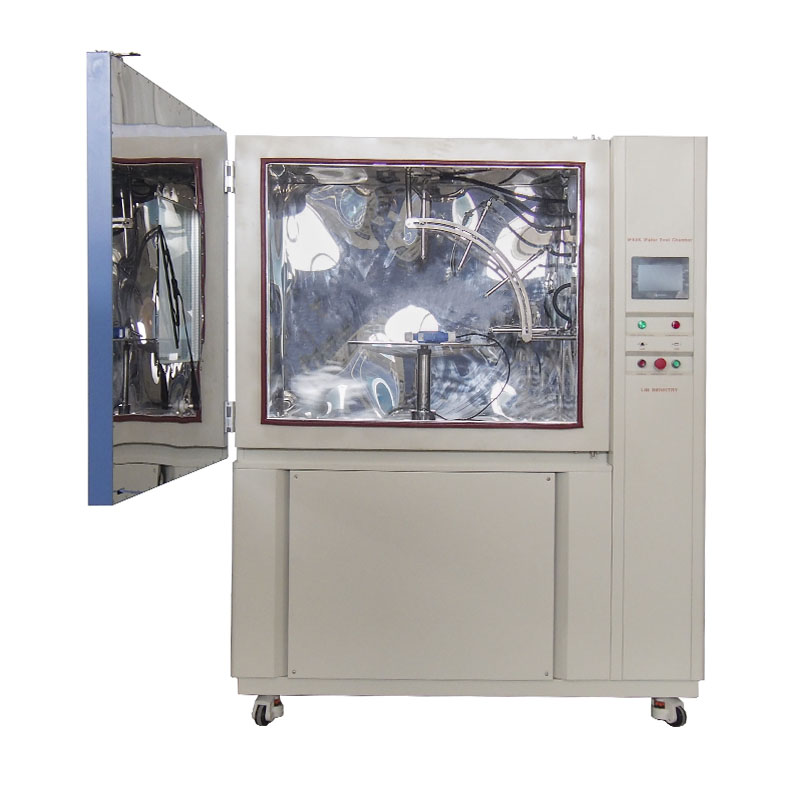
2. Nozzles or sprinklers: These devices disperse water droplets of varying sizes and intensities to simulate different rainfall patterns.
3. Water supply system: This supplies water to the nozzles or sprinklers at a controlled rate.
4. Water filtration system: Ensures that the water used is clean and free of impurities.
5. Data Acquisition System: This component measures and records various parameters during the test, such as rainfall intensity, duration and the product's response. It may include:
6. Data loggers: For storing recorded data.
IPX9K High Pressure & Temperature Water Spray Chamber
Simulating Rainfall: Techniques and Methods
Rain test chambers employ various techniques to simulate different types of rainfall:

1.Uniform Rainfall: This is the most common type of rainfall simulated and is achieved by using nozzles or sprinklers that distribute water droplets evenly over the test area.
2.Localized Rainfall: To simulate localized rain showers or thunderstorms, the rainfall generation system can be configured to concentrate the water droplets in specific areas.
3.Wind-Driven Rainfall: To simulate the effects of wind on rainfall, the chamber may be equipped with fans or blowers that can create artificial wind currents.
4.Angle-Driven Rainfall: To simulate rainfall at different angles, the nozzles or sprinklers can be positioned at various angles to direct the water droplets onto the product.
5.Intermittent Rainfall: To simulate intermittent rainfall patterns, the rainfall generation system can be programmed to turn on and off at specific intervals.
By understanding the core components and techniques used in rain test chambers, it is possible to appreciate the complexity and precision involved in simulating real-world rainfall conditions for product testing.
Industrial Applications of Rain Test Chambers
Rain test chambers are essential tools in various industries to ensure the durability and performance of products exposed to outdoor elements.
Electronics: Ensuring Water Resistance and Durability
● Consumer Electronics: Smartphones, tablets, laptops, and other electronic devices often need to be
Combined Chamber(IPX1 X2 X3 X4 X5 X6)
water-resistant for everyday use. Rain test chambers help manufacturers assess the devices' ability to withstand exposure to water, rain, and moisture.
● Industrial Electronics: Equipment used in outdoor environments, such as sensors, control systems, and communication devices, must be protected from the elements. Rain test chambers help ensure their reliability and functionality in harsh conditions.
Automotive: Testing Windshield and Body Seals
● Windshield Performance: Windshields must be able to withstand heavy rainfall without leaking or compromising visibility. Rain test chambers are used to evaluate the effectiveness of windshield seals and wiper systems.
● Body Seals: Car body seals must prevent water from entering the interior, causing corrosion or damage. Rain test chambers help assess the performance of seals and identify potential weaknesses.
Construction Materials: Assessing Weatherproofing
● Roofing Materials: Roofing materials, such as shingles, tiles, and metal sheets, must be resistant to rain, snow, and hail. Rain test chambers help evaluate the durability and water-resistance of roofing materials.
● Siding Materials: Siding materials, like vinyl, wood, and fiber cement, are exposed to various weather conditions. Rain test chambers can assess their ability to withstand rain, wind, and moisture.
● Windows and Doors: Windows and doors must be sealed properly to prevent water infiltration. Rain test chambers help evaluate the water resistance of window and door seals and frames.
Other Industries
●Outdoor Equipment: Camping equipment, backpacks, and other outdoor gear must be durable and weatherproof. Rain test chambers help evaluate their performance in wet conditions.
●Military and Defense: Equipment used in outdoor environments, such as weapons, vehicles, and communication systems, must be resistant to harsh weather conditions. Rain test chambers are used to ensure their reliability and functionality.
Rain test chambers are indispensable tools for a wide range of industries, providing valuable data to ensure the durability and performance of products exposed to outdoor elements.
Setting Up and Using Rain Test Chambers
Pre-Testing Preparations and Checklist
Before conducting a rain test, ensure the following preparations are in place:
1.Chamber Calibration: Verify that the chamber's temperature, humidity, and rainfall generation systems are calibrated accurately.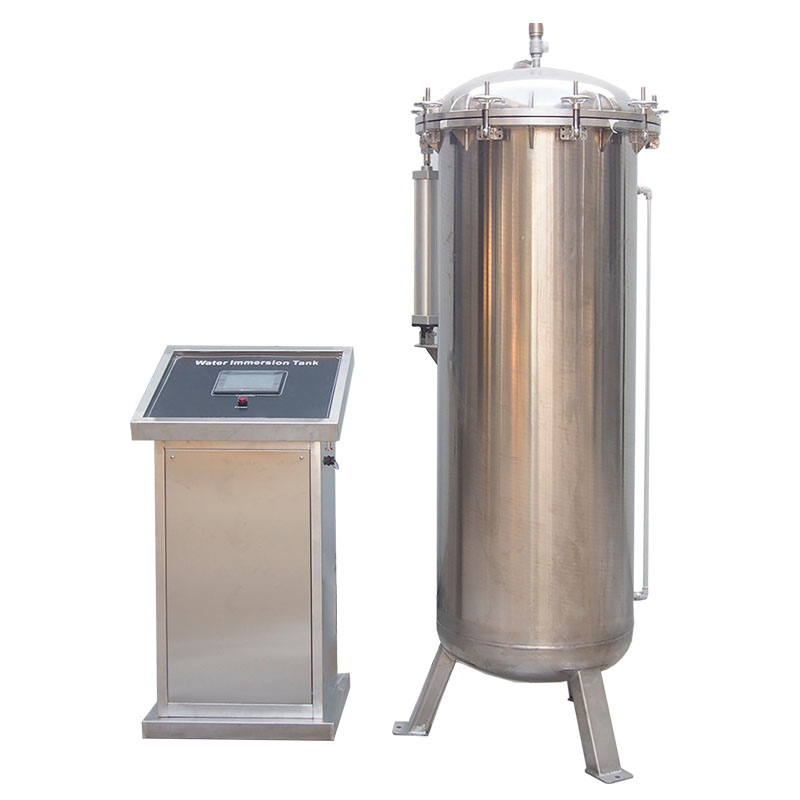
2.Test Specimen Preparation: Prepare the test specimens according to the specific requirements of the test. Ensure they are clean and free of any contaminants that could affect the results.
3.Test Plan Development: Create a detailed test plan outlining the specific conditions to be simulated, the duration of the test, and the data to be collected.
4.Equipment Setup: Ensure all necessary equipment, such as sensors, data loggers, and power supplies, are set up and connected correctly.
5.Safety Measures: Implement appropriate safety measures, such as wearing protective gear and ensuring proper ventilation.
IPX7 IPX8 Water Immersion Tank
Step-by-Step Operational Guide
| Name | IPX9K High Pressure & Temperature Water Spray Chamber |
| Spray Nozzle | Four, 30 Seconds each position |
| Distance from Water Spraying to Specimens | 10~15cm |
| Water Pressure | 8000-10000 Kpa (Adjustable) |
| Water Flow Rate | 14L-16L/min |
| Testing Platform Speed | 5±1 r.p.m |
| Testing Platform Height | 200-400 nm (Adjustable) |
| Testing Platform Diameters | 600mm |
| Heater Elements | Nichrome heater |
| Controller | Programmable color LCD touch screen controller, Ethernet connection |
| Door Lock | Electromagnetic lock |
| Water supply system | Storage water tank; Booster pump; Automatic water supply; Water purification system; |
| Safety Device | Over-temperature Protection; Over-current Protection; |
| Water Shortage Protection; Earth leakage Protection; Phase Sequence Protection | |
| Exterior Material | Steel Plate with protective coating |
| Interior Material | SUS304 stainless steel |
| Observation Window | Double layer insulating glass with wiper |
● Chamber Initialization: Turn on the chamber and allow it to stabilize to the desired temperature and humidity levels.
● Specimen Placement: Place the test specimens in the designated area within the chamber, ensuring they are securely positioned.
● Rainfall Simulation: Activate the rainfall generation system to simulate the desired rainfall intensity, duration, and pattern.
● Data Collection: Monitor and record data using the data acquisition system. This may include rainfall intensity, temperature, humidity, and the product's response.
● Test Termination: After the specified test duration, terminate the rainfall simulation and allow the chamber to return to ambient conditions.
● Specimen Inspection: Inspect the test specimens for any signs of damage, water penetration, or performance degradation.
Interpreting Test Results Accurately
1.Data Analysis: Analyze the collected data to assess the product's performance under the simulated rainfall conditions. Look for trends, patterns, and deviations from expected results.
2.Visual Inspection: Conduct a visual inspection of the test specimens to identify any physical damage or defects.
3.Comparison to Standards: Compare the test results to relevant industry standards or specifications to determine if the product meets the required performance criteria.
4.Failure Analysis: If the product fails to meet the required standards, conduct a failure analysis to identify the root cause of the problem and recommend corrective actions.
By following these guidelines, you can effectively set up and use rain test chambers to obtain accurate and reliable test results.
Global Standards and Compliance in Rain Testing
ISO Standards
International Organization for Standardization (ISO) standards provide a framework for consistent and reliable testing procedures worldwide. Several ISO standards specifically address rain testing, ensuring that products are evaluated under comparable conditions.

LIB provides flexible customization options to meet specific application needs. All equipment is backed by a 3-year warranty and supported by lifetime technical service. If any problem cannot be resolved during the warranty period, replacement will be provided at no additional cost. Our 24/7 English-speaking after-sales team ensures prompt assistance, with fast delivery available within 7–15 days.
Rain test chambers are indispensable tools for ensuring the durability and performance of products exposed to outdoor elements. By simulating various rainfall conditions, these chambers provide valuable data for product development, quality control, and regulatory compliance. Adherence to global standards, such as ISO standards, ensures consistency and reliability in rain testing, promoting fair competition and enhancing consumer confidence.
Contact LIB Industry for reliable, standards-compliant rain test chambers that deliver accurate and repeatable results. Contact our experts today to find the right solution for your testing needs and ensure your products are ready for real-world conditions!


