Views: 0 Author: Site Editor Publish Time: 2026-06-23 Origin: Site


Corrosion rarely happens under constant conditions. In the real world, metal parts, electronic components, automotive assemblies, and coated products are exposed to alternating wet, dry, hot, humid, and polluted environments. This is why many manufacturers are moving beyond traditional salt spray testing and adopting cyclic corrosion testing to obtain more realistic durability data.
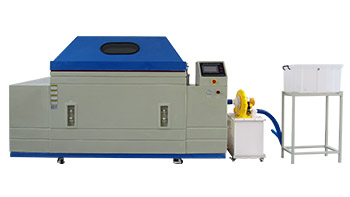
This article explains how long LIB Cyclic Salt Spray Corrosion Chamber test usually takes, which standards define the test duration, what industries use cyclic corrosion testing, and how LIB’s advanced solutions help customers achieve reliable and repeatable results.
The actual test duration depends on the selected standard and product requirements.
According to ASTM G85, several cyclic corrosion procedures are available, including Acidified Salt Fog Cyclic Testing, Synthetic Seawater Cyclic Testing, SO₂ Salt Fog Cyclic Testing, and Dilute Electrolyte Cyclic Testing.
Many test programs operate in repeating cycles of salt spray, humidity, drying, and temperature exposure.
Typical durations include:
1. 24 hours – preliminary corrosion screening
2. 240 hours – coating qualification testing
3. 500–1000 hours – automotive component validation
4. 2000–3000+ hours – long-term durability verification
LIB's Cyclic Salt Spray Corrosion Chamber fully complies with ASTM G85, ASTM D5894, SAE J2334, ISO 11997, ISO 9227, EN 60068-2-52, and various automotive manufacturer specifications including VW, Ford, GM, Toyota, Honda, Audi, BMW, Jaguar, and Land Rover.
Different products face different environmental challenges.
Electronics manufacturers often perform cyclic corrosion testing according to EN 60068-2-52 to evaluate connectors, enclosures, terminals, and PCB-related metallic components exposed to coastal or industrial environments.
Automotive suppliers commonly follow SAE J2334, ASTM G85, GMW14872, and ISO 11997 to simulate years of road salt exposure in a much shorter laboratory timeframe.
Industrial equipment manufacturers use ISO 9227 and ASTM G85 to assess coating performance, galvanized steel durability, and corrosion protection systems.
The ability to combine salt fog, humidity, temperature cycling, and drying phases allows cyclic testing to reproduce real-world corrosion mechanisms much more accurately than continuous salt spray exposure.
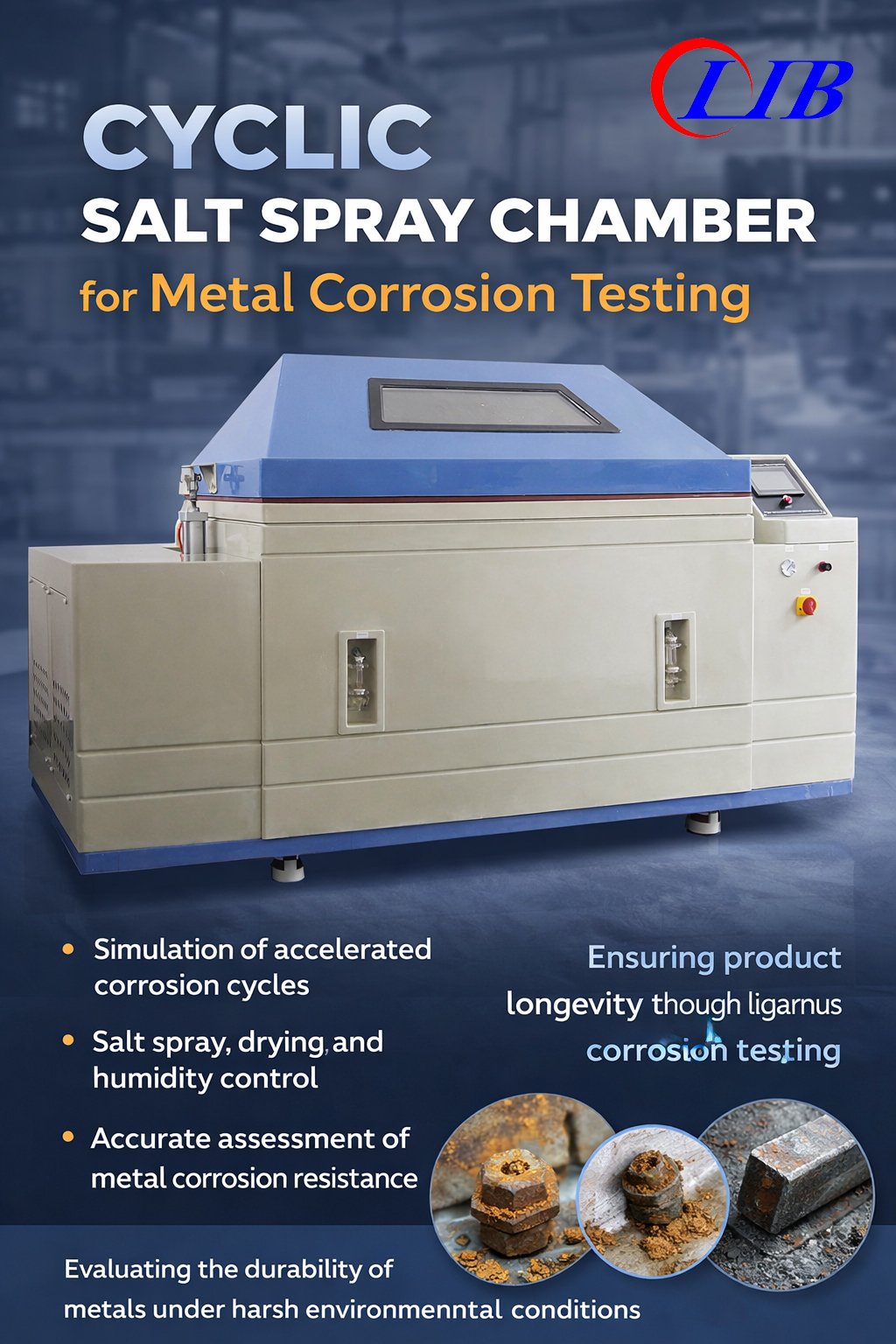
A traditional salt spray test is suitable for simple corrosion screening.
However, a Cyclic Salt Spray Corrosion Chamber becomes the preferred choice when products experience:
① Alternating wet and dry environments
② Outdoor weather exposure
③ Marine or coastal conditions
④ Road salt contamination
⑤ Industrial pollution
⑥ High humidity combined with temperature changes
⑦ Long-term durability qualification
LIB's equipment can alternate between salt spray mode, humidity mode (30%–98% RH), temperature mode (10°C to 90°C), and drying mode automatically. This allows manufacturers to simulate years of field exposure within a controlled laboratory environment.
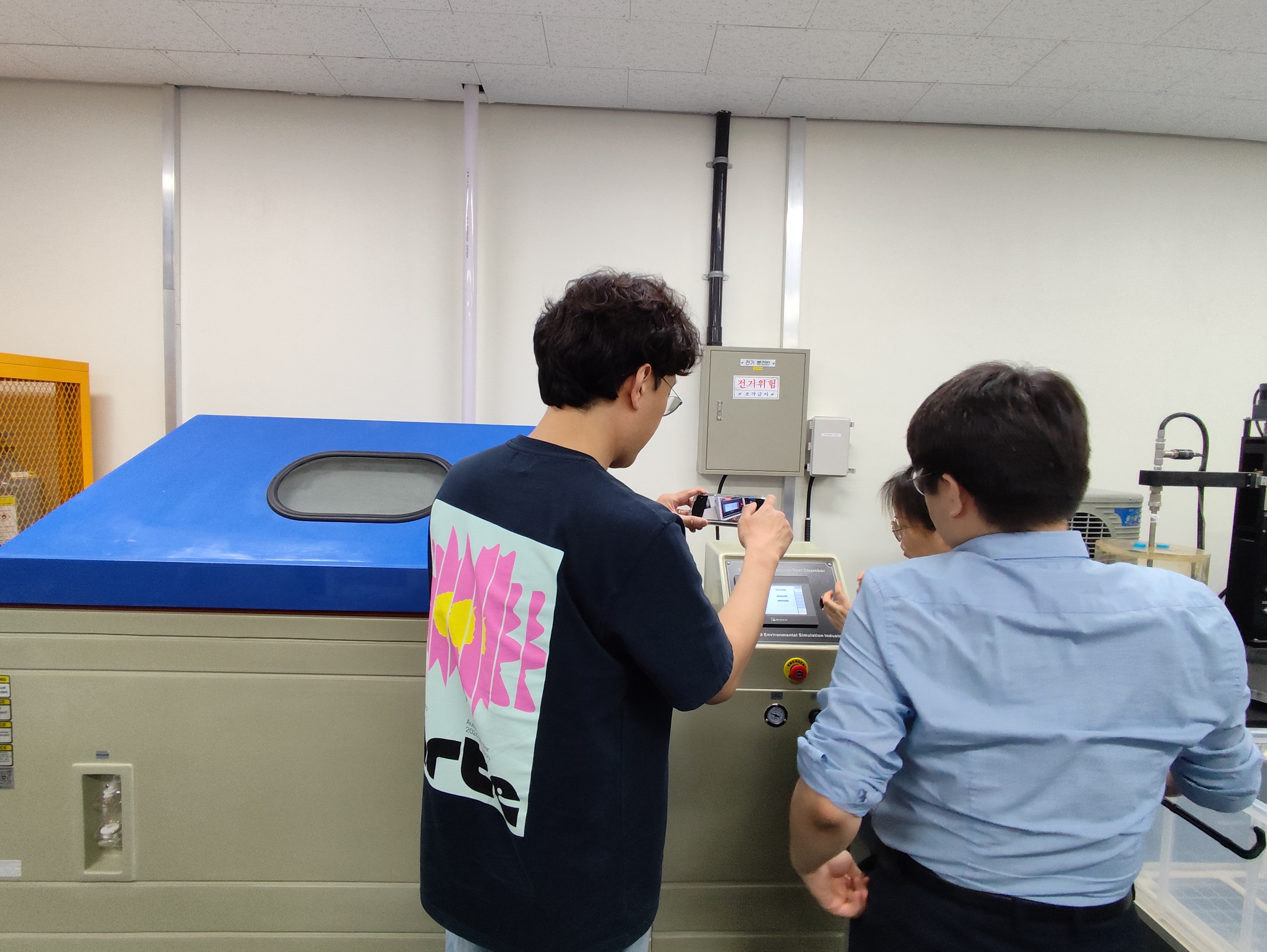
A customer from South Korea recently used the LIB Cyclic Salt Spray Corrosion Chamber for product performance validation and corrosion resistance testing.
The customer particularly appreciated several advantages:
The chamber utilizes PT-100 Class A sensors to maintain temperature stability within ±0.5°C and humidity control within ±2% RH. Consistent environmental conditions improve repeatability and confidence in test results.
The pneumatic door system and spacious chamber design allow operators to quickly load and unload large or heavy specimens. This significantly improves testing efficiency during long-duration corrosion programs.
The system incorporates multiple safety protections including:Over-temperature protection, Water shortage
alarms, Door safety interlocks, Power failure protection. The equipment also complies with CE, IEC, and CSA electrical safety requirements.
Compared with operating multiple independent systems for salt spray, humidity, temperature, and drying tests, LIB integrates all functions into a single chamber. This reduces equipment investment, floor space requirements, and maintenance costs.
LIB engineers recently completed routine inspection and maintenance support for the customer. The customer highly praised the preventive maintenance program, technical training, and responsive after-sales service.
Although both chambers evaluate corrosion resistance, they target different applications.
Designed for realistic environmental simulation by combining: salt spray, high humidity, drying cycles, temperature cycling.
| Model | SC-010 | SC-016 | SC-020 |
| Internal dimensions (mm) | 1300*1000*600 | 1600*900*720 | 2000*1000*800 |
| Overall dimensions (mm) | 2000*1300*1600 | 2300*1300*1700 | 2700*1300*1900 |
| Interior Volume (L) | 780 | 1280 | 1800 |
| Temperature Range | +10 ℃ ~ +90 ℃ | ||
| Temperature Fluctuation | ± 0.5 ℃ | ||
| Temperature Deviation | ± 2.0 ℃ | ||
| Humidity Range | 30% ~ 98% RH | ||
| Humidity Deviation | + 2%, - 3% | ||
| Salt Fog Deposition | 1~2ml / 80cm2 · h | ||
| Cooling system | Mechanical compression refrigeration system | ||
| Humidifier | External isolation, stainless steel surface evaporation humidifier | ||
| Water supply system | Water purification system | ||
| Air Preheating | Saturated air barrel (31Liter) | ||
| Spraying System | Atomizer tower and Spray nozzles | ||
| Salt Fog Collected | Fog collector and fog measure cylinder | ||
| Controller | Programmable color LCD touch screen controller, Ethernet connection | ||
| Air Circulation | Centrifugal wind fan | ||
| Safety Device | Humidifier Dry-combustion Protection; Over-temperature Protection; Over-current Protection; | ||
| Water Shortage Protection; Earth leakage Protection | |||
| Material | Glass fiber reinforced plastics | ||
| Standard Configuration | 8 round bars | ||
Applicable standards include: ASTM G85, ASTM D5894, SAE J2334, ISO 11997, EN 60068-2-52, GMW14872.
Designed for accelerated corrosion caused by sulfur dioxide pollution and acid rain environments.
Applicable standards include:ASTM G85, DIN 50018, ISO 6988, IEC 60068-2-42, IEC 60068-2-43.
This equipment is widely used for electrical equipment, connectors, telecommunications products, and industrial hardware exposed to polluted urban atmospheres.
| Item |
|
|
|---|---|---|
| Main Corrosion Source | Salt + Humidity + Drying + Temperature | Salt + Humidity + Drying + Temperature+ SO₂ Gas |
| Real-World Simulation | Very High | High |
| Temperature Cycling | Yes | Limited |
| Humidity Control | 30%–98% RH | Available |
| Drying Function | Yes | No |
| Automotive Testing | Excellent | Limited |
| Electronics Testing | Excellent | Excellent |
| Pollution Simulation | Moderate | Excellent |
| ASTM G85 Compliance | Yes | Yes |
| Typical Applications | Automotive, Electronics, Coatings | Electrical Equipment, Urban Pollution Studies |
Choose the Cyclic Salt Spray Corrosion Chamber when evaluating: • Automotive components • Electronic products • Protective coatings • Outdoor equipment • Long-term durability | Choose the Salt Fog & SO₂ Gas Corrosion Chamber when evaluating: • Acid rain exposure • Sulfur dioxide pollution • Urban atmospheric corrosion • Industrial environmental degradation |
| LIB Popular Environmental Chamber for Meatal and Paints | |||
 |  |
| 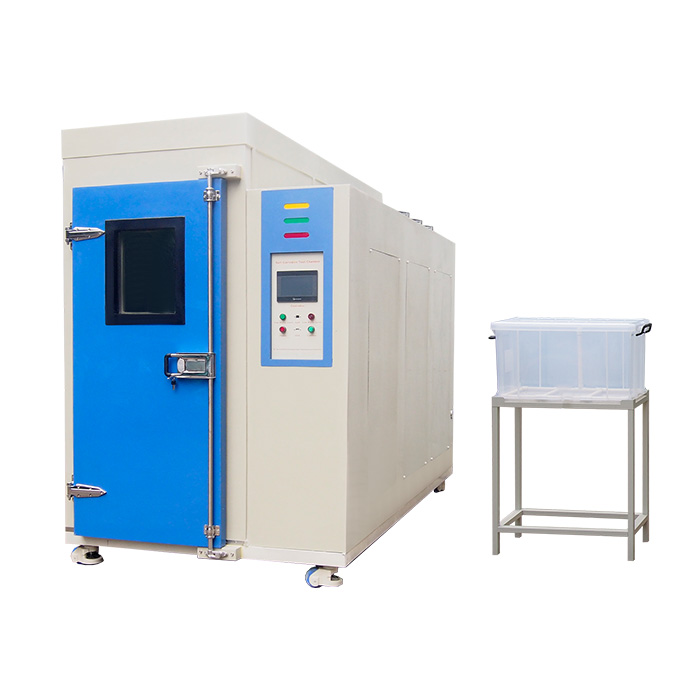 |
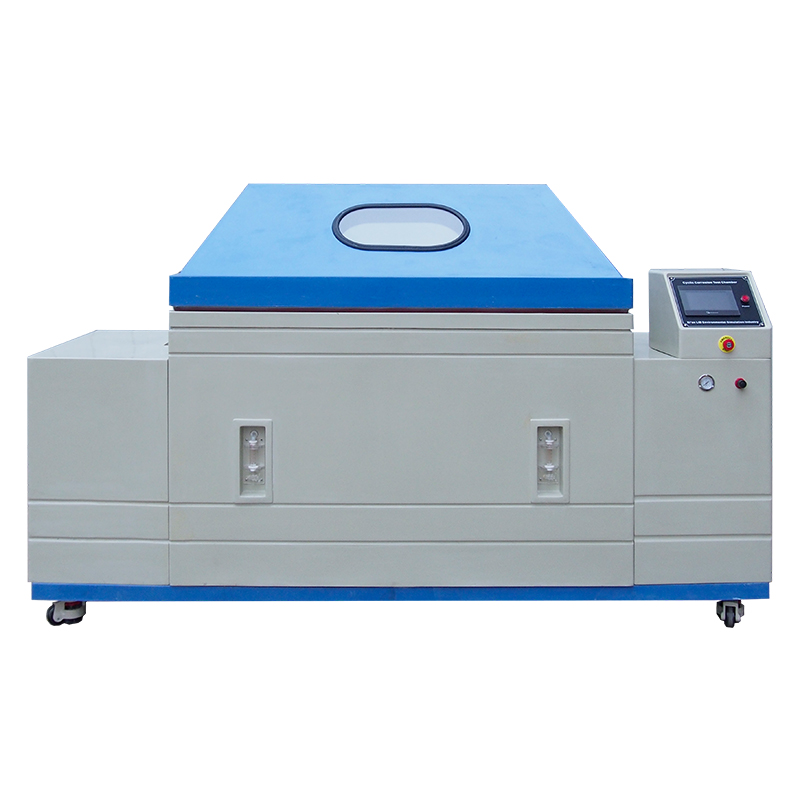
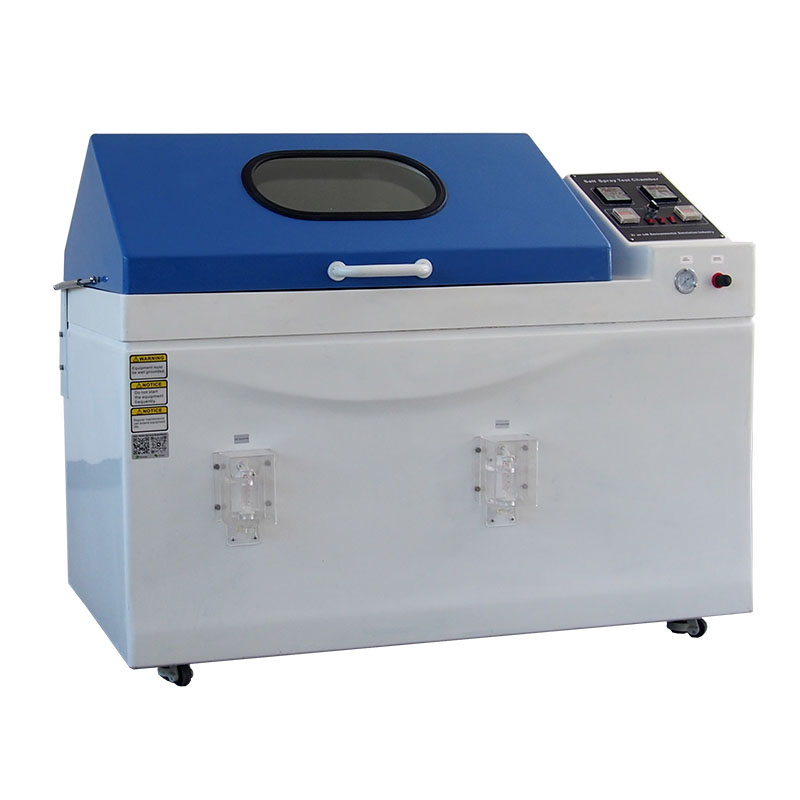
Cyclic Salt Spray Corrosion Chamber Realistic Wet-Dry Corrosion Simulation, Accelerated Corrosion Testing for Long-Term Durability | ASTM B117 Fog Corrosion Salt Spray Test Cabinet Reliable Salt Fog Exposure Testing, Accurate Corrosion Resistance Evaluation | Salt Spray and Sulfur Dioxide Climatic Chamber Simulate Acid Rain and Industrial Pollution, Advanced SO₂ Corrosion Testing Solution | Walk-in Salt Spray Corrosion Chamber Large-Capacity Corrosion Testing Space, Ideal for Oversized Components and Assemblies |
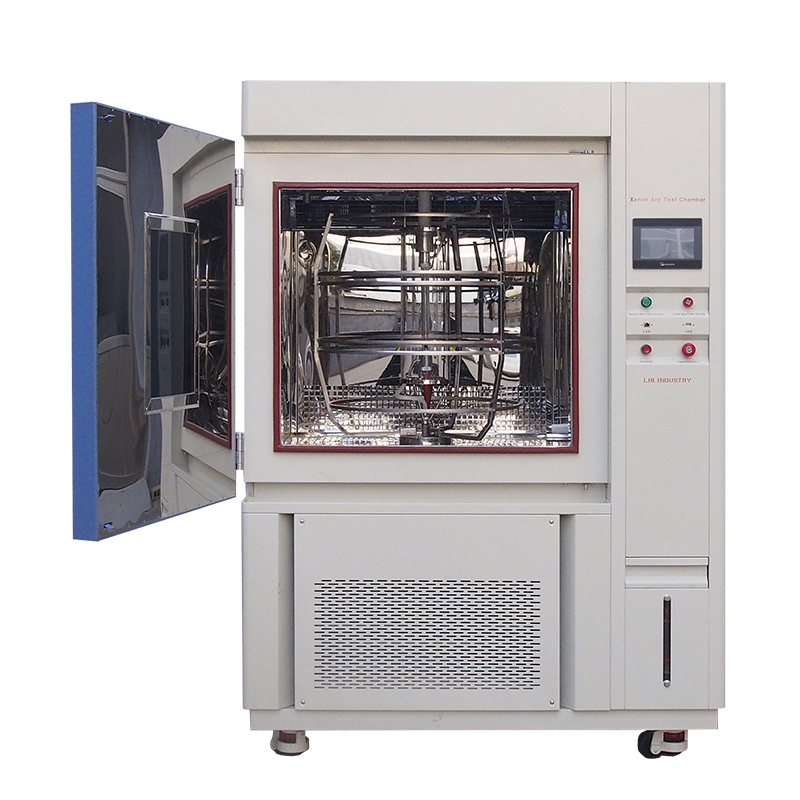 | 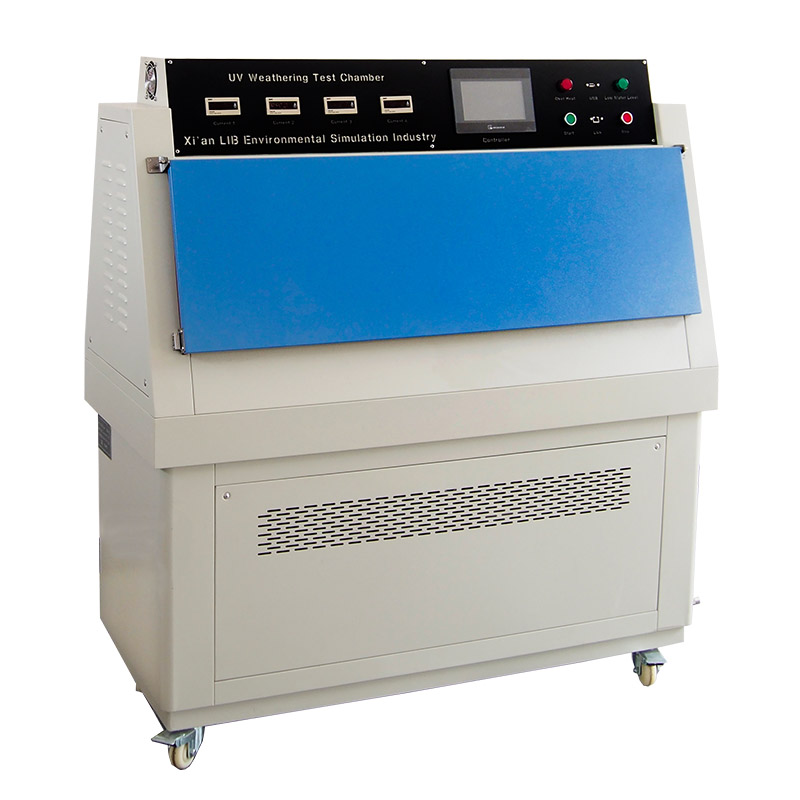 | 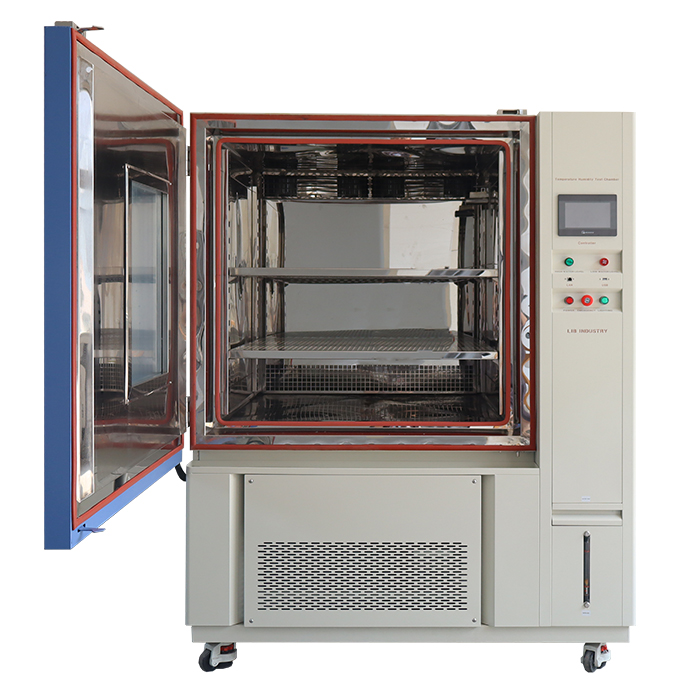 | 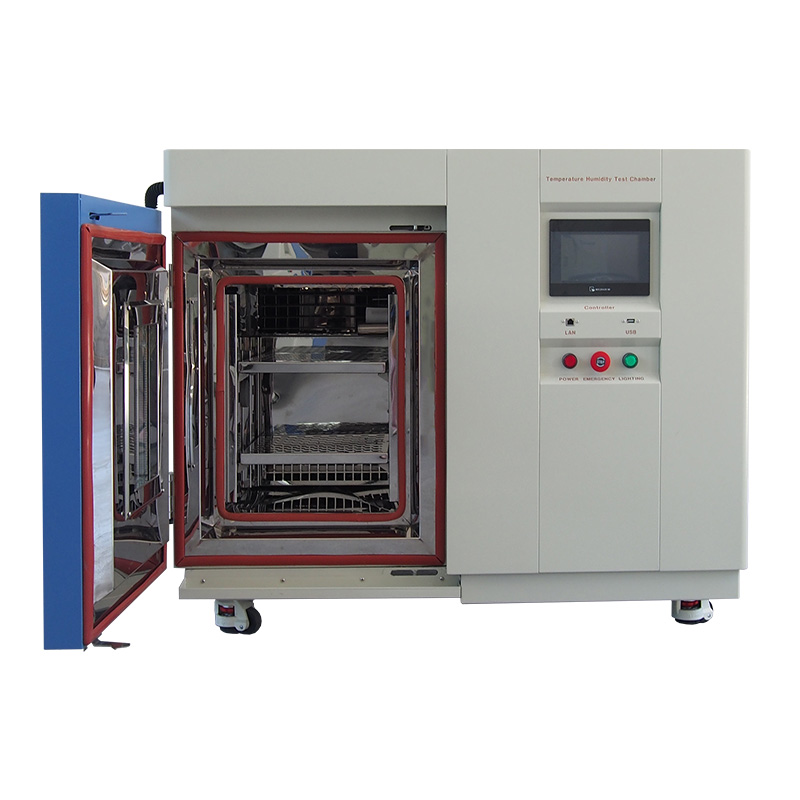 |
ASTM G155 G151 Accelerated Weathering Xenon Test Apparatus Full-Spectrum Sunlight Simulation, Accelerated Outdoor Weathering Analysis | UVA 340 Fluorescent Lamp Light Fastness Test Instrument Precise UV Aging Performance Testing, Reliable Material Durability Verification | Temperature Humidity Test Chamber Stable Environmental Conditioning, Accurate Temperature and Humidity Control | Compact Mini Temperature Stability Climatic Test Chamber Space-Saving Laboratory Solution, High-Precision Climate Simulation in a Compact Design |
Most tests range from 240 hours to 1,000 hours. Some automotive qualification programs may exceed 2,000 hours depending on the specification.
LIB chambers support ASTM G85, ASTM D5894, ASTM B117, SAE J2334, ISO 9227, ISO 11997, EN 60068-2-52, GMW14872, DIN 50021, and numerous OEM automotive standards.
Yes. LIB integrates all major cyclic corrosion functions into a single programmable platform.
Yes. LIB provides installation guidance, commissioning support, operator training, and technical documentation to ensure rapid startup.
The chamber is packed in reinforced export-grade wooden crates with moisture protection and shock-resistant packaging. LIB supports sea freight, air freight, and multimodal transportation according to customer requirements.
LIB offers a 3-year warranty, lifetime technical support, preventive maintenance programs, spare parts supply, remote troubleshooting, and global service assistance.
Download LIB’s comprehensive corrosion testing guide to learn more about ASTM G85 procedures, cyclic corrosion profiles, automotive qualification standards, and best practices for achieving reliable and repeatable corrosion test results.
Contact LIB Industry today to configure a Cyclic Salt Spray Corrosion Chamber tailored to your exact testing requirements.