Views: 0 Author: Site Editor Publish Time: 2026-07-14 Origin: Site


Corrosion is one of the biggest challenges affecting metals, coatings, electronic components, and automotive parts. Products used near oceans, on highways, in industrial environments, or under changing weather conditions often experience repeated exposure to salt, humidity, temperature changes, and drying cycles. Traditional salt spray testing can evaluate corrosion resistance, but it cannot fully reproduce the complex conditions products face in real-world environments.
This article explains what tests can be performed with LIB Cyclic Salt Spray Corrosion Chamber (CCT Chamber), including its testing methods, international standards, industrial applications, and why manufacturers choose advanced cyclic corrosion testing solutions for more accurate and reliable durability evaluation.
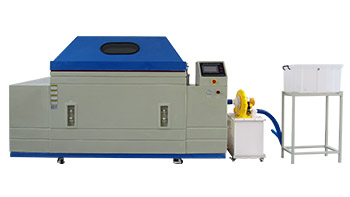
A Cyclic Salt Spray Corrosion Chamber combines salt fog, humidity, temperature cycling, and drying processes into one automated system. Unlike traditional salt spray chambers that only provide continuous fog exposure, CCT chambers simulate realistic environmental changes and accelerate corrosion mechanisms.
According to international standards such as ASTM G85, ASTM D5894, ISO 9227, ISO 11997, SAE J2334, and automotive company standards, cyclic corrosion testing is widely used to evaluate corrosion resistance under more practical conditions.
Neutral Salt Spray testing is the most common corrosion test method performed by a Cyclic Salt Spray Corrosion Chamber.
According to ISO 9227 NSS and ASTM B117, the test uses a 5% sodium chloride (NaCl) solution with a pH value between 6.5 and 7.2. The salt solution is atomized through precision nozzles under approximately 83 kPa spray pressure, creating a uniform salt fog environment.
During the test, samples are continuously exposed to salt mist at 35 ± 2°C, with a salt deposition rate controlled between 1–2 mL/80 cm²/hour. The chamber evaluates corrosion behaviors such as rust formation, coating damage, surface oxidation, and protection performance.
This method is commonly used for: automotive metal components, electronic housings, fasteners and hardware, protective coatings, and industrial materials.
NSS testing provides basic corrosion resistance data and is suitable for comparing different materials or surface treatments.
For products requiring higher corrosion sensitivity, the Cyclic Salt Spray Corrosion Chamber can perform Acetic Acid Salt Spray testing.
According to ISO 9227 AASS, acetic acid is added into the 5% NaCl solution to reduce the pH level to approximately 3.1–3.3. The acidic environment accelerates corrosion reactions and provides faster evaluation of decorative coatings and protective layers.
The chamber generates acidic salt fog and maintains stable temperature and humidity conditions to evaluate coating adhesion, decorative surface durability, metal corrosion resistance, and paint and plating performance. By exposing samples to a more aggressive acidic environment, the AASS test helps manufacturers identify coating weaknesses, surface damage, and potential corrosion problems before products enter the market.
AASS testing is mainly applied in industries such as automotive exterior parts, electroplated products, decorative metal components, and consumer products. It is especially suitable for evaluating the durability of products with decorative coatings, surface treatments, and protective layers that require both appearance quality and long-term corrosion resistance.
Compared with NSS testing, AASS creates a more aggressive environment and helps manufacturers quickly identify coating weaknesses.
The most advanced function of a Cyclic Salt Spray Corrosion Chamber is cyclic corrosion testing.
Based on standards includingASTM G85, ASTM D5894, ISO 11997, and SAE J2334, the chamber alternates between multiple environmental conditions:
The chamber sprays 5% NaCl solution to simulate marine environments, road salt exposure, and industrial pollutants.
The chamber increases humidity levels from approximately 30% RH to 98% RH, reproducing rainy, humid, and condensation environments.
The chamber changes temperature between approximately 10°C and 90°C according to programmed test profiles. Temperature fluctuation can be controlled within ±5°C, while temperature deviation remains within ±2°C.
Warm dry air removes moisture and allows salt crystals to form on the surface. Repeated wet-dry cycles create stress on coatings and accelerate crack formation, peeling, and corrosion development.
CCT testing is widely used in industries such as automotive manufacturing, aerospace, battery systems, electronics, new energy vehicles, and metal coating industries. These industries rely on cyclic corrosion testing to evaluate product durability under complex environmental conditions, including salt exposure, humidity changes, temperature fluctuations, and drying cycles. By simulating real-world corrosion environments, CCT testing helps manufacturers improve material selection, optimize protective coatings, and ensure long-term product reliability before products enter the market.
Because it reproduces real environmental changes, CCT provides more realistic corrosion prediction than traditional salt spray testing.
| LIB Popular Environmental Chamber for Meatal and Paints | |||
 |  |
| 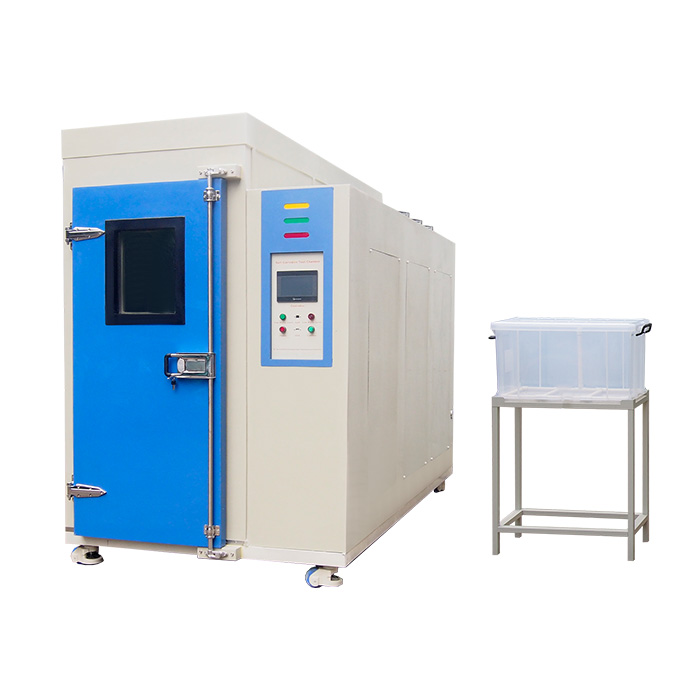 |
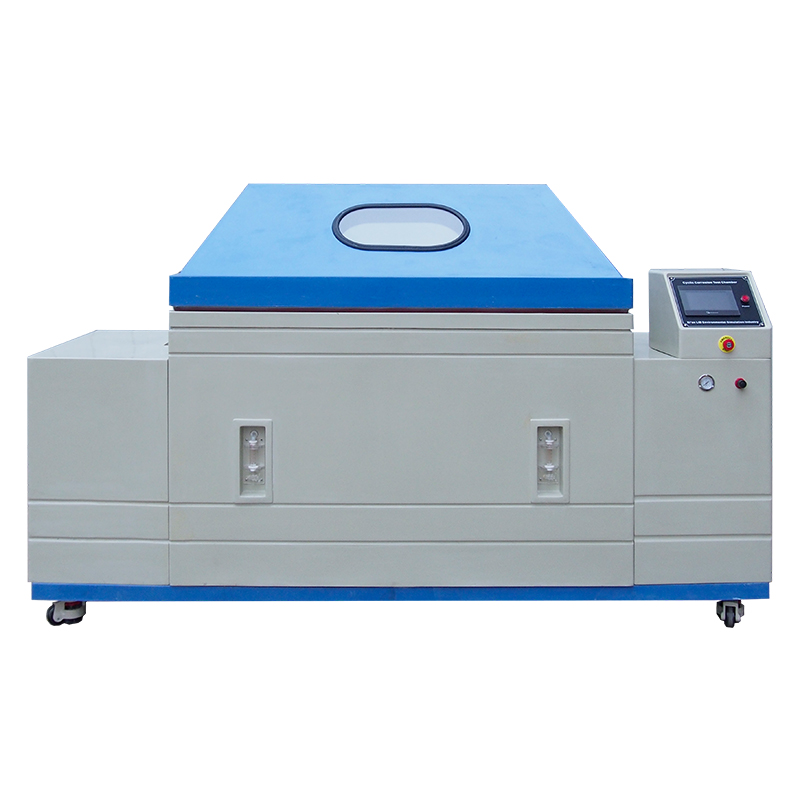
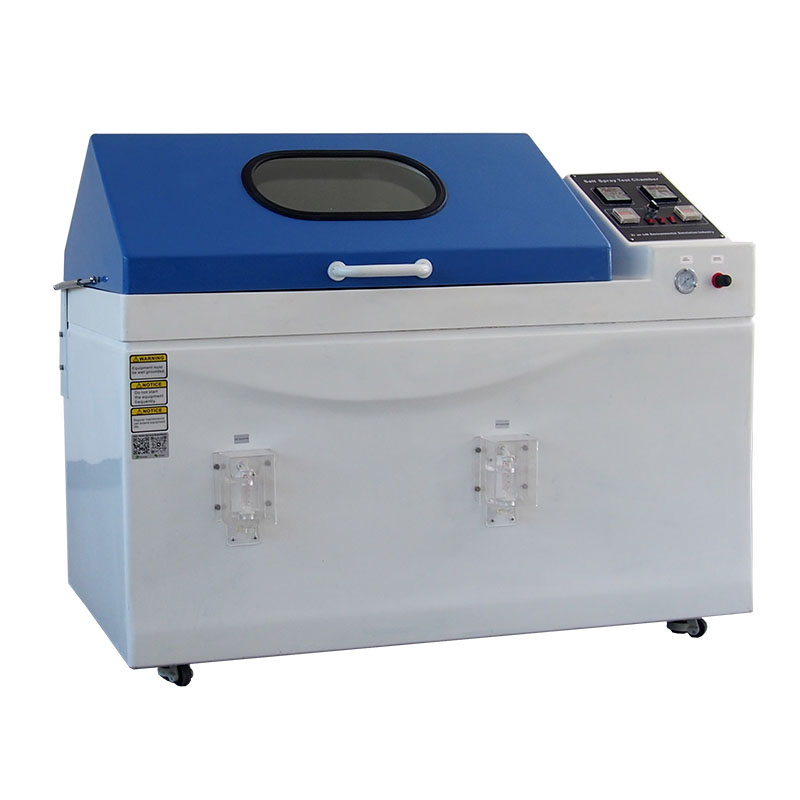
Cyclic Salt Spray Corrosion Chamber Realistic Wet-Dry Corrosion Simulation, Accelerated Corrosion Testing for Long-Term Durability | ASTM B117 Fog Corrosion Salt Spray Test Cabinet Reliable Salt Fog Exposure Testing, Accurate Corrosion Resistance Evaluation | Salt Spray and Sulfur Dioxide Climatic Chamber Simulate Acid Rain and Industrial Pollution, Advanced SO₂ Corrosion Testing Solution | Walk-in Salt Spray Corrosion Chamber Large-Capacity Corrosion Testing Space, Ideal for Oversized Components and Assemblies |
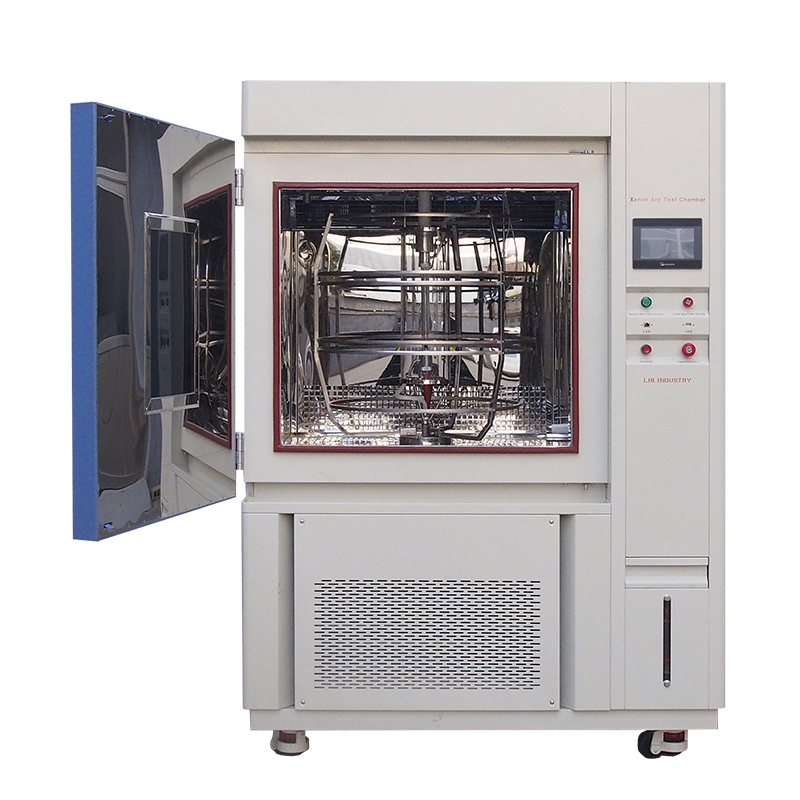 | 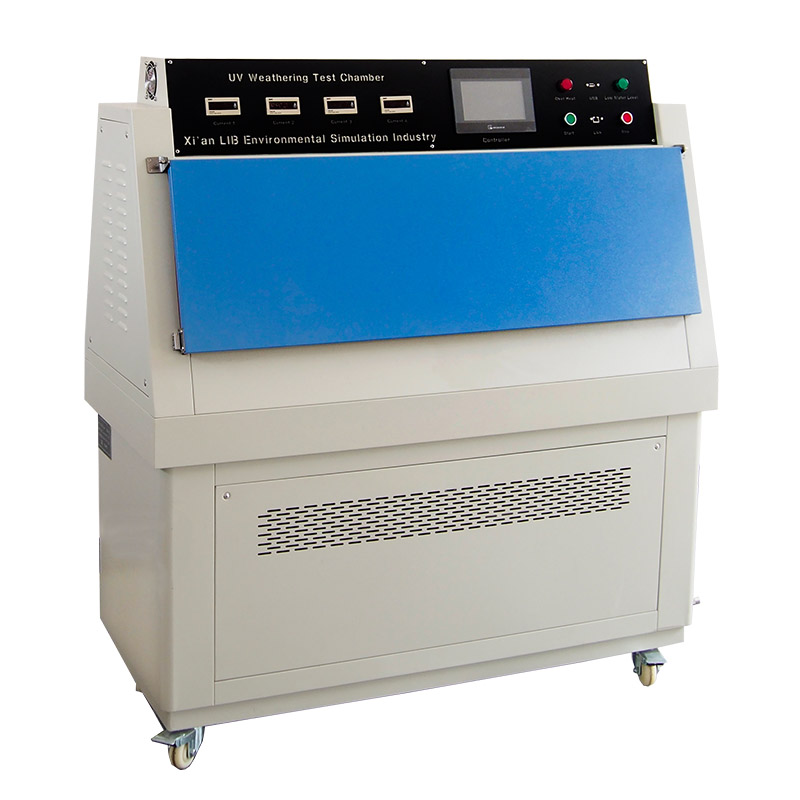 | 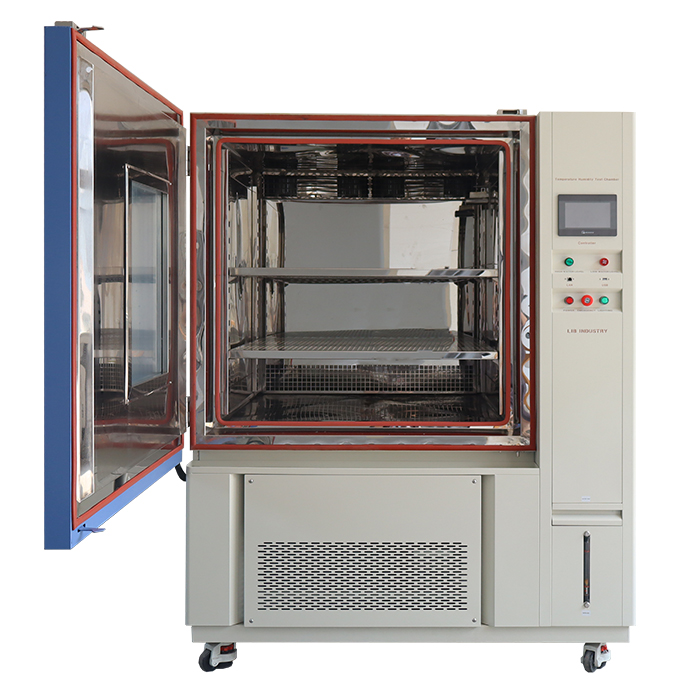 | 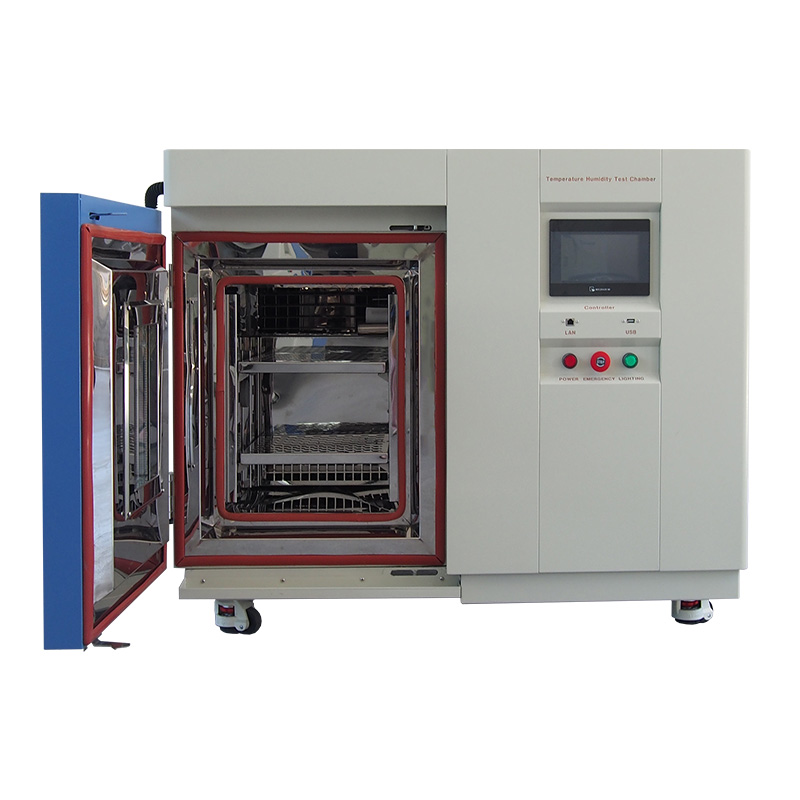 |
ASTM G155 G151 Accelerated Weathering Xenon Test Apparatus Full-Spectrum Sunlight Simulation, Accelerated Outdoor Weathering Analysis | UVA 340 Fluorescent Lamp Light Fastness Test Instrument Precise UV Aging Performance Testing, Reliable Material Durability Verification | Temperature Humidity Test Chamber Stable Environmental Conditioning, Accurate Temperature and Humidity Control | Compact Mini Temperature Stability Climatic Test Chamber Space-Saving Laboratory Solution, High-Precision Climate Simulation in a Compact Desi |
During after-sales maintenance for a Korean customer using a LIB Cyclic Salt Spray Corrosion Chamber, LIB provided professional inspection, performance verification, and technical support to ensure stable long-term operation.
The customer highly appreciated LIB's equipment performance because the chamber provided accurate corrosion simulation while meeting international safety and testing requirements.
The major advantages included:
LIB provides customized Cyclic Salt Spray Corrosion Chamber solutions based on different laboratory requirements and product testing needs. Customers can choose suitable chamber sizes, testing configurations, observation windows, and additional functions according to their applications. For special research projects, LIB can integrate features such as optical observation windows, cable holes for powered sample testing, customized sample holders, and special testing fixtures. These flexible designs allow users to evaluate real products under actual working conditions instead of testing only standard samples, improving the accuracy and practicality of corrosion evaluation.
The LIB Cyclic Salt Spray Corrosion Chamber uses PT100 Class A temperature sensors combined with advanced PID control technology to maintain precise and stable testing conditions throughout the entire corrosion cycle. The system achieves temperature stability within ±0.5°C and humidity control accuracy within ±2% RH, ensuring uniform salt fog distribution and repeatable corrosion test results. In addition, the external salt solution tank design simplifies maintenance, while the dual spray tower structure improves salt spray uniformity and guarantees consistent exposure conditions for different samples.
LIB Cyclic Salt Spray Corrosion Chambers are designed according to international safety requirements, including CE certification requirements, IEC safety standards, and CSA safety standards. The equipment integrates multiple protection systems, including over-temperature protection, door safety protection, compressor overload protection, leakage protection, and emergency shutdown functions. These safety features protect operators, prevent equipment damage, and ensure reliable long-term operation during continuous corrosion testing.
The Korean customer also recognized LIB’s competitive value. Compared with complicated multi-equipment testing systems, one cyclic corrosion chamber can perform multiple environmental cycles, reducing equipment investment and laboratory space requirements.
With a 3-year warranty, lifetime technical support, and global service support, LIB helps customers maintain reliable corrosion testing capability for years.
Different corrosion chambers are designed for different environmental challenges. Choosing the correct equipment depends on the product application and required test standards.
| Comparison |
|
|
|---|---|---|
| Main Test Environment | Salt spray + humidity + temperature + drying cycles | Salt fog combined with sulfur dioxide gas |
| Main Standards | ASTM G85, ASTM D5894, ISO 11997, SAE J2334 | ISO 3231, DIN 50018 and related standards |
| Corrosion Type | Marine corrosion, road salt corrosion, environmental cycling | Acid gas corrosion and industrial pollution corrosion |
| Test Temperature | Approx. 10°C–90°C programmable cycles | Usually controlled acidic corrosion conditions |
| Main Advantage | More realistic weather simulation | Strong simulation of SO₂ industrial environments |
| Typical Applications | Automotive, electronics, batteries, coatings | Industrial equipment, metal coatings, pollution resistance |
Choose a Cyclic Salt Spray Corrosion Chamber when your products experience outdoor environments, humidity changes, temperature variations, and road salt exposure.
Choose a Salt Fog and SO₂ Corrosion Chamber when products are mainly exposed to industrial gases, sulfur pollution, or acidic atmospheric conditions.
For automotive, electronics, and new energy industries, CCT testing is often preferred because it provides more realistic lifecycle corrosion evaluation.
Yes. LIB provides customized solutions based on customer requirements, including chamber size, test cycles, sample fixtures, optical windows, cable holes, and special testing functions.
LIB provides professional export packaging and transportation support. Before shipment, each chamber undergoes inspection and testing to ensure stable operation after delivery.
The equipment can be shipped worldwide by sea, air, or land transportation according to customer requirements.
Yes. LIB provides installation guidance, operation training, remote technical support, and lifetime assistance. Engineers help customers set up test parameters, maintain equipment, and solve operational issues.
LIB provides a 3-year warranty and lifetime technical support. Spare parts and professional service are available to ensure continuous laboratory operation.
Cyclic corrosion chambers are widely used in industries such as automotive manufacturing, battery and energy storage, electronics, aerospace, metal coatings, transportation equipment, and research laboratories. These industries use cyclic corrosion testing to evaluate product durability, improve material selection, verify coating performance, and ensure long-term reliability under harsh environmental conditions. They help manufacturers improve product reliability before mass production.
A Cyclic Salt Spray Corrosion Chamber provides a realistic, accurate, and efficient method for evaluating corrosion resistance under complex environmental conditions. With advanced control systems, flexible customization, international standard compliance, and professional service support, LIB helps global customers achieve reliable corrosion testing results.
Contact LIB Industry today to configure a Cyclic Salt Spray Corrosion Chamber tailored to your exact research and production needs.