Views: 0 Author: Site Editor Publish Time: 2026-03-27 Origin: Site


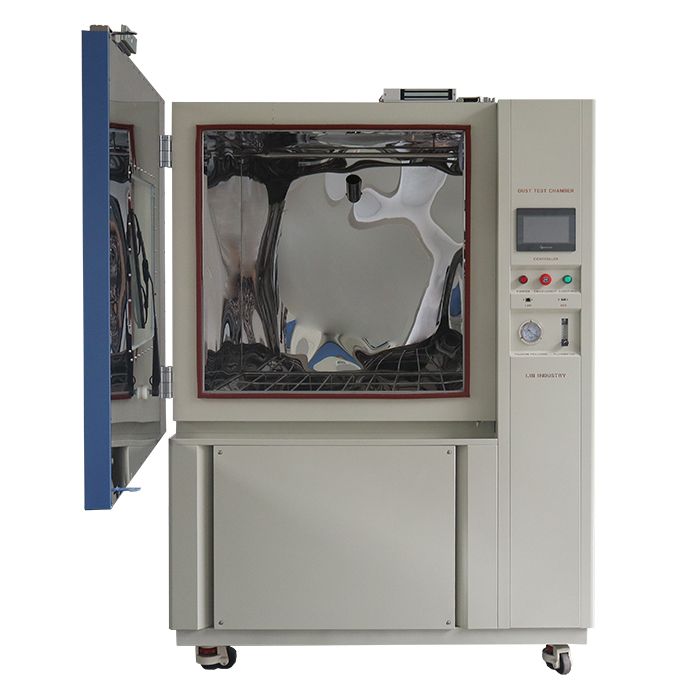
As products become more advanced and widely used in outdoor and industrial environments, protection against dust contamination has become increasingly important. Even small particles can penetrate sensitive components, leading to electrical faults, performance degradation, and unexpected failures. Therefore, dust resistance testing provides manufacturers with a reliable way to evaluate product protection and improve long-term reliability before market release.
Recently, our customers in the UAE shared their experience with LIB's DIM-2000 and RIM-0120 Dust Test Chambers. Robert, who uses these chambers regularly, said: “We have recently calibrated them for the next year. All is functioning well, thanks.” These chambers allow engineers to simulate real-world dust and sand exposure, helping products withstand extreme conditions before they reach the market. This feedback highlights not only their reliability but also their value in validating sealing integrity, dustproof performance, and long-term durability.
Original feedback email from our UAE customer on LIB dust test chambers:

In practical product development, a Dust Test Chamber is commonly used for a Sealing Integrity Test, Dustproof Test, Dust Ingress Protection Test, Blowing Sand and Dust Test, and Dust Resistance Protection Test. These test purposes are closely connected, but each one answers a slightly different engineering question. Together, they make the Dust Test Chamber a core part of environmental reliability testing.
This article shows how Dust Test Chambers ensure products remain reliable in the harshest environments.
A Dust Test Chamber is important because products are expected to survive more demanding environments than ever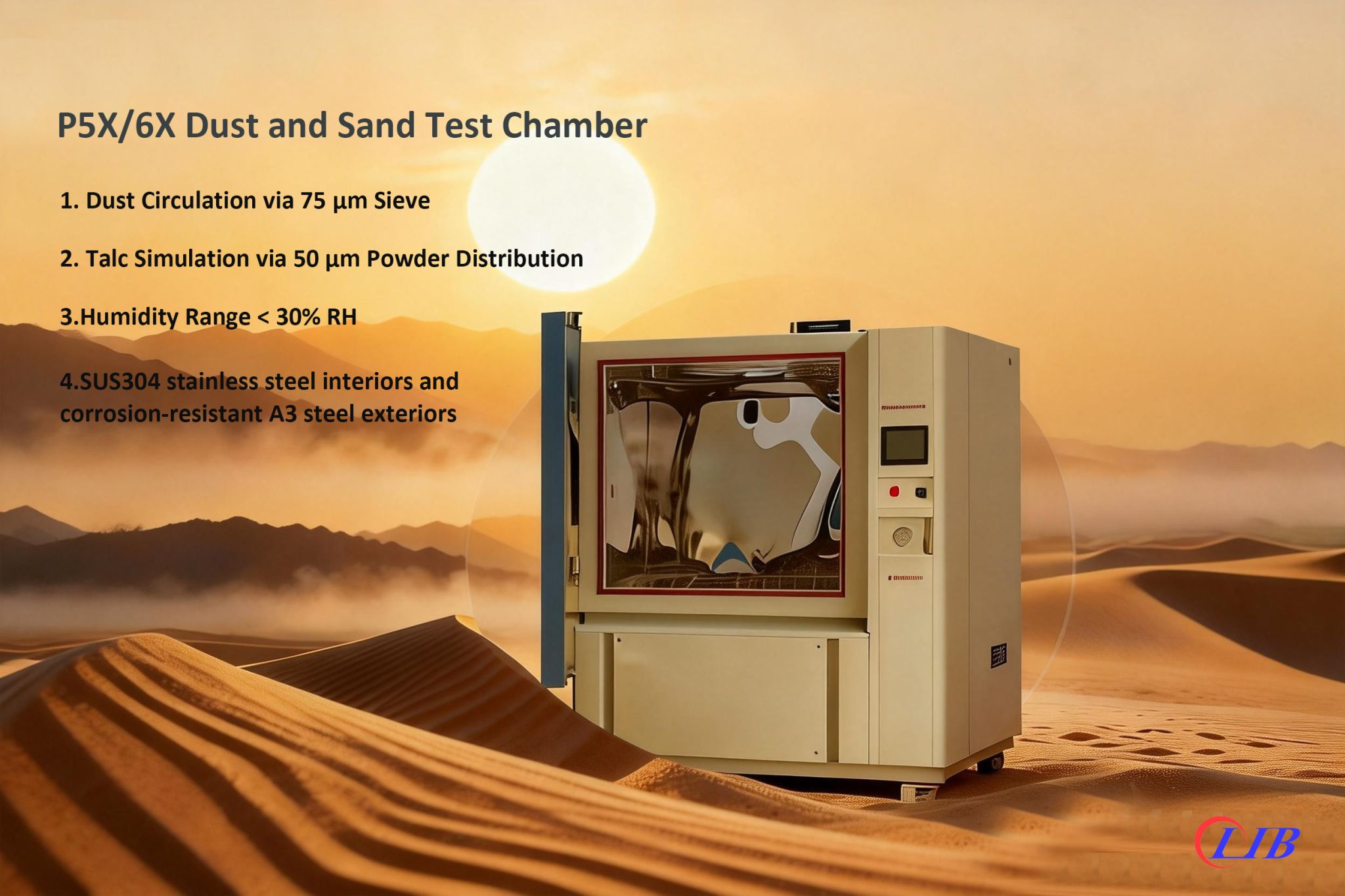 before. Today’s electronics are used outdoors, in vehicles, in factories, on construction sites, in renewable energy systems, and in remote industrial locations. Under these conditions, exposure to fine dust or blowing sand is not a rare event. It is a normal operating risk.
A Dust Test Chamber helps manufacturers validate whether their products can handle these conditions before mass production. During product testing, a Dust Test Chamber can simulate dust concentration, airflow, vacuum conditions, and exposure duration. This makes the Dust Test Chamber much more valuable than a simple pass-or-fail check. It becomes a design validation tool.
For example, a Dust Test Chamber can show whether a gasket leaks under pressure differences, whether a vent draws in fine particles, whether a connector fails after prolonged dust exposure, or whether a housing truly meets its intended IP rating. That is why a Dust Test Chamber is directly tied to quality, compliance, and warranty risk reduction.
A Dust Test Chamber is used to test several critical aspects of product performance. The most common applications include:
Enclosure protection against dust ingress
Seal and gasket effectiveness
Functional stability during dust exposure
Resistance to abrasive particulate attack
Compliance with IP and other environmental test standards
Reliability of powered products during live exposure
This means a Dust Test Chamber supports both compliance testing and real-world product validation. In many laboratories, a Dust Test Chamber is used during design verification, pre-compliance evaluation, supplier qualification, and final inspection.
The value of a Dust Test Chamber becomes even clearer when we break down the major test purposes associated with it.
One of the most common uses of a Dust Test Chamber is a Sealing Integrity Test. This test checks whether the seals, joints,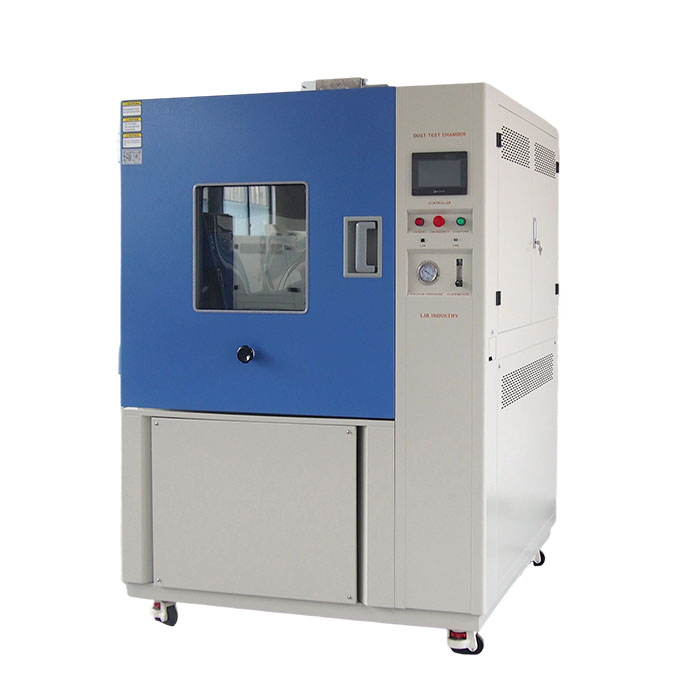 cable entries, interfaces, and enclosure closures can prevent dust from entering the product.
A Sealing Integrity Test is especially important for products that rely on rubber gaskets, silicone seals, glued interfaces, door latches, rotating shafts, and access covers. If these parts fail, dust can enter the enclosure and affect the internal electronics or mechanics. A Dust Test Chamber is ideal for this kind of validation because it exposes every weak point in a controlled and repeatable way.
In product testing, a Sealing Integrity Test inside a Dust Test Chamber is often used for outdoor electrical cabinets, automotive lighting, control panels, battery housings, and sensor modules. Engineers use the results to improve mechanical structure, material selection, and assembly quality.
A Dustproof Test is another major use of a Dust Test Chamber. This type of test verifies whether a product can be marketed or specified as dust-resistant or dust-tight under defined test conditions.
A Dustproof Test is highly relevant for consumer electronics, industrial equipment, and outdoor products. If a company claims that a product is dustproof, it needs evidence. A Dust Test Chamber provides that evidence through controlled exposure and measurable results.
In many cases, a Dustproof Test is not just about whether dust enters the product. It is also about whether the product still works correctly after exposure. For that reason, a Dust Test Chamber may be used with powered samples so engineers can monitor performance during the test. This makes the Dustproof Test more meaningful from a user perspective because the goal is not only protection, but continued functionality.
A Dust Ingress Protection Test is one of the most search-relevant uses of a Dust Test Chamber because it is closely linked to IP ratings such as IP5X and IP6X. In this application, the Dust Test Chamber is used to determine whether dust can enter the product enclosure under standardized conditions.
A Dust Ingress Protection Test often includes controlled dust circulation, specified particle characteristics, defined exposure times, and, in some cases, vacuum assistance. The vacuum function is particularly useful because it simulates pressure differences that may pull dust into an enclosure through tiny openings.
For manufacturers, the Dust Ingress Protection Test is essential when launching products that must meet ingress protection requirements. A Dust Test Chamber gives engineering teams a reliable way to test those requirements before third-party certification or customer delivery. In sectors such as automotive electronics, lighting, sensors, and industrial controls, the Dust Ingress Protection Test is often one of the key qualification steps.
A Dust Test Chambercan also be used for a Blowing Sand and Dust Test, especially when products must survive harsher environments than standard IP dust testing. This is common in military, aerospace, off-road vehicle, and heavy industrial applications.
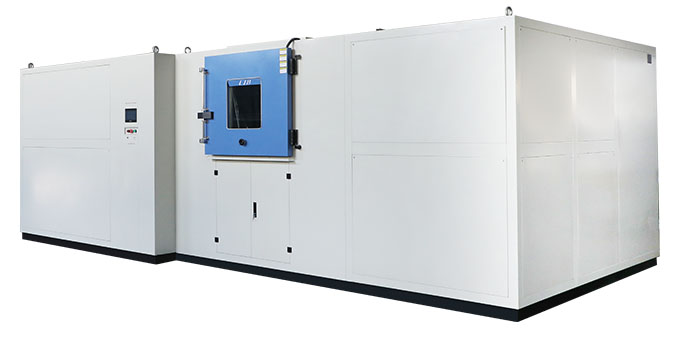
Blowing Sand and Dust Test Chamber
A Blowing Sand and Dust Test differs from a standard dust exposure test because it adds stronger airflow and often larger or more abrasive particles. The purpose is not only to check ingress, but also to evaluate abrasion resistance, mechanical wear, and performance under desert-like conditions.
In this context, a Dust Test Chamber may simulate both fine blowing dust and higher-velocity sand. That makes the Blowing Sand and Dust Test especially useful for ruggedized electronics, mission-critical sensors, defense equipment, and exposed mechanical assemblies. When customers search for a Dust Test Chamber, many are actually looking for this more demanding capability.
A Dust Resistance Protection Test focuses on whether a product can maintain durability, safety, and stable performance after extended exposure to particulate contamination. This is broader than a simple pass-or-fail ingress check.
A Dust Resistance Protection Test often examines long-duration exposure, repeatability, and the impact of dust on performance drift. A Dust Test Chamber is ideal for this because it can maintain stable test conditions over many hours and support repeat cycles for data comparison.
This use of a Dust Test Chamber is especially important for industrial equipment, control systems, field devices, charging infrastructure, and transport electronics. In these cases, the Dust Resistance Protection Test helps manufacturers prove that the product is not only protected at the enclosure level, but also durable in long-term service.
A Dust Test Chamber is suitable for a wide range of products. Common examples include:
Product category | Why use a Dust Test Chamber | Common test focus |
|---|---|---|
Automotive sensors | Prevent dust-related malfunction | Dust Ingress Protection Test |
Lighting fixtures | Check enclosure sealing | Sealing Integrity Test |
Electrical cabinets | Validate field durability | Dust Resistance Protection Test |
Connectors and terminals | Detect ingress and contact issues | Dustproof Test |
Consumer electronics | Improve IP-rated design | Dust Ingress Protection Test |
Military devices | Simulate desert exposure | Blowing Sand and Dust Test |
Industrial controls | Maintain stable operation in factories | Dust Resistance Protection Test |
This table also reflects Google user search intent well. Most users searching for a Dust Test Chamber want to know what products it tests, why it matters, and which specific testing goals it supports.
Not every Dust Test Chamber is equal. In product testing, the effectiveness of a Dust Test Chamber depends on how accurately and consistently it can simulate real-world dust conditions. Important features usually include:
IP6X Dust Resistant Sand and Dust Test Chamber | 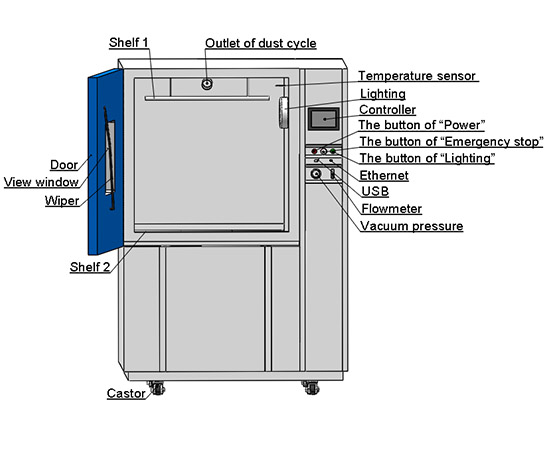 | ||
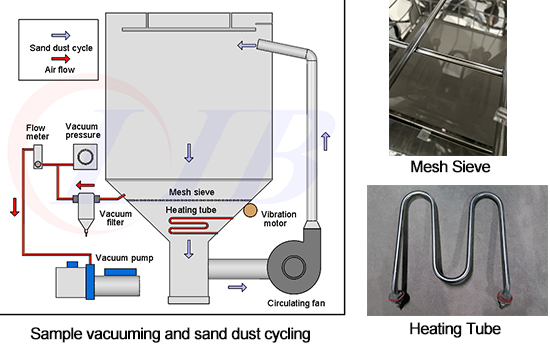 | Temperature Range | Ambient ~ +50℃ | |
Humidity Range | < 30% RH | ||
Normal Wire Diameter | 50um | ||
Nominal Width of a Gap Between wires | 75um | ||
lectromagnetic lock | Specimen Power Outlet | Dust-proof socket 16A | |
Heating Element | Nichrome heater | ||
Vacuum System | Equipped with a pressure gauge, air filter, pressure regulator, connecting tube | ||
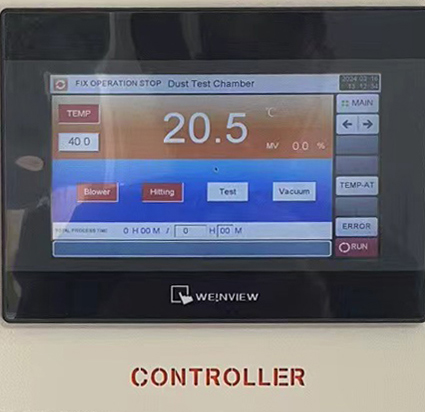 | Controller | Programmable color LCD touch screen controller,Ethernet connection, PC Link | |
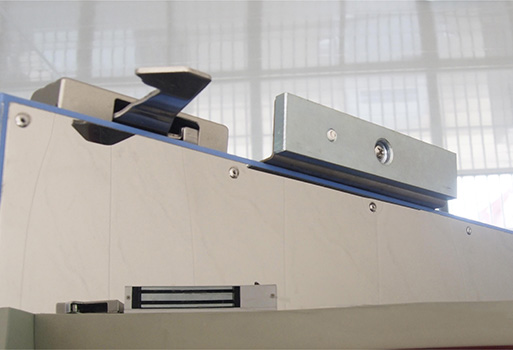
Door Lock | Electromagnetic lock | ||
Maximum Noise | 65 dBA | ||
Controlled dust concentration
Stable dust circulation
Adjustable airflow
Vacuum system for ingress testing
Programmable test cycles
Reliable safety interlocks
Durable internal construction
Support for live powered testing
Flexible chamber capacity for different specimen sizes
A well-designed Dust Test Chamber also allows better data comparison across different products and test cycles. That is important because environmental testing is not just about exposure. It is about repeatable engineering evidence.
A Dust Test Chamber is mainly used to evaluate whether products can resist dust intrusion, maintain sealing performance, and continue functioning correctly after exposure to controlled dust or sand conditions.
Yes. A Dust Test Chamber is widely used for a Sealing Integrity Test because it reveals whether dust can enter through weak seals, joints, cable ports, doors, and enclosure interfaces.
Not exactly. A Dustproof Test is a broader practical term, while a Dust Ingress Protection Test usually refers to testing against formal ingress protection requirements such as IP5X or IP6X. A Dust Test Chamber can support both.
A Blowing Sand and Dust Test is needed when products will be used in severe outdoor, desert, military, transport, or industrial environments where airflow and abrasive particles are major risks. A Dust Test Chamber configured for this purpose can simulate those harsher conditions.
A Dust Resistance Protection Test helps confirm that a product can maintain reliability, durability, and stable performance after repeated or extended dust exposure. It is especially useful for industrial and outdoor equipment.
For more details on LIB Dust Test Chambers and tailored environmental testing solutions, contact LIB Industry now.