Views: 0 Author: Site Editor Publish Time: 2026-05-21 Origin: Site


Product development scales rapidly from initial prototyping into high-volume mass production. This transition often triggers severe testing bottlenecks for engineering teams. Lab managers face intense pressure to eliminate these delays while maintaining rigorous quality standards.
The core dilemma lies in deciding whether to expand capacity using multiple standard reach-in units or investing heavily in a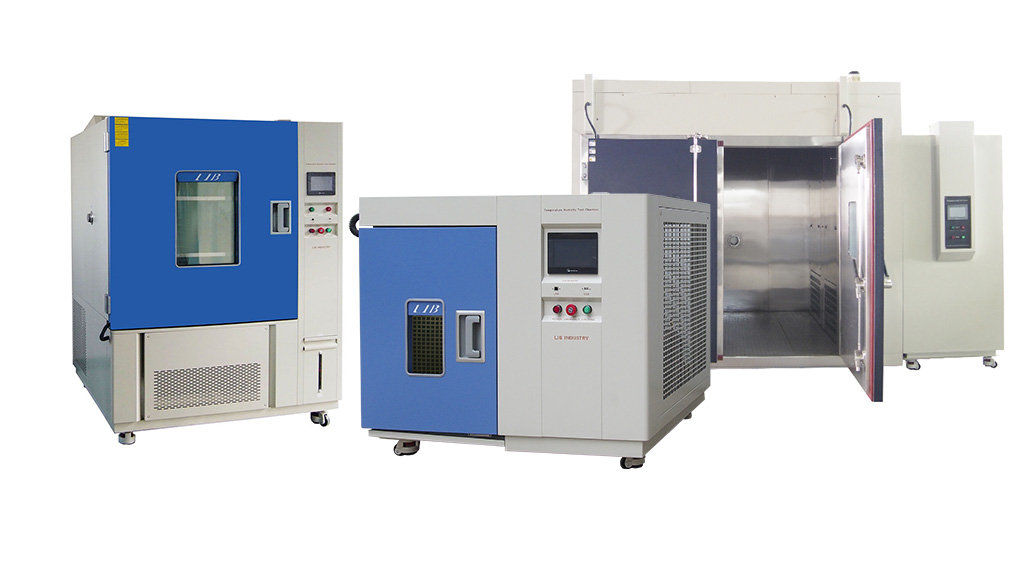 massive walk-in facility. Choosing the wrong form factor wastes valuable facility space and leaves teams lacking necessary utility infrastructure. It also creates critical roadblocks if large assemblies like automotive components or battery packs simply cannot fit inside.
Recently, a Swedish electronics company shared their feedback after using the LIB Environmental Test Chamber: “Hi Alice, the chamber is working fine. It is not used 100% so the wear and tear should be low. Thanks for the service and maintenance guide. Do you have any partners in Sweden that can do this for us?” This positive response reflects the stable performance and low-maintenance operation of the LIB chamber, highlighting its reliability in real laboratory conditions and its suitability for long-term industrial use.
This guide provides an objective, side-by-side evaluation of standard reach-in units versus walk-in chambers. We examine facility impact, performance limitations, and safety compliance requirements to help you choose the ideal system. You will gain a clear framework for aligning equipment specifications against your long-term testing demands.
1. Standard reach-in chambers offer superior temperature ramp rates, easier installation, and modular scalability for high-mix, low-volume testing.
2. Walk-in chambers are mandatory for massive Devices Under Test (DUTs) or bulk batch testing but require significant facility modifications, including dedicated utility drops and floor load assessments.
3. Performance realities differ: the larger air volume in walk-in chambers makes achieving rapid temperature extremes more energy-intensive and mechanically complex.
4. Testing volatile components (e.g., lithium-ion batteries) requires specialized safety integrations, often pushing buyers toward a Temperature Explosion Proof Environmental Test chamber regardless of the size category chosen.
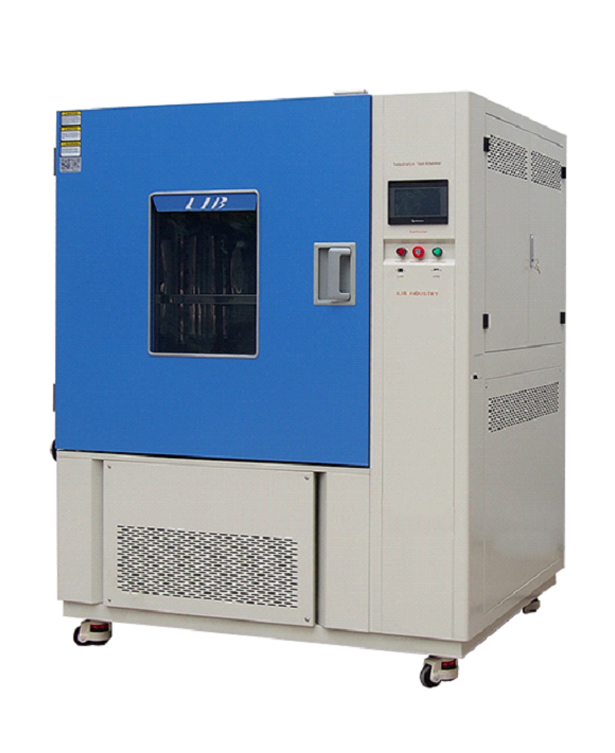
We need to clearly define the fundamental differences between our two primary form factors. A standard Environmental Test chamber operates as a highly self-contained testing system. Manufacturers build these units completely off-site. They arrive at your facility fully pre-assembled. You basically uncrate the machine, plug it in, and begin running test profiles immediately.
Internal volumes vary significantly. You can procure small benchtop models for micro-electronics. You can also source large standalone models exceeding 1,000 liters. They suit component-level validation perfectly. We highly recommend them for PCBs, complex sensors, and smaller mechanical sub-assemblies.
Walk-in Environmental Chamber enclosures function entirely differently. They represent massive, room-sized structural builds.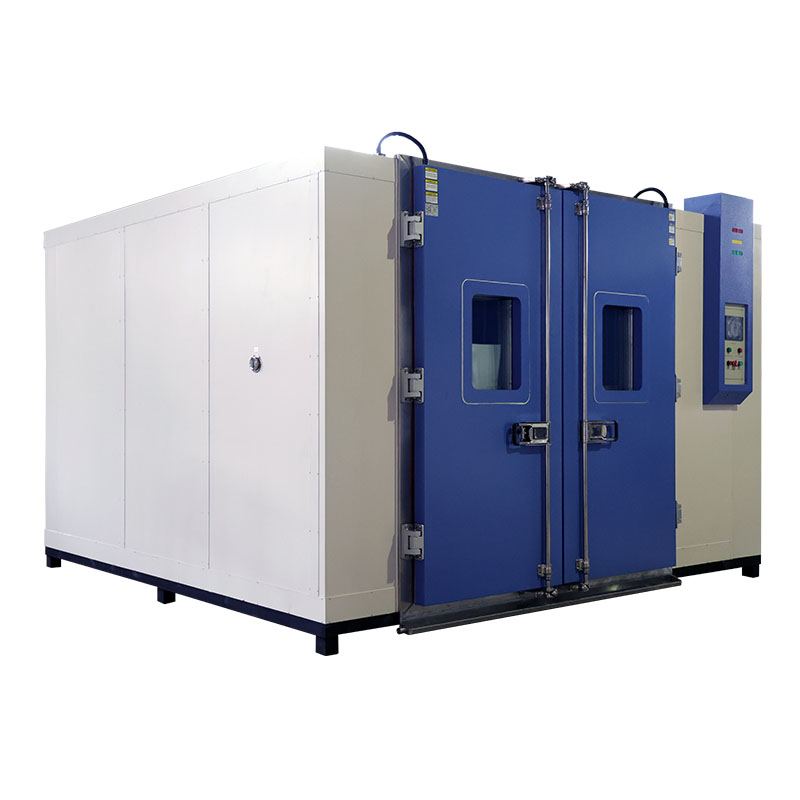 Technicians assemble them directly on-site. They typically use modular insulated polyurethane panels for standard environmental testing. Alternatively, engineers construct solid welded stainless-steel structures for extreme high-humidity or high-altitude testing.
Volumes scale drastically based on your specific operational requirements. You can build small walk-in closets for rack-mounted telecom servers. You can also construct massive drive-in bays for full electric vehicles. They handle massive thermal loads effortlessly. They support full-system validation and bulk batch processing simultaneously.
You must accurately measure your largest fully assembled product. We refer to this product as the Device Under Test (DUT). A very common mistake involves ignoring interior airflow requirements. Industry testing standards dictate a strict spatial volume ratio. The DUT should never occupy more than 50 percent of the interior chamber volume.
Restricted airflow causes uneven temperature distribution across the product. Dead zones form inside the cabinet. These dead zones invalidate your testing results completely. If your DUT exceeds this spatial ratio, you absolutely need a walk-in system.
Next, you must evaluate live loads carefully. Powered electronics generate significant heat while running. We call this active heat generation a live load. Walk-in facilities can house massive remote refrigeration plants externally. These robust cooling plants compensate for high live loads easily. Standard units inherently possess strict thermal dissipation limits. They rely on integrated, smaller onboard compressors. If your DUT produces severe active heat, a reach-in unit will fail to cool properly.
To accurately assess live thermal loads, follow these best-practice steps:
1. Calculate the maximum continuous power draw of your DUT in kilowatts.
2. Determine the duration of maximum heat output during the most aggressive test cycle.
3. Add a 20 percent safety margin to account for unexpected thermal spikes.
4. Compare this combined total against the chamber manufacturer's official cooling capacity curve.
Agility matters heavily in modern product validation. Standard models achieve rapid temperature transitions consistently. You can program rapid temperature shifts quite easily. Moving from 5°C to 15°C+ per minute represents a standard engineering capability. Smaller internal air volumes make this thermal agility possible. You consume far less energy while hitting strict military or aerospace testing standards.
Walk-in systems face a severe thermodynamic challenge. They contain an absolutely massive volume of air. They also possess substantial thermal mass inside the heavy structural wall panels. Conditioning this vast space demands significantly larger mechanical compressors. You must endure much longer temperature stabilization periods. Rapid thermal transitions become mechanically complex. They also become highly energy-intensive. If your test matrix requires aggressive thermal shock profiles, a room-sized build struggles to keep pace.
Ramp Rate Capability Chart
Chamber Type | Typical Ramp Rate | Energy Profile | Ideal Application |
|---|---|---|---|
Standard Reach-In | 5°C to 20°C+ per minute | Highly efficient for rapid cycling | Aerospace, automotive components, MIL-STD testing |
Modular Walk-In | 1°C to 3°C per minute | High sustained consumption | Bulk stability, telecom racks, pharma storage |
Welded Walk-In | 2°C to 5°C per minute | Extreme continuous power draw | Full vehicle validation, extreme high-humidity cycling |
 |  |  | |
|---|---|---|---|
 |  |  | |
| Name | Small temperature humidity chamber | Standing temperature humidity chamber | Walk-In temperature humidity chamber |
| Capacity | TH-50: 800x1050x950 mm TH-80: 900×1100×1000mm | Capacity: 100L; 225L; 500L; 800L; 1000L | >20m³ |
| Throughput | Ideal for small components, sensors, boards | Subassemblies or mid-volume batches | Bulk testing of items or vehicles as a whole |
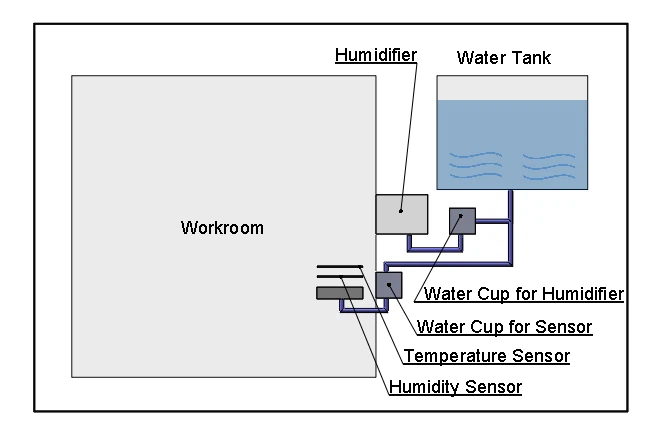
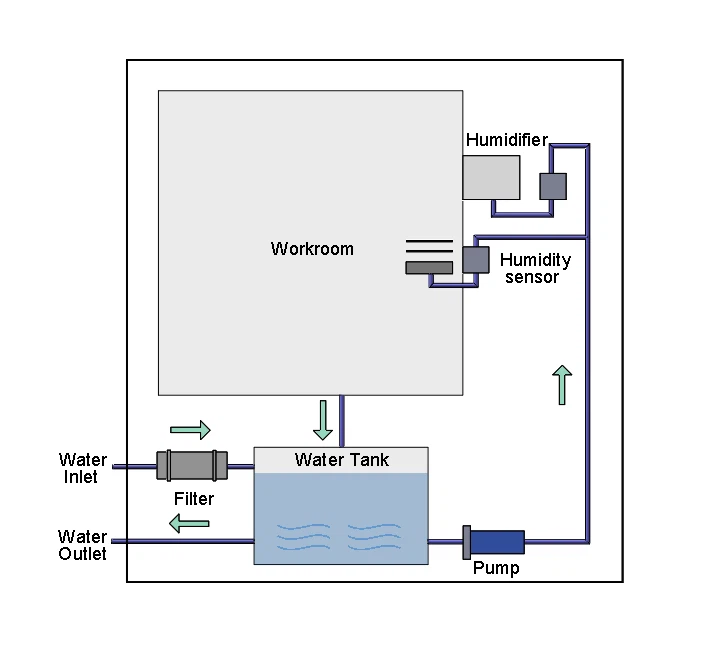
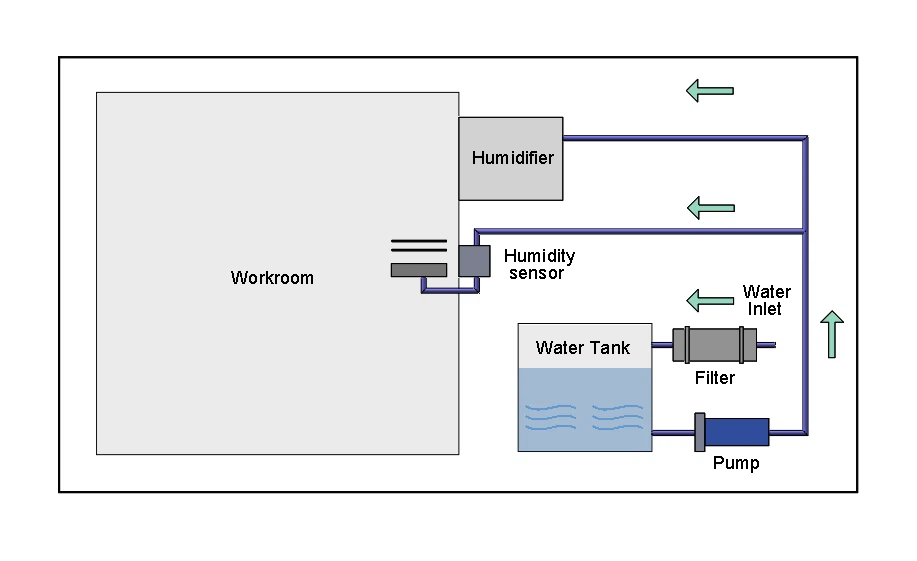
| Energy Saving | Automatic Moisture Circulation in Humidity System
| Automatic Moisture Circulation in Humidity System
| Automatic Moisture Circulation in Humidity System
|
| Operational Cost | Lowest | Medium | Highest |
| Standards Coverage | Full IEC / ISO / ASTM compliance | ||
Reach-in logistics remain incredibly simple. These systems often feature highly accessible plug-and-play designs. Water-cooled variants follow a similar plug-and-pipe installation methodology. You can usually maneuver them through standard laboratory double doors without issue. They simply require standard high-voltage electrical drops to begin testing operations.
Walk-in logistics demand rigorous facility preparation. You must execute a comprehensive structural site survey. The resulting installation footprint becomes entirely permanent. You must carefully assess the following facility elements:
a. Ceiling height clearances for external refrigeration top-mounts and ventilation ductwork.
b. Floor weight-bearing capacity for heavy drive-in DUTs, carts, and specialized machinery.
c. High-capacity chilled water loop access for continuous condenser cooling requirements.
d. Dedicated heavy-duty electrical panel installations to support massive amperage draws.
Acquiring a large custom walk-in unit involves deeply complex procurement cycles. The sheer physical scale dictates lengthy manufacturing lead times. Upgrading your facility often equals the equipment installation effort itself. You must scale up your building's primary HVAC system to handle rejected heat effectively. You need massive power routing upgrades across the lab floor. Structural floor reinforcements are frequently mandatory. In stark contrast, standard units arrive ready for immediate deployment. You avoid complex construction delays entirely.
 |  |
|
| Name | Walk-In Environmental Test Chamber | |
| Model | Walk-Ins | |
| Internal Dimension (mm) | As request | |
| Overall Dimension (mm) | As request | |
| Temperature Range (℃) | A: -20℃ ~+150 ℃ B:-40℃ ~+150 ℃ C:-70℃ ~+150 ℃ | |
| Humidity Range (R.H) | 20% ~ 98% RH |
Operational continuity defines modern lab success. If a single room-sized enclosure goes down, all testing halts completely. This single point of failure introduces severe project timeline risks. We strongly recommend a distributed fleet strategy wherever physical space permits.
Deploying multiple standard enclosures provides excellent built-in redundancy. If one unit requires immediate compressor maintenance, testing continues uninterrupted inside the others. This decentralized fleet approach maximizes overall lab throughput. You keep development schedules moving smoothly.
Testing facilities constantly change over time. Standard models offer unmatched physical mobility. You can easily relocate them across a lab floor using integrated heavy casters. You can even crate them and ship them to different corporate sites globally.
Welded room-sized builds act as permanent facility fixtures. You cannot move them once technicians weld them into place. Panelized modular models allow for future disassembly. However, tearing them down and rebuilding them elsewhere requires extreme mechanical effort and extended downtime.
Modern product development heavily features volatile materials. Engineers test high-density lithium-ion battery packs, munitions, and complex chemical compounds daily. Standard testing enclosures pose a severe physical hazard during these specific tests. If a violent thermal runaway event occurs, a standard unit offers zero containment protection. The resulting explosive pressure spike can easily destroy the entire lab facility.
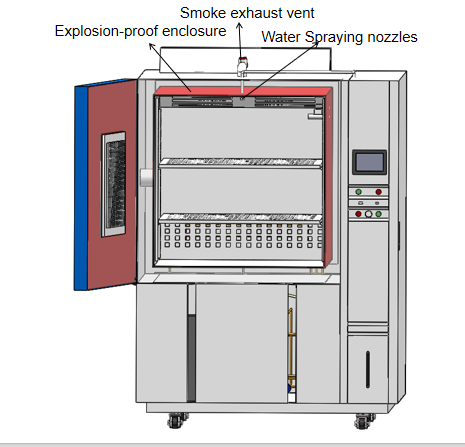
High-risk testing applications mandate specialized structural engineering. Lab managers must actively evaluate a Temperature Explosion Proof Environmental Test chamber. This strict engineering requirement applies regardless of the chosen size category. Battery testing standards implicitly require robust explosion mitigation frameworks. You simply cannot bypass these mandates regarding facility safety.
Explosion-proof units feature highly specific safety integrations. They include spark-resistant interior finishes to prevent accidental vapor ignition. Engineers install calibrated blow-off or burst ports on the exterior frame. These dedicated ports safely channel explosive internal pressure outward. Intrinsic safety barriers actively protect all sensitive electronic signals. Advanced gas detection sensors monitor the internal atmosphere continuously. Specialized fire suppression systems flood the workspace automatically during critical emergencies.
Deploying hazard-rated equipment requires strict regulatory alignment. You must secure rigorous local fire marshal approval before initiating any operation. These specialized chambers require direct physical integration into the building's primary exhaust infrastructure. You must also link them directly to central facility hazard alarm systems. Navigating these dense compliance steps requires significant project management bandwidth and clear communication.
Deciding on the correct form factor requires a realistic assessment of your daily testing routines.
a. You are testing electronic components, PCBs, or small-to-medium sub-assemblies.
b. Your specific testing matrix requires highly aggressive, rapid temperature cycling.
c. Facility floor space remains highly limited or highly contested.
d. You anticipate moving the lab infrastructure within the next 3 to 5 years.
e. You need critical redundancy to run multiple different test profiles simultaneously without schedule conflicts.
a. The assembled DUT cannot physically fit into a 1,000-liter enclosure. Examples include large solar panels, full server racks, and complete electric vehicles.
b. You run steady-state temperature and humidity stability testing on massive batches of product.
c. Your daily operations require loading equipment via heavy wooden pallets or industrial carts.
d. Your facility boasts the permanent footprint, power availability, and deep structural integrity to support heavy machinery indefinitely.
The final choice between a standard reach-in system and a massive walk-in unit requires careful operational balance. You must align your specific DUT size constraints, your required performance agility, and your baseline facility readiness.
Take the following actionable steps before issuing any formal requests for quotation:
a. Calculate your maximum continuous live thermal load mathematically before exploring any equipment options.
b. Define your exact required temperature ramp rates based on strict testing standards like MIL-STD-810 or IEC 60068.
c. Conduct a comprehensive preliminary facility audit to verify floor load capacities, door clearances, and electrical power availability.
d. Engage equipment vendors with these exact functional specifications. This prevents under-sizing critical equipment or triggering unexpected facility upgrade hurdles later.
A: Generally, no. The refrigeration plant, internal ductwork, and wall insulation thickness are specifically engineered for a defined performance baseline. Upgrading these capabilities later usually requires a complete mechanical rebuild. You must establish your most aggressive ramp rate requirements before initial fabrication to avoid permanent performance bottlenecks.
A: From a pure equipment footprint perspective, three standard units require similar setup efforts compared to a custom enclosure. However, the operational flexibility and built-in redundancy of multiple units often make them the better strategic choice. You can run multiple distinct test profiles simultaneously without creating a single point of failure.
A: Reach-in units follow standard preventative maintenance schedules. You perform basic compressor checks and simple door seal replacements. Room-sized units require much broader facility-level maintenance. This includes servicing external cooling towers, conducting extensive panel seal inspections, and performing ongoing load-bearing floor assessments to ensure structural integrity remains intact.
If you are planning to upgrade your environmental testing capability or need support selecting the right chamber size and configuration, contact LIB Industry today. Our engineering team can provide tailored solutions, technical consultation, and global service support to ensure your testing system matches your exact application requirements.