


Across many industries, products are frequently exposed to dust, sand, fibers, and other airborne particles during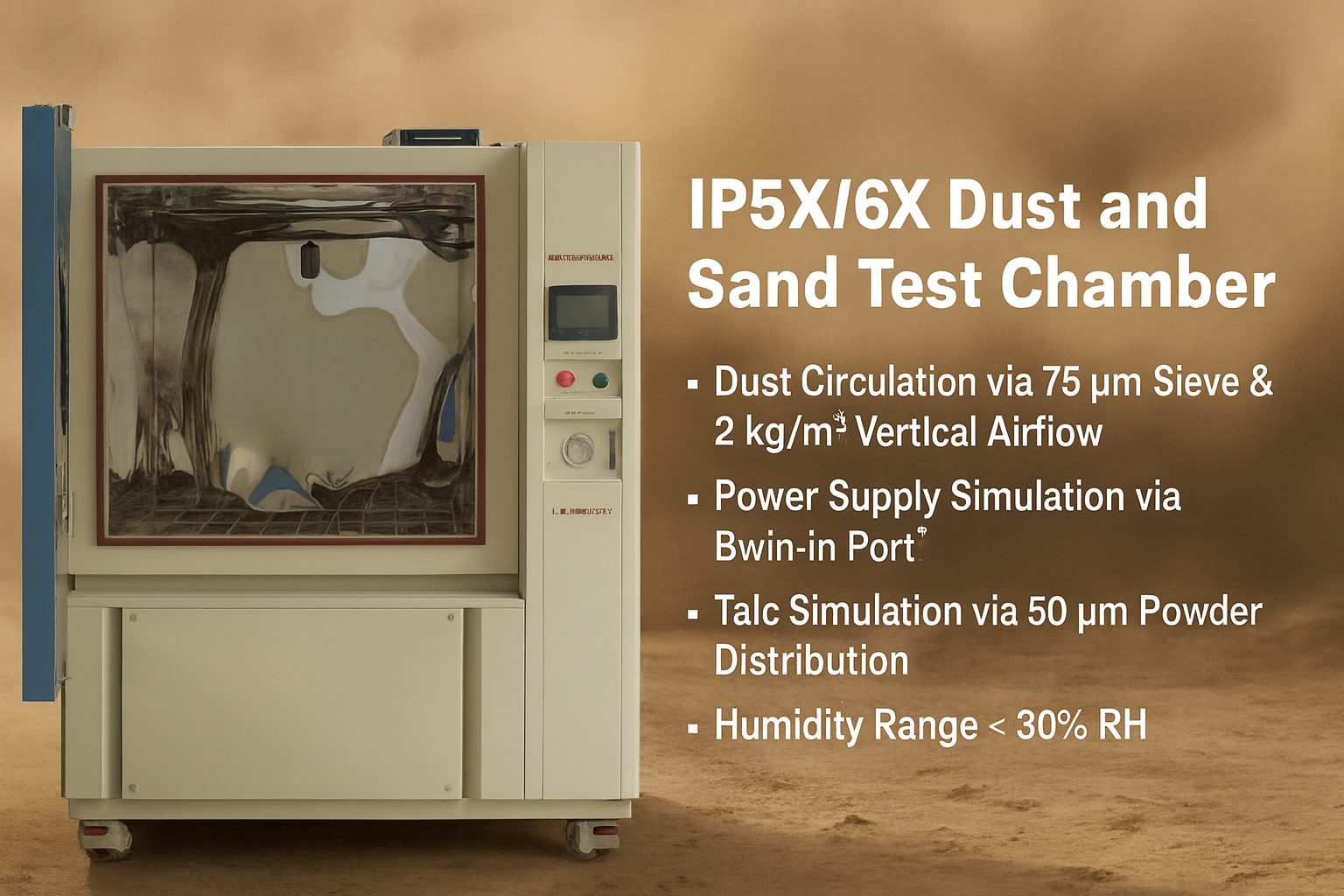 their lifecycle. Even minor dust intrusion can degrade performance, accelerate wear, cause electrical faults, and reduce overall reliability in applications such as automotive electronics, medical devices, aerospace systems, and industrial equipment.
Dust test chambers recreate these conditions in a controlled laboratory setting by generating and circulating standardized dust under defined test parameters. This allows manufacturers to simulate long-term exposure experienced during transport, storage, installation, or real-world operation.
Dust ingress testing helps engineers evaluate enclosure protection, verify sealing performance, identify weak points, and ensure compliance with relevant standards. By enabling repeatable and accelerated testing, it shortens development cycles and improves confidence in product durability.
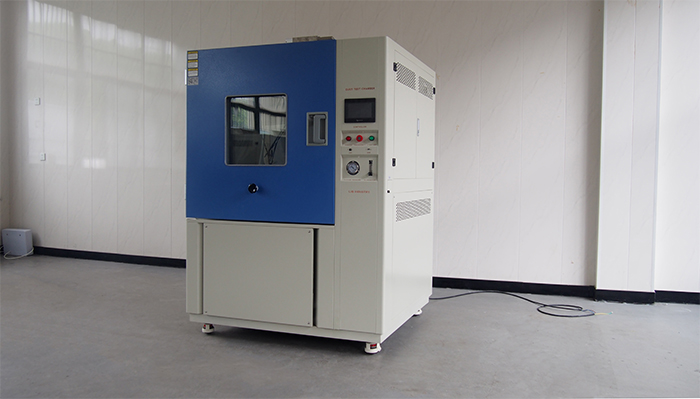
Dust chambers are specialized testing environments designed to simulate exposure to particulate matter. These chambers are used in a wide range of industries, including electronics, automotive, aerospace, and pharmaceutical, to evaluate the performance and durability of products in dusty conditions.
Innovative Features of Modern Dust Chambers
Modern dust test chambers are now designed with a variety of advanced technologies that significantly improve testing precision and overall performance:
● High-performance dust generation systems: Modern systems can simulate different types of dust by controlling particle size, morphology, and composition, enabling more accurate replication of real-world environments.
● Continuous monitoring and control: Integrated real-time monitoring allows operators to observe and adjust key environmental conditions during testing, helping maintain stable and repeatable results.
● Comprehensive data recording and analysis: Built-in software systems collect detailed test data and process it into meaningful insights, supporting evaluation of product durability and reliability.
● Multi-system integration capability: Dust chambers can work alongside other environmental testing equipment, such as vibration or temperature systems, to reproduce more complex and realistic operating conditions.
● Flexible configuration options: Many models offer adjustable and customizable settings, allowing users to design test conditions that match specific application requirements.
Together, these advancements make modern dust chambers highly adaptable and reliable tools, widely used across different industries for product validation and quality assurance.
The Evolution of Dust Chamber Technology
Dust chamber technology has evolved significantly alongside advancements in materials science, electronics, and intelligent control systems. In the early stages, these chambers primarily offered simple dust exposure functions, with limited precision in controlling environmental variables. As industrial standards and testing demands became more rigorous, the equipment gradually developed into more sophisticated systems capable of closely replicating real-world dusty conditions.
Modern dust chambers now feature highly controlled dust circulation systems, programmable test procedures, continuous monitoring, and automated data logging. These enhancements enable engineers to conduct tests with greater stability, accuracy, and repeatability across a wide range of applications. As a result, current systems are far more effective in assessing product sealing capability, long-term durability, and operational reliability in harsh particulate environments, while also supporting compliance with international testing standards.
Advanced Dust Generation and Control Mechanisms
Advanced dust generation and control systems form a core part of modern dust chamber technology, enabling highly accurate replication of diverse particulate environments. These systems allow engineers and researchers to create controlled dust conditions with improved consistency and realism. Common innovative approaches include:
● Aerosol-based generation systems: These systems disperse liquid or solid materials into a carrier gas to form fine particles, making it possible to produce dust with different sizes and material properties for various testing needs.
● Pneumatic feeding systems: Using compressed air, these feeders deliver and distribute dust particles evenly throughout the chamber, making them suitable for testing with larger quantities of particulate matter.
● Laser-induced breakdown spectroscopy (LIBS): This technique enables real-time identification and analysis of dust composition, supporting both research applications and quality assurance processes.
● Intelligent monitoring and feedback control: Modern control units continuously track key parameters such as dust concentration and particle distribution, automatically adjusting conditions to maintain stable and repeatable test environments.
Together, these technologies greatly enhance the precision and reliability of dust testing systems, allowing for more realistic environmental simulation and improved product evaluation.
Automation and Integration with Other Testing Equipment
AAutomation and system integration have become major directions in the advancement of modern dust chamber technology. By automating key processes such as dust dispersion, parameter adjustment, and data acquisition, these systems help improve operational efficiency while minimizing human-induced errors.
At the same time, dust chambers are increasingly designed to work in combination with other environmental testing equipment, including vibration systems and temperature or humidity chambers. This enables the simulation of more complex, real-world conditions in a single testing workflow. Such coordination can be achieved through either physical hardware connections or integrated software platforms, allowing for seamles
Understanding the Science of Dust Particles
Characterizing Dust for Testing Purposes
Proper dust characterization is a critical step in achieving reliable and meaningful test outcomes. Because dust particles differ greatly in size, morphology, chemical composition, and density, these variations can strongly influence how they interact with materials and products during testing.
A detailed understanding of dust properties enables engineers and researchers to choose suitable test conditions and evaluate results with greater accuracy. Commonly analyzed characteristics include particle size distribution, shape, chemical makeup, density, electrical charge, and the tendency of particles to form clusters or aggregates.
To obtain this information, a range of analytical methods is applied, such as microscopic examination, laser diffraction techniques, image-based particle analysis, chemical composition testing, and dynamic light scattering. Together, these approaches provide a comprehensive profile of dust behavior, supporting more precise and consistent testing processes.
The Role of Dust in Product Degradation
Dust can play a significant role in product degradation. Dust particles can act as abrasives, causing wear and tear on surfaces. They can also trap moisture, which can accelerate corrosion and other forms of degradation. Additionally, dust particles can interfere with the functionality of products, such as clogging filters or reducing the sensitivity of sensors. The type, size, and concentration of dust particles can all influence their impact on product degradation.
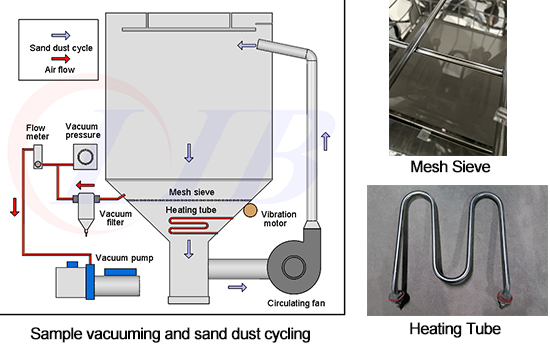 | Temperature Range | Ambient ~ +50℃ | |
Humidity Range | < 30% RH | ||
Normal Wire Diameter | 50um | ||
Nominal Width of a Gap Between wires | 75um | ||
lectromagnetic lock | Specimen Power Outlet | Dust-proof socket 16A | |
Heating Element | Nichrome heater | ||
Vacuum System | Equipped with a pressure gauge, air filter, pressure regulator, connecting tube | ||
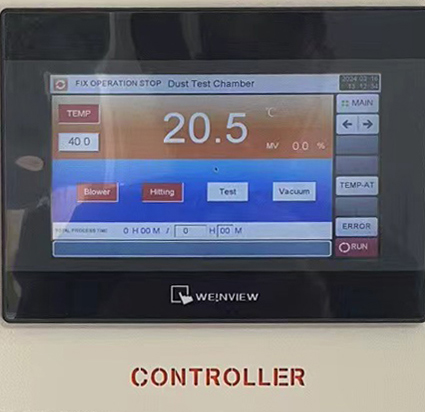 | Controller | Programmable color LCD touch screen controller,Ethernet connection, PC Link | |
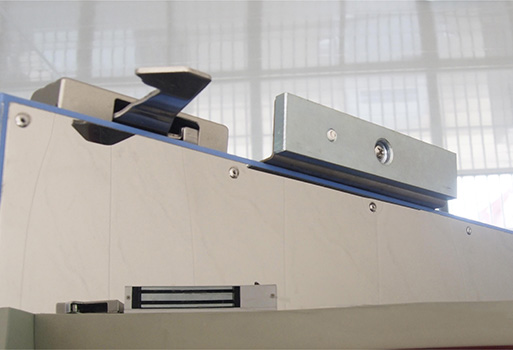
Door Lock | Electromagnetic lock | ||
Maximum Noise | 65 dBA | ||
The Business Impact of Dust Chamber Testing
Reducing Product Failures and Warranty Claims
Dust chambers play an important role in helping manufacturers minimize the risk of product failure by simulating dusty environments under controlled laboratory conditions. Through this type of testing, potential weaknesses in structural design, sealing performance, or material selection can be identified before products are launched.
By detecting these issues at an early stage, engineers are able to refine designs, select more suitable materials, and improve production processes to enhance overall durability and reliability.
Testing products under simulated dust exposure also provides valuable evidence of how they will perform in real operating environments over time. As a result, manufacturers can improve product quality and user satisfaction while reducing repair costs, return rates, and warranty expenses associated with dust-related damage.
Boosting Market Competitiveness Through Quality Assurance
Dust chambers contribute significantly to strengthening a company’s competitive advantage by improving product reliability and consistency. By reproducing realistic dusty conditions in a controlled setting, they enable manufacturers to detect design flaws and performance limitations early in the development process and implement necessary improvements.
Higher product quality achieved through this testing process often results in greater customer trust, stronger brand reputation, and fewer after-sales issues such as warranty claims. At the same time, dust testing helps companies verify that their products meet relevant industry standards and regulatory requirements, which further enhances credibility and supports differentiation in competitive markets.
Critical Considerations for Dust Chamber Operation
Optimal Setup and Calibration Techniques
Proper setup and calibration are essential for ensuring accurate and reliable results in dust chamber testing. Equipment selection, test chamber preparation, dust generation calibration, environmental control, and data logging are all critical factors to consider. By carefully addressing these aspects, researchers and engineers can create a controlled and consistent testing environment that yields meaningful and reliable data.
Maintaining Consistency and Reproducibility in Tests
To maintain consistency and reproducibility in dust chamber tests, it is essential to follow standard operating procedures (SOPs), conduct regular maintenance and calibration, provide operator training, implement quality control measures, and utilize appropriate data analysis techniques. These practices help ensure that testing conditions remain consistent, results are reliable, and any deviations from expected values can be identified and addressed.
Future Trends and Technological Advancements in Dust Chambers
Emerging Technologies and Innovations
Dust chamber technology is rapidly evolving, with innovative advancements enhancing testing capabilities and efficiency. Advanced materials are being used to improve durability, corrosion resistance, and energy efficiency. Nanotechnology is enabling the development of new dust generation techniques and more accurate dust particle characterization. Internet of Things (IoT) integration facilitates remote monitoring, control, and data analysis. Artificial intelligence (AI) is being leveraged to optimize testing parameters, analyze data, and predict equipment failures. These emerging trends are driving the future of dust chamber technology, offering greater precision, efficiency, and sustainability.
Sustainability in Dust Chamber Design and Operation
Sustainability is a growing concern in industrial operations. Dust chambers can contribute to sustainability by minimizing energy consumption through energy-efficient design, reducing waste by recycling and using fewer disposable items, mitigating environmental impact by considering emissions and waste disposal, and conducting lifecycle assessments to evaluate overall environmental and economic effects. These measures promote responsible and sustainable practices in dust chamber technology.
Dust chambers are essential tools for testing the performance and durability of products in dusty environments. By providing a controlled and reproducible testing environment, dust chambers help manufacturers assess the impact of dust on product reliability, identify potential weaknesses, and take corrective actions to improve product quality.
As dust chamber technology continues to evolve, we can expect to see further advancements in terms of accuracy, efficiency, and sustainability. By embracing these innovations, researchers and engineers can continue to make significant contributions to the development of products that are better equipped to withstand the challenges posed by dusty environments.
Choose LIB Industry today to discuss your application requirements, request technical specifications, or receive a customized dust chamber solution tailored to your industry standards and testing goals.


