


Corrosion caused by salt-laden environments is one of the most critical challenges affecting the durability, safety, and service life of materials and components. From coastal infrastructure to automotive, aerospace, and marine applications, exposure to salt spray can rapidly accelerate material degradation if protective coatings and designs are insufficient. Salt fog chambers play a vital role in simulating these harsh environments under controlled laboratory conditions, allowing manufacturers to evaluate corrosion resistance, validate material selection, and ensure compliance with international quality and safety standards. Understanding the design, functionality, applications, and maintenance considerations of salt fog chambers is essential for achieving reliable and repeatable corrosion testing results.
Exploring Salt Fog Chambers: Product Features and Specifications
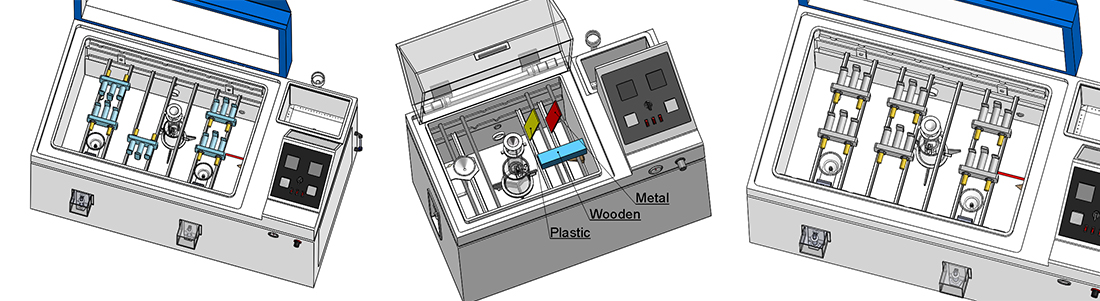
Understanding the Components That Make Up a Salt Fog Chamber
A salt fog chamber, also known as a salt spray test chamber, is a specialized piece of equipment used to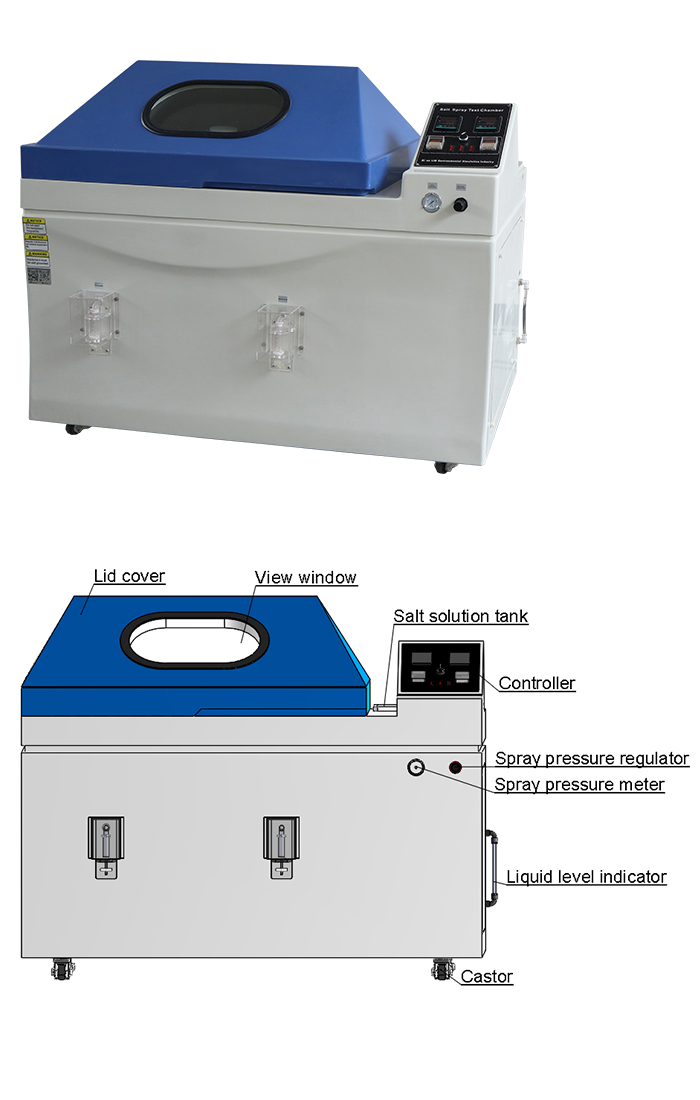 simulate the corrosive effects of salt spray on materials and coatings.
It consists of several key components working together to create a controlled environment for testing.
Main Components
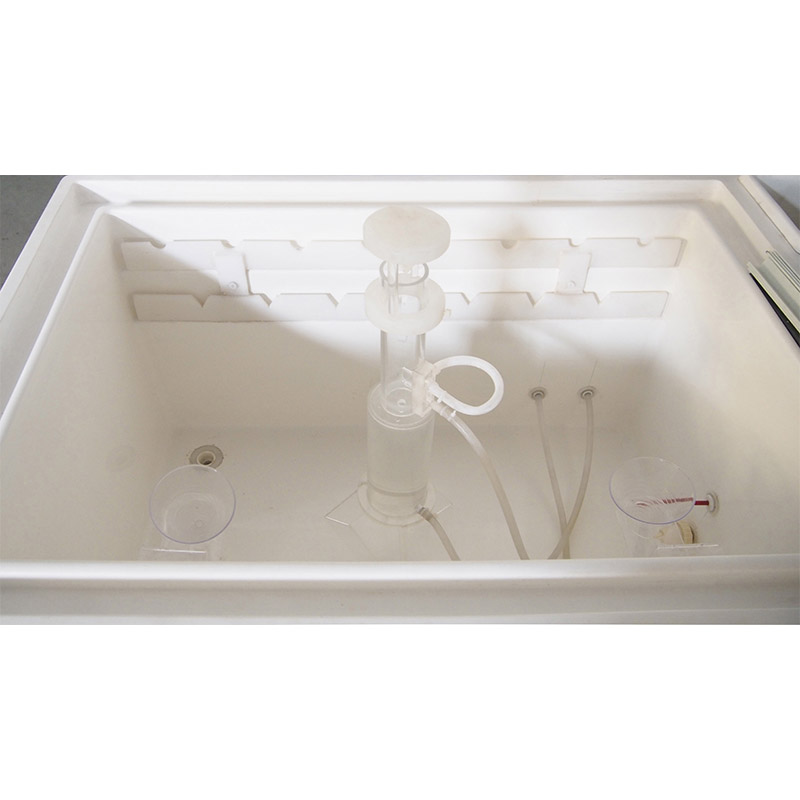
Chamber: This is the enclosed space where the test specimens are placed. It's typically made of corrosion-resistant materials Glass fiber reinforced plastics.
Spray System: This system atomizes the salt solution into a fine mist that is dispersed throughout the chamber. It includes a salt solution tank, a pump, and nozzles.
Heating System: Maintains the required temperature within the chamber. This is crucial for the salt solution to evaporate correctly and create the desired fog conditions.
Air Supply and Humidification System: Provides a constant supply of air to the chamber and controls the humidity level.
Control System: This electronic system regulates the temperature, humidity, and spray rate. It also monitors and displays the chamber conditions.
Specimen Racks: These are used to hold the test specimens in the chamber. They are often made of corrosion-resistant materials.

Key Design Features That Enhance Testing Precision and Reliability
To ensure accurate and reliable test results, a salt fog chamber must incorporate several critical design features:
Chamber Construction and Materials
The chamber and its components must be constructed from highly corrosion-resistant materials Glass fiber reinforced plastics to withstand the aggressive testing environment. The chamber's interior dimensions should be carefully designed to ensure the salt fog is evenly distributed throughout the test area, providing consistent exposure to all specimens. Proper sealing is crucial to prevent external contaminants from interfering with the test environment, guaranteeing accurate and reliable results.
Spray System
The spray system is a critical component of the salt fog chamber. The nozzles should produce a fine and consistent mist to ensure even coverage of the test specimens. A reliable pump with sufficient capacity is essential for maintaining a consistent fog density throughout the test. Additionally, a filtration system should be integrated to remove impurities from the salt solution, preventing nozzle clogs and guaranteeing accurate test results.
Temperature and Humidity Control
Precise temperature control is essential for accurate salt fog generation. The ability to regulate humidity levels within the chamber is equally important to simulate various environmental conditions. High-precision sensors are necessary to accurately monitor both temperature and humidity levels, ensuring reliable and consistent test conditions.
Control System
Advanced microprocessor-based control systems are essential for precise regulation of test parameters. The ability to record test conditions and parameters through data logging is crucial for comprehensive data analysis and traceability. Audible and visual alarms should be implemented to alert operators of any deviations from the set parameters, ensuring test integrity and operator safety.
Specimen Racking
Specimen racks should be adjustable to accommodate a variety of specimen sizes and shapes for versatile testing. It is crucial that the racks are made from non-corrosive materials to prevent any interference with the test results and ensure accurate data collection.
Material and Construction Considerations for Longevity and Durability
● Regular maintenance: Implement a comprehensive maintenance schedule to inspect for signs of wear, corrosion, or damage.
● Ventilation: Ensure adequate ventilation to remove corrosive fumes and maintain a safe working environment.
● Overload protection: Incorporate safety features like overload protection for electrical components.
By carefully considering these factors, you can significantly extend the lifespan of your salt fog chamber and maintain its performance over time.
Robust Workroom | Salt Fog Deposition | 1~2ml / 80cm2 · h | ||
Spray Type | Continuous / Periodic | |||
Heating Element | Nichrome heater | |||
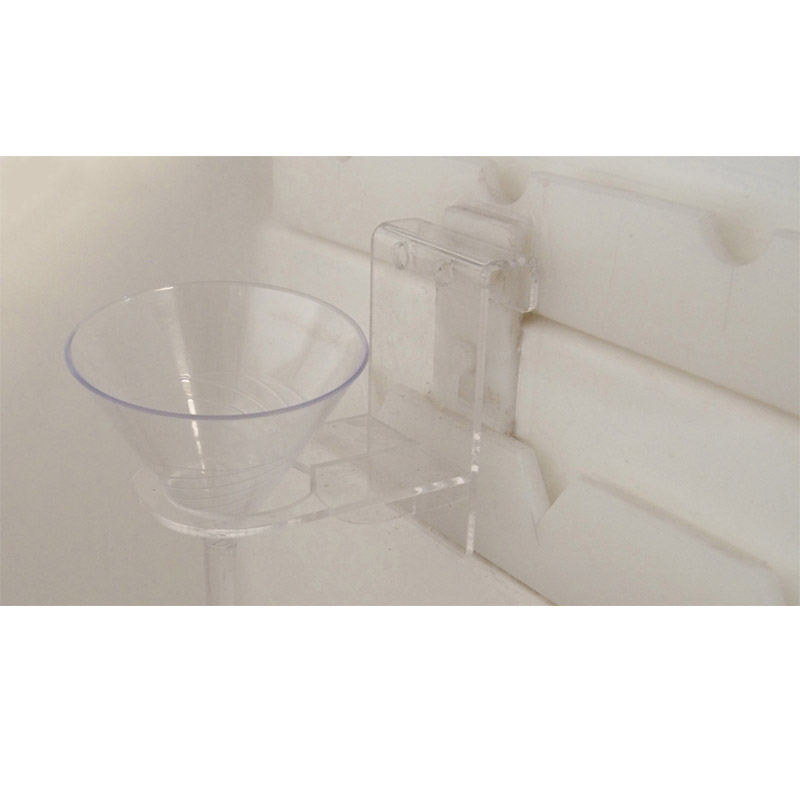
Salt Fog Collected | Fog collector and fog measure cylinder | |||
Salt Fog collector | Controller | PID controller | ||
Material | Glass fiber reinforced plastics | |||
Standard Configuration | 8 round bars and 7 V-shaped grooves | |||
Benefits and Uses of Salt Fog Chambers in Industry
Ensuring Compliance with International Quality and Safety Standards
Adherence to international quality and safety standards is crucial for salt fog chamber manufacturers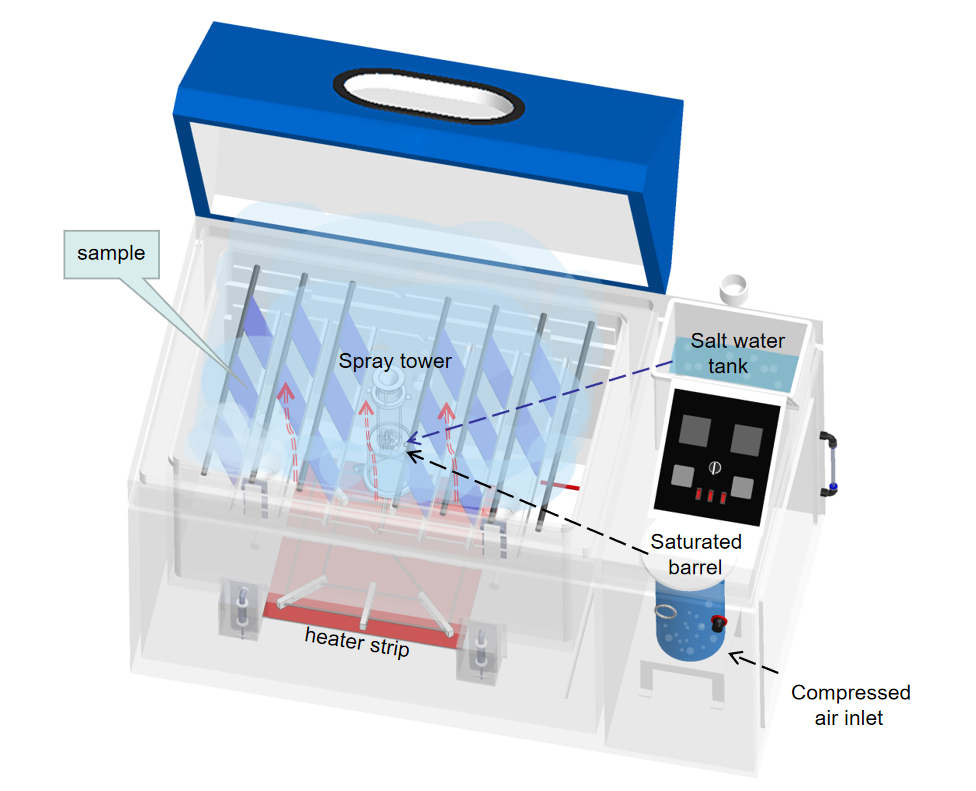 and users. ISO 9001 provides a framework for quality management, ensuring customer satisfaction through effective design, development, production, installation, and service. IEC standards guarantee product safety and compatibility for electrical components, while regional safety standards like OSHA protect operators and the environment. CE marking is essential for products sold within the EEA, certifying compliance with health, safety, and environmental regulations. Regular calibration and traceability of measuring instruments, thorough risk assessments, comprehensive documentation, and consistent auditing are vital to maintain compliance and identify areas for improvement.
Applications Across Automotive, Aerospace, and Marine Industries
Salt fog chambers are indispensable tools for evaluating the corrosion resistance of materials and coatings in industries exposed to harsh environments.
Automotive Industry
In the automotive sector, salt fog chambers are crucial for assessing the durability of components subjected to winter road conditions, coastal climates, and other corrosive environments. Components such as:
● Exterior body panels
● Underbody components
● Exhaust systems
● Fasteners
● Electrical components
are subjected to salt spray testing to ensure their longevity and performance.
Aerospace Industry
The aerospace industry relies on salt fog testing to evaluate the corrosion resistance of aircraft components exposed to various atmospheric conditions, including:
● Aircraft skin
● Landing gear
● Engine components
● Fasteners
This testing helps in selecting suitable materials and coatings to protect aircraft from corrosion and ensure their safety.
Marine Industry
The marine environment is highly corrosive due to saltwater exposure. Salt fog chambers are extensively used to test the durability of:
● Hulls and superstructures
● Marine hardware
● Propellers
● Underwater equipment
By simulating harsh marine conditions, manufacturers can assess the effectiveness of protective coatings and materials used in marine applications.
In all three industries, salt fog testing plays a vital role in product development, quality control, and ensuring the long-term performance and reliability of components.
Enhancing Product Durability Through Rigorous Corrosion Testing
Corrosion is a silent adversary that can significantly impact product lifespan and performance. Rigorous corrosion testing is essential for identifying vulnerabilities and developing robust solutions. By subjecting materials and coatings to accelerated corrosion conditions, manufacturers can gain valuable insights into their products' durability and make necessary improvements.
Maintenance Requirements
Regular Cleaning and Upkeep to Prevent Chamber Corrosion
The corrosive nature of the salt spray environment necessitates meticulous cleaning and maintenance of the salt fog chamber to prevent its own deterioration and ensure accurate test results.
Key Maintenance Tasks:
● Post-Test Cleaning: After each test cycle, remove all test specimens and debris from the chamber. Clean the interior thoroughly with a suitable detergent and water solution, paying close attention to the spray nozzles, heating elements, and other critical components.
● Salt Solution Management: Regularly inspect and clean the salt solution tank to remove sediment and prevent contamination. Filter the salt solution to remove impurities that can clog nozzles and impact test results.
● Component Inspection: Conduct routine inspections of seals, gaskets, and other components for signs of wear, damage, or corrosion. Replace worn or damaged parts promptly.
● Ventilation: Ensure proper ventilation to remove corrosive fumes and prevent condensation buildup within the chamber.
● Calibration: Regularly calibrate temperature, humidity, and spray rate sensors to maintain accuracy and reliability.
Cost and Time-Intensive Maintenance Procedures
While regular cleaning and maintenance are essential for salt fog chamber longevity, some procedures can be particularly costly and time-consuming.
Major Maintenance Tasks:
● Chamber Replacement: If the chamber suffers significant corrosion or structural damage, replacement can be extremely expensive and time-consuming.
● Spray System Overhaul: Replacing worn-out pumps, nozzles, and tubing can be costly, especially for high-capacity chambers.
● Heating and Cooling System Repairs: Issues with heating or cooling systems can require specialized technicians and replacement parts, leading to increased costs and downtime.
● Control System Upgrades: As technology evolves, upgrading control systems can be necessary to maintain accuracy and reliability. This often involves significant investments in hardware and software.
● Calibration and Validation: Ensuring the chamber's accuracy through regular calibration and validation processes can be time-consuming, especially for chambers with multiple parameters to monitor.
Cost Reduction Strategies:
● Preventive Maintenance: Regular inspections and cleaning can help identify potential issues before they escalate into major problems.
● Quality Components: Investing in high-quality components initially can reduce the frequency of replacements and repairs.
● Trained Personnel: Well-trained staff can perform maintenance tasks efficiently, minimizing downtime.
● Maintenance Contracts: Consider outsourcing maintenance to specialized service providers for potential cost savings and expertise.
● Cost-Benefit Analysis: Evaluate the cost-effectiveness of maintenance procedures and prioritize tasks based on their impact on chamber performance.
By implementing these strategies, you can help mitigate the costs and time associated with salt fog chamber maintenance while ensuring the equipment's continued reliability.
Cost Considerations
High Initial Investment and Ongoing Operational Expenses
Salt fog chambers represent a significant investment for organizations. The initial purchase cost encompasses:
● Chamber construction: High-quality materials, precise engineering, and advanced control systems contribute to the overall price.
● Installation: Specialized equipment and labor are often required for proper installation and integration into existing facilities.
● Auxiliary equipment: Components such as compressors, pumps, and filtration systems add to the initial outlay.
● Calibration and validation: Ensuring the chamber's accuracy and compliance with standards involves additional costs.
Ongoing operational expenses include:
● Utilities: Electricity, water, and waste disposal costs associated with chamber operation.
● Maintenance: Regular cleaning, component replacement, and calibration require ongoing expenditure.
● Consumables: Salt solution, cleaning agents, and other supplies contribute to operational costs.
● Personnel: Trained operators and maintenance staff are essential for chamber operation.
● Calibration and validation: Periodic recalibration and validation add to operational expenses.
To mitigate these costs, organizations often consider factors such as chamber utilization, maintenance schedules, and energy efficiency.
Expense of Maintaining Consistent Testing Conditions
Maintaining consistent testing conditions in a salt fog chamber is crucial for accurate and reproducible results.
However, it comes with associated costs:
● Salt solution: The continual need for fresh salt solution contributes to operational expenses.
● Energy consumption: Maintaining precise temperature and humidity levels requires consistent energy input.
● Equipment maintenance: Regular cleaning, calibration, and component replacement are necessary to ensure optimal performance.
● Labor costs: Personnel are needed to operate the chamber, monitor conditions, and perform maintenance tasks.
● Calibration and validation: Periodic checks to verify the chamber's accuracy and compliance with standards incur costs.
Salt fog chambers are indispensable tools for assessing corrosion resistance in various industries, but they demand significant investment and ongoing care. Initial costs encompass equipment, installation, and calibration, while operational expenses include utilities, maintenance, labor, and consumables. Maintaining consistent testing conditions is crucial for accurate results and requires diligent management of factors like salt solution, energy consumption, and equipment upkeep. While these challenges exist, the benefits in terms of product durability and reliability often justify the investment, making salt fog chambers essential for quality assurance and product development.


