


In today's competitive market, reliable testing is critical for ensuring product quality, safety, and performance. From large-scale assessments to precise environmental simulations, advanced testing solutions enable organizations to make data-driven decisions, optimize processes, and deliver superior results across industries such as pharmaceuticals, automotive, aerospace, and electronics. Leveraging innovative equipment and sustainable practices, businesses can enhance efficiency, reduce costs, and maintain compliance with industry standards.
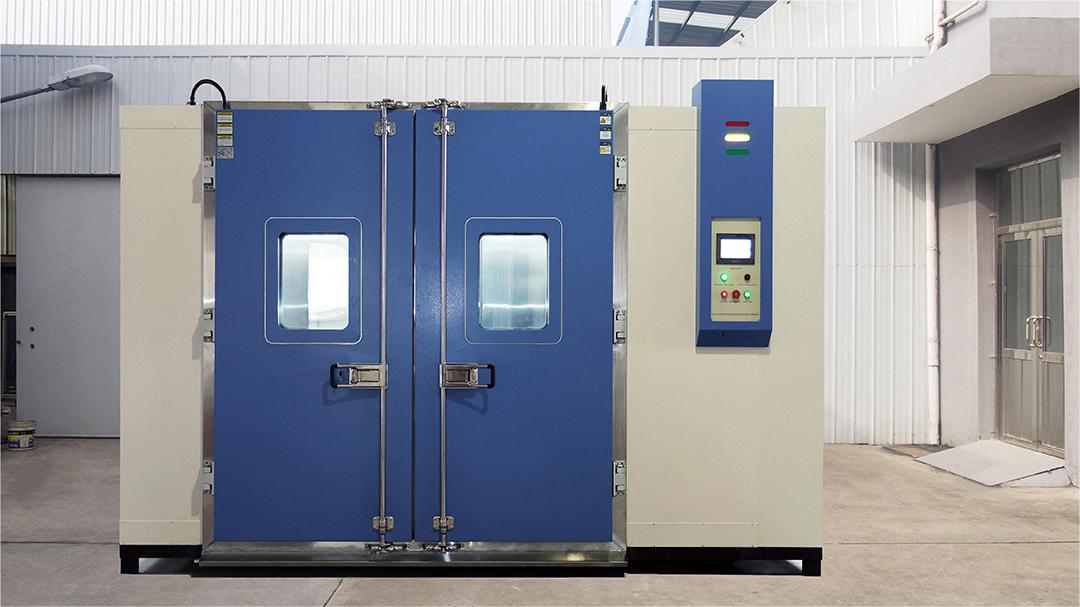
LIB Walk-In Chambers provide spacious, controlled environments for testing large products or multiple samples simultaneously. With precise temperature, humidity, and pressure controls, they ensure consistent and realistic test results, supporting stability testing, quality assurance, and accelerated product development. Equipped with advanced monitoring, programmable features, and safety systems, LIB Walk-In Chambers streamline operations, improve data accuracy, and help organizations meet industry standards efficiently.
Unlocking the Potential of Large-Scale Testing
Large-scale testing plays an important role in improving performance, quality control, and long-term development across
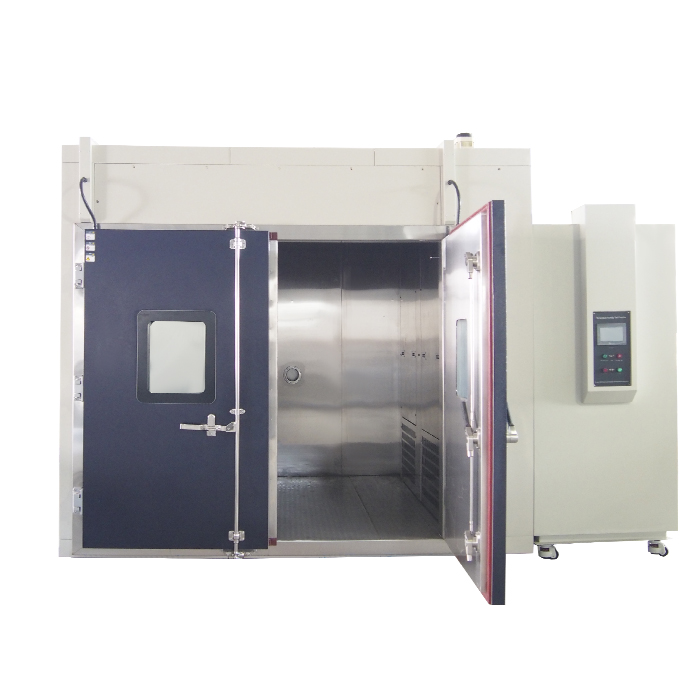 many industries. By collecting and analyzing large volumes of data, organizations can make more accurate and evidence-based decisions. This process helps identify product weaknesses, operational risks, and opportunities for improvement while also allowing companies to measure performance against industry requirements and international standards.
When properly implemented, large-scale testing supports better monitoring, stronger consistency, and more reliable evaluation results. To achieve effective outcomes, organizations need clear testing objectives, scientifically designed procedures, accurate data collection systems, and standardized management processes. Factors such as operational efficiency, personnel training, data reliability, and continuous optimization are also critical for maintaining testing accuracy and long-term value.
Although challenges such as testing costs, equipment maintenance, and data complexity may arise, modern technologies are creating new opportunities for more efficient and intelligent testing solutions. Advanced automation systems, digital monitoring, and data analysis tools now allow laboratories and manufacturers to obtain faster, more detailed, and more reliable insights than before. With proper planning and continuous improvement, large-scale testing can significantly enhance product reliability, quality assurance, and overall operational performance across industries such as manufacturing, healthcare, environmental testing, transportation, and public services.
The Advantages of Walk-In Chambers
Walk-in chambers are widely used in environmental testing because they provide a large testing space and highly stable
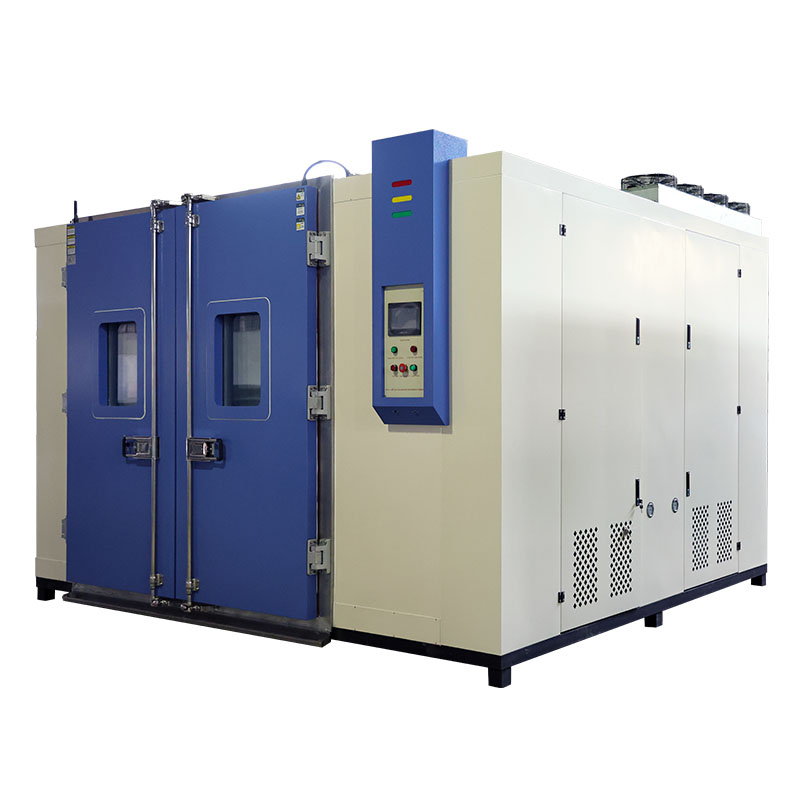
environmental control for oversized products or bulk sample testing. Their spacious interior allows operators to test complete assemblies, large equipment, or multiple samples at the same time, improving laboratory efficiency and reducing the need for repeated individual testing procedures.
One of the major advantages of walk-in chambers is their ability to maintain uniform temperature, humidity, and other environmental conditions throughout the entire workspace. Stable airflow circulation and precise control systems help ensure that every sample experiences consistent testing conditions, which improves the accuracy and repeatability of test results. This makes the chambers highly suitable for long-duration reliability testing and accelerated environmental simulation.
Modern walk-in chambers are also equipped with intelligent control systems that support programmable test cycles, real-time monitoring, automatic alarms, and data recording. These functions help laboratories simulate complex environmental conditions more effectively while reducing manual operation and improving testing reliability.
Because of their flexibility and large capacity, walk-in chambers are commonly used in industries such as pharmaceuticals, electronics, automotive, aerospace, energy storage, food processing, and material research. They are frequently applied for stability testing, product validation, quality assurance, environmental stress screening, and durability evaluation under controlled laboratory conditions.
Key Benefits for Your Testing Needs
● Large Testing Capacity
The spacious internal design allows testing of oversized equipment, complete assemblies, or multiple samples simultaneously, improving laboratory productivity and reducing repeated test setups.
● Stable And Accurate Environmental Simulation
Advanced control systems maintain highly uniform temperature, humidity, and airflow conditions, helping ensure dependable and repeatable testing performance.
● Higher Testing Efficiency
By testing multiple products in one chamber cycle, laboratories can shorten testing time, improve workflow efficiency, and reduce operational workload.
● Wide Environmental Simulation Range
Walk-in chambers can reproduce various environmental conditions including high temperature, low temperature, humidity, thermal cycling, and other complex climate conditions for comprehensive reliability evaluation.
● Reliable And Repeatable Data
Precise parameter control minimizes environmental fluctuations during testing, improving the consistency and accuracy of test data for long-term evaluation.
● Faster Product Validation
Manufacturers can quickly identify material weaknesses, structural problems, or performance limitations during early development stages, helping shorten product development cycles.
● Reduced Operational Costs
Large-capacity testing and stable operation help lower testing expenses, reduce product failure risks, and optimize laboratory resource utilization.
● Compliance With International Standards
Walk-in chambers support environmental testing according to industry standards such as IEC, ASTM, ISO, MIL-STD, and other global testing specifications required for product certification and quality assurance.
Selecting the Ideal Walk-In Chamber
Choosing the right walk-in chamber is crucial for accurate and efficient testing. Here are key factors to consider:
1. Test Requirements
● Temperature Range: Define the minimum and maximum temperatures needed.
● Humidity Range: Specify the required humidity levels.
● Test Duration: Determine the length of test cycles.
● Load Capacity: Calculate the size and weight of items to be tested.
● Specific Conditions: Consider any additional factors like light exposure, vibration, or altitude.
2. Chamber Size and Capacity
● Product Dimensions: Ensure the chamber can accommodate your products.
● Load Quantity: Determine the number of items to be tested simultaneously.
● Space Availability: Assess the available area for chamber installation.
3. Temperature and Humidity Uniformity
● Precision: Verify the chamber's ability to maintain consistent conditions.
● Recovery Time: Evaluate how quickly the chamber returns to set points after door openings.
4. Chamber Construction
● Materials: Choose materials suitable for your test environment (e.g., stainless steel for corrosive substances).
● Insulation: Ensure adequate insulation for energy efficiency and temperature control.
● Door Seals: Verify the quality of door seals to prevent air leakage.
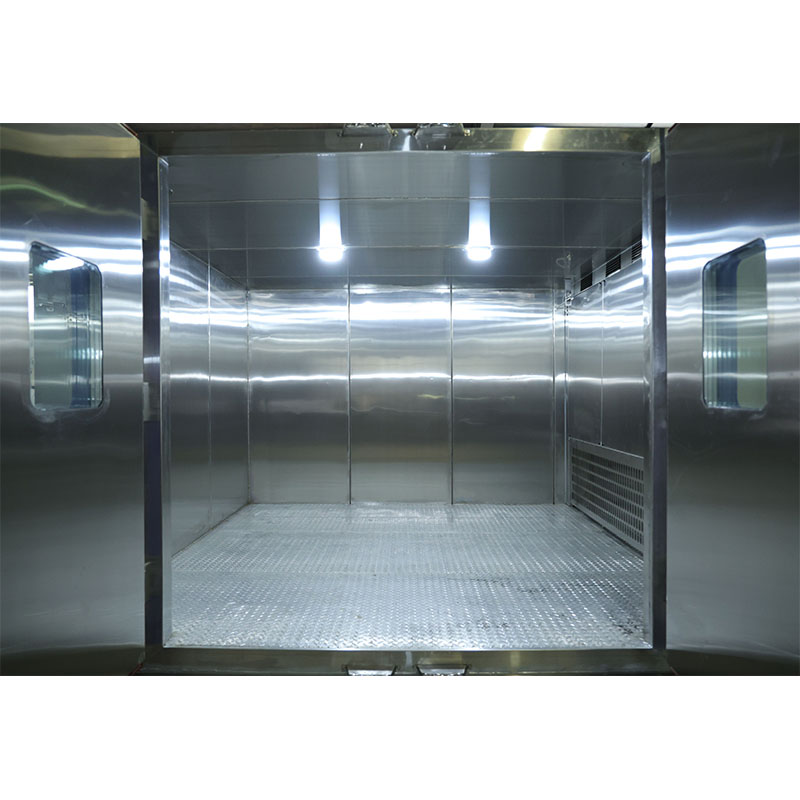
| Roomy and Resilient Interior The chamber's interior is crafted from SUS304 stainless steel, offering a sleek, easy-to-clean surface and practical space for arranging samples. Its wide, open layout accommodates sizable specimens, combining ample capacity with sturdy construction for long-term reliability. |
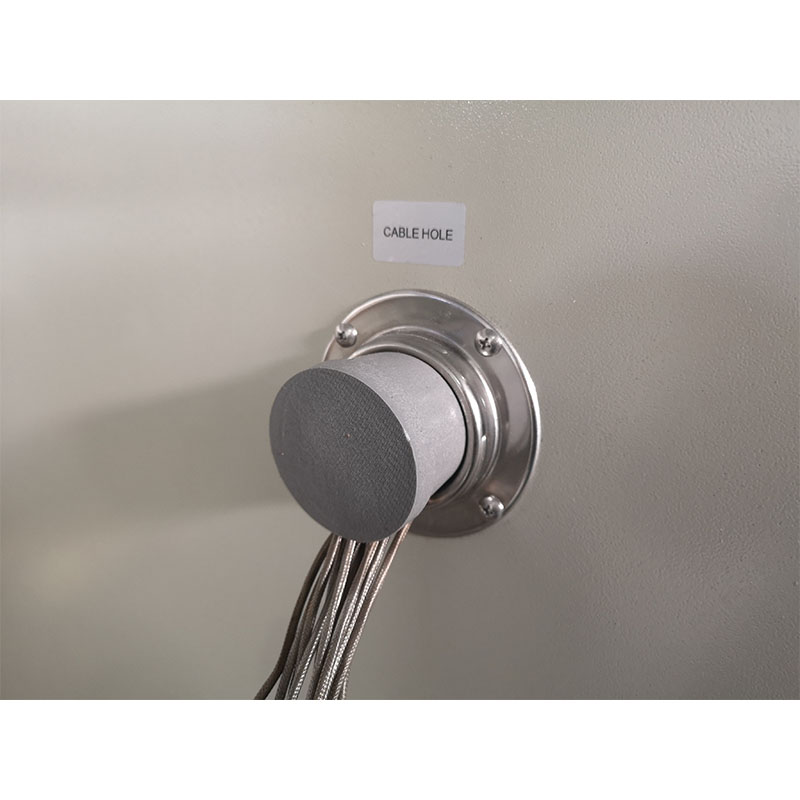
Adjustable Cable Hole Features a standard 50 mm cable opening, with optional diameters available, enabling secure connections for power or signal lines to test specimens. A heat-resistant silicone stopper ensures a snug seal, preserving the chamber's airtight integrity and preventing leaks. |
|
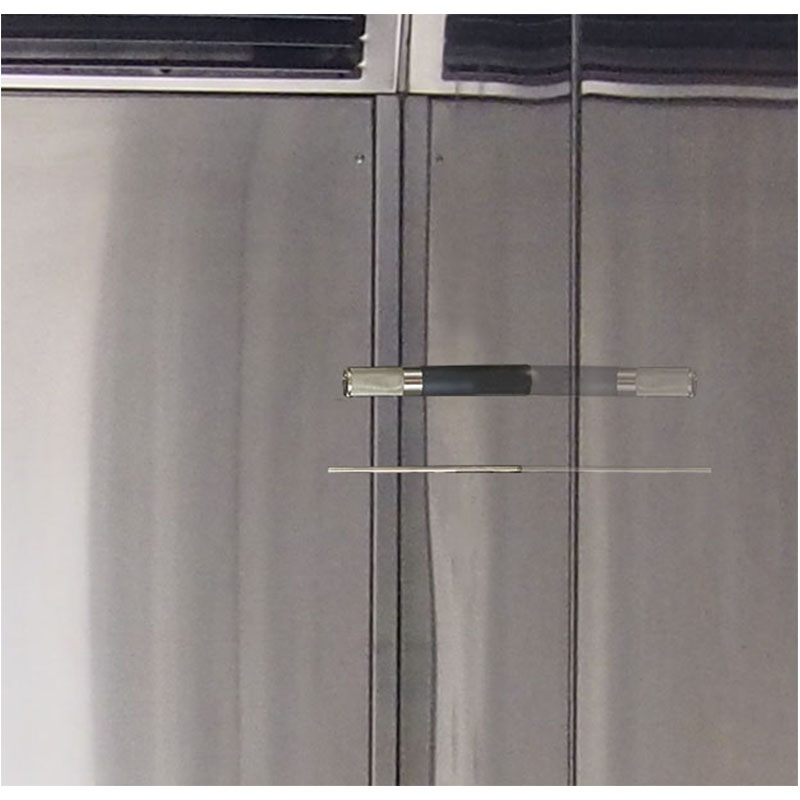
| Precision Temperature Regulation Equipped with a PT-100 Class A sensor offering 0.001 °C resolution and a PID-controlled touchscreen, the chamber delivers highly stable temperature performance. It maintains consistency within ±0.5 °C and limits deviations to ±2 °C, even during prolonged high-temperature cycles. |
5. Control System
● Accuracy: Check the precision of temperature and humidity controls.
● User Interface: Evaluate the ease of use and programming capabilities.
● Data Logging: Determine if data logging features are necessary.
6. Safety Features
● Alarms: Verify the availability of alarms for temperature, humidity, and other parameters.
● Emergency Access: Ensure easy access in case of emergencies.
7. Manufacturer Reputation
● Experience: Consider the manufacturer's expertise in walk-in chamber design and production.
● Support: Evaluate the availability of technical support and maintenance services.
8. Budget
● Cost: Balance the initial investment with long-term operational costs.
● ROI: Consider the potential return on investment through improved product quality and efficiency.
By carefully considering these factors, you can select a walk-in chamber that precisely meets your testing needs and delivers accurate, reliable results.
Important Features to Consider
When selecting a walk-in chamber, consider these crucial features:
Core Features
● Temperature Range: Ensure it covers your desired minimum and maximum temperatures.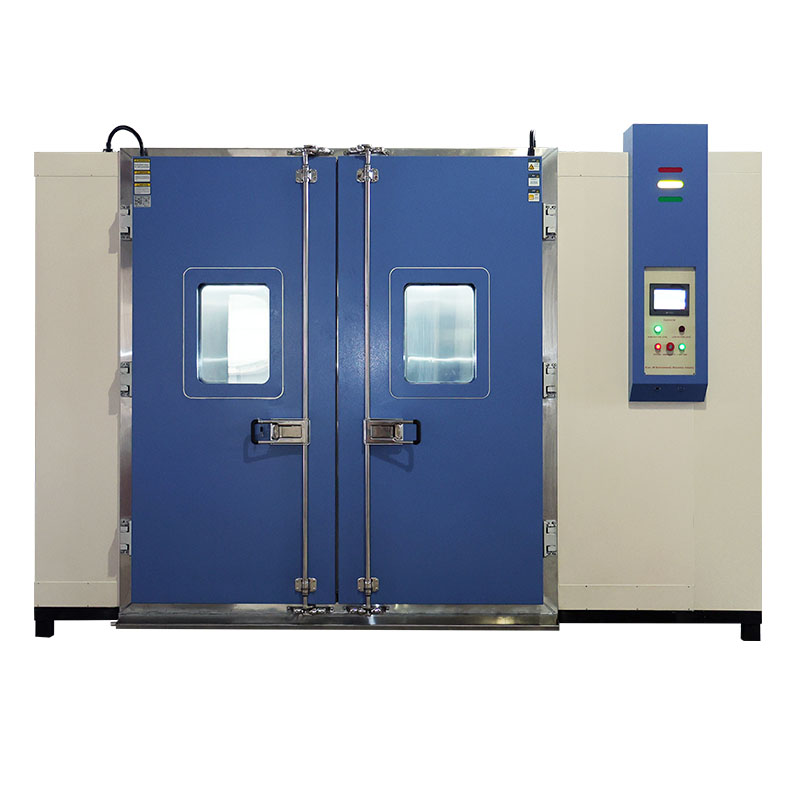
● Humidity Range: Verify it accommodates your required humidity levels.
● Temperature and Humidity Uniformity: Check for consistent conditions throughout the chamber.
● Recovery Time: Evaluate how quickly the chamber returns to set points after disturbances.
● Load Capacity: Consider the size and weight of items to be tested.
Advanced Features
● Rapid Temperature Change (RTC): Important for testing products under dynamic conditions.
● Data Logging and Monitoring: Essential for recording and analyzing test data.
● Programmability: Allows for complex test profiles and automation.
● Safety Features: Include alarms, emergency access, and over/under temperature protection.
● Energy Efficiency: Reduces operational costs and environmental impact.
Construction and Design
● Chamber Materials: Choose materials suitable for your test environment (e.g., stainless steel, corrosion-resistant coatings).
● Insulation: Ensure adequate insulation for efficient temperature and humidity control.
● Door Seals: Verify the quality of door seals to prevent air leakage.
● Access Points: Consider the number and size of access points for easy loading and unloading.
Additional Considerations
● Control System: Evaluate the user interface, programming capabilities, and accuracy.
● Certification: Check for compliance with relevant industry standards (e.g., ASTM, IEC).
● Maintenance and Support: Consider the availability of service and spare parts.
By carefully evaluating these features, you can select a walk-in chamber that precisely meets your testing requirements and delivers reliable results.
Important Factors When Choosing A Walk-In Chamber
Selecting the right walk-in chamber requires more than simply comparing sizes or prices. Laboratories and manufacturers should evaluate environmental performance, structural quality, operational cost, and after-sales support to ensure the chamber can meet long-term testing requirements efficiently and reliably.
Environmental Performance
● Temperature And Humidity Capability
Check whether the chamber can achieve the required temperature and humidity ranges for your testing standards and product applications, including extreme high- and low-temperature conditions.
● Uniformity And Stability
A high-quality walk-in chamber should maintain stable and consistent environmental conditions throughout the entire workspace to ensure accurate and repeatable test results.
● Recovery Speed
After the chamber door is opened or test loads are introduced, the system should quickly return to the programmed conditions to minimize testing interruptions.
● Sample Capacity
The chamber dimensions and floor load capacity should be suitable for large equipment, bulk samples, or complete product assemblies without affecting airflow circulation.
● Intelligent Functions
Modern chambers may include programmable controllers, remote monitoring, data storage, automatic alarms, rapid temperature change systems, and safety protection features for more efficient operation.
Chamber Structure And Design
● Durable Construction Materials
Interior and exterior materials should resist corrosion, moisture, and long-term environmental stress. SUS304 stainless steel interiors are commonly used for durability and easy cleaning.
● High-Efficiency Insulation
Good insulation performance helps reduce energy consumption while improving temperature and humidity stability during continuous operation.
● Reliable Door Sealing
Strong sealing structures help prevent air leakage and maintain stable chamber conditions during long-duration testing.
● Convenient Access Design
Large doors, observation windows, cable ports, and accessible loading areas improve operational convenience and testing flexibility.
Operating Cost And Long-Term Value
● Equipment Investment
Compare chamber specifications, configuration levels, and overall value instead of focusing only on initial purchase price.
● Daily Operating Expenses
Energy consumption, water usage, maintenance frequency, spare parts replacement, and calibration requirements all affect long-term operating costs.
● Long-Term Testing Efficiency
A stable and efficient chamber can help reduce product failures, improve testing throughput, and shorten product development cycles, providing higher long-term return on investment.
Manufacturer Capability And Technical Support
● Industry Experience
An experienced manufacturer can provide more reliable chamber designs, stronger technical expertise, and better understanding of international testing standards.
● Warranty And Service
Check warranty coverage, spare parts availability, and maintenance response speed to ensure reliable long-term operation.
● Technical Assistance
Remote support, installation guidance, calibration services, and operator training are important factors for maintaining stable chamber performance over time.
Operating Efficiently
Operational efficiency is the cornerstone of business success, focusing on maximizing output while minimizing resource consumption. By streamlining processes, optimizing resource allocation, and leveraging technology, businesses can significantly enhance profitability, competitiveness, and customer satisfaction. Key strategies include process optimization, effective resource management, technology integration, inventory control, supply chain management, and performance measurement. Implementing approaches like Lean Six Sigma, business process reengineering, automation, outsourcing, and employee development can further drive efficiency gains. Ultimately, operational efficiency enables businesses to achieve sustainable growth while delivering superior products and services.
Tips for Smooth Operation
Smooth operations are essential for business success. Here are some key strategies to enhance efficiency and productivity:
● Clear Communication: Effective communication among teams and departments is crucial.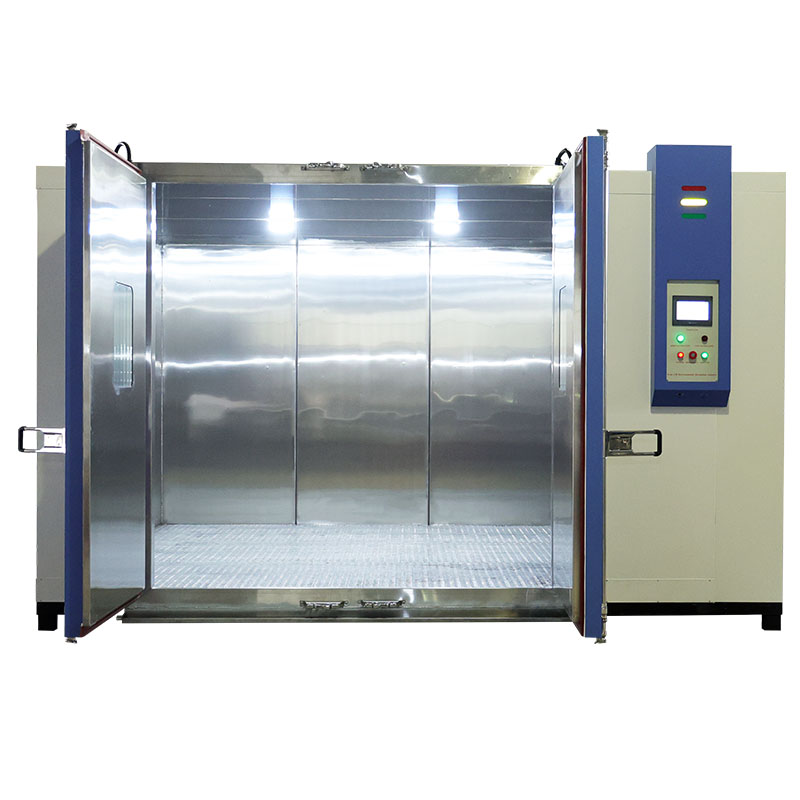 Utilize clear channels, provide timely updates, and encourage open dialogue.
● Process Optimization: Regularly review and streamline workflows to identify bottlenecks and eliminate redundant tasks.
● Employee Empowerment: Empower employees to make decisions and contribute ideas. A motivated workforce is more productive.
● Technology Integration: Leverage technology to automate tasks, improve data management, and enhance communication.
● Risk Management: Identify potential challenges and develop contingency plans to minimize disruptions.
● Continuous Improvement: Foster a culture of continuous improvement by encouraging feedback and implementing changes.
● Performance Monitoring: Track key performance indicators (KPIs) to measure progress and identify areas for improvement.
● Employee Training and Development: Invest in employee training to enhance skills and knowledge.
● Customer Focus: Prioritize customer satisfaction by understanding their needs and delivering exceptional service.
● Supplier Relationship Management: Build strong relationships with suppliers to ensure reliable and timely deliveries.
By implementing these tips, businesses can create a more efficient, productive, and customer-centric operation.
Avoiding Common Mistakes
Mistakes are a natural part of the entrepreneurial journey, but many common pitfalls can be avoided with careful planning and foresight.
● Underestimating Costs: Accurately calculating startup and operational costs is crucial. Neglecting hidden expenses can lead to financial strain.
● Ignoring Market Research: A deep understanding of your target market is essential. Failing to conduct thorough market research can result in misaligned products or services.
● Neglecting Financial Planning: Cash flow management is vital. Inadequate financial planning can lead to cash shortages and business failure.
● Overlooking Competition: Understanding your competitors' strengths and weaknesses is essential. Ignoring them can hinder your ability to differentiate your business.
● Hiring the Wrong People: Building a strong team is crucial. Hiring employees without the right skills or cultural fit can negatively impact productivity.
● Failing to Adapt: The business landscape is constantly changing. Businesses that fail to adapt to new trends and technologies may struggle.
● Neglecting Customer Service: Satisfied customers are the backbone of any business. Poor customer service can damage your reputation.
● Overspending on Marketing: While marketing is essential, it's easy to overspend. Effective marketing requires careful planning and measurement.
● Ignoring Legal and Regulatory Requirements: Compliance with laws and regulations is crucial. Non-compliance can lead to significant penalties.
● Lack of a Business Plan: A well-structured business plan provides direction and helps secure funding. Operating without one can lead to uncertainty.
By being aware of these common mistakes and taking proactive steps to prevent them, businesses can increase their chances of success.
Eco-Friendly Testing Methods
The drive towards sustainability has extended to the realm of testing. Eco-friendly testing methods aim to minimize environmental impact while maintaining accuracy and reliability.
Key Areas of Eco-Friendly Testing
● Material Selection: Opting for biodegradable or recyclable materials for test equipment and consumables.
● Waste Reduction: Minimizing waste generation through efficient test design, reuse of materials, and proper disposal.
● Energy Efficiency: Implementing energy-saving practices in test environments, such as optimizing equipment usage and utilizing renewable energy sources.
● Virtual Testing: Leveraging simulation and virtual environments to reduce the need for physical testing.
● Sustainable Test Environments: Creating test environments that mimic real-world conditions while minimizing resource consumption.
Examples of Eco-Friendly Testing Practices
● Biodegradable Testing Kits: Developing diagnostic kits using biodegradable components.
● Virtual Product Testing: Utilizing computer simulations to assess product performance without physical prototypes.
● Energy-Efficient Laboratories: Implementing energy-efficient lighting, HVAC systems, and equipment in testing facilities.
● Waste Minimization: Reducing the volume of hazardous waste generated through proper waste management and recycling.
● Sustainable Packaging: Using eco-friendly packaging materials for test samples and equipment.
Challenges and Opportunities
While eco-friendly testing offers numerous benefits, it also presents challenges such as higher initial costs, potential limitations in test accuracy, and the need for specialized expertise. However, these challenges can be overcome through innovation, collaboration, and a long-term perspective.
Sustainable Practices for Large-Scale Testing
As the scale of testing expands, so does its environmental footprint. Integrating sustainable practices into large-scale testing is crucial for minimizing waste, conserving resources, and reducing the overall carbon footprint.
Key Sustainable Practices for Large-Scale Testing
● Test Case Optimization: Reducing redundancy in test cases can significantly lower energy
consumption and resource usage. By carefully analyzing and eliminating overlapping or unnecessary test cases, organizations can streamline the testing process and minimize its environmental impact.
● Test Automation: Automating repetitive testing tasks not only enhances efficiency but also reduces energy consumption and paper waste. By leveraging automation tools, organizations can minimize manual intervention and optimize resource utilization.
● Virtualization and Simulation: Utilizing virtual environments and simulation technologies can significantly reduce the need for physical testing infrastructure and materials. This approach helps conserve resources and minimize waste generation.
● Energy Efficient Testing Infrastructure: Implementing energy-efficient equipment, lighting, and HVAC systems in testing facilities is essential. Optimizing energy consumption through measures like power-saving modes and regular maintenance can lead to substantial reductions in carbon emissions.
● Sustainable Materials: Prioritizing the use of recyclable, biodegradable, or environmentally friendly materials for test equipment, consumables, and packaging is crucial. By making conscious material choices, organizations can reduce their waste footprint and promote a circular economy.
● Waste Reduction and Management: Implementing effective waste management practices, such as recycling, composting, and proper disposal, is essential. Minimizing waste generation through efficient test design and process optimization is also crucial.
● Data Center Efficiency: For large-scale testing involving data centers, optimizing energy consumption through efficient cooling systems, virtualization, and power management strategies is vital.
● Employee Awareness and Training: Educating employees about sustainable testing practices and encouraging their participation in eco-friendly initiatives is crucial. By fostering a culture of sustainability, organizations can maximize the impact of their efforts.
Challenges and Opportunities
While implementing sustainable practices in large-scale testing presents challenges, such as initial investment and potential changes to existing processes, it also offers significant opportunities. By embracing sustainability, organizations can enhance their brand reputation, reduce operational costs, and contribute to a greener future.
Ensuring Safety in Testing Environments
Ensuring safety in testing environments is paramount. It involves a comprehensive approach encompassing risk assessment, personal protective equipment, emergency procedures, and ongoing training. Rigorous maintenance of equipment and adherence to waste management protocols are essential. The specific safety measures vary depending on the nature of the testing, whether in laboratories, software development, or field environments. Fostering a safety-first culture where employees actively participate in hazard identification and prevention is crucial. Ultimately, a safe testing environment safeguards personnel, protects the integrity of the testing process, and ensures compliance with relevant regulations.
Optimizing Your Testing Process
Optimizing your testing process involves streamlining activities to reduce time and cost without compromising quality. This entails prioritizing test cases based on risk, automating repetitive tasks, and leveraging efficient tools. Early involvement of testing in the development lifecycle, coupled with continuous testing, accelerates the process. Additionally, effective test case management, including regular reviews and maintenance, ensures optimal test coverage. By focusing on high-value test areas and collaborating closely with development teams, organizations can achieve faster, more reliable, and cost-effective testing cycles.
Best Practices for Maximum Efficiency
Achieving maximum efficiency requires a holistic approach encompassing process optimization, technology integration, and a culture of continuous improvement. Key practices include streamlining workflows, automating repetitive tasks, leveraging data analytics for informed decision-making, and investing in employee development. Effective communication and collaboration are essential for aligning teams and breaking down silos. Regular performance measurement and benchmarking against industry standards help identify areas for improvement. Additionally, fostering a culture of innovation and experimentation encourages employees to contribute ideas for process enhancement. By implementing these best practices, organizations can optimize resource utilization, reduce costs, and enhance overall productivity.
Tips for Streamlined Testing
Streamlining your testing process is essential for improving efficiency and product quality. Here are some key tips:
● Prioritize test cases: Focus on high-risk areas and critical functionalities to optimize testing efforts.
● Embrace automation: Automate repetitive tasks to save time and improve accuracy.
● Leverage test data management: Maintain a centralized repository of test data for easy access and reusability.
● Implement continuous testing: Integrate testing into the development lifecycle for early defect detection.
● Foster collaboration: Encourage communication and collaboration between development and testing teams.
● Utilize effective test management tools: Employ tools to organize test cases, track defects, and generate reports.
● Optimize test environments: Ensure consistent and stable testing environments to minimize delays.
● Analyze test results: Leverage data analytics to identify trends, improve test coverage, and prevent future defects.
By incorporating these tips, you can significantly enhance the efficiency and effectiveness of your testing process.


