


As industries continue to pursue higher standards of reliability and durability, the ability of products to withstand harsh operating conditions has become a key measure of quality. From automotive parts and aerospace systems to electronic devices, protective coatings, and building materials, many products face continuous exposure to corrosive factors during their lifecycle. Without effective corrosion resistance, materials may suffer from degradation in performance, reduced service life, increased maintenance costs, and potential safety concerns.
Salt spray testing is a crucial component of corrosion testing, used to assess the resistance of materials and products to the corrosive effects of salt-laden environments. Salt Spray Test Machines are specifically designed to recreate these aggressive conditions in a controlled and repeatable manner, enabling manufacturers to evaluate material performance, coating durability, and protective treatments with high reliability. As technology advances and industries evolve, so too must Salt Spray Test Machines, incorporating greater precision, automation, and compliance capabilities to meet increasingly stringent quality and regulatory requirements.
The Critical Role of Salt Spray Test Machines in Ensuring Product Integrity
Salt spray testing equipment is essential for evaluating how products perform in corrosive conditions before entering the market. By recreating accelerated salt-laden environments similar to those encountered in coastal regions, industrial facilities, and other aggressive atmospheres, manufacturers can detect corrosion vulnerabilities early, improve product durability, and reduce the risk of premature failure in real-world applications.
Advanced Features That Define High-Quality Testing Equipment
In today's competitive market, the quality of testing equipment is paramount for ensuring product reliability and safety. Advanced features can significantly enhance the capabilities and efficiency of testing equipment, making them indispensable tools for quality control and research. The usefulness
Key Features That Define High-Quality Testing Equipment
As product performance standards continue to rise across industries, testing equipment has become a critical
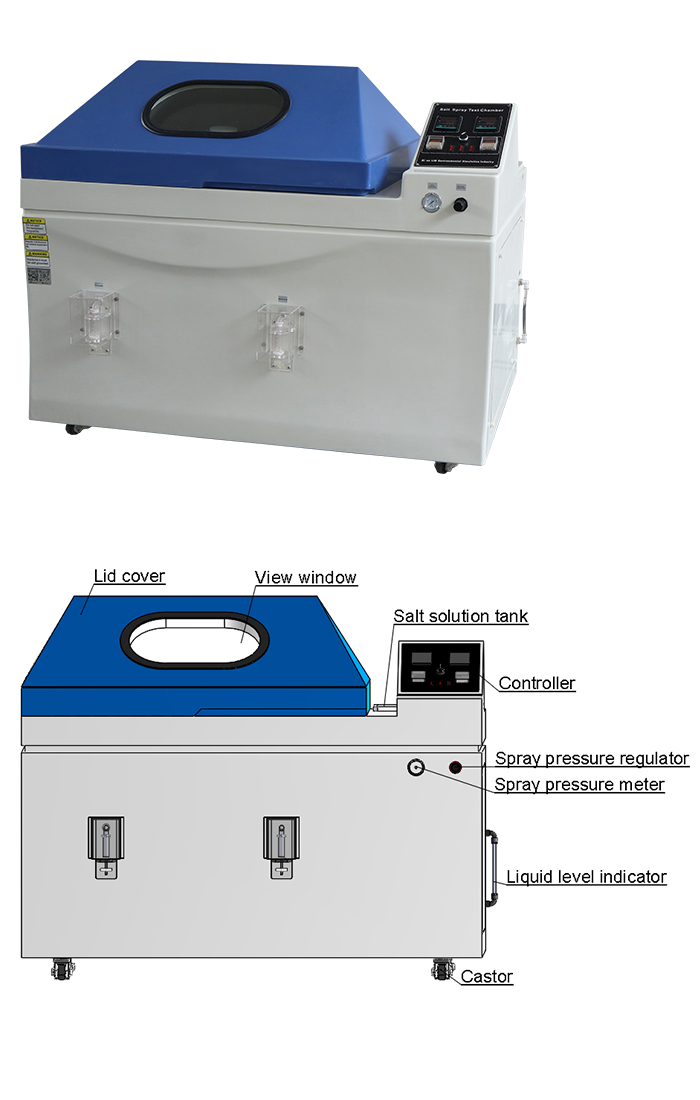
investment for manufacturers, laboratories, and research institutions. The effectiveness of any testing program depends not only on the test methods used but also on the capabilities of the equipment itself. High-quality testing systems combine accuracy, flexibility, durability, and intelligent control to deliver reliable and repeatable results.
1. Superior Measurement Accuracy
Accurate data is the foundation of every successful testing process. Modern testing equipment incorporates advanced sensing technologies capable of detecting even the smallest environmental or physical changes. High-resolution sensors, intelligent control algorithms, and periodic caLIBration support ensure precise measurements throughout the equipment's service life.
Equally important is repeatability. Reliable equipment should consistently reproduce the same results under identical testing conditions, helping engineers make confident decisions during product development, validation, and quality assurance.
2. Flexible Testing Capabilities
Different products require different testing methods, making flexibility a valuable characteristic of modern test equipment. A well-designed system should support multiple testing functions and accommodate a wide range of samples without extensive modifications.
Expandable architectures, interchangeable accessories, and configurable test parameters allow laboratories to adapt equipment to changing requirements. Whether evaluating electronics, automotive components, medical devices, consumer products, or industrial materials, versatile equipment maximizes utilization and investment value.
3. Intelligent Automation and Digital Control
Automation has transformed the efficiency of modern testing laboratories. Programmable test profiles enable complex testing sequences to run automatically with minimal operator intervention. This reduces manual workload, improves consistency, and minimizes the possibility of human error.
Integrated data acquisition systems continuously record test conditions and results, while advanced software tools generate reports, trend analyses, and performance insights. Network connectivity and remote access functions further allow users to monitor equipment status and manage testing operations from virtually anywhere.
4. Robust Construction for Long-Term Reliability
Testing equipment often operates continuously under demanding conditions. Therefore, structural integrity and component quality play a significant role in overall performance.
Equipment built with corrosion-resistant materials, industrial-grade components, and reliable mechanical systems can withstand years of operation while maintaining stable performance. Reduced maintenance requirements and extended service intervals help laboratories minimize downtime and lower total ownership costs.
5. Operator-Friendly Design
Ease of use directly impacts productivity. Modern testing systems are increasingly designed with intuitive user interfaces that simplify setup, operation, and monitoring.
Large touchscreen displays, graphical programming tools, real-time status indicators, and multilingual operating systems help reduce training requirements and improve workflow efficiency. Seamless integration with laboratory management software further streamlines data handling and reporting processes.
6. Compliance, Safety, and Quality Assurance
Compliance with international testing standards is essential for ensuring that test results are recognized and accepted worldwide. High-quality equipment should be designed to meet relevant industry standards and regulatory requirements.
In addition, comprehensive safety features—including over-temperature protection, fault diagnostics, emergency shutdown systems, and alarm notifications—help protect operators, test specimens, and equipment. Certifications from recognized organizations provide additional confidence in equipment quality, performance, and reliability.
Investing in Long-Term Testing Success
Selecting testing equipment involves more than comparing specifications. The best solutions combine precision, adaptability, automation, durability, usability, and compliance to support reliable decision-making and long-term operational efficiency. By investing in advanced testing technology, organizations can improve product quality, accelerate development cycles, and maintain a competitive advantage in increasingly demanding markets.
Compatibility with Industry Standards and Regulatory Requirements
Compliance with recognized industry standards is a fundamental requirement for obtaining credible and repeatable test results. Whether products are being developed, validated, or certified, testing must be performed according to established methodologies to ensure consistency, accuracy, and industry acceptance.
Internationally recognized standards such as ISO, ASTM, IEC, EN, UL, MIL-STD, and FDA guidelines provide clear testing frameworks that enable manufacturers and laboratories to evaluate product performance under standardized conditions. Adhering to these requirements not only improves the reliability of test data but also helps organizations demonstrate product quality, satisfy customer expectations, and meet regulatory obligations in global markets.
Standard-compliant testing offers several important advantages. It allows results generated in different laboratories to be compared with confidence, supports certification and product approval processes, reduces technical barriers in international trade, and strengthens quality management systems throughout the product lifecycle. For manufacturers operating across multiple regions, compliance is often essential for market access and customer acceptance.
Achieving and maintaining compliance requires more than simply purchasing certified equipment. Organizations should establish comprehensive quality procedures that include routine equipment caLIBration, preventive maintenance, environmental monitoring, operator training, and detailed record keeping. Regular verification of testing systems helps ensure that equipment continues to perform within specified tolerances and delivers dependable results over time.
Modern testing equipment can further support compliance efforts through automated control systems, electronic data recording, audit trails, and report generation functions. These capabilities improve traceability, reduce the risk of human error, and simplify documentation during internal audits or third-party inspections.
By integrating industry-standard testing practices into daily operations, organizations can improve product reliability, accelerate certification processes, minimize compliance risks, and strengthen their competitive position in increasingly demanding global markets.
Limitations in Real-World Simulation
Despite its advancements, simulation technology has limitations. Inaccurate data, simplifying assumptions, computational constraints, unforeseen events, human factors, and ethical concerns can affect its accuracy. However, by understanding these limitations and using simulation judiciously, researchers and practitioners can maximize its benefits while minimizing its drawbacks.
Inability to Replicate All Outdoor Environmental Conditions
Simulations often struggle to fully replicate all outdoor environmental conditions. While they can model factors like temperature, humidity, and wind speed, they may not accurately capture natural phenomena, complex atmospheric conditions, or geographic variations. To ensure systems can perform as expected in diverse outdoor environments, complementary testing methods like field trials or real-world experiments are essential.
Limited Applicability for Non-Metallic Materials Testing
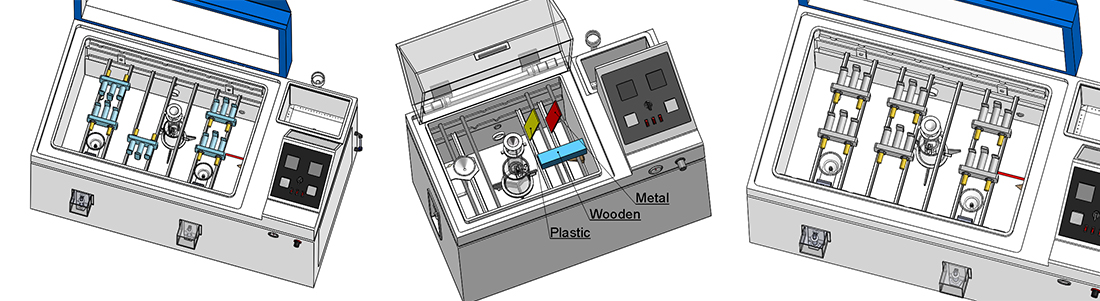
Simulations often face limitations when applied to non-metallic materials. Complex properties, microstructure, environmental interactions, and a lack of experimental data can hinder their accuracy. To overcome these limitations, researchers often combine simulation with experimental testing.
Future Directions and Innovations in Salt Spray Test Machines
As technology continues to advance, we can expect to see further innovations in salt spray test machines. These innovations will help to improve the accuracy, efficiency, and reliability of corrosion testing, ultimately leading to better product quality and performance.
Advancements in Automation and Real-Time Monitoring Capabilities
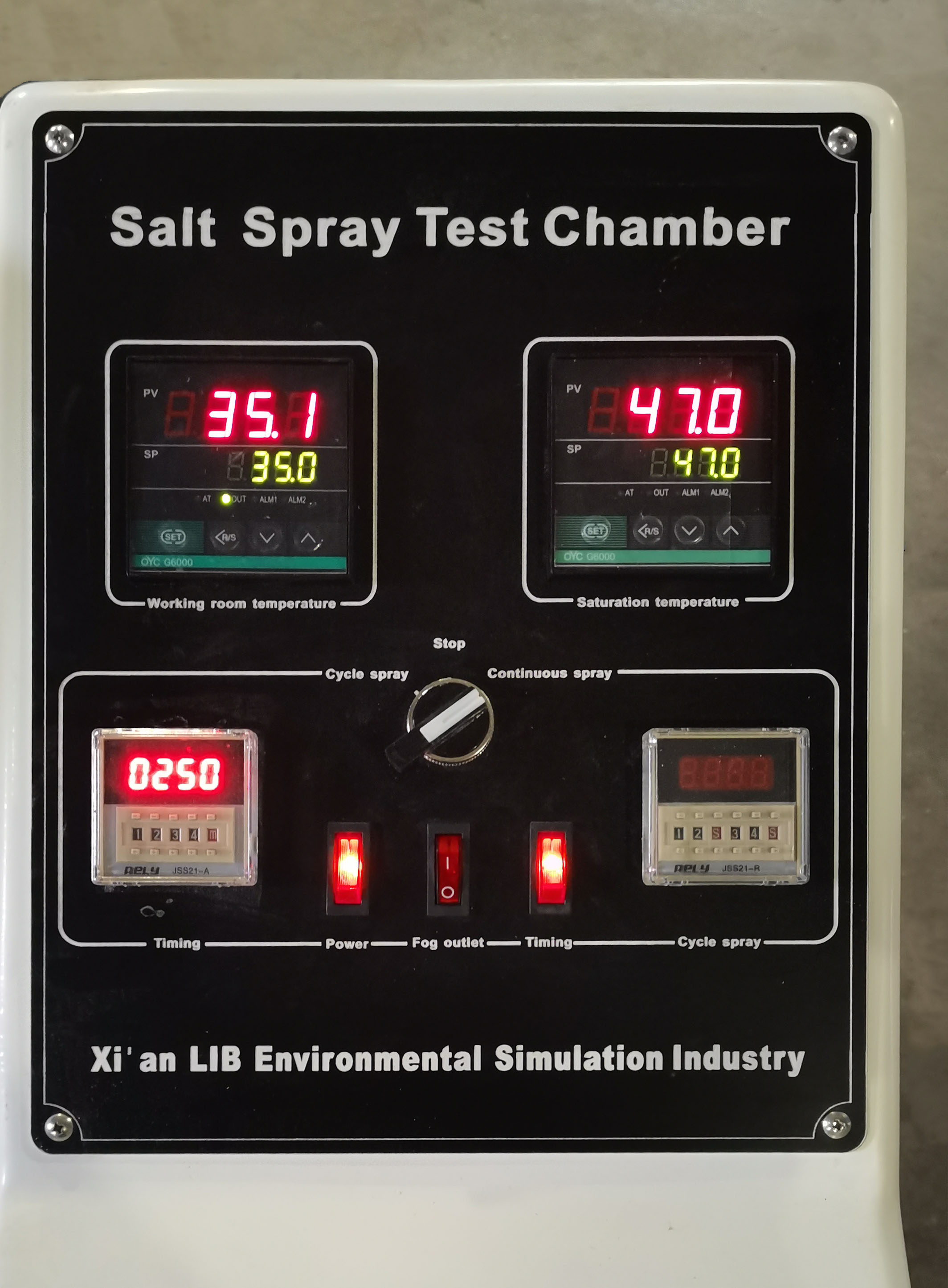 Automated control systems, real-time monitoring, data logging, and remote access have significantly improved the efficiency and accuracy of salt spray test machines. These advancements enable precise control over test conditions, timely identification of deviations, valuable data analysis, and convenient remote management. As a result, salt spray testing has become more accessible and affordable, making it a crucial tool for ensuring product quality and reliability across various industries.
As sustainability becomes a global priority, the testing industry is evolving towards more environmentally friendly and resource-efficient practices. By incorporating energy-efficient equipment, reducing chemical usage, leveraging virtual and augmented reality, employing data-driven approaches, adopting circular economy principles, and fostering collaborative networks, the industry can contribute to a more sustainable future while maintaining high standards of quality and reliability.
Role in Driving Innovation in Materials Science and Surface Treatment Technologies
Salt spray test machines are essential for driving innovation in materials science and surface treatment. By testing corrosion resistance, they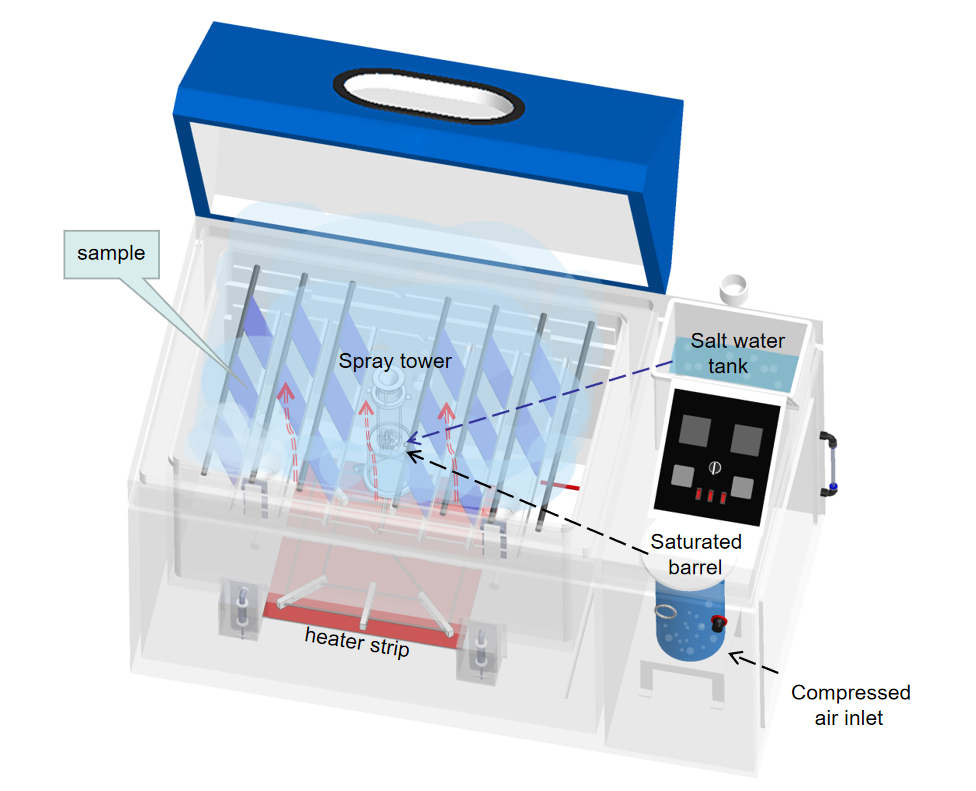 contribute to material development, surface treatment optimization, failure analysis, and standards development. Advanced techniques like accelerated corrosion testing, cyclic corrosion testing, and specialized salt solutions further enhance the machines' ability to simulate real-world conditions and identify corrosion-resistant materials. As these machines continue to evolve, they will remain crucial for advancing materials science and surface treatment technologies.
The integration of IoT and data analytics with salt spray test machines offers significant benefits for predictive maintenance and quality control. By connecting machines to the internet, real-time data on performance, environmental conditions, and test results can be collected and analyzed. This data can be used to predict maintenance needs, identify potential issues, and optimize testing processes. Predictive maintenance can help reduce downtime and costs, while data analytics can provide valuable insights into product quality and performance.
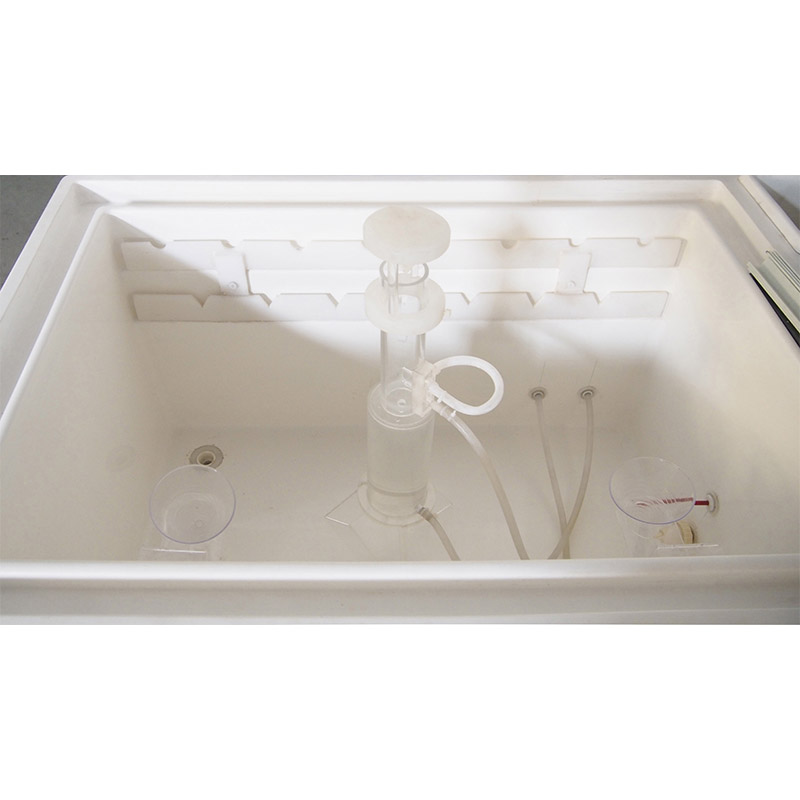
Robust Workroom | Salt Fog Deposition | 1~2ml / 80cm2 · h | ||
Spray Type | Continuous / Periodic | |||
Heating Element | Nichrome heater | |||
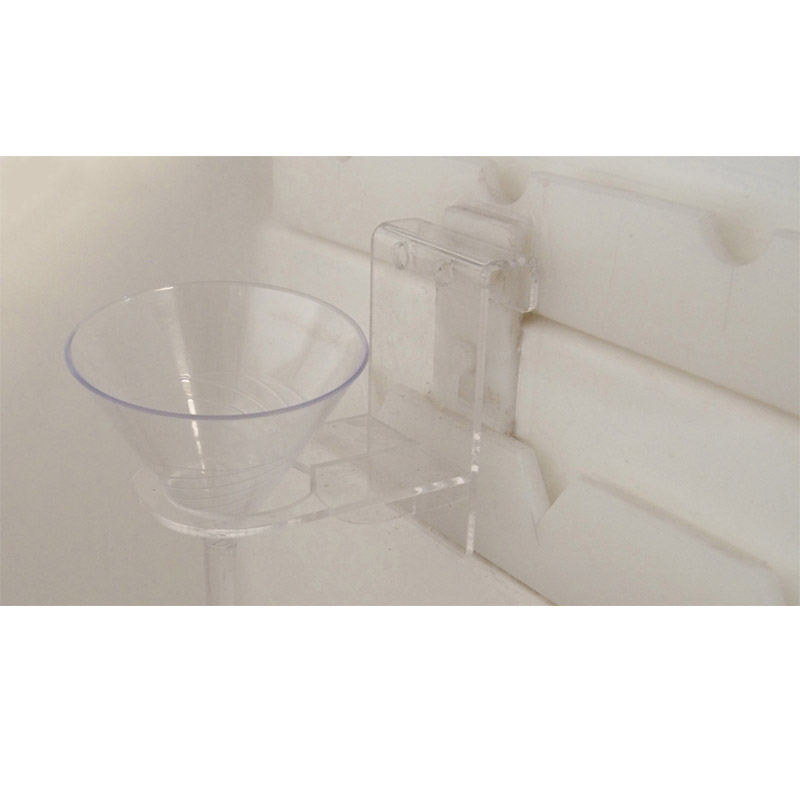
Salt Fog Collected | Fog collector and fog measure cylinder | |||
Salt Fog collector | Controller | PID controller | ||
Material | Glass fiber reinforced plastics | |||
Standard Configuration | 8 round bars and 7 V-shaped grooves | |||
Technological Advancements Paving the Way for Enhanced Performance and Efficiency
Technological advancements are continually driving improvements in salt spray test machines, enhancing their performance and efficiency. These advancements include the use of corrosion-resistant materials, energy-efficient components, precision control systems, data analytics and artificial intelligence, and IoT integration. These innovations contribute to more reliable, efficient, and cost-effective salt spray testing, ultimately improving product quality and reliability.
Conclusion
Salt spray test machines play a crucial role in ensuring the quality and reliability of products exposed to corrosive environments. As technology continues to advance, we can expect to see further innovations in these machines, leading to improved accuracy, efficiency, and sustainability.
By incorporating advanced features such as automation, real-time monitoring, data analytics, and sustainable technologies, salt spray test machines can drive innovation in materials science and surface treatment, while also contributing to a more sustainable future.
Ultimately, the continued development of salt spray test machines will help to ensure that products are able to withstand the challenges of corrosive environments and meet the demands of a changing market.
Choose LIB Industry to learn how advanced Salt Spray Test Machines can support your corrosion testing, quality assurance, and product development needs. With proven expertise in environmental testing solutions, LIB Industry provides reliable equipment, technical support, and customized configurations to help you meet international standards and demanding application requirements. Reach out to our team today to discuss your testing challenges, request technical specifications, or receive expert guidance tailored to your industry.


