Views: 0 Author: Site Editor Publish Time: 2026-07-09 Origin: Site


Lab managers frequently face a difficult balancing act. You need robust environmental testing capabilities to ensure product reliability. You also operate under strict floor space limitations and tight capital budgets. You might assume a large reach-in model offers the only reliable path forward. However, these massive units often waste energy and floor space for simple, small-batch testing routines. You need a targeted, efficient alternative.
A temperature humidity chamber benchtop provides a strategic solution for specific applications. It serves small-scale workflows perfectly rather than acting as a universal replacement for massive reach-in models. Our objective is clear. We will provide an evidence-based framework for your equipment selection process. You will learn how to determine if a compact unit aligns precisely with your testing standards. We will guide you through heat load constraints and spatial mapping analysis. This approach ensures you choose the right tool for your specific laboratory demands.
1. Benchtop models are optimal for small-form-factor R&D, component-level testing, and decentralized QA workflows.
2. A compact temperature humidity chamber significantly reduces Total Cost of Ownership (TCO) through lower energy consumption and plug-and-play installation.
3. Sizing limitations mean benchtops are unsuitable for high heat-dissipating live loads or tests requiring massive airflow uniformity over bulky products.
We must establish clear definitions before making any procurement decisions. The physical size sets the primary boundary between equipment classes. Standard benchtop models typically offer internal volumes between 0.5 and 3.5 cubic feet. Reach-in chambers start at roughly 8 cubic feet and scale upward indefinitely. You must understand this fundamental difference in spatial capacity before planning your laboratory layout.
Utility requirements also draw a stark line between these categories. Smaller benchtops usually feature standard 115V or 120V plug-and-play compatibility. You can plug them directly into standard laboratory wall outlets. Larger chambers demand hardwired, multiphase electrical connections. They require dedicated power drops and specialized facility electrical preparation. These heavy infrastructure demands complicate immediate installation.
Many engineers mistakenly assume smaller units lack testing rigor. Top-tier benchtops match reach-in models in temperature and humidity ranges. They deliver identical precision and sensor accuracy. The real difference lies in payload capacity and active heat compensation. Small units handle passive components beautifully. They struggle against the intense thermal output of large, active electronics.
A reach-in model utilizes massive dual-stage compressors. These compressors easily overpower the heat generated by large internal payloads. A benchtop unit relies on smaller, space-saving refrigeration systems. These smaller systems provide excellent empty-chamber performance. They simply lack the brute force needed for high-wattage active loads. You must calculate your internal heat dissipation accurately before choosing a size.
| Feature |
|
|
|---|---|---|
| Internal Volume | 0.5 to 3.5 cubic feet | 8.0+ cubic feet |
| Typical Power Requirement | 115V/120V (Plug-and-Play) | 208V/480V (Multiphase Hardwired) |
| Max Heat Load Capacity | Low to Moderate | High to Extreme |
| Installation Complexity | Minimal (Bench placement) | High (Rigging, HVAC, Electrical) |
When does a smaller unit outshine a massive walk-in system? We see several distinct laboratory environments where smaller footprints win. You should evaluate your workflow against these four common scenarios.
1. Decentralized R&D and Prototyping: Centralized testing often creates massive bottlenecks. Every engineering team waits in line for the main walk-in chamber. You can eliminate this scheduling nightmare easily. Assign individual chambers directly to specific engineering pods. Decentralizing your testing infrastructure prevents delays. It also ensures continuous quality assurance operations. If one unit requires maintenance, other teams keep working. You avoid a catastrophic single point of failure.
2. Component-Level and Small-Batch Testing: You rarely need 10 cubic feet of space to test tiny components. A compact temperature humidity chamber excels at microelectronics testing. It handles printed circuit board (PCB) coupons perfectly. You will find it ideal for small packaging materials and cosmetic stability checks. Placing tiny items in a massive chamber wastes time and electricity. Right-sizing your equipment creates a more efficient laboratory environment.
3. Accelerated Ramp Rate Requirements for Small Mass: Temperature transition rates depend heavily on internal volume. A smaller internal space allows for faster temperature ramp rates. The refrigeration and heating systems work on a much smaller air volume. This physics advantage helps immensely when testing low-mass payloads. You can cycle temperatures rapidly. This accelerates your thermal shock or stress screening processes. Fast transitions reveal product weaknesses earlier in the development cycle.
4. Facility Constraints: Many laboratories simply lack available floor space. Cleanroom real estate comes at a massive premium. You cannot easily justify sacrificing cleanroom space for a bulky equipment chassis. Furthermore, large compressors reject significant heat into the surrounding room. Your facility HVAC infrastructure might fail to handle this extra thermal load. Smaller units fit neatly on standard lab benches. They reject minimal heat into your ambient environment. They bypass major infrastructure upgrades entirely.
| LIB Popular Temperature Humidity Chambers | |||
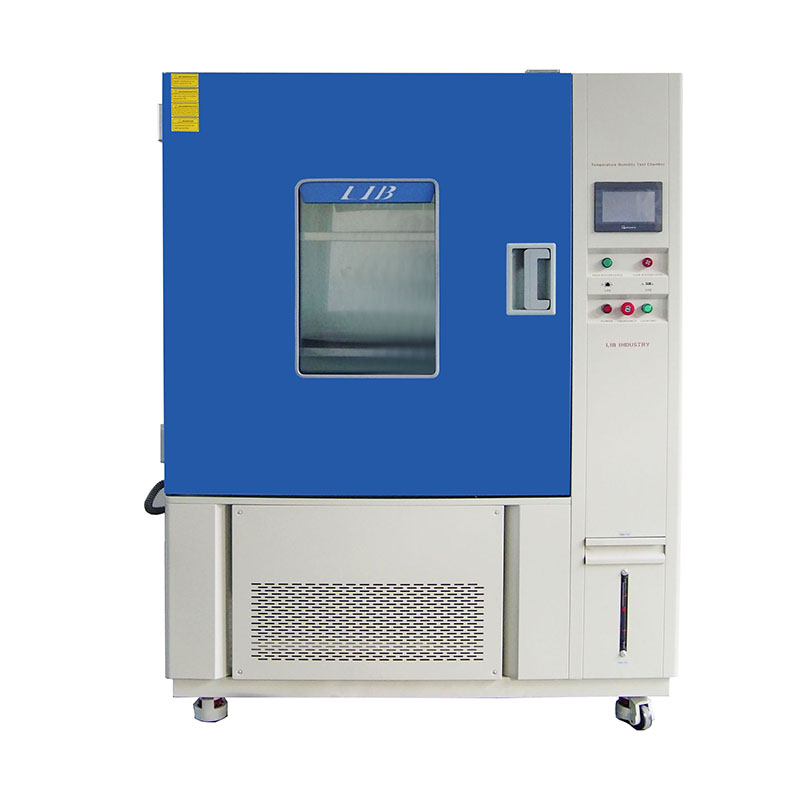
Standing temperature humidity chamber Precise climate simulation, Reliable long-term stability testing |
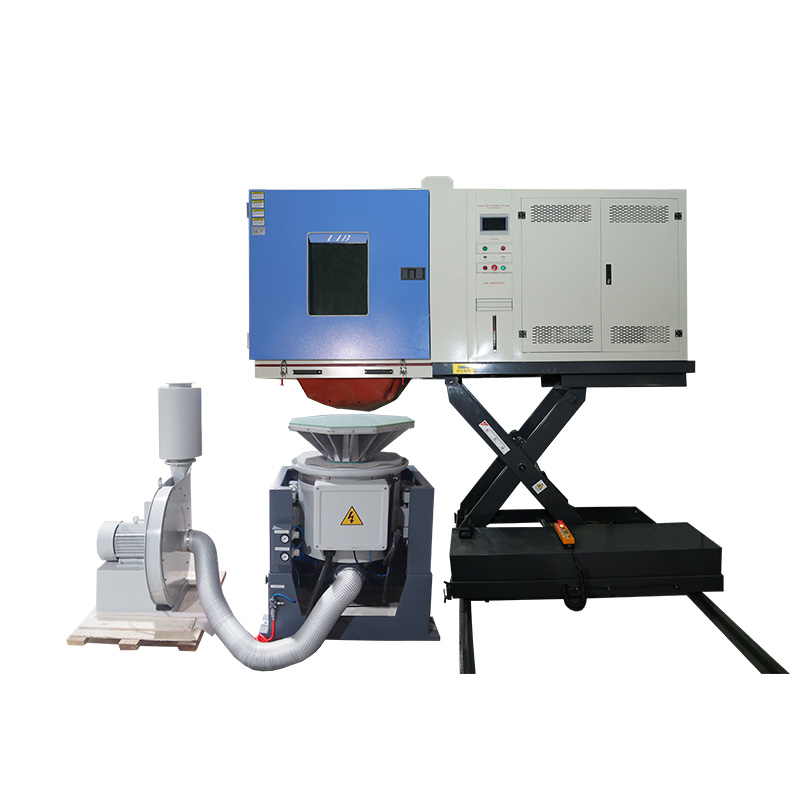
Combined Climate and Vibration Chamber Simulate temperature, humidity, and vibration stresses in one test |
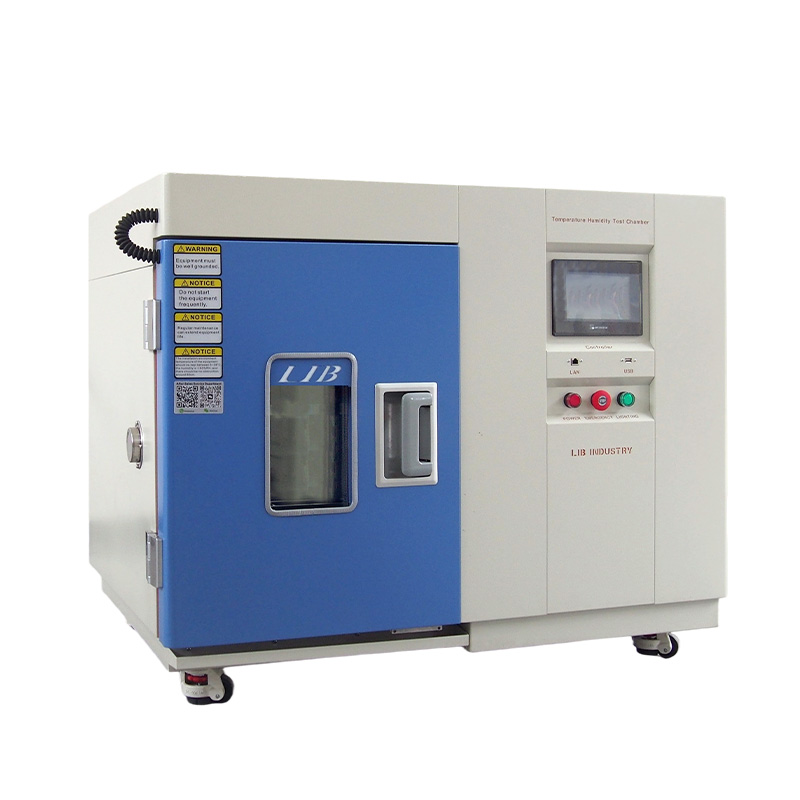
Small temperature humidity chamber Compact footprint design, High-accuracy environmental control |
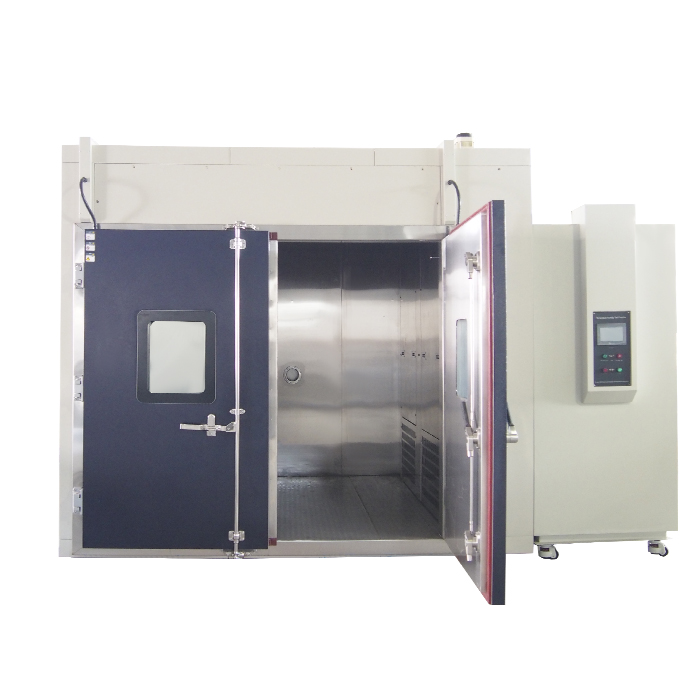
Walk-In temperature humidity chamber Large-capacity testing space, Ideal for oversized products |
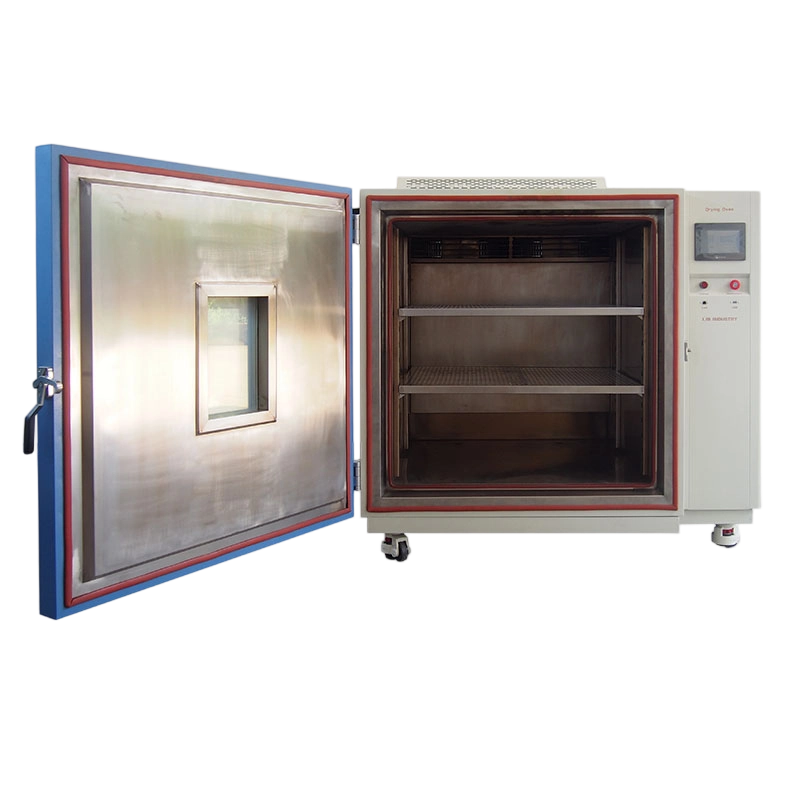
Industrial High-Temperature Vacuum Drying Oven Uniform heat distribution, Efficient material drying |
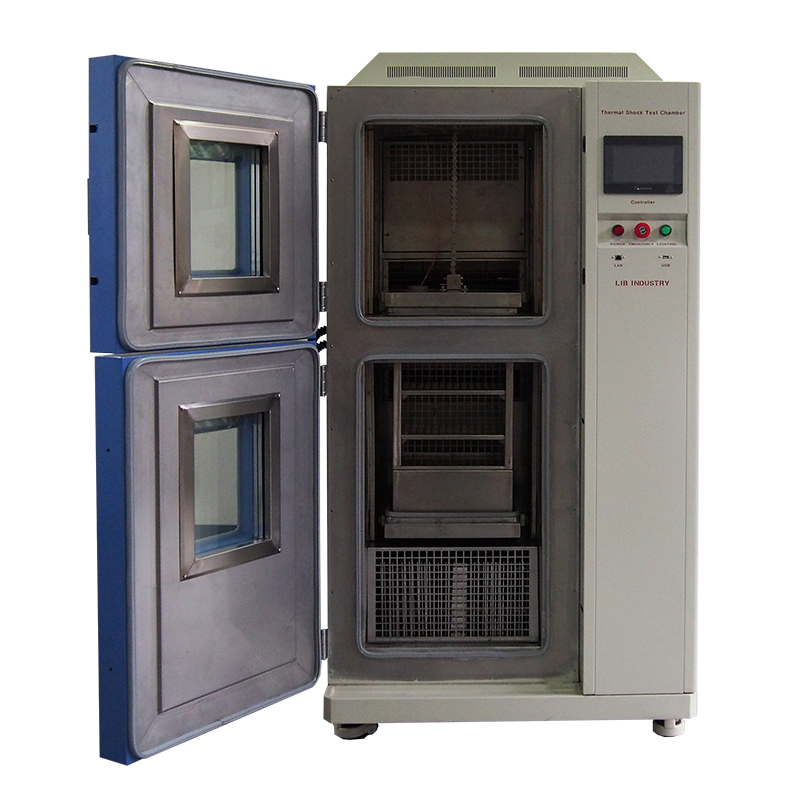
Extreme thermal stress simulation, Fast failure detection capability |
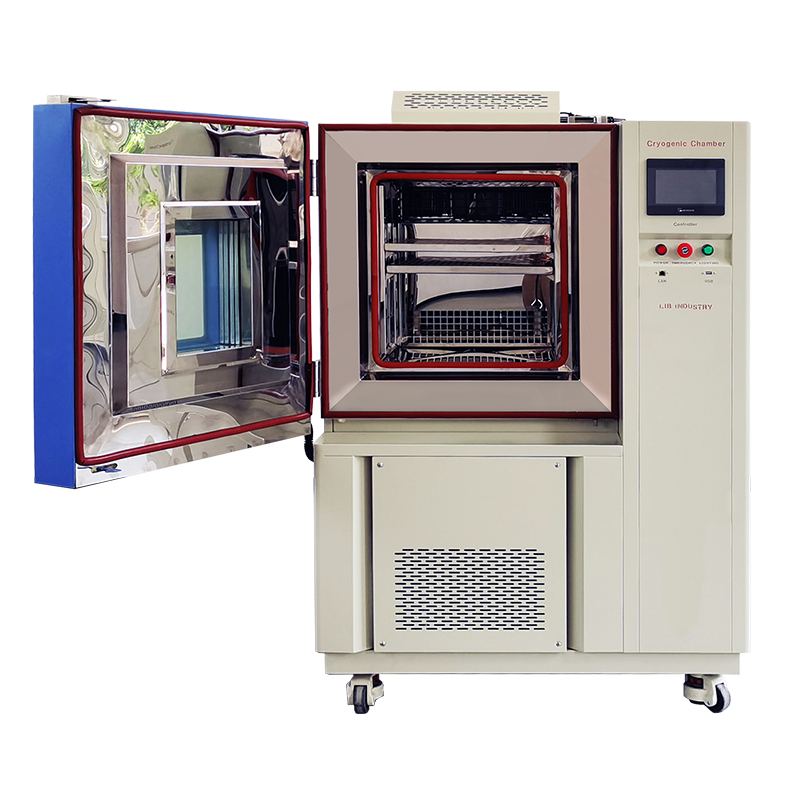
Ultra-low temperature performance, Reliable cold resistance evaluation |
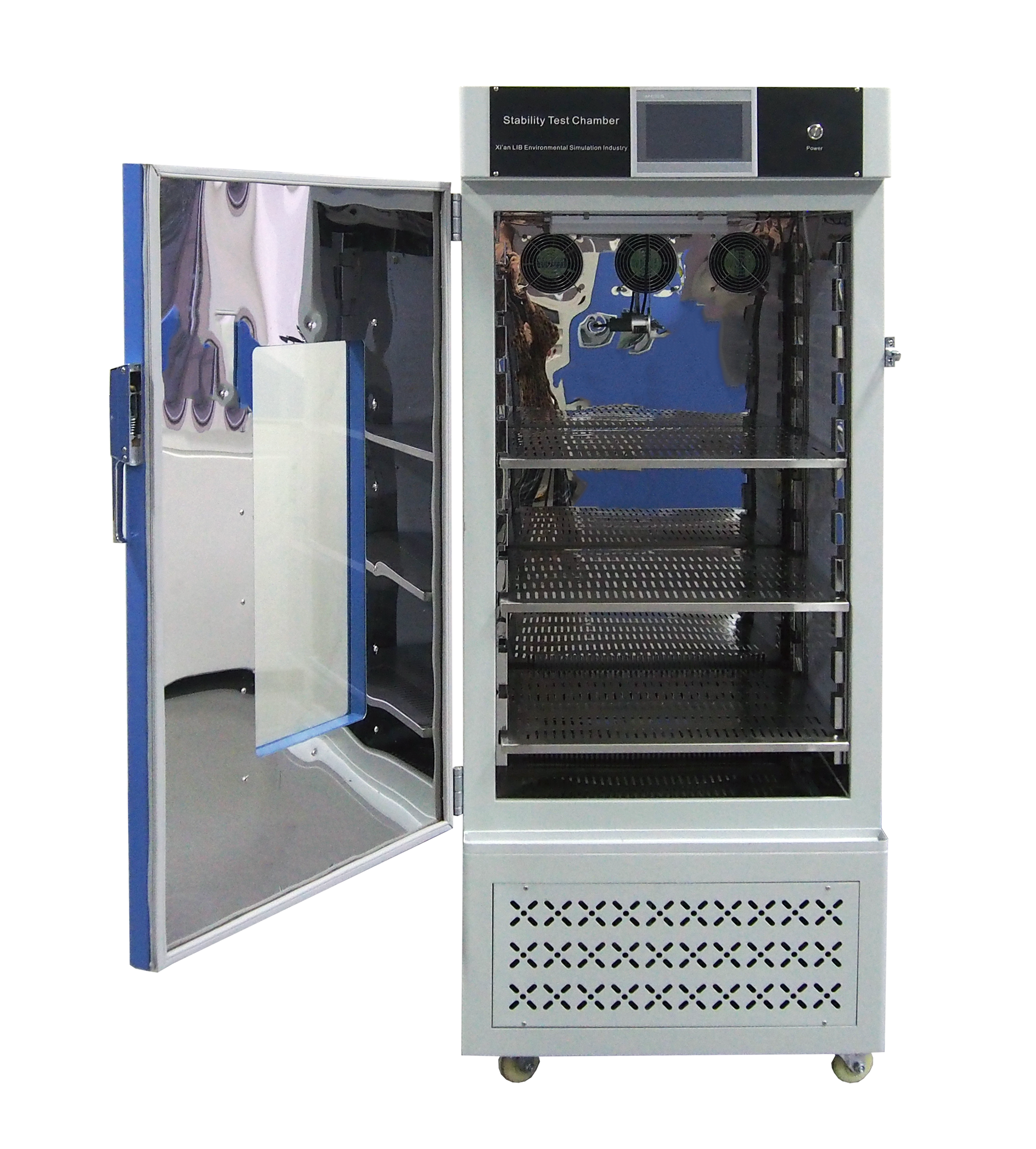
ICH-compliant stability testing, Precise temperature and humidity control |
Small chambers offer incredible utility. However, they cannot solve every testing challenge. You will compromise your test data if you push these units past their physical limits. We must outline the specific conditions where compact models fail.
1. High Live-Load Testing: Active electronics generate substantial heat during operation. We call this a "live load." Compact compressors struggle to dissipate high wattage effectively. The chamber might fail to maintain its lower temperature setpoints. The internal ambient temperature will slowly rise. This runaway thermal effect invalidates your testing parameters. You need a reach-in unit for heavy live loads.
2. Airflow and Uniformity Risks: Strict testing standards demand precise temperature uniformity. Standards like MIL-STD and IEC dictate exact environmental conditions. Placing large form-factor items inside a small space blocks critical airflow. The air cannot circulate freely around your product. This creates localized hot and cold spots. Uneven humidity distribution quickly follows. Your test data becomes completely unreliable. Industry standards dictate specific volume rules. You should never occupy more than 30% to 50% of the internal volume. Exceeding this golden rule guarantees compromised test results.
3. Cable and Pass-Through Limitations: Live testing requires extensive cable routing. You need data cables, power cords, and sensor wires. Smaller units feature limited pass-through port space. You might quickly run out of room for your wiring harnesses. Cramming too many cables into a small port breaks the thermal seal. Outside air leaks into the workspace. This moisture ingress ruins your humidity control stability.
You have determined a smaller unit fits your needs. Now you must evaluate the technical specifications carefully. Not all units deliver the same level of performance. You must scrutinize the internal components before making a final selection.
The control interface serves as the brain of your testing protocol. You need advanced Proportional-Integral-Derivative (PID) controllers. These algorithms anticipate temperature shifts and prevent overshooting. Look for robust remote monitoring capabilities. Modern laboratories demand continuous data logging. Your team needs real-time alerts if parameters drift. The pharmaceutical and medical device sectors require even more rigor. You must ensure the software complies with strict regulations like 21 CFR Part 11. This compliance guarantees digital record integrity and secure audit trails.
Humidity generation methods vary across different manufacturers. Steam generators boil water to introduce vapor. Atomizing systems use nozzles to create a fine mist. Each architecture has distinct maintenance requirements. You must also pay close attention to water purity specifications. Most systems require deionized (DI) or reverse osmosis (RO) water. Tap water contains dissolved minerals. These minerals will quickly scale your internal sensors. Scaling degrades sensor accuracy and causes premature system failure.
Manufacturers heavily market their temperature transition rates. You must read these specifications with intense skepticism. Many brochures advertise "empty chamber" ramp rates. An empty box changes temperature very quickly. Your real-world tests involve physical products. These products possess thermal mass. They absorb heat and slow down the transition rate. Always demand a "loaded ramp rate" calculation. Ask the manufacturer to model the performance based on your specific product mass. Provide them your exact materials and desired test profiles. This calculation proves whether the unit can actually meet your testing standards in practice.
| Name | Small Benchtop Temperature Cycling Oven | |||
| Model | TH-50 | TH-80 | ||
| Internal dimension (mm) | 320x350x450 | 400x400x500 | ||
| Overall dimension (mm) | 800x1050x950 | 900×1100×1000 | ||
| Temperature range | -70℃ ~+150 ℃ | |||
| Low type | Ⅰ: -40℃ Ⅱ: -70℃ Ⅲ: -86℃ | |||
| Temperature fluctuations | ± 0.5 ℃ | |||
| Humidity Range | 20%~98% | |||
| Temperature deviation | ± 2.0 ℃ | |||
| Heating rate | 3 ℃ / min | |||
| Cooling rate | 1 ℃ / min | |||
| Temperature Sensor | PTR Platinum Resistance PT100Ω/MV A-class | |||
| Temperature Resolution | ± 0.001 ℃ | |||
| Low-noise | <65 dBA | |||
We can summarize the shortlisting logic simply. You should choose a temperature humidity chamber benchtop under specific conditions. Your payload must remain small. Your active heat dissipation must stay minimal. Your facility space must be restricted. When these three factors align, small units deliver exceptional value.
However, you must respect the laws of thermodynamics. Compromising on volume just to save space will invalidate your test results. Obstructed airflow ruins temperature uniformity. You must maintain proper clearance around every tested component to achieve accurate measurements.
Your next steps require careful evaluation. Audit your maximum product dimensions immediately. Calculate the total active heat load generated by your electronics. Consult directly with a manufacturer. Request a specific spatial mapping analysis for your typical payload. This rigorous preparation guarantees a successful equipment integration and flawless ongoing testing.
A: Yes, top-tier compact units easily reach standard extreme testing profiles. They routinely achieve ranges from -70°C up to +150°C. Their insulation and refrigeration match larger models. However, they can only achieve these extremes if your payload mass remains strictly within the manufacturer limits.
A: Many smaller models feature built-in water reservoirs. This design maximizes portability and simplifies initial installation. You simply refill the tank manually. Alternatively, manufacturers often provide plumbing options for direct continuous water feeds, supporting automated, long-term stability testing without manual intervention.
A: Industry standards typically recommend an annual calibration cycle. Some strict ISO or specialized quality system requirements mandate bi-annual checks. Regular calibration ensures the temperature and humidity sensors maintain absolute accuracy, preventing subtle data drift over time.
Looking for the right temperature humidity chamber for your laboratory? Our technical team can help you evaluate chamber size, heat load capacity, and testing requirements to find the most suitable solution for your application. Contact LIB Industry today for professional consultation and customized environmental testing solutions.