Views: 0 Author: LIB Team Publish Time: 2026-04-17 Origin: Site


Corrosion is a common challenge for modern products, from vehicles and electronics to outdoor structures. However, natural corrosion processes often take years to appear, while manufacturers need faster results during product development. This is why salt spray corrosion testing is widely used to simulate harsh environments and evaluate material durability in a shorter time.
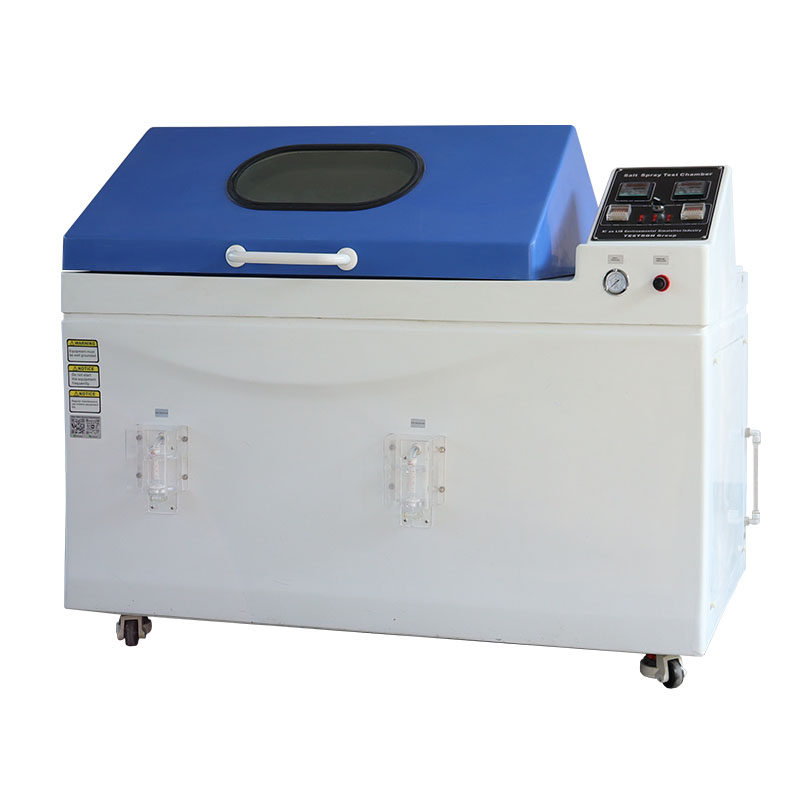
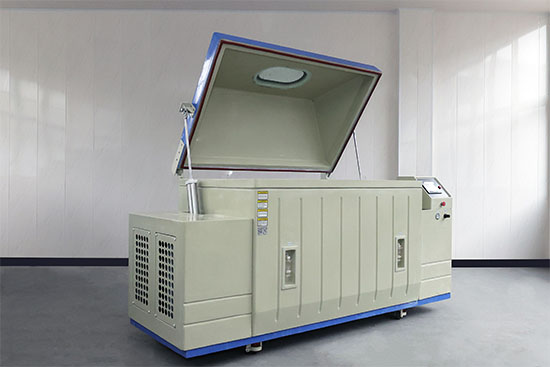
A coating and laminating test company in Mexico recently shared positive feedback on the LIB Salt Spray Corrosion Test Chamber: “The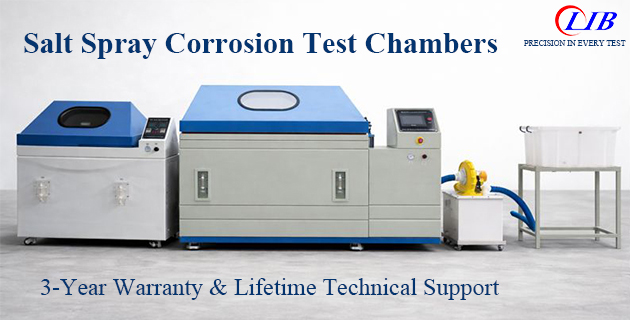 chamber has been working fine since we received it. We'll do the corresponding maintenance.” This confirms the stable performance and reliable operation of LIB equipment in long-term corrosion testing applications.
This article explains What is Salt Spray Corrosion Test Chamber, how it works under international standards, and how LIB provides reliable and industry-compliant corrosion testing solutions.
Corrosion is one of the biggest challenges affecting the service life and reliability of metal products, coatings, and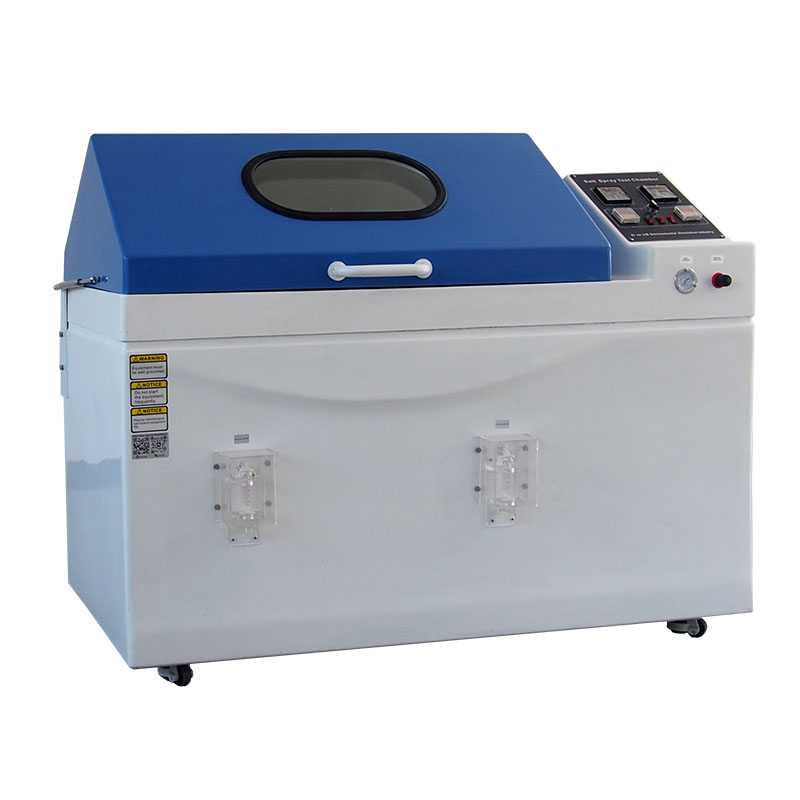 protective materials. In natural environments, corrosion develops through the combined effects of moisture, salt, temperature changes, and atmospheric pollutants. However, evaluating corrosion resistance through outdoor exposure tests can take an extremely long time.
For example, products exposed to coastal climates with high humidity and salt content may need several years before visible corrosion, coating peeling, or surface damage appears. Although real-world exposure provides valuable data, the long testing period makes it difficult for manufacturers to quickly improve product designs or compare different protective solutions.
To overcome this limitation, engineers developed the salt spray corrosion chamber as an accelerated laboratory testing solution. By creating a controlled environment with a continuous salt fog atmosphere, the chamber can simulate harsh coastal or marine conditions within a much shorter period.
This allows manufacturers to evaluate the corrosion resistance of metals, coatings, plating layers, and surface treatments during the product development stage. Through accelerated testing, companies can identify potential weaknesses earlier, optimize material selection, and improve product reliability before large-scale production.
A salt spray chamber reproduces a corrosive environment by generating a fine salt mist and exposing test specimens to this controlled atmosphere for a specific period. During the test, a prepared sodium chloride solution is pumped into an atomizing system, where compressed air converts the liquid into tiny salt particles that are evenly distributed throughout the chamber.
The most common neutral salt spray test uses a 5% sodium chloride (NaCl) solution. According to widely used testing practices, the salt solution is atomized under a pressure of approximately 83 kPa, creating a continuous and stable fog environment. The chamber temperature is typically maintained at around 35°C to provide consistent corrosion conditions and improve test repeatability.
As the salt particles settle on the surface of the samples, they create an electrolyte layer that accelerates electrochemical corrosion reactions. Over time, rust formation, coating breakdown, blistering, and surface degradation can be observed and measured.
Compared with natural outdoor exposure, salt spray testing significantly reduces evaluation time. A process that may require months or years in real environments can often be assessed within several hours, days, or weeks under controlled laboratory conditions. This makes salt spray chambers an important testing tool for industries that require reliable corrosion protection, including automotive components, marine equipment, construction materials, electronics, and protective coatings.
Among international corrosion testing methods, ASTM B117 is one of the most widely referenced standards for evaluating the corrosion resistance of materials and protective coatings. Developed by ASTM International, this standard establishes the basic requirements for operating a neutral salt spray test and ensures that testing conditions remain consistent between different laboratories.
According to ASTM B117, specimens are placed inside a chamber where they are continuously exposed to a salt fog generated from a 5% sodium chloride solution. The testing environment must maintain a chamber temperature of approximately 35°C, while the fog collection rate should remain within the specified range of 1 to 2 mL per 80 cm² per hour. The standard also requires proper chamber design, airflow control, and uniform fog distribution to ensure that all samples receive consistent exposure.
One important point is that ASTM B117 only defines the test method and environmental conditions; it does not specify whether a product passes or fails after testing. The acceptance criteria, such as allowable rust area, coating damage, or corrosion rating, are usually determined by manufacturers, customers, or related product standards.
By providing a standardized testing procedure, ASTM B117 allows companies around the world to produce comparable corrosion test results. This consistency makes it widely applied in industries such as automotive manufacturing, aerospace engineering, electronics, metal processing, and surface coating development, helping manufacturers verify product durability and improve corrosion protection technologies.
When testing metal corrosion performance, LIB Salt Spray Corrosion Test Chamber is designed strictly according to ASTM B117 requirements. A typical test process begins with preparing a 5% NaCl solution with pH adjusted between 6.5 and 7.2. The Salt Spray Corrosion Test Chamberis then heated to 35°C and stabilized before testing starts.
way.
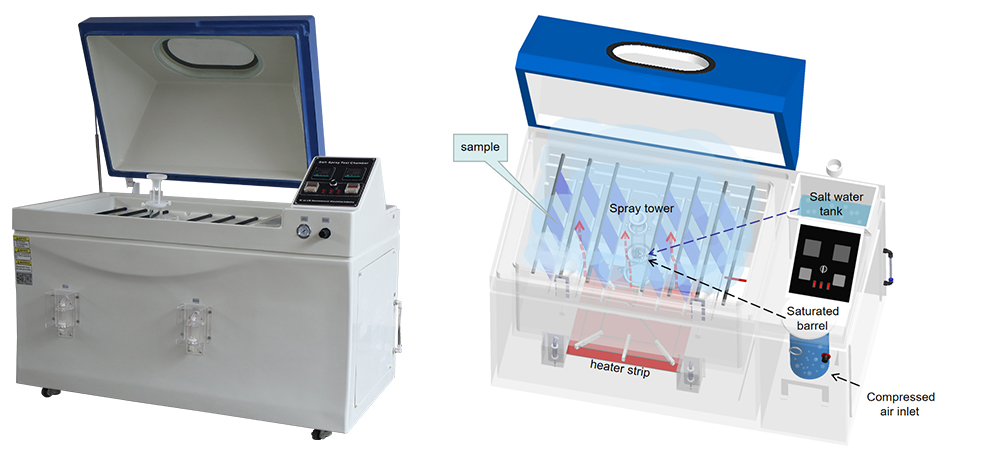
During testing, a continuous salt fog is sprayed at a controlled deposition rate of 1–2 mL per 80 cm² per hour. Samples remain exposed for a defined period ranging from 24 hours to over 1000 hours depending on product requirements. After testing, engineers evaluate rust formation, coating blistering, or surface degradation to determine corrosion resistance.
LIB's system ensures this process remains stable throughout long test cycles. The fog output is controlled by precision quartz nozzles, while temperature stability is maintained within ±0.5°C. This reduces test deviation and ensures that every sample experiences identical environmental conditions.
The advantage of LIB equipment is not only compliance with ASTM B117, but also real operational stability. For example, in long-term testing, automatic salt solution feeding and fog balancing systems reduce manual intervention, while corrosion-resistant internal structures ensure long service life even under continuous exposure to salt mist.
LIB does not provide a single solution because different industries face different corrosion challenges. For basic laboratory quality control, a standard salt spray chamber is often sufficient, focusing mainly on ASTM B117 neutral salt fog testing. It is widely used for metals, coatings, and simple durability verification.
For industries like automotive and outdoor equipment, a cyclic salt spray chamber is more suitable. This type adds humidity, drying, and temperature changes to simulate real outdoor environments. Instead of constant corrosion, it reproduces wet-dry cycles, which are closer to real road and coastal conditions.
For more extreme environments such as marine engineering, aerospace, or industrial electronics, LIB also provides combined salt fog and gas corrosion systems. These chambers introduce gases like SO₂ together with salt mist test, simulating industrial pollution and marine atmosphere at the same time.
Choosing between these systems depends on how close the testing needs to be to real-world conditions. If the goal is fast comparison testing, basic salt spray is enough. If the goal is product life prediction, cyclic or multi-gas simulation is more appropriate.
The comparison below helps explain the difference:
Feature |
|
|
|---|---|---|
Environment | Continuous salt fog | Alternating salt, humidity, drying, temperature |
Complexity | Lower | Higher |
Test realism | Moderate | Higher |
Typical use | General coating screening | Automotive, transportation, outdoor products |
Chamber requirement | Standard Salt Spray Corrosion Test Chamber | Advanced programmable Salt Spray Corrosion Test Chamber |
Q1: How long should a salt spray test run?
Test duration depends on the material and coating type. Some finishes show visible corrosion in 48 hours, while automotive-grade materials may require 500–1000 hours of continuous exposure. LIB chambers are designed for long, stable, uninterrupted operation.
Q2: Which standards does the LIB chamber comply with?
LIB salt spray chambers support multiple international standards, including ASTM B117, ISO 9227, ASTM G85, SAE J2334, and various automotive specifications, enabling global certification testing.
Q3: What technical support does LIB provide?
LIB offers remote installation guidance, operation training, and lifetime technical support. If needed, on-site engineer service can also be arranged based on project requirements.
Q4: How is the equipment shipped safely?
All chambers are protected using a three-layer packaging system: waterproof wrapping, shock-absorbing foam, and export-grade wooden crates, ensuring safe delivery by sea, air, or railway.
Salt spray corrosion testing is not just about simulating rust; it is about predicting how a product will survive in the real world. From ASTM B117 standard testing to advanced cyclic corrosion simulation, LIB Salt Spray Corrosion Test Chambers provide a complete solution for industries that demand reliability and long-term durability validation.
Contact LIB Industry to get a tailored salt spray corrosion testing solution for your laboratory or production needs.