


In modern laboratories, accurate temperature control is essential for research, quality control, calibration, and material testing. LIB’s benchtop temperature chambers provide a compact, reliable solution for simulating a wide range of temperature conditions, enabling precise testing of materials, components, and products with ease.
A benchtop temperature chamber is a compact laboratory equipment designed to create a controlled environment with precise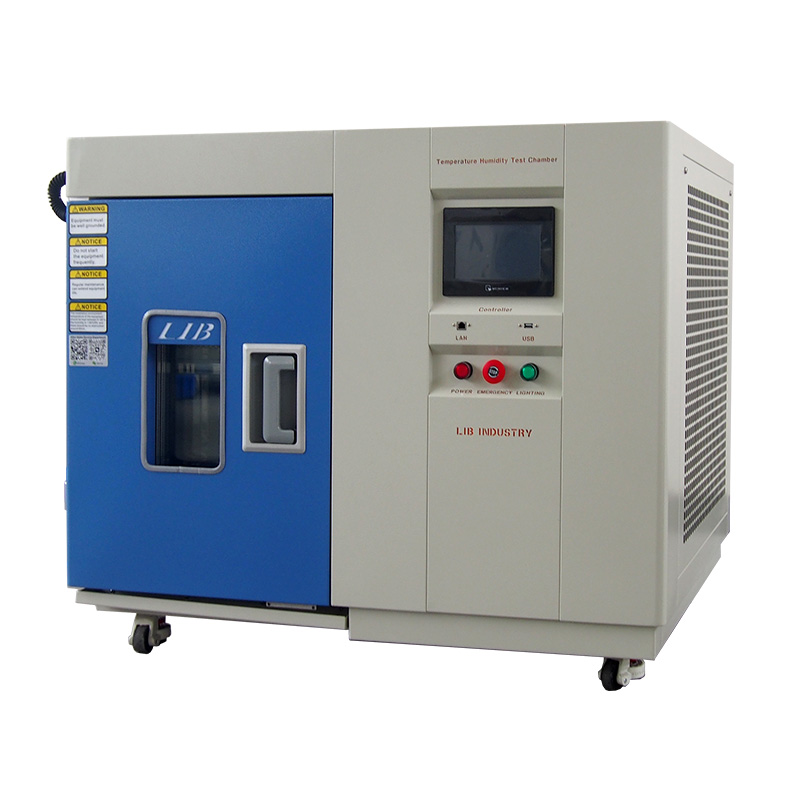 temperature regulation.It's often used for research, quality control, calibration, and material testing. These chambers offer benefits like precise temperature control, rapid temperature change, and uniform temperature distribution. They are versatile and can be applied in various industries, including electronics, pharmaceuticals, automotive, aerospace, and food and beverage. When selecting a benchtop temperature chamber, factors such as temperature range, chamber size, temperature uniformity, stability, and programming capabilities should be considered.
Primary Function
The primary function of a benchtop temperature chamber is to provide a controlled environment with precise temperature regulation.This allows for the testing and evaluation of materials, components, or products under various temperature conditions.
Design and Construction
Material Selection
The choice of materials for a benchtop temperature chamber is crucial for its performance and durability. Common materials used include: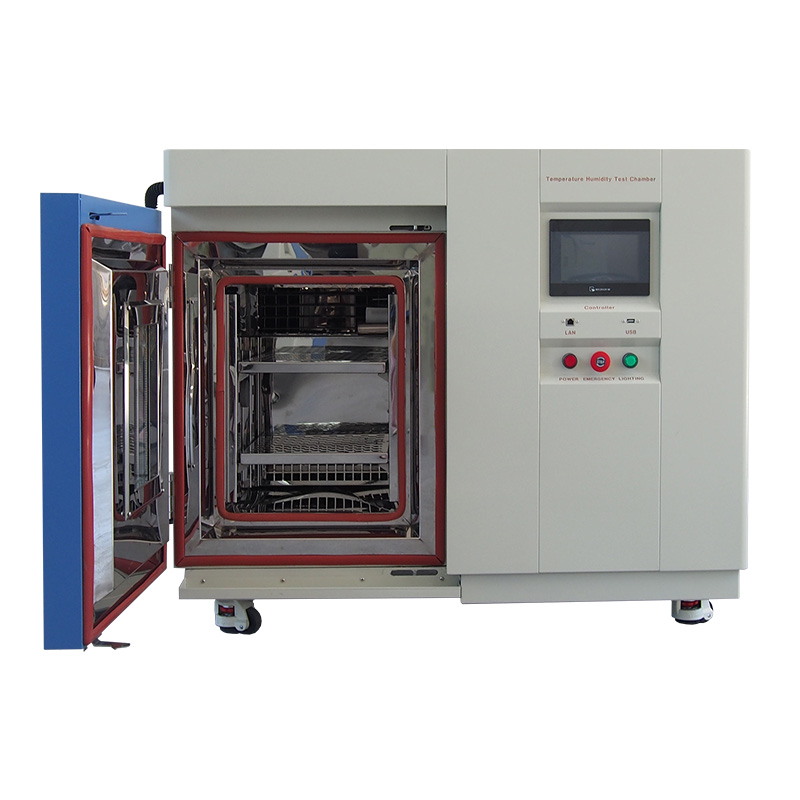
● Outer shell: Stainless steel, aluminum, or a composite material for strength and corrosion resistance.
● Inner chamber: Stainless steel or a high-temperature-resistant material to withstand the desired temperature range.
● Insulation: High-density polyurethane foam, fiberglass, or mineral wool to minimize heat transfer and maintain temperature stability.
● Heating/cooling elements: Electric heaters or refrigeration units, depending on the desired temperature range.
● Sensors: Thermocouples or RTDs for accurate temperature measurement and control.
Insulation and Temperature Control
Effective insulation is essential to maintain a stable temperature within the chamber. High-quality insulation materials help to minimize heat loss or gain, ensuring that the desired temperature is maintained. Temperature control is achieved through a combination of heating and cooling elements, along with precise sensors and a control system.
Chamber Dimensions
Chamber dimensions vary depending on the specific application and the size of the items to be tested. Factors to consider when determining chamber size include:
● Sample size: The chamber should be large enough to accommodate the maximum sample dimensions.
● Temperature uniformity: A larger chamber may be necessary to ensure consistent temperature distribution throughout the space.
● Space constraints: The chamber should fit comfortably on the lab bench or designated area.
Typical chamber dimensions range from small, desktop models to larger units capable of accommodating larger objects.
Features
Heating and Cooling Systems
Benchtop temperature chambers typically employ a combination of heating and cooling systems to achieve precise temperature control. Common heating methods include:
● Electric heaters: These provide heat energy to raise the temperature within the chamber.
● Infrared heaters: These emit infrared radiation to heat objects directly.
Cooling systems can be:
● Refrigeration units: These use a refrigerant to extract heat from the chamber, lowering the temperature.
● Peltier cooling devices: These use thermoelectric cooling to transfer heat from one side of a device to the other.
 Temperature Monitoring
 Temperature Monitoring
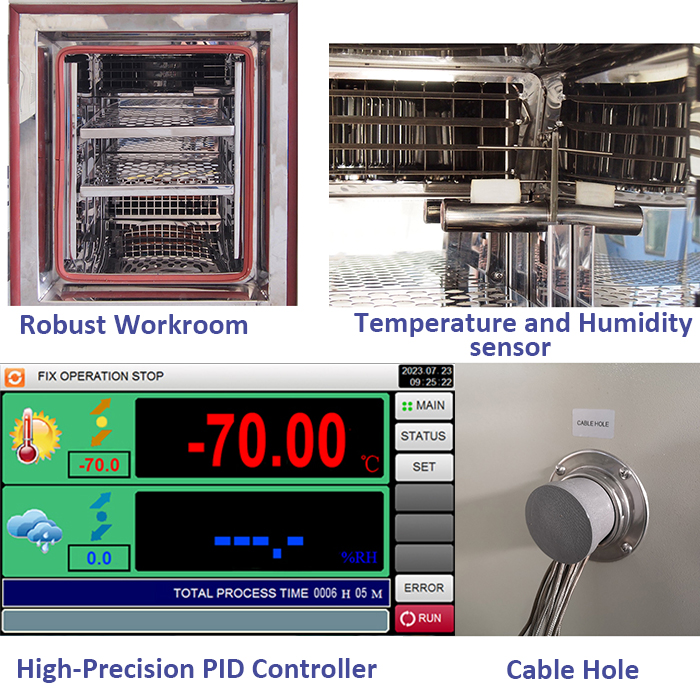
Accurate temperature monitoring is crucial for ensuring precise control and data reliability. Benchtop chambers often include:
● Thermocouples: These are widely used for measuring temperature due to their accuracy and wide temperature range.
● Resistance temperature detectors (RTDs): These offer high accuracy and stability, especially at low temperatures.
Safety System
Safety features are essential to protect both the equipment and the user. Common safety features include:
● Overtemperature protection: This prevents the chamber from exceeding a predetermined maximum temperature.
● Undertemperature protection: This ensures the chamber doesn't fall below a minimum temperature.
● Door safety interlock: This prevents the chamber from operating when the door is open.
● Emergency stop button: This allows for immediate shutdown of the chamber in case of an emergency.
Temperature Range and Uniformity
The temperature range of a benchtop temperature chamber depends on the specific heating and cooling systems used. Typical temperature ranges can vary from -40°C to +150°C or higher.
Temperature uniformity is another important factor to consider. A well-designed chamber should ensure consistent temperature distribution throughout the interior, preventing hot or cold spots. This is achieved through proper insulation, airflow design, and accurate temperature monitoring.
| Name | Benchtop Temperature Chamber | |
| Model | TH-50 | TH-80 |
| Internal dimension (mm) | 320x350x450 | 400x400x500 |
| Overall dimension (mm) | 800x1050x950 | 900×1100×1000 |
| Temperature range | -20℃ ~+150 ℃ | |
| Low type | Ⅰ: -40℃ Ⅱ: -70℃ Ⅲ: -86℃ | |
| Temperature fluctuations | ± 0.5 ℃ | |
| Humidity Range | 10%/20%~95% | |
| Temperature deviation | ± 2.0 ℃ | |
| Heating rate | 3 ℃ / min | |
| Cooling rate | 1 ℃ / min | |
| Temperature Sensor | PTR Platinum Resistance PT100Ω/MV A-class | |
| Temperature Resolution | ± 0.001 ℃ | |
Applications
Electronics Testing
Benchtop temperature chambers are widely used in the electronics industry for various testing purposes, including:
● Thermal shock testing: Simulating rapid temperature changes to assess component reliability and durability.
● Thermal cycling testing: Evaluating the performance of components under repeated temperature fluctuations.
● Temperature stability testing: Assessing the ability of components to maintain their performance over a wide temperature range.
● Burn-in testing: Identifying potential defects in electronic components before they are shipped to customers.
Material Durability Testing
Benchtop temperature chambers can be used to evaluate the durability of materials under different temperature conditions. This includes:
● Polymer testing: Assessing the mechanical properties, thermal expansion, and aging of polymers at various temperatures.
● Metal testing: Evaluating the strength, fatigue, and corrosion resistance of metals under extreme temperature conditions.
● Composite testing: Assessing the mechanical properties, thermal stability, and moisture resistance of composite materials.
Product Quality Assurance
Benchtop temperature chambers play a vital role in ensuring product quality by:
● Simulating real-world conditions: Testing products under the temperature extremes they may encounter during storage, transportation, or use.
● Identifying potential defects: Identifying product failures or performance issues that may occur under certain temperature conditions.
● Verifying product compliance: Ensuring that products meet industry standards and regulations related to temperature performance.
● Improving product reliability: Identifying areas for improvement in product design or manufacturing processes to enhance temperature resistance.
Performance and Reliability
Calibration and Maintenance
Regular calibration and maintenance are essential for ensuring the accuracy and reliability of a benchtop temperature chamber. Calibration involves comparing the chamber's temperature readings to a known standard to verify its accuracy. Maintenance tasks include:
● Cleaning: Regularly cleaning the chamber's interior and exterior to prevent contamination and ensure proper operation.
● Sensor calibration: Calibrating the temperature sensors to maintain accuracy over time.
● Filter replacement: Replacing filters in the cooling system to ensure efficient operation.
● Routine inspections: Inspecting the chamber for any signs of wear, damage, or malfunctions.
Lifespan and Durability
The lifespan of a benchtop temperature chamber depends on factors such as usage frequency, maintenance practices, and the quality of the components. With proper care and maintenance, a chamber can have a lifespan of several years.
Accuracy and Stability
The accuracy and stability of a benchtop temperature chamber are crucial for reliable testing results. Factors that influence accuracy and stability include:
● Sensor quality: High-quality sensors are essential for accurate temperature measurements.
● Insulation effectiveness: Effective insulation helps to maintain a stable temperature within the chamber.
● Control system precision: A precise control system ensures accurate temperature regulation.
● Calibration frequency: Regular calibration helps to maintain accuracy over time.
By following proper calibration, maintenance, and usage practices, you can ensure the long-term performance and reliability of your benchtop temperature chamber.
Installation and Operation
Any customization can be made. LIB offers a 3-year warranty and lifetime service. Any issues that cannot be resolved during the warranty period will be replaced free of charge. 24/7 English-speaking after-sales team. Fast shipping within 7-15 days.

Setup Procedures
1.Site Selection: Choose a suitable location for the chamber, ensuring it has adequate ventilation, power supply, and space for operation.
2.Unpacking and Inspection: Carefully unpack the chamber and inspect it for any damage during shipping.
3.Power Connection: Connect the chamber to a reliable power source, ensuring the voltage rating matches the chamber's requirements.
4.Calibration: If necessary, calibrate the chamber's temperature sensors using a certified reference standard.
5.Initial Temperature Test: Perform a test run to verify the chamber's ability to reach and maintain the desired temperature range.
Operating Instructions
● Temperature Setting: Set the desired temperature using the chamber's control panel or software interface.
● Chamber Loading: Load the test samples into the chamber, ensuring they are evenly distributed and not blocking airflow.
● Door Closure: Close the chamber door securely to maintain a controlled environment.
● Temperature Stabilization: Allow the chamber to stabilize at the set temperature before starting the test.
● Test Duration: Set the desired test duration or use a programmed temperature profile.
● Data Recording: Record relevant data, such as temperature readings, test parameters, and observations.
Troubleshooting
If you encounter issues during operation, try the following troubleshooting steps:
●Check Power Supply: Ensure the chamber is connected to a reliable power source and the circuit breaker is not tripped.
●Verify Temperature Sensor: Check the temperature sensor for any damage or malfunctions.
●Inspect Insulation: Inspect the chamber's insulation for any damage or gaps that could affect temperature control.
●Clean Filters: Clean or replace filters in the cooling system to improve performance.
●Consult User Manual: Refer to the chamber's user manual for specific troubleshooting guidelines and error codes.
If you are unable to resolve the issue, contact the manufacturer's technical support for assistance.
In conclusion, benchtop temperature chambers are versatile laboratory equipment that offer precise temperature control and a wide range of applications. They are ideal for research, quality control, calibration, and material testing in various industries. By understanding the features, benefits, and applications of benchtop temperature chambers, you can select the right equipment to meet your specific needs and achieve accurate and reliable test results.
Discover how LIB's benchtop temperature chambers can elevate your testing capabilities. Contact LIB Industry now to learn more or request a quote.


