


Scientists often use relative humidity to describe the amount of water vapor in the air. Simply put, imagine the air as a towel. If you spill a glass of water, you can use a towel to soak up the water. But a towel can actually absorb more water than a cup. Perhaps he can absorb five to ten glasses of water. The amount of water vapor in the air is only a fraction of what the air can hold, so relative humidity is a percentage. When the relative humidity is one hundred percent, the air is saturated. Like a wet towel, the air can no longer hold moisture. Evaporation and deposition are in equilibrium when the relative humidity is 100 percent and the air is saturated. Reaching equilibrium again accounts for the increased amount of evaporation, as moisture precipitates.
Recently, a customer shared positive feedback after implementing our temperature and humidity chamber for calibration work, noting its stable control performance, uniform humidity distribution, and user-friendly interface. The chamber has significantly improved their calibration efficiency and repeatability. A high-performance environmental chamber is not just supporting equipment — it is the foundation for precise hygrometer calibration and long-term measurement reliability.
What is Humidity?
Humidity indicates the amount of water vapor in a gas, and there are two ways to express absolute humidity and relative humidity. Absolute humidity refers to the absolute amount of water vapor in a gas, and the most commonly used unit is g/m^3. At a certain temperature and pressure, the water vapor contentper unit volume has a certain limit, which is called saturated water vapor content. Relative humidity refers to the ratio of the absolute content of water vapor in a gas to the saturated water vapor content in the same volume of gas at the same temperature and pressure, and the commonly used symbol is %R.H. Hygrometers are used in a wide range of applications, such as in ultra-pure metal smelting, textile processing, production processes such as paper and printing and dyeing, as well as food storage and meteorological measurements, where hygrometers are often required to measure or control the humidity of air or industrial process gases.
Hygrometer Accuracy
When selecting a humidity sensor, the first step is to clearly determine the required humidity measurement range, just as you would when choosing instruments for temperature or weight measurement. In most industrial and commercial applications, a full-range measurement of 0–100%RH is unnecessary. Only specialized fields such as meteorology, laboratories, or scientific research typically require complete humidity range monitoring.
Humidity measurement accuracy is one of the most critical performance indicators of a humidity sensor. Generally, the higher the accuracy requirement, the more advanced the manufacturing process and calibration technology required, which significantly increases the sensor cost. Therefore, users should choose sensor accuracy according to actual application needs rather than pursuing extremely high precision unnecessarily.
Temperature influence is another important factor that cannot be ignored. Relative humidity is directly related to temperature, and even small temperature fluctuations can greatly affect humidity readings. For example, a temperature variation of only 0.1°C may result in approximately 0.5%RH measurement deviation. If the testing environment cannot maintain stable temperature conditions, selecting an ultra-high-precision humidity sensor may not provide practical benefits.
For most industrial environments, humidity accuracy of ±5%RH is already sufficient, especially when the measured area is not fully enclosed or lacks precise temperature control systems. In applications requiring stable climate simulation, constant temperature and humidity control, or continuous humidity monitoring and recording, sensors with ±3%RH accuracy or better are typically recommended.
Achieving humidity measurement accuracy better than ±2%RH is extremely challenging. Not only does the sensor itself require highly sophisticated manufacturing and calibration, but even the standard humidity calibration equipment must meet exceptionally strict requirements. In most cases, the accuracy specifications provided by manufacturers are obtained under controlled laboratory conditions, usually around 20°C ±10°C and within clean, contamination-free air environments.
In practical operation, environmental factors such as dust, oil vapor, corrosive chemicals, and harmful gases can gradually affect sensor performance. Over time, electronic humidity sensors naturally experience aging, leading to accuracy drift. Under normal operating conditions, annual drift is commonly around ±2%RH, and in harsh environments, the deviation may become even larger. For this reason, manufacturers generally recommend recalibrating humidity sensors every one to two years to maintain reliable measurement performance.
Requirements for Humidity Performance
1. Indication error
According to the actual situation of the production and use of the hygrometer. Humidity indication error is set as: ±5%RH (40%RH~70%RH, 20°C), ±7%RH (below 40%RH or above 70%RH, 20°C).
This is for the following reasons:
A.The ex-factory indicators of industrial mechanical hygrometers produced by domestic manufacturers are generally: ±5%RH.
B. In industry, the actual ambient humidity range is generally between 40%RH and 70%RH, and the temperature is generally around 18°C to 25°C. This range has higher requirements for temperature and humidity.
C. Mechanical hygrometers such as hair are low-grade instruments, generally not suitable for special occasions such as low humidity, high temperature and high humidity.
D. The parameter of relative humidity is dependent on temperature, so the technical index of relative humidity should be given at a certain temperature.
E. The original regulations did not make any regulations on the error of the wet indication value of the instrument, which brings great inconvenience to the user.
2. Humidity hysteresis error
The hysteresis error is set at: 3%RH.In the original regulations, it is called humidity variation, which is 5%RH. According to the experimental results, the hysteresis error of the mechanical hygrometer is only 1%RH.
3. Repeatability
Set the humidity at 2%RH. Obtained from the experimental results.
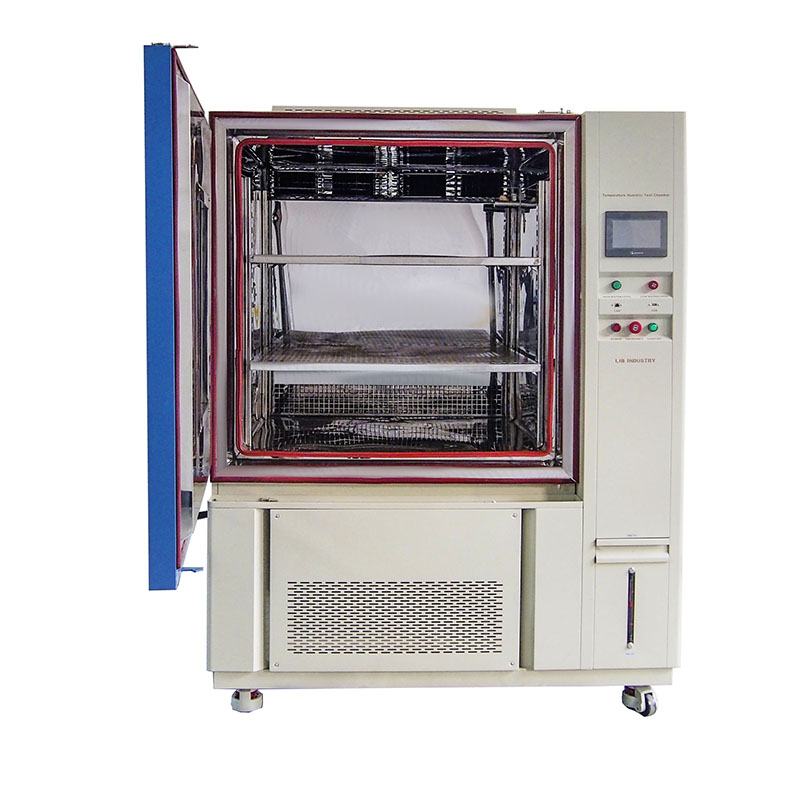
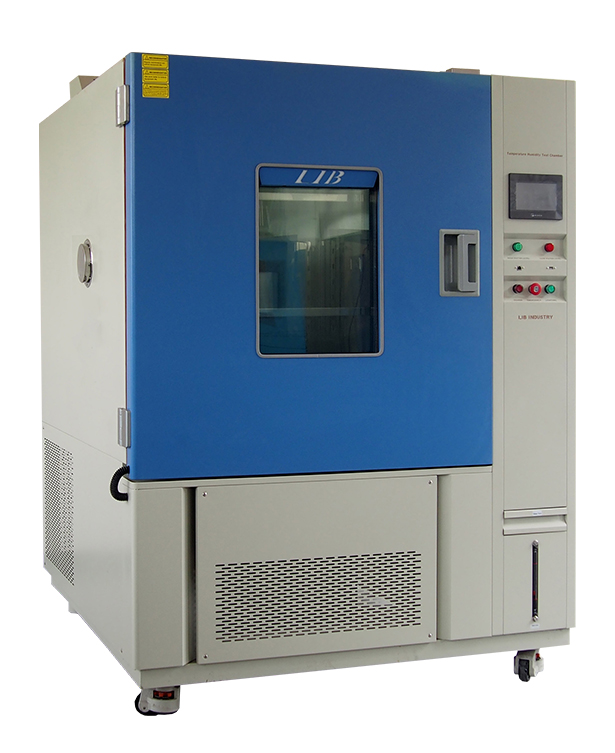
LIB Calibration Equipment
It mainly refers to the temperature and humidity test chamber. In order to ensure that the uncertainty of the test results meets the requirements, its main technical indicators are specified in detail. Considering that the relative humidity verification must be carried out at a constant temperature, the chamber must have a temperature adjustment function.
  | |||||
Temperature range | -20℃ ~+150 ℃ | ||||
Low type | A: -40℃ B:-70℃ C -86℃ | ||||
Humidity Range | 20%-98%RH | ||||
Temperature deviation | ± 2.0 ℃ | ||||
Heating rate | 3 ℃ / min | ||||
Cooling rate | 1 ℃ / min | ||||
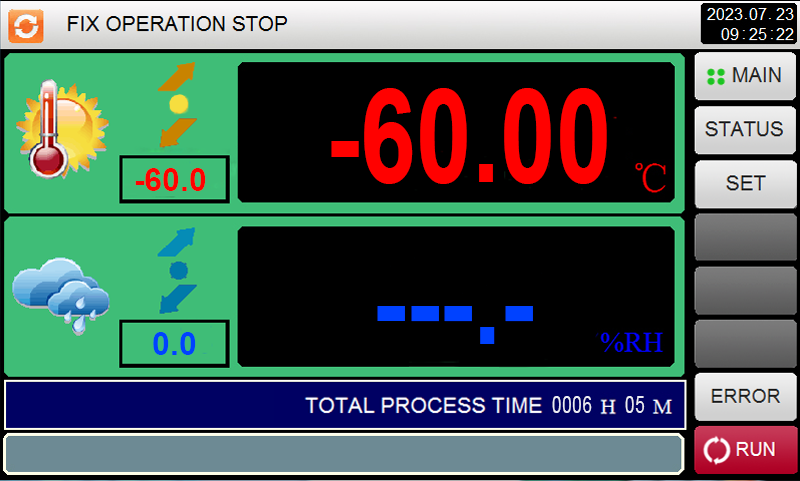
Controller | Programmable color LCD touch screen controller, Multi-language interface, Ethernet , USB | ||||
Refrigerant | R404A, R23 | ||||
Exterior material | Steel Plate with protective coating | ||||
Interior material | SUS304 stainless steel | ||||
Standard configuration | 1 Cable hole (Φ 50) with plug; 2 shelves | ||||
Timing Function | 0.1~999.9 (S,M,H) settable | ||||
|
| 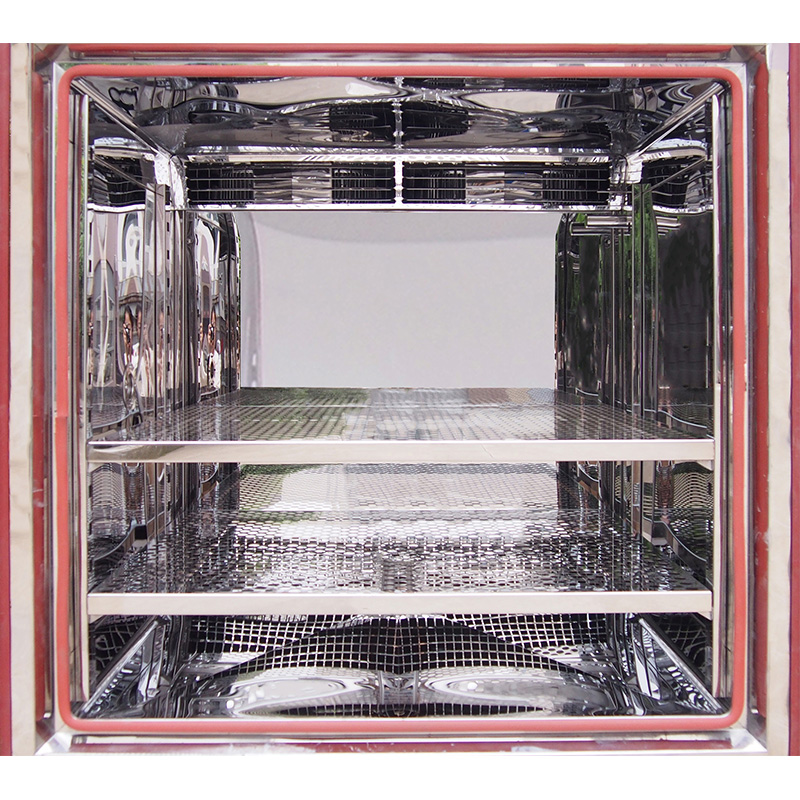 | 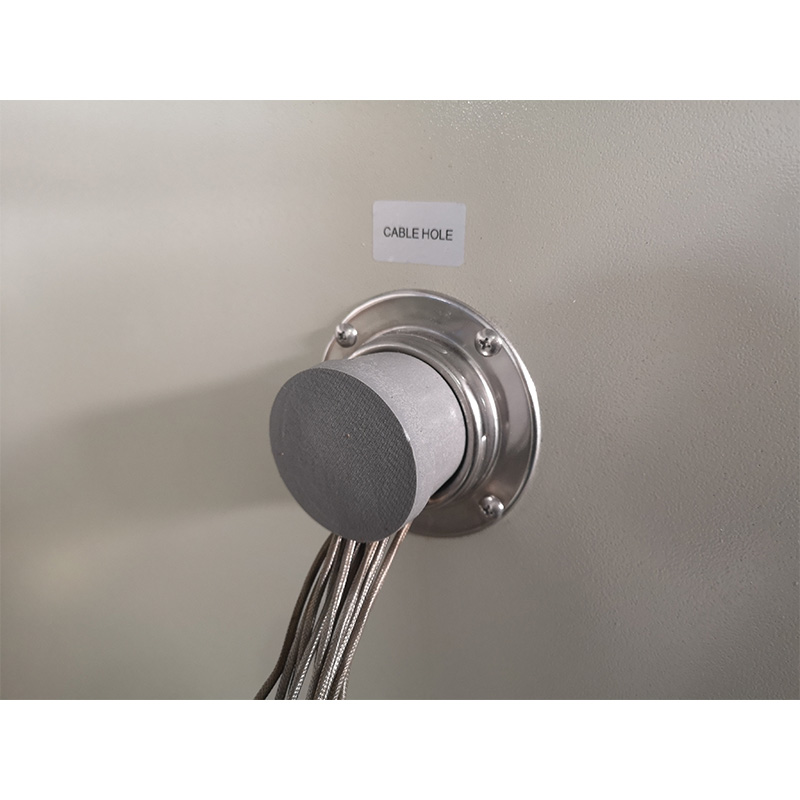 |
Touch screen controller | The compressor | Robust Anti-Corrosion Workroom | Integrated Power Access hole |

The technical indicators of the standard device and supporting equipment are very critical. It must be set just right, which can not only meet the verification requirements of the mechanical temperature and humidity meter, but also meet the actual national conditions. In the process of formulating the regulations, based on the results of the uncertainty assessment, combined with the actual situation of the equipment that the market can provide, we properly adjust the uncertainty components of the standard and supporting equipment, and then determine the technical indicators based on the component values.
Calibration Procedure
Preparations
The probe of the standard is placed in the central position of the temperature and humidity chamber, and the tested instrument is effectively placed in the chamber.In the space, the way and amount of placement should not affect the air circulation in the chamber. The studio of the chamber shall ensure air tightness and shall not place wet or strong hygroscopic materials.
Methods
One common calibration method is to place a calibrated standard hygrometer inside the constant temperature and humidity chamber. The chamber is then programmed to operate at a specific humidity level. After the internal environment becomes stable, the humidity value displayed by the chamber is compared with the reading from the standard hygrometer. If there is any deviation between the two readings, the chamber’s humidity control settings can be adjusted until the measured values match more closely.
Another practical approach is to use a high-accuracy reference hygrometer with known calibration performance. The reference instrument is positioned inside the chamber while the system runs at a predetermined humidity condition. Once temperature and humidity stabilize, the operator compares the chamber reading with the reference hygrometer value. Based on the difference, the humidity control parameters of the chamber are fine-tuned to improve measurement accuracy and ensure more reliable humidity control performance.
LIB Constant Temperature and Humidity Test Chamber
Extended choice of options fitted to your testing. You can select your chamber from the door, refrigeration system, controller, language and so much more. Please contact us for further information. LIB Industry provides professional constant temperature and humidity test chambers designed for accurate hygrometer calibration and environmental reliability testing. Looking to improve your humidity calibration accuracy and testing stability? Contact LIB Industry today to get a customized solution tailored to your application.


