Views: 0 Author: Site Editor Publish Time: 2026-07-10 Origin: Site


Manufacturers cannot afford to release products that fail under environmental stress. Accelerating product lifecycle testing mitigates these catastrophic failure risks before they reach the consumer. A humidity temperature chamber acts as a business-critical tool to compress years of environmental wear into a few short weeks.
Selecting the right equipment requires understanding the underlying thermodynamic and psychrometric mechanics at play. These technical principles directly dictate whether your testing meets stringent compliance standards, such as ICH guidelines for pharmaceuticals or MIL-STD for defense electronics. Without precise environmental control, companies face the costly reality of false failures, delayed product launches, and strict regulatory rejections.
This guide will help you evaluate how accurate environmental simulation translates to testing reliability and a strong return on investment. You will learn how to navigate system integration, avoid common simulation pitfalls, and specify the ideal equipment for your laboratory. We break down complex technical requirements into actionable procurement insights.
1. System Integration: Climatic simulation relies on the synchronized operation of heating, refrigeration, and moisture-injection subsystems controlled by advanced PID algorithms.
2. Compliance Dependency: Accurate real-world simulation prevents costly false passes/fails, ensuring compliance with industry-specific testing parameters.
3. Selection Criteria: Evaluating a chamber requires looking beyond peak temperatures to assess thermal mass compensation, recovery time, and sensor drift.
4. Total Cost of Ownership: Proactive assessment of facility requirements (water purity, heat exhaust) and maintenance mitigates long-term operational risks.
Reaching extreme temperatures requires robust thermal control mechanisms. Mechanical refrigeration serves as the backbone for the cooling process. Standard single-stage compressors handle moderate cooling needs. However, reaching ultra-low temperatures requires specialized cascade systems. Cascade refrigeration links two distinct cooling loops together, allowing the system to achieve temperatures as low as -70°C efficiently. On the heating side, systems typically utilize nichrome wire heaters. These bare-wire elements possess low thermal mass, meaning they heat up and cool down almost instantly to provide rapid thermal response.
Generating heat and cold is only the first step. The system must distribute this conditioned air evenly. Airflow dynamics act as the crucial delivery mechanism across the testing workspace. Powerful circulation fans push air through specially designed baffle systems. This constant, directed movement prevents stagnant air pockets. Consistent airflow guarantees that every component under test experiences the exact same thermal stress, regardless of its physical placement on the shelf.
Moisture regulation involves the precise addition and extraction of water vapor. To increase humidity, chambers use distinct vapor generation methods. Steam generators boil water in an external tank and inject the resulting pure vapor into the airstream. This method provides highly stable moisture levels. Alternatively, atomizing nozzles spray a microscopic mist directly into the chamber. This technique uses less energy but requires rigorous water purity to prevent clogs.
Dehumidification proves equally important, especially when simulating arid conditions. This process relies on dew point mechanics. As the system draws air across dedicated cooling coils, it lowers the air temperature below its dew point. The airborne moisture then condenses onto these chilled coils. The system collects these water droplets and drains them away, effectively extracting moisture from the testing environment.
The proportional-integral-derivative (PID) controller acts as the central brain of any climatic test chamber. Heat and moisture naturally compete against each other. For example, injecting steam inevitably raises the internal temperature. The PID controller constantly calculates the difference between your desired setpoint and the current internal conditions. It then dictates exact, split-second power outputs to the heaters, compressors, and humidifiers.
This intelligent calculation prevents overshoot and maintains tight steady-state conditions. However, the PID controller can only perform as well as the data it receives. The accuracy of any humidity temperature chamber relies heavily on sensor quality. Capacitive sensors offer rapid response times, making them ideal for dynamic testing profiles. Conversely, chilled mirror hygrometers provide superior long-term baseline accuracy, which benefits extensive, months-long stability studies.
High simulation fidelity directly supports rigorous regulatory frameworks across multiple industries. The pharmaceutical sector relies on International Council for Harmonisation (ICH) guidelines. These rules dictate strict temperature and humidity tolerances for long-term drug stability testing. Even a slight deviation can invalidate months of expensive research.
Similarly, the electronics and aerospace industries depend on IEC and MIL-STD protocols. These frameworks simulate harsh real-world environments, from jungle humidity to high-altitude freezing temperatures. A chamber must replicate these extremes accurately to prove a product is safe for consumer or military deployment. Simulation precision prevents you from passing a defective product or failing a perfectly good one.
Evaluating performance requires understanding two distinct metrics: constancy and uniformity. Constancy refers to stability over time at a single, fixed point. It answers whether the center of the workspace stays at exactly 85°C for 100 hours. Uniformity measures the variance across different spatial points inside the workspace at the exact same moment. It answers whether the top left corner is the same temperature as the bottom right corner.
Poor uniformity introduces severe business risks. It creates untested blind spots. If the edges run cooler than the center, products placed near the walls receive less thermal stress. This leads to uneven pharmaceutical degradation or localized failures on printed circuit boards. You might ship a batch of products assuming they passed, only to face widespread field failures later.
Tip: Always request a spatial mapping report from the manufacturer. Demand verification based on standard protocols like IEC 60068-3-5 to confirm the stated uniformity before finalizing your purchase.
| LIB Popular Temperature Humidity Chambers | |||
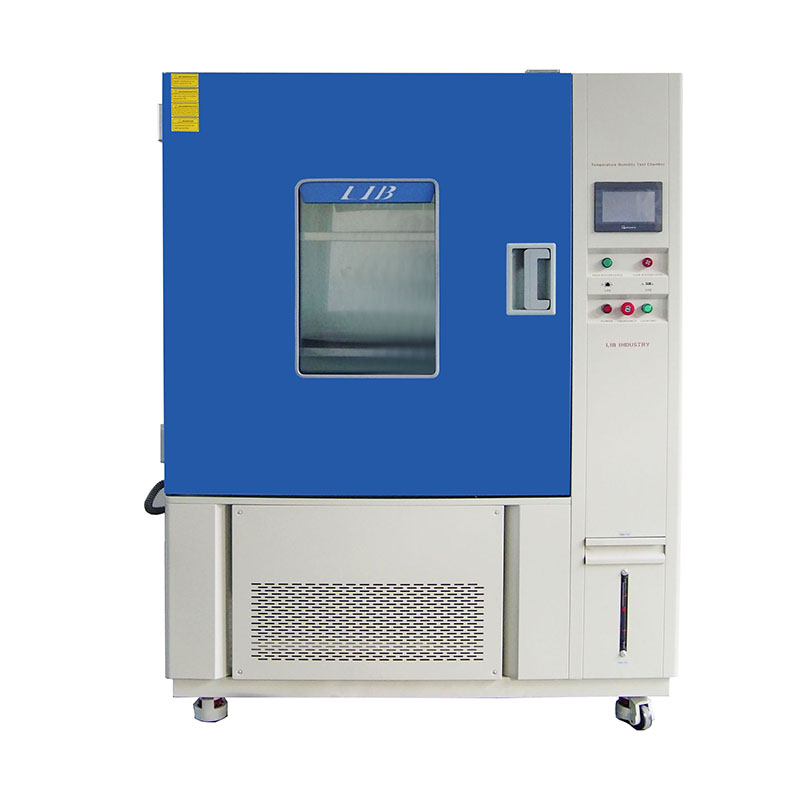
Standing temperature humidity chamber Precise climate simulation, Reliable long-term stability testing |
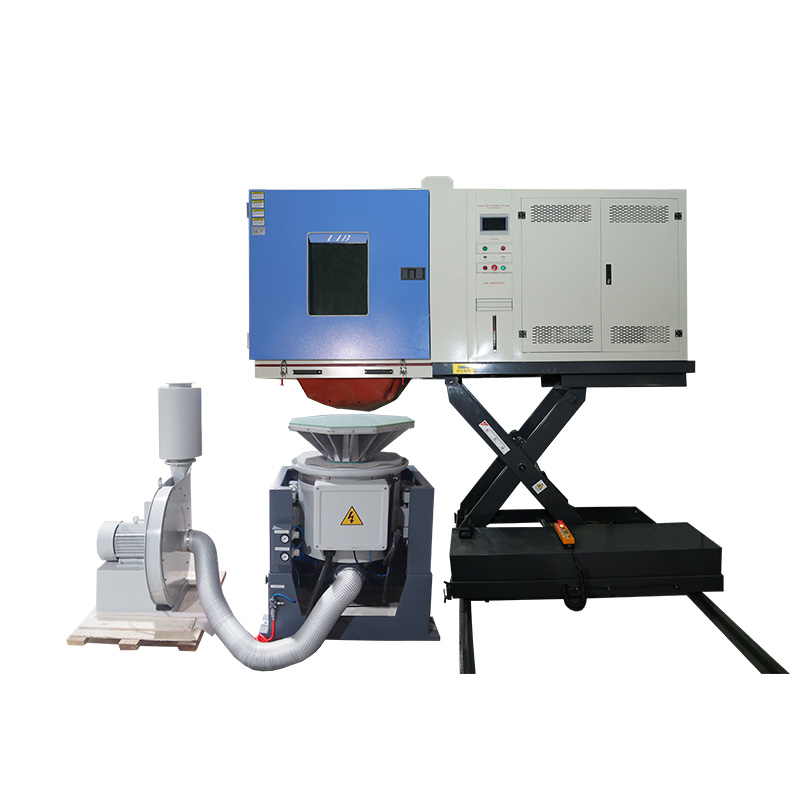
Combined Climate and Vibration Chamber Simulate temperature, humidity, and vibration stresses in one test |
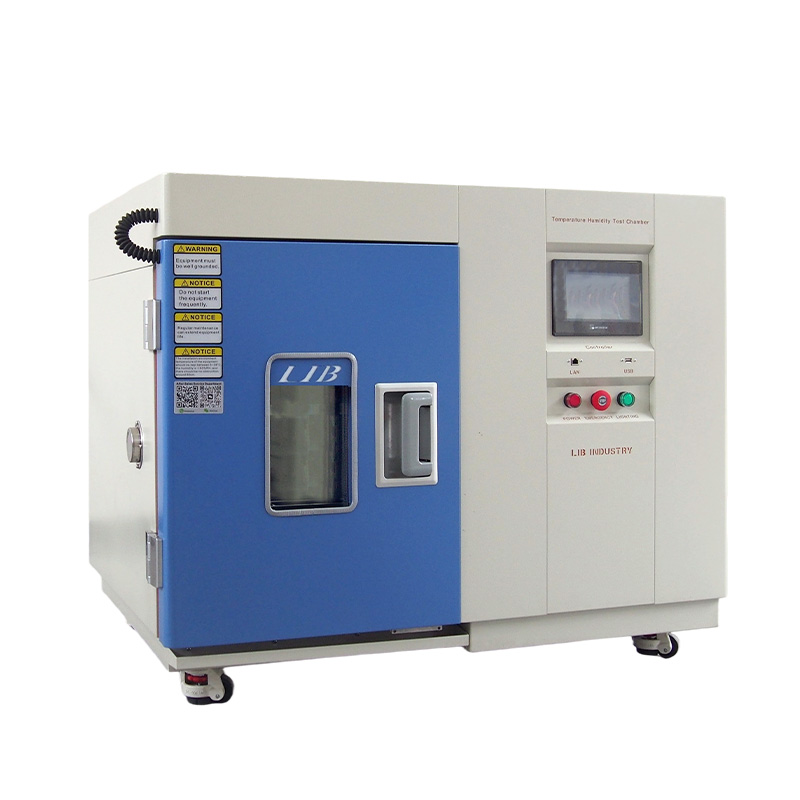
Small temperature humidity chamber Compact footprint design, High-accuracy environmental control |
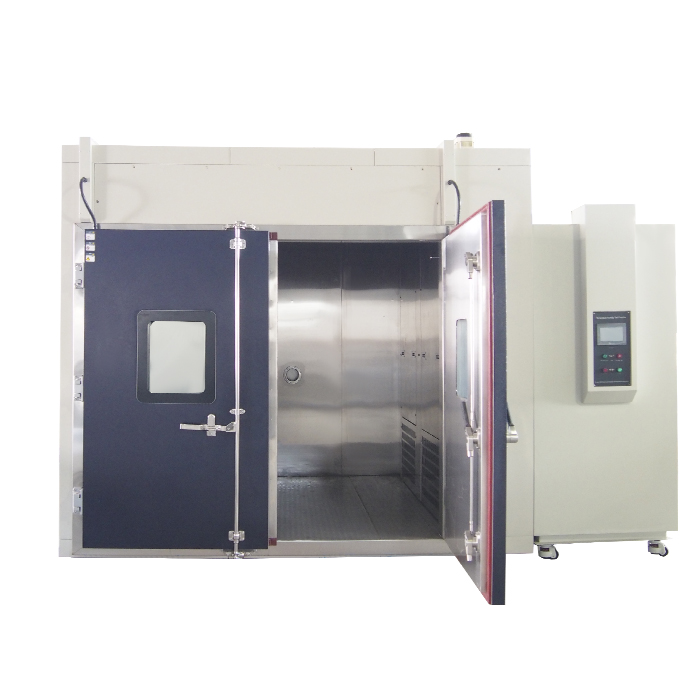
Walk-In temperature humidity chamber Large-capacity testing space, Ideal for oversized products |
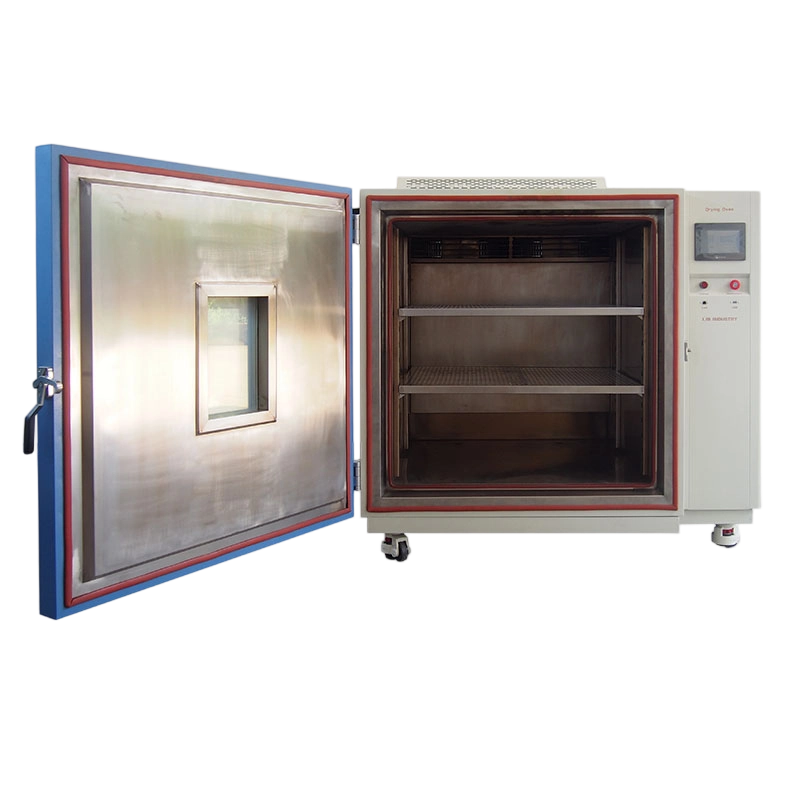
Industrial High-Temperature Vacuum Drying Oven Uniform heat distribution, Efficient material drying |
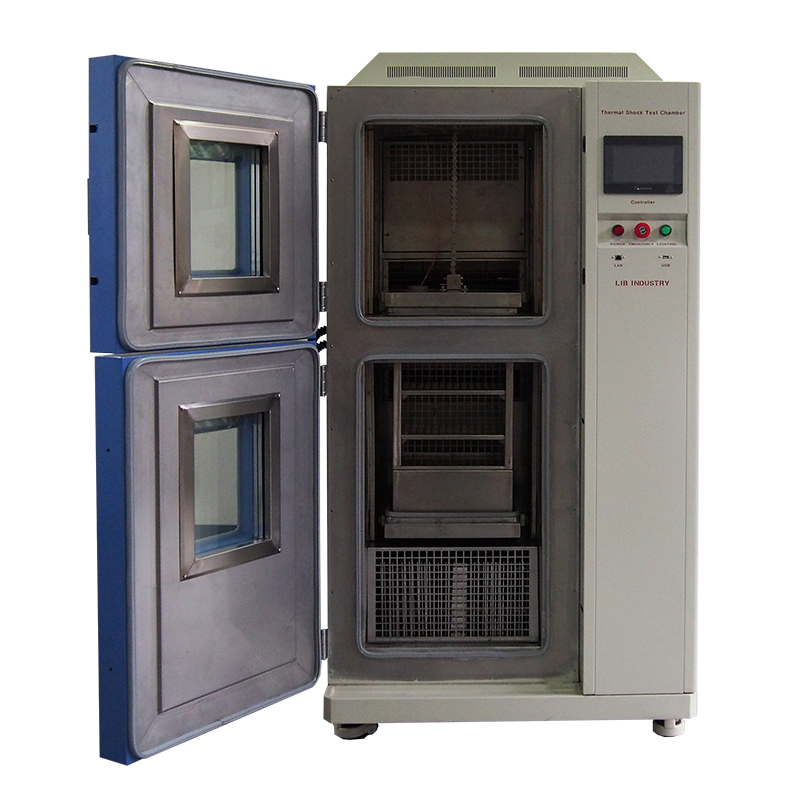
Extreme thermal stress simulation, Fast failure detection capability |
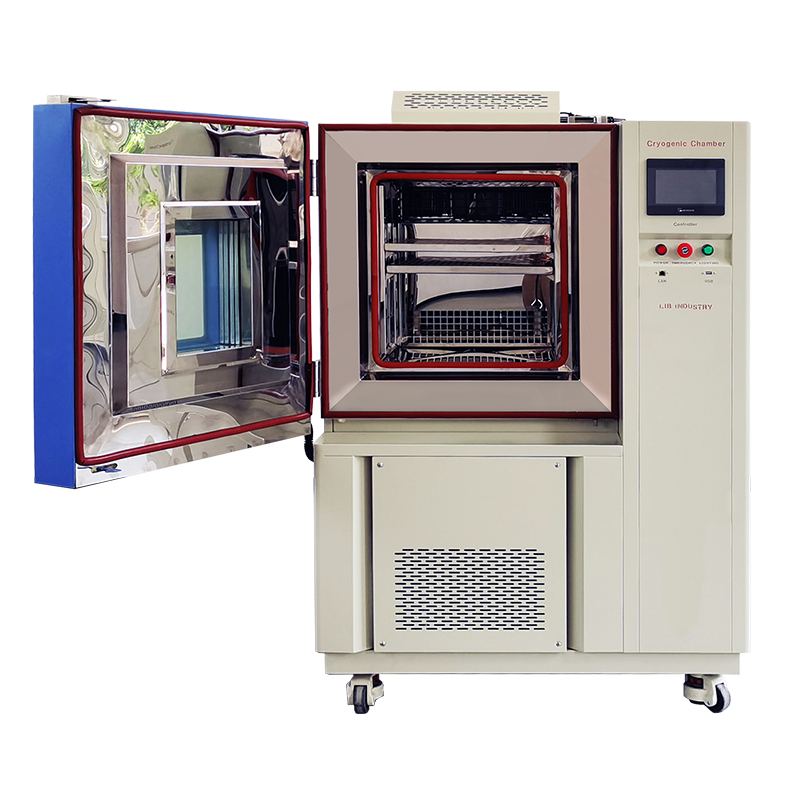
Ultra-low temperature performance, Reliable cold resistance evaluation |
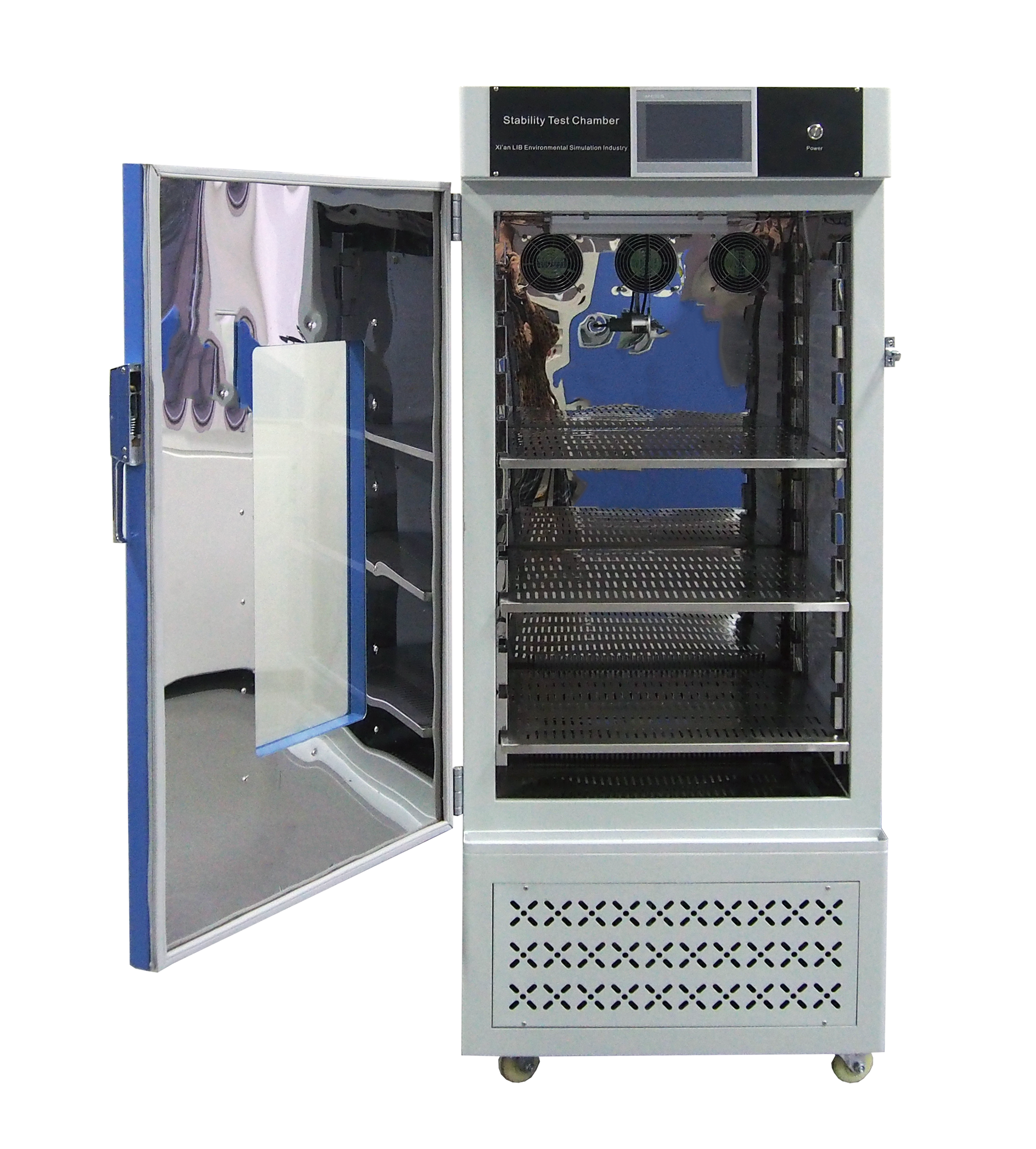
ICH-compliant stability testing, Precise temperature and humidity control |
Testing inactive materials is relatively straightforward. Testing active, heat-dissipating products creates a complex challenge known as a live load. Powered batteries, running motors, or active electronic displays generate their own heat. This internal thermal generation constantly fights against the chamber's setpoint.
This active thermal load severely strains the refrigeration system. If you ask a standard unit to cool down while testing a dozen running laptops, the cooling system might fail to reach the target temperature. You must specify cooling capacities that exceed the maximum heat output of your active products. Proactive live load calculation prevents overworked compressors and ruined testing schedules.
Rapid thermal transitions introduce a significant psychrometric risk: unintended condensation. When the air temperature drops faster than the physical temperature of the device under test (DUT), the air reaches its dew point. This causes water droplets, or "rain," to form directly on your product.
This condensation triggers false electrical shorts and accelerates localized corrosion. You can avoid this pitfall using several operational strategies:
Ramp temperatures gradually to keep the DUT and the air temperature closely matched.
Extract moisture and lower the internal humidity significantly before dropping the temperature.
Install dry air purge systems to flood the workspace with ultra-dry air during rapid cooling phases.
Ignoring water purity introduces massive operational risks. Using standard tap water seems convenient, but it contains dissolved minerals like calcium and magnesium. Inside a climatic test chamber, the water evaporates, but the minerals remain behind.
These minerals build up on heating elements, wet-bulb sensors, and cooling coils. This scale acts as an insulator, forcing heaters to work harder and skewing sensor accuracy. It ultimately leads to expensive downtime and premature component failure. To avoid this, always feed your equipment with demineralized, reverse osmosis (RO), or distilled water. Regular monitoring of the water supply conductivity keeps maintenance costs low and simulation accuracy high.
The speed at which conditions change is known as the ramp rate. Standard environmental testing typically relies on slow, gradual transitions. These simulate natural diurnal shifts, like a desert transitioning from day to night. However, discovering the breaking point of a product requires a different approach.
Highly Accelerated Life Testing pushes products to their physical limits using extreme thermal shocks. Identifying your specific testing methodology dictates the hardware you need to purchase.
| Testing Methodology | Typical Ramp Rate | Primary Application | Hardware Requirement |
|---|---|---|---|
| Standard Environmental | 1°C to 3°C per minute | Compliance, basic lifecycle simulation | Standard single or cascade refrigeration |
| HALT / Thermal Shock | 15°C to 60°C+ per minute | Stress testing, finding failure limits | Liquid nitrogen (LN2) boost, high-velocity airflow |
Buying a unit with the wrong internal dimensions ruins test validity. A common mistake involves stuffing too many products into a small space. We recommend following the strict one-third rule. The DUT should never occupy more than one-third of the total internal volume.
Leaving two-thirds of the space empty allows for proper air circulation. Crowding the workspace restricts the fans from pushing conditioned air evenly. This destroys the spatial uniformity we discussed earlier. When in doubt, scale up to the next size category to ensure optimal airflow dynamics.
Generating precise conditions means nothing if you cannot prove it. Modern testing requires robust data logging capabilities. Regulated industries demand secure, auditable data trails to satisfy government inspectors and quality assurance boards.
Ensure the included software is FDA 21 CFR Part 11 compliant. This specific standard guarantees that electronic records feature strict access controls, digital signatures, and unalterable audit trails. Secure data logging protects your company from liability and proves that your simulation ran exactly as programmed.
Tip: When calculating your required temperature change rate, base the math on the actual mass and material of your product (the thermal load). Do not rely solely on an empty chamber's advertised specifications.
Buyers often struggle to choose between standalone thermal chambers and comprehensive humidity temperature models. You must evaluate the exact demands of your testing application. Standalone thermal models handle basic material stress evaluations perfectly. If you only need to see if a plastic component cracks at -40°C, a simple temperature unit suffices.
However, moisture inclusion becomes mandatory for many critical tests. You cannot perform corrosion testing, evaluate printed circuit board reliability, or test packaging seal integrity without controlled vapor. If your test protocols require any evaluation of moisture ingress or degradation, a fully integrated system is required.
Your procurement strategy must balance capital expenditure against operational utility. Adding moisture control systems significantly increases the initial purchase price. It also introduces ongoing operational costs. You must supply purified water, maintain plumbing lines, and service delicate humidity sensors.
The shortlisting logic often comes down to future-proofing your lab capabilities versus minimizing your immediate capital outlay. Saving money today by purchasing a temperature-only unit might backfire if your product roadmap shifts. If future R&D projects involve complex electronics, sensitive adhesives, or permeable packaging, investing in a combined unit now yields a stronger return on investment. It prevents you from outsourcing tests or buying a second machine later.
A humidity temperature chamber is far more than just a heated box. It is a highly calibrated precision instrument where applied thermodynamic and psychrometric mechanics directly dictate your product's reliability. The synchronized interplay between heaters, cascade refrigeration, and vapor injection ensures that your lab accurately mimics the harshest global environments.
Aligning your equipment specifications with your exact compliance needs represents the most reliable path to a high return on investment. Carefully evaluating ramp rates, spatial uniformity, and live load capacities prevents costly operational bottlenecks. Securing the right technical capabilities directly reduces your time-to-market while safeguarding your brand reputation from field failures.
We advise all prospective buyers to conduct a comprehensive audit of their current and future testing protocols. Document your thermal mass requirements, spatial needs, and regulatory standards. Then, consult directly with specialized technical sales engineers to configure the exact machine tailored for your specific application.
A: You must use demineralized, reverse osmosis (RO), or distilled water. The water conductivity should typically range between 1 to 50 µS/cm. Using standard tap water deposits harmful mineral scale on heaters and sensors, which ruins measurement accuracy and forces expensive system maintenance.
A: The standard industry practice requires annual calibration. However, testing facilities operating under strict ISO certifications, military standards, or FDA regulations often require bi-annual calibration. Frequent calibration guarantees sensor drift does not invalidate your critical testing data.
A: Standard models can handle very small active loads. However, testing highly active components like running electronics or discharging batteries requires specialized models. These upgraded units feature enhanced refrigeration capacities to actively fight and extract the internal heat generated by the device under test.
A: Common culprits include blocked wet-bulb wicks, depleted purified water reservoirs, or faulty atomizing nozzles. Failures also occur when operators program extreme setpoints that violate fundamental psychrometric limits, such as attempting to achieve 95% relative humidity at a freezing 5°C.
Choosing the right humidity temperature chamber requires careful consideration of testing standards, temperature and humidity ranges, sample characteristics, thermal loads, and future laboratory requirements.
LIB provides advanced environmental simulation solutions designed to meet diverse testing needs across industries, including electronics, automotive, battery, aerospace, pharmaceuticals, and materials research. Our technical team can help you select the appropriate chamber configuration, optimize testing performance, and ensure compliance with international standards.
Contact LIB Industry today to discuss your application requirements and find the ideal humidity temperature chamber for your laboratory.