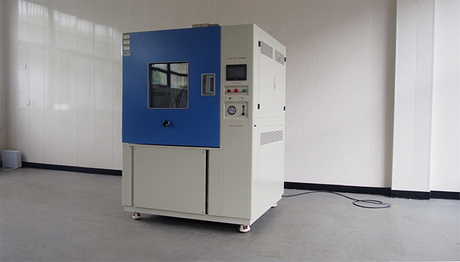
Ensuring product reliability and safety under real-world conditions is critical across industries. Advanced testing solutions allow engineers to detect potential weaknesses early, optimize designs, and prevent costly failures. Equipped with precise control systems, multi-axis capabilities, and high-resolution instrumentation, modern vibration testing solutions support critical performance evaluation for automotive, aerospace, electronics, medical devices, and more.
Vibration test chambers are crucial tools used to ensure the reliability and safety of products across various industries. These chambers simulate real-world vibration conditions, allowing engineers to identify and address potential weaknesses in product design. By exposing products to controlled vibrations, manufacturers can prevent costly failures and improve overall product quality. Vibration test chambers are equipped with vibration shakers, test chambers, control systems, and instrumentation to accurately simulate and measure vibration effects. They are available in different types, such as vertical, horizontal, multi-axis, and environmental chambers, to cater to specific testing needs. Industries like automotive, aerospace, military, consumer electronics, and medical devices rely on vibration test chambers to ensure the durability and safety of their product
Precision in Motion: Exploring Vibration Test Chambers
Essential Components for Dynamic Testing
Vibration test chambers are sophisticated instruments designed to simulate various dynamic conditions that products may encounter in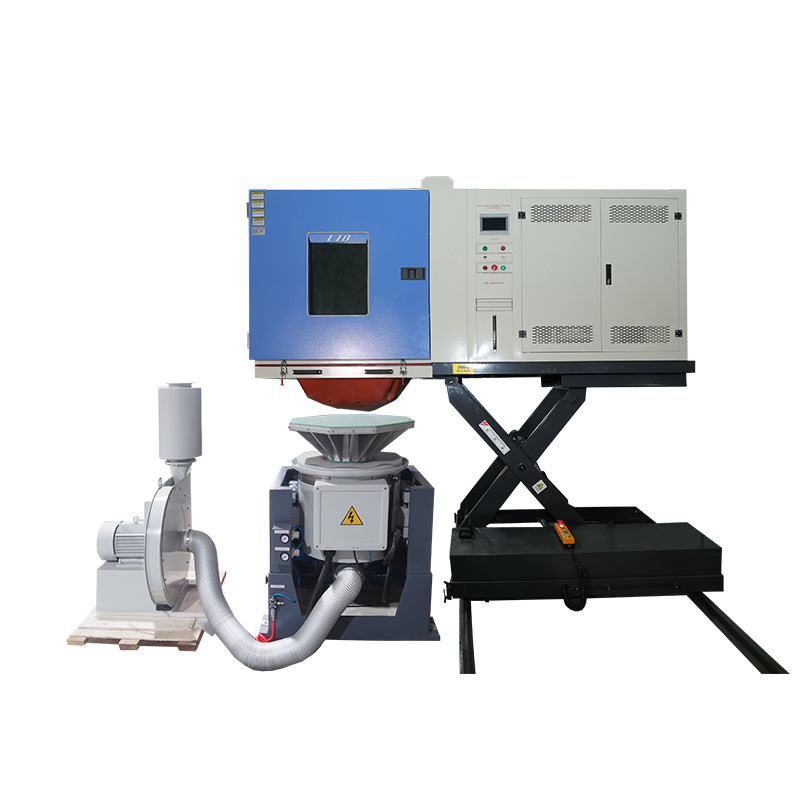 their lifetime. Key components include:
● Vibration Shaker: The heart of the chamber, it generates controlled vibrations of varying frequencies and amplitudes.
● Test Chamber: A sealed enclosure that houses the product and the shaker, providing a controlled environment with adjustable temperature and humidity.
● Control System: A computer-based system that regulates the shaker's movements, ensuring precise control over vibration parameters.
● Instrumentation: Devices such as accelerometers and displacement sensors measure the product's response to the vibrations.
Design Innovations for Enhanced Precision

● Multi-Axis Shakers: These can simulate vibrations in multiple directions simultaneously, providing a more realistic representation of real-world conditions.
● Active Control Systems: These systems use feedback mechanisms to adjust the shaker's motion in real-time, ensuring high precision and accuracy.
● Advanced Instrumentation: High-resolution sensors and data acquisition systems enable more precise measurement and analysis of vibration data.
Durable Materials for Longevity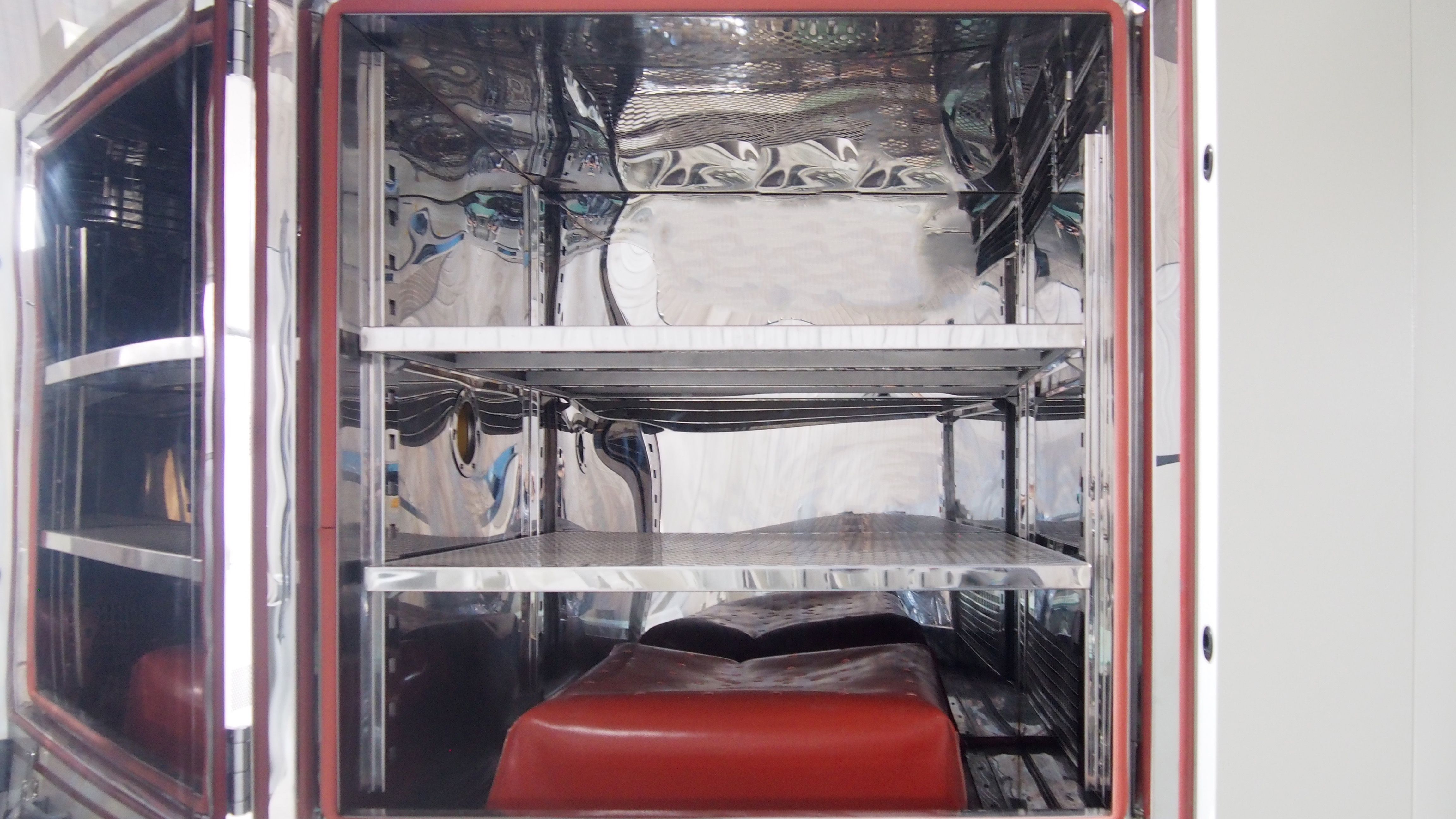
● High-Strength Materials: The chamber's structure must be able to withstand the forces generated by the shaker, requiring durable materials like steel or aluminum.
● Corrosion-Resistant Coatings: To protect against the effects of moisture and chemicals, the chamber's interior may be coated with corrosion-resistant materials.
● Vibration-Isolation Systems: These systems help to minimize external vibrations that could interfere with the test.
SUS304 Stainless Steel Workroom
Industry Impact and Applications
Safeguarding Product Reliability and Safety Standards
Vibration test chambers play a pivotal role in ensuring the reliability and safety of products across various industries. By simulating real-world conditions, these chambers help identify potential weaknesses in product design, preventing costly failures and improving overall product quality.
Advancements in Automotive and Aerospace Testing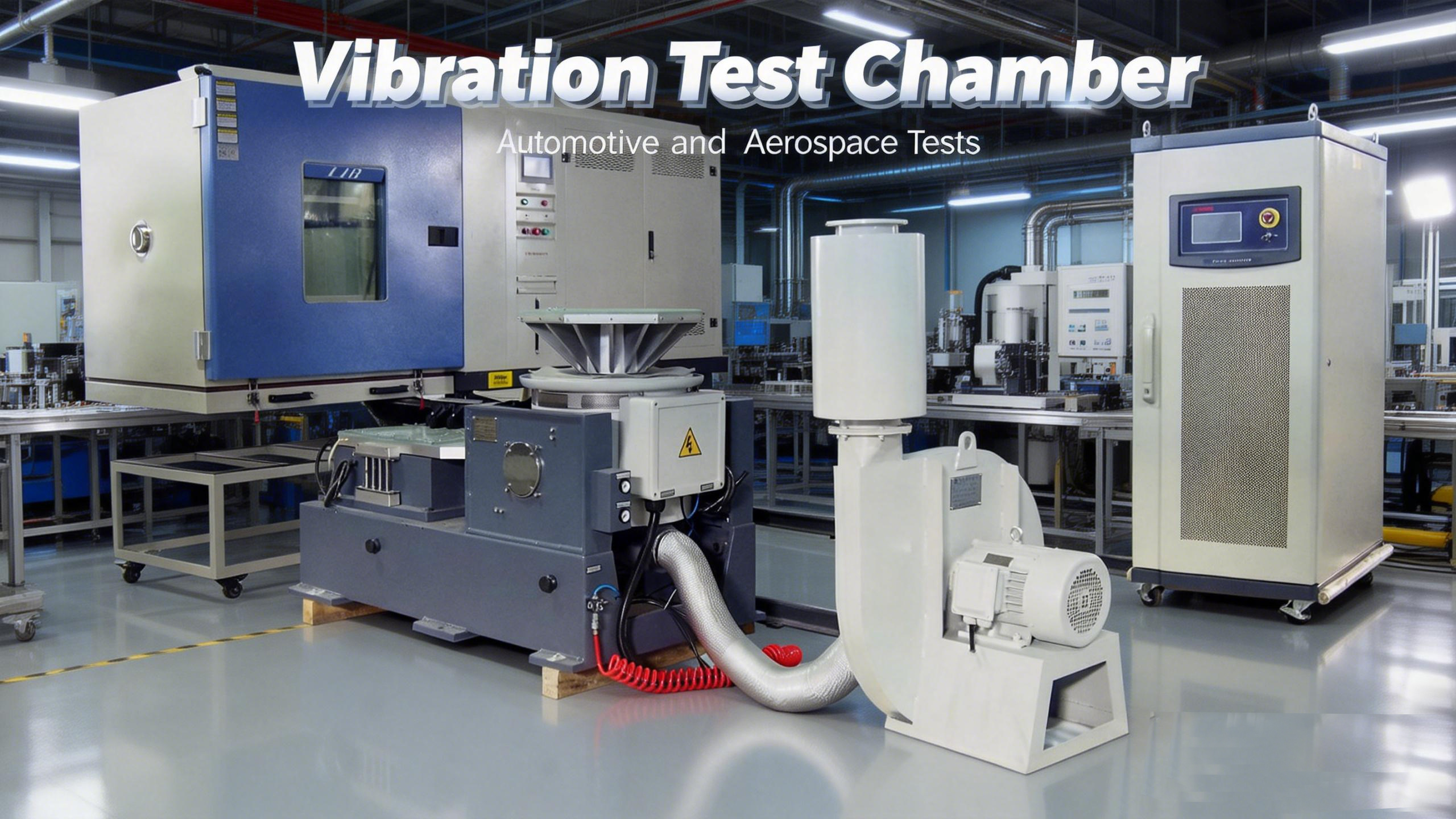
The automotive and aerospace industries have been at the forefront of adopting vibration testing. Advancements in these sectors include:
●Multi-axis testing: Simulating complex vibration patterns to replicate real-world conditions more accurately.
●Environmental testing: Combining vibration testing with temperature and humidity control to assess product performance in extreme environments.
●Advanced instrumentation: High-precision sensors and data analysis tools for more accurate measurements and insights.
Ensuring Compliance and Quality Assurance
Vibration testing is essential for ensuring compliance with industry standards and regulations. By demonstrating product durability and safety, manufacturers can:
●Reduce product recalls: Identify and address potential issues before products reach the market.
●Enhance customer satisfaction: Deliver reliable and safe products that meet consumer expectations.
●Gain competitive advantage: Differentiate products based on their superior quality and durability.
Vibration test chambers are indispensable tools for ensuring product reliability and safety. By understanding their applications and the advancements in these technologies, industries can continue to produce high-quality products that meet and exceed consumer expectations.
Maintaining Peak Performance
Proactive Maintenance Strategies
To ensure optimal performance and longevity, vibration test chambers require regular maintenance. Here are some proactive strategies:
●Routine inspections: Conduct visual inspections for signs of wear, damage, or contamination.
●Lubrication: Regularly lubricate moving parts according to the manufacturer's recommendations.
●Cleaning: Clean the chamber's interior and exterior to prevent the accumulation of dust and debris.
●Calibration: Periodically calibrate the chamber's instrumentation to ensure accurate measurements.
Mitigating Wear and Tear
● Proper usage: Follow the manufacturer's guidelines for operating the chamber to avoid excessive wear and tear.
● Controlled environments: Maintain a stable temperature and humidity within the chamber to prevent corrosion and damage.
● Avoid overloading: Do not exceed the chamber's rated capacity to prevent excessive stress on the components.
Cost-Effective Maintenance Practices
●Preventive maintenance: Regular inspections and maintenance can help prevent costly breakdowns and repairs.
●Genuine parts: Use original equipment manufacturer (OEM) parts to ensure compatibility and reliability.
●Trained technicians: Employ qualified technicians with experience in vibration test chamber maintenance.
●Regular updates: Stay informed about the latest maintenance techniques and technologies.
By following these guidelines, you can effectively maintain the peak performance of your vibration test chamber, ensuring its reliability and longevity.
Future Frontiers in Vibration Testing
Innovations in Vibration Control Technologies
● Advanced Control Systems: Expect further advancements in active control systems, enabling more precise and adaptive control of vibrations.
● Smart Materials: The integration of smart materials, such as piezoelectric materials, can revolutionize vibration damping and isolation techniques.
● Machine Learning: Machine learning algorithms can be used to optimize vibration test parameters and identify anomalies in test data.
Temperature Range | -50℃ ~ +150 ℃ |
Temperature Fluctuation | ± 0.5 ℃ |
Temperature Deviation | ± 2.0 ℃ |
Humidity Range | 30% ~ 98% RH |
Humidity Deviation | ± 2.5% RH |
Cooling Rate | 5 ℃ / min |
Heating Rate | 5 ℃ / min |
Rated Force of Vibration | 1000kgf |
Frequency Range of Vibration | 2 to 4000 Hz |
Armature Diameter of shaker | φ240mm |
horizontal sliding table | 600*600 mm |
Power Amplifier | Digital power amplifier |
Head Expander | 600*600 mm |
Blower | 4Kw blower, including muffler. |
Cooling system | Mechanical compression refrigeration system |
Safety Protection | Humidifier dry-combustion protection; over-temperature protection; over-current protection; Refrigerant high-pressure protection; Water shortage protection; Earth leakage protection |
Exterior Material | Steel Plate with protective coating |
Interior Material | SUS304 stainless steel |
Synergies with Emerging Testing Methods
● Digital Twin Technologies: Digital twins can provide virtual representations of vibration test chambers, allowing for simulation and optimization before physical testing.
● Internet of Things (IoT): Integrating IoT sensors and data analytics can enable real-time monitoring and predictive maintenance of vibration test chambers.
● Augmented Reality (AR): AR can enhance the visualization and analysis of vibration test data, providing a more immersive and interactive experience.
Sustainable Solutions and Efficiency Enhancements
●Energy-Efficient Designs: The development of more energy-efficient vibration shakers and test chambers will reduce operational costs and environmental impact.
●Recycling and Reuse: Exploring opportunities for recycling and reusing components of vibration test chambers can contribute to a circular economy.
●Remote Monitoring and Control: Remote monitoring and control systems can reduce the need for on-site personnel, improving efficiency and reducing carbon emissions.
As technology continues to evolve, vibration testing will undoubtedly see significant advancements. These innovations will not only improve the accuracy and efficiency of testing but also contribute to a more sustainable and environmentally friendly future.
Vibration test chambers are indispensable tools for ensuring the reliability and safety of products across various industries. By simulating real-world vibration conditions, these chambers help identify potential weaknesses in product design, preventing costly failures and improving overall product quality. Advancements in vibration control technologies, integration with emerging testing methods, and a focus on sustainability are driving the future of vibration testing, ensuring that these essential tools continue to meet the evolving needs of industries worldwide.
Discover how our vibration test chambers can enhance your product testing and quality assurance. Contact LIB Industry today to discuss your requirements and request a quote.