The rapid growth of the electric vehicle (EV) industry has significantly increased the demand for high-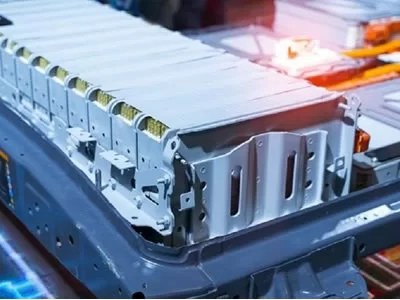 performance, safe, and reliable lithium-ion batteries. As EV batteries operate under diverse and often harsh environmental conditions, comprehensive testing has become a critical step in battery development and validation. Among various test methods, temperature-related testing plays a vital role in evaluating battery safety, durability, and performance throughout its lifecycle.
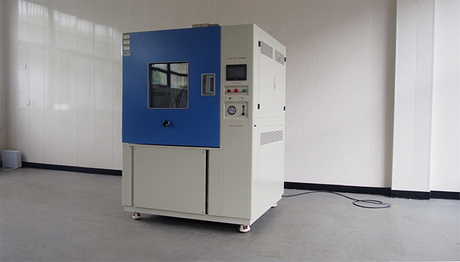
Based on customer feedback and on-site application results, LIB thermal chambers have proven to be a dependable solution for EV battery environmental testing. Customers have highlighted the chamber's stable temperature control, robust safety design, and consistent test repeatability when conducting high- and low-temperature cycling, thermal shock, and safety validation tests. As shown in the installed equipment images, the LIB thermal chamber is widely used in battery laboratories and testing facilities, providing a controlled and secure environment for evaluating EV battery behavior under extreme thermal conditions.
What is a Thermal Chamber for EV Battery Testing?
A thermal chamber is an enclosed testing environment that allows researchers and engineers to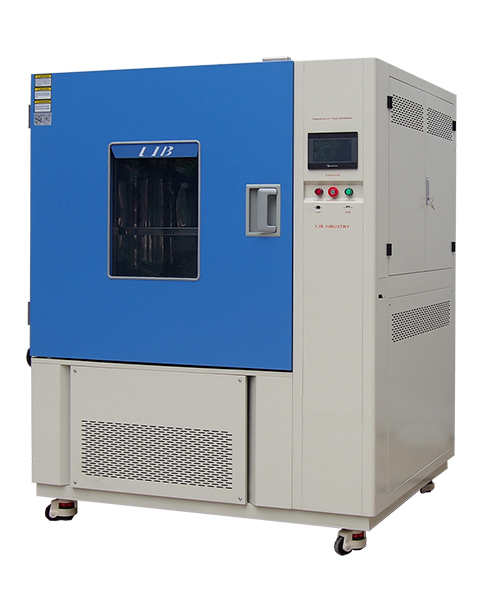 control and manipulate temperature conditions. It provides a controlled space where EV batteries can be subjected to various temperature scenarios, ranging from extreme cold to extreme heat. The chamber's temperature range can be adjusted to simulate real-world conditions, enabling accurate testing and analysis.
These chambers typically offer a broad temperature range, such as –70 °C to +150 °C, allowing accurate simulation of real-world operating environments including cold winters, hot summers, and sudden temperature fluctuations. Advanced thermal chambers are equipped with precise temperature control systems, uniform airflow circulation, and programmable controllers to ensure consistent and repeatable test conditions throughout the chamber.
During testing, EV batteries can be monitored for changes in capacity, internal resistance, charging efficiency, and potential failure risks. Thermal chambers also support combined temperature and humidity testing, which is critical for understanding battery behavior in humid or tropical climates. By providing a stable and repeatable environment, a thermal chamber plays a crucial role in battery development, quality validation, and compliance testing, ensuring EV batteries meet safety and reliability requirements before entering the market.
Importance of Temperature Testing for EV Batteries
Temperature greatly affects the performance, efficiency, and lifespan of EV batteries. Extreme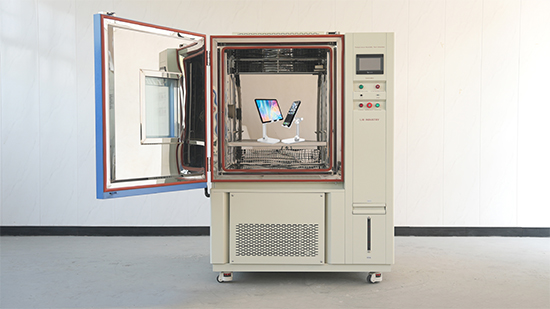 temperatures can lead to degradation, reduced capacity, and even safety hazards. Therefore, it is crucial to evaluate how batteries perform under different temperature conditions to ensure optimal functionality and reliability. By using a thermal chamber, researchers can simulate and replicate temperature scenarios that EV batteries may encounter during real-world usage.
a. Reproducibility: A thermal chamber provides a controlled testing environment, allowing researchers to replicate specific temperature conditions repeatedly. This ensures reproducibility and accuracy in test results, enabling reliable comparisons and evaluations.
b. Safety: Testing batteries under extreme temperature conditions can pose safety risks. A thermal chamber provides a secure and controlled environment, minimizing the chances of accidents and ensuring the safety of researchers and equipment.
c. Efficiency: By using a thermal chamber, researchers can accelerate the testing process by subjecting batteries to extreme temperatures for shorter durations. This saves time and resources while still providing valuable insights into battery performance.
d. Real-world Simulation: The ability to simulate real-world temperature conditions is critical in understanding how EV batteries will perform under different climates and usage scenarios. A thermal chamber allows researchers to replicate specific temperature profiles, such as cold winters or hot summers, enhancing the accuracy and relevance of the testing.
Standard of EV Battery Testing
LV124 includes tests to evaluate the battery's performance under extreme temperatures, humidity, and thermal cycling. These tests help manufacturers understand how the battery behaves in different climates and ensure its reliability and durability. LIB thermal test chamber model TR5-100B and thermal shock test chamber TS-162 are quite good for this environmental test.
LV124 specifies rigorous environmental tests such as high- and low-temperature exposure, temperature cycling, humidity resistance, and thermal shock. These tests are designed to simulate long-term vehicle operation under harsh climates and demanding driving conditions. By exposing batteries to repeated thermal stress, manufacturers can identify potential weaknesses such as material degradation, seal failure, or performance instability.
In addition to LV124, EV battery testing often references standards such as IEC 62660, UL 1642, and ISO 16750, which address battery cell safety, thermal abuse, and environmental resilience. LIB thermal test chambers, including models such as TR5-100B and TS-162 Thermal Shock Chambers, are designed to meet these testing requirements. Their precise temperature control, rapid heating and cooling rates, and stable operation help manufacturers achieve reliable test results while ensuring compliance with global automotive and battery safety standards.
Explosion-Proof Design of LIB EV Battery Testing Thermal Chambers
The explosion-proof design of LIB EV battery testing thermal chambers is specifically engineered to address the safety risks associated with lithium-ion batteries, particularly during thermal abuse, overcharging, or thermal runaway events. When batteries are subjected to extreme temperature conditions, there is a potential risk of fire, gas release, or explosion, making advanced safety protection essential.
Battery Testing Thermal Chamber |   | ||||
Temperature range | -20℃ ~+150 ℃ | ||||
Low type | A: -40℃ B:-70℃ C -86℃ | ||||
Humidity Range | 20%-98%RH | ||||
Temperature deviation | ± 2.0 ℃ | ||||
Heating rate | 3 ℃ / min | ||||
Cooling rate | 1 ℃ / min | ||||
Controller | Programmable color LCD touch screen controller, Multi-language interface, Ethernet , USB | ||||
Refrigerant | R404A, R23 | ||||
Exterior material | Steel Plate with protective coating | ||||
Interior material | SUS304 stainless steel | ||||
Standard configuration | 1 Cable hole (Φ 50) with plug; 2 shelves | ||||
Timing Function | 0.1~999.9 (S,M,H) settable | ||||
LIB explosion-proof thermal chambers integrate a reinforced enclosure structure made of corrosion-resistant SUS304 stainless steel for the inner chamber and protective coated steel for the exterior. The system is equipped with explosion-proof safety door chains, high-strength explosion-proof observation windows, and silicone sealing strips to prevent pressure leakage during abnormal events. Highly sensitive smoke detectors continuously monitor the chamber interior, triggering audible alarms and automatically activating the fire suppression sprinkler system if smoke or fire is detected.
|
| 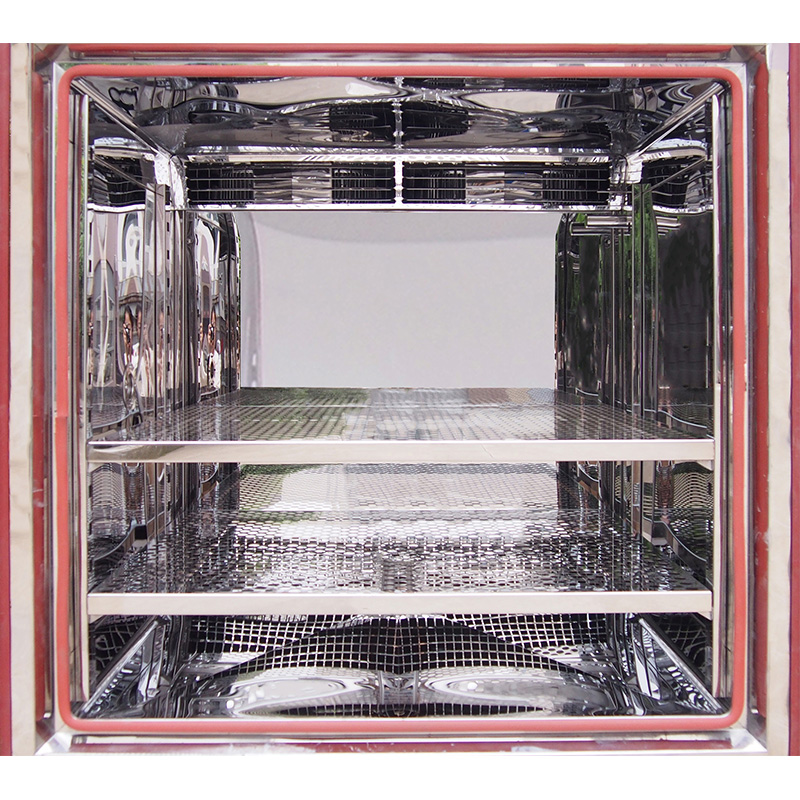 | 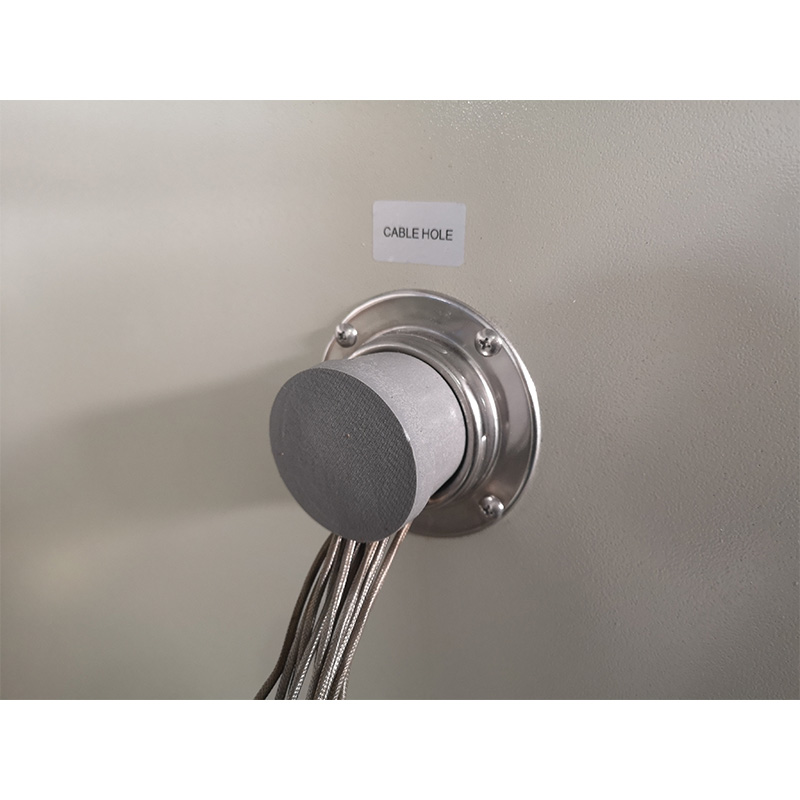 |
Touch screen controller Holds up to 120 test programs with 100 steps each, making it well suited for complex multi‑stage profiles such as temperature–humidity shock or soak cycles. | The compressor The compressor rapidly removes heat from the chamber interior, achieving a cooling rate around 1 °C / 5 °Cper minute. | Robust Anti-Corrosion Workroom The chamber's interior is built from SUS304 stainless steel, offering outstanding resistance to heat and corrosion for long-lasting performance. | Integrated Power Access hole Allows test specimens to stay powered during experiments, enabling performance evaluation under varying temperature and humidity. Standard 50 mm diameter; quantity and size customizable. |
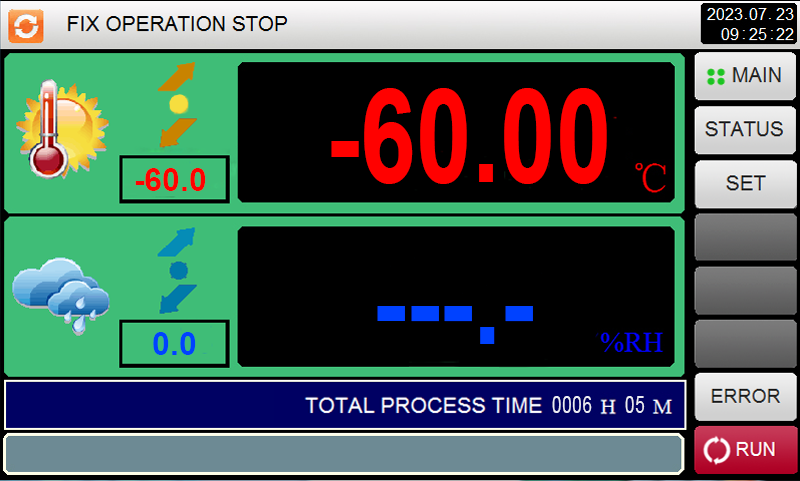

Additionally, the chambers feature comprehensive safety interlocking systems, including over-temperature, over-current, door status, and leakage protection. A high-efficiency PID programmable touch-screen controller with Ethernet and USB connectivity allows real-time monitoring, data logging, and remote operation. Complying with standards such as IEC 60079, ISO 80079, and UL 1642, LIB explosion-proof thermal chambers provide a secure and reliable testing environment for EV battery manufacturers, research institutes, and third-party testing laboratories.