


In modern industries, maintaining precise environmental control has become essential for accurate research, product validation, and quality assurance. Walk-in climate chambers create large-scale controlled environments where temperature, humidity, and other conditions can be accurately regulated to replicate real-world challenges. By delivering stable and repeatable testing conditions, they support innovation, improve product reliability, and help companies meet strict industry requirements across fields such as pharmaceuticals, agriculture, electronics, and advanced materials.
Walk-in climate chambers are large, controlled environments that can simulate various environmental conditions, such as temperature, humidity, and pressure. These chambers are used for a variety of applications, including product testing, research and development, manufacturing processes, and storage. They offer precise control of environmental factors, allowing for accurate testing and experimentation.
Inside Walk-In Climate Chambers: Design and Functionality
Walk-in climate chambers are designed to provide a controlled environment for various applications. The interior of these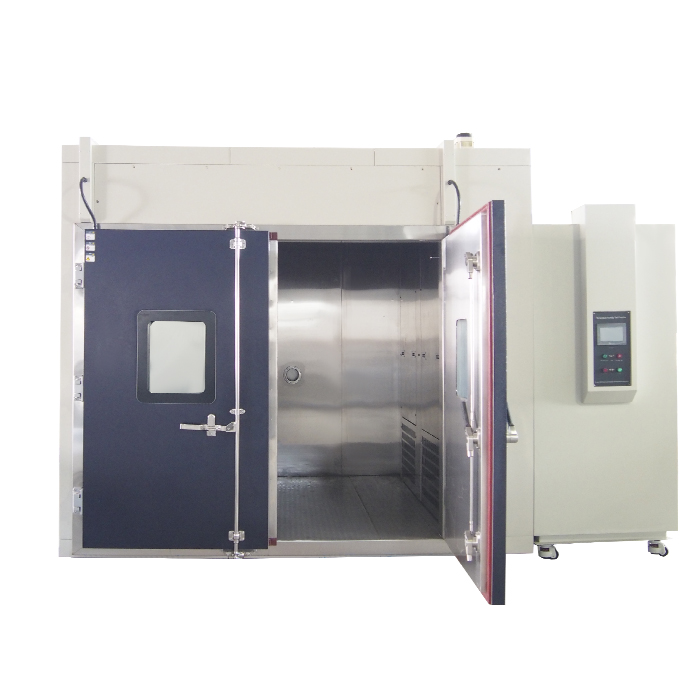 chambers typically features a stainless-steel construction for durability and easy cleaning. Insulation materials, such as polyurethane or fiberglass, are used to maintain temperature and humidity levels. Heating and cooling systems, often combined with humidifiers and dehumidifiers, are installed to create the desired environmental conditions. To ensure accurate control, chambers may incorporate sensors and controllers that monitor and adjust temperature, humidity, and other parameters. Additionally, safety features, such as alarms and emergency ventilation, are included to protect users and equipment.
Structural Elements for Controlled Environments
Controlled environments, such as cleanrooms, laboratories, and climate chambers, require specific structural elements to maintain their integrity and functionality. These elements, including walls, ceilings, flooring, doors, windows, ventilation systems, lighting, and services, are designed to provide a controlled environment with specific temperature, humidity, and particulate levels.
Design Features Promoting Uniform Conditions
To ensure consistent and uniform conditions within controlled environments, several design features are essential. These features help to minimize fluctuations and maintain a stable environment for sensitive processes and experiments.
Here are some key design features:
1.Insulation: Proper insulation is essential for maintaining temperature control in controlled environments. High-quality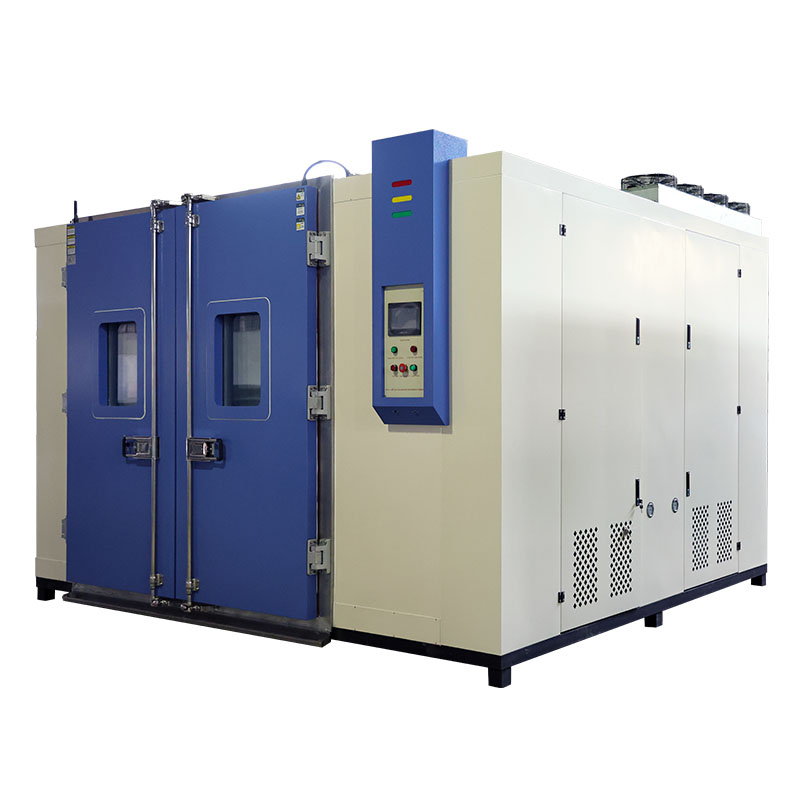 insulation materials with high R-values should be used to minimize heat transfer. Additionally, the insulation should be installed correctly to prevent gaps or voids that could compromise its effectiveness.
2. Airflow Management: Laminar flow hoods and cleanrooms can be used to create a unidirectional airflow that prevents contaminants from entering the workspace. Turbulent flow can help to mix air and reduce temperature gradients. To ensure consistent conditions throughout the space, it is important to balance airflow and avoid dead zones or areas with stagnant air.
3.Temperature Control: Redundant heating and cooling systems should be installed to provide backup in case of equipment failure. Accurate and reliable temperature sensors should be used throughout the space to monitor and control temperature. Additionally, techniques like temperature stratification can be considered to create a temperature gradient within the space, which can help to reduce energy consumption and improve temperature uniformity.
4.Humidity Control: High-efficiency dehumidifiers and humidifiers should be installed to maintain the desired humidity level. Accurate humidity sensors are necessary to monitor and control humidity levels. Additionally, adequate ventilation can help to control humidity by exchanging moist air with drier outside air.
5.Lighting Control: Lighting fixtures with dimming capabilities should be installed to adjust light levels as needed. Additionally, it is important to choose lighting fixtures that generate minimal heat to avoid affecting temperature control.
6.Vibration Control: Vibration isolation mounts should be used for equipment to minimize the transmission of vibrations. Additionally, the structure of the controlled environment should be designed to minimize vibration transmission.
By incorporating these design features, it is possible to create controlled environments that provide a stable and consistent environment for sensitive processes and experiments.
Robust Construction Materials for Durability
Robust construction materials are essential for ensuring the durability and longevity of controlled environments. These materials should be resistant to corrosion, chemicals, and mechanical stress. Examples of robust materials include stainless steel, aluminum, and composite panels. By selecting appropriate materials, the structural integrity and lifespan of controlled environments can be significantly enhanced.
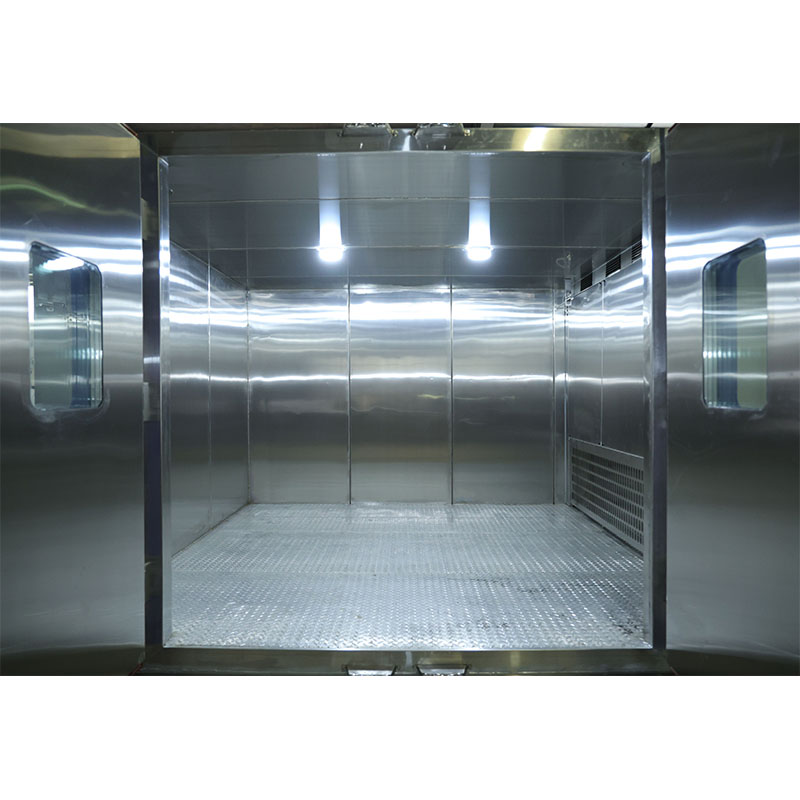
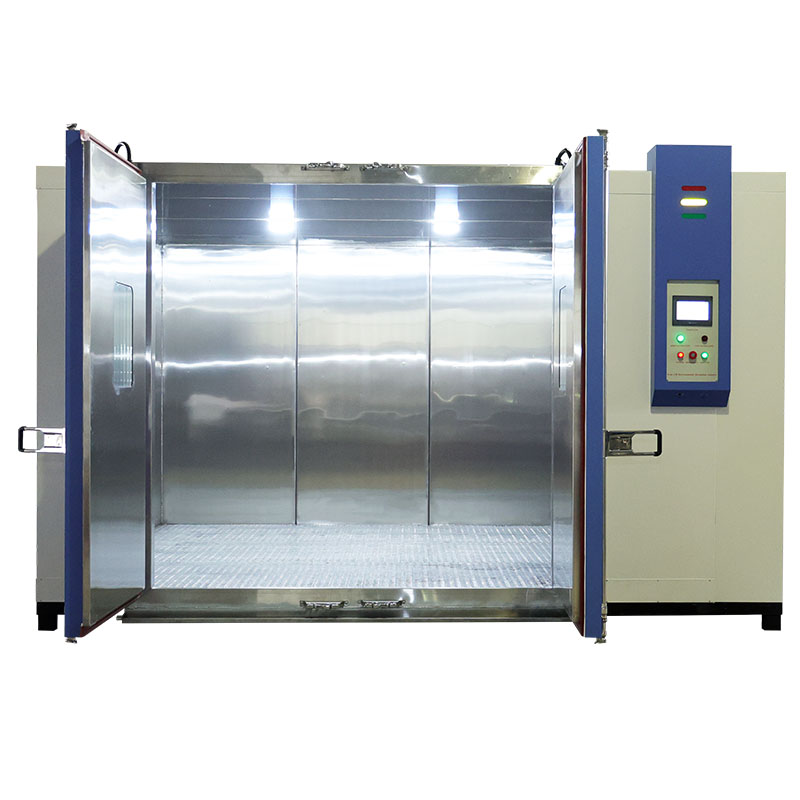
| Roomy and Resilient Interior The chamber's interior is crafted from SUS304 stainless steel, offering a sleek, easy-to-clean surface and practical space for arranging samples. Its wide, open layout accommodates sizable specimens, combining ample capacity with sturdy construction for long-term reliability. |
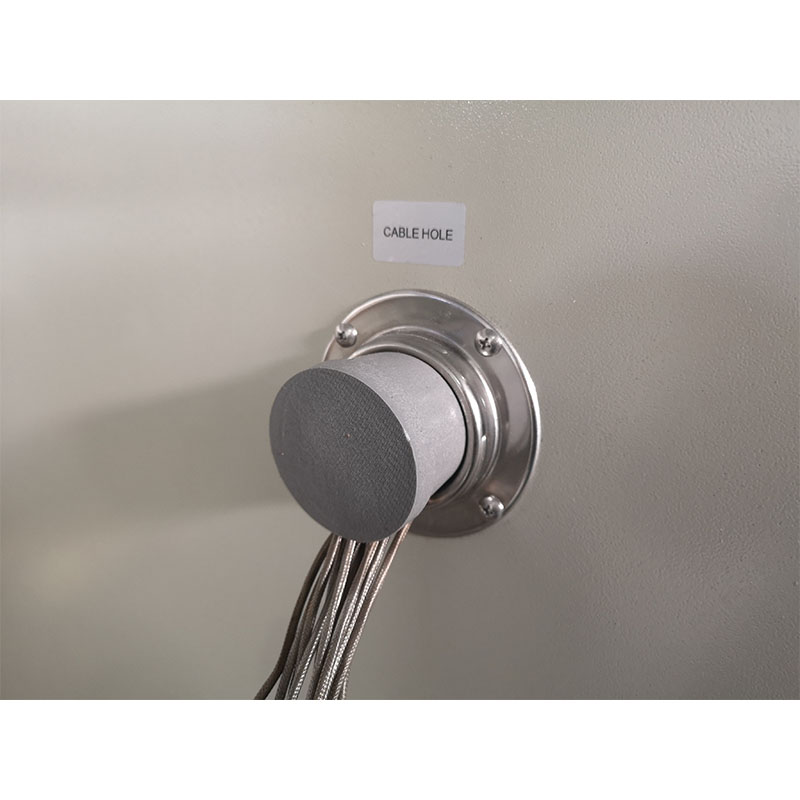
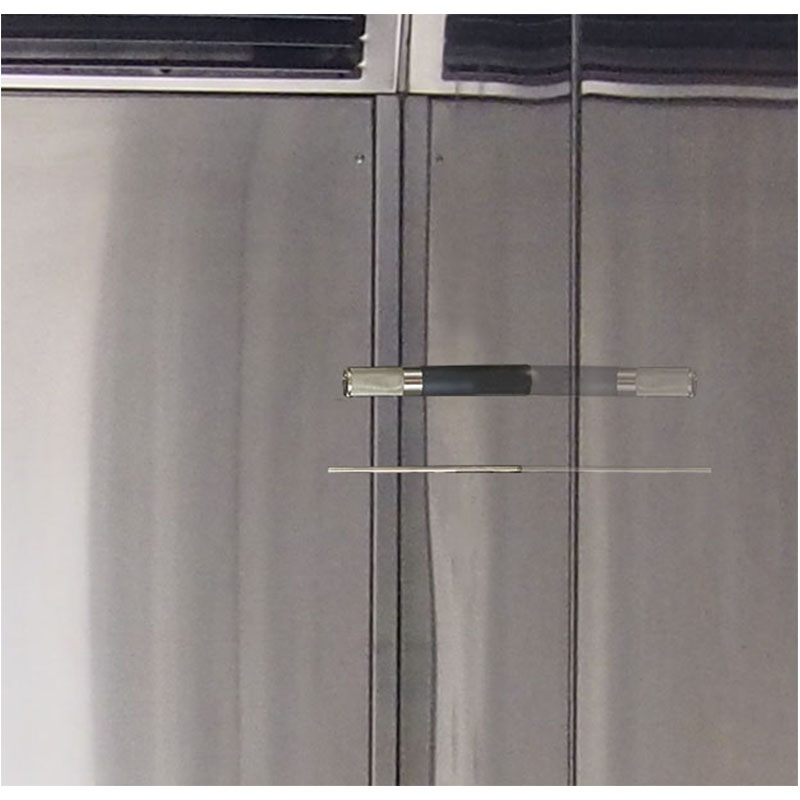
Adjustable Cable Hole Features a standard 50 mm cable opening, with optional diameters available, enabling secure connections for power or signal lines to test specimens. A heat-resistant silicone stopper ensures a snug seal, preserving the chamber's airtight integrity and preventing leaks. |
|
| Precision Temperature Regulation Equipped with a PT-100 Class A sensor offering 0.001 °C resolution and a PID-controlled touchscreen, the chamber delivers highly stable temperature performance. It maintains consistency within ±0.5 °C and limits deviations to ±2 °C, even during prolonged high-temperature cycles. |
Applications Across Diverse Sectors
Advantages in Pharmaceutical Research and Compliance
They provide a stable and consistent environment for conducting experiments, ensuring reliable and reproducible results. This is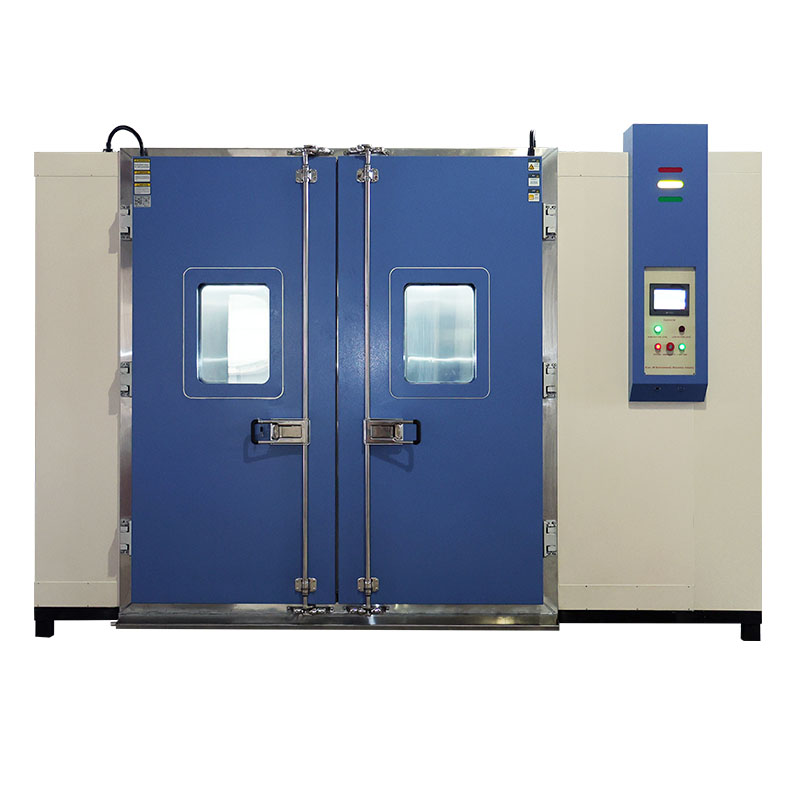 particularly important for research involving sensitive biological materials and pharmaceuticals. Additionally, controlled environments help to comply with regulatory standards, such as Good Manufacturing Practices (GMP), by providing a controlled and documented environment for manufacturing processes.
Vital Role in Agricultural and Food Sciences
They allow researchers to study plant growth and development under precisely controlled conditions, enabling the optimization of crop production. By manipulating factors such as temperature, humidity, light, and CO2 levels, scientists can investigate the effects of these variables on crop yield, quality, and nutritional content. This research is crucial for developing sustainable and efficient agricultural practices to meet the growing global demand for food.
Supporting Electronics and Material Development
They provide a stable and controlled environment for testing the reliability and performance of electronic components under various conditions, such as extreme temperatures, humidity, and pressure. Additionally, controlled environments are used for research and development of new materials and technologies for electronics applications. By simulating real-world conditions, these environments help to ensure the quality and durability of electronic products.
Operational Excellence
Maintaining Stable Climate Parameters
 This requires precise control of temperature, humidity, and other relevant factors. Advanced control systems and monitoring equipment are essential to ensure that the desired conditions are consistently maintained. Regular calibration and maintenance of these systems are also necessary to prevent deviations from the set parameters and to ensure the reliability of the controlled environment.
Energy Efficiency and Environmental Responsibility
By implementing energy-saving measures, such as efficient HVAC systems, LED lighting, and optimized insulation, it is possible to reduce energy consumption and minimize the environmental impact of these facilities. Additionally, the use of renewable energy sources, such as solar or wind power, can further contribute to sustainability. By prioritizing energy efficiency and environmental responsibility, operators of controlled environments can reduce their carbon footprint and contribute to a more sustainable future.
Challenges in Calibration and Monitoring
Calibration and monitoring are critical aspects of ensuring the accuracy and reliability of controlled environments. However, these tasks can present challenges. Calibration of instruments requires specialized equipment and trained personnel, and it may be necessary to recalibrate instruments regularly due to factors such as wear and tear or environmental changes. Monitoring systems may also experience technical difficulties or data integrity issues, which can affect the accuracy of measurements. Overcoming these challenges requires a combination of proper equipment selection, regular maintenance, and effective data management practices.
Future Trends in Climate Simulation
Innovations in Climate Control Systems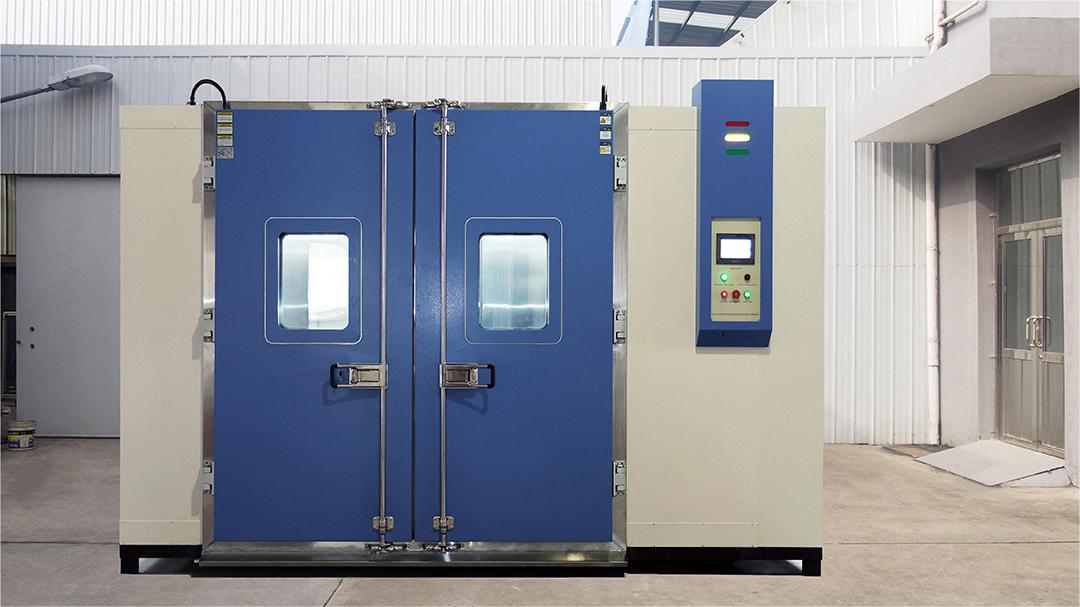
Innovations in climate control systems are continuously emerging to improve efficiency, accuracy, and sustainability. Advancements in technology, such as the use of artificial intelligence and IoT sensors, are enabling more precise control and monitoring of environmental parameters. Energy-efficient HVAC systems and the integration of renewable energy sources are also contributing to the development of more sustainable controlled environments. These innovations are helping to address the challenges associated with maintaining stable climate conditions while minimizing environmental impact.
Integration of Smart Technologies
By incorporating IoT sensors, artificial intelligence, and advanced data analytics, it is possible to achieve more precise control, optimize energy efficiency, and improve overall performance. Smart technologies enable real-time monitoring of environmental parameters, predictive maintenance, and remote management. This not only enhances the efficiency and reliability of controlled environments but also provides valuable insights for optimizing operations and reducing costs.
| Model | WTH-0015C |
| Internal dimension (mm) | 2500*2500*2500 D*W*H |
| Overall dimension (mm) | 4000*2550*2850 D*W*H |
| Temperature range | -60℃ ~ +150℃ |
| Humidity range | 20% ~ 95% RH |
| Temperature fluctuations | ± 2.0℃ |
| Humidity fluctuations | ± 5.0% RH |
| Heating rate | 1℃ / min |
| Cooling rate | 1 ℃ / min |
| Controller | Programmable color LCD touch screen controller; Ethernet port |
| Cooling system | Mechanical compression refrigeration system |
| Safety device | Humidifier dry-combustion protection; over-temperature protection; over-current protection; Refrigerant high-pressure protection; Water shortage protection; Earth leakage protection |
| Exterior material | Steel Plate with protective coating |
| Interior material | SUS304stainlesssteel |
Predictions for Advancing Climate Chamber Capabilities
Predictions suggest that future climate chambers will be more precise, energy-efficient, and versatile. The integration of advanced sensors, artificial intelligence, and automation technologies will enable even finer control over environmental parameters. Additionally, there is potential for the development of climate chambers that can simulate more extreme conditions, such as those found in space or on other planets. These advancements will open up new possibilities for research, testing, and development across various industries.
Controlled environments, such as walk-in climate chambers, are essential tools for a wide range of industries and applications. They provide precise control over environmental parameters, enabling researchers, engineers, and manufacturers to conduct experiments, test products, and simulate real-world conditions. By incorporating advanced technologies and sustainable practices, the future of controlled environments is promising, with the potential to drive innovation and support a more sustainable future.
Discover how our walk-in climate chambers can elevate your testing and research capabilities. Contact LIB Industry today to discuss your requirements and request a quote.


